Zenshoji Temple (Atsubetsu Ward, Sapporo City, Hokkaido) Complete Guide | Information on Bone Buddha, Perpetual Memorial Service, and Goshuin (Temple Seal)
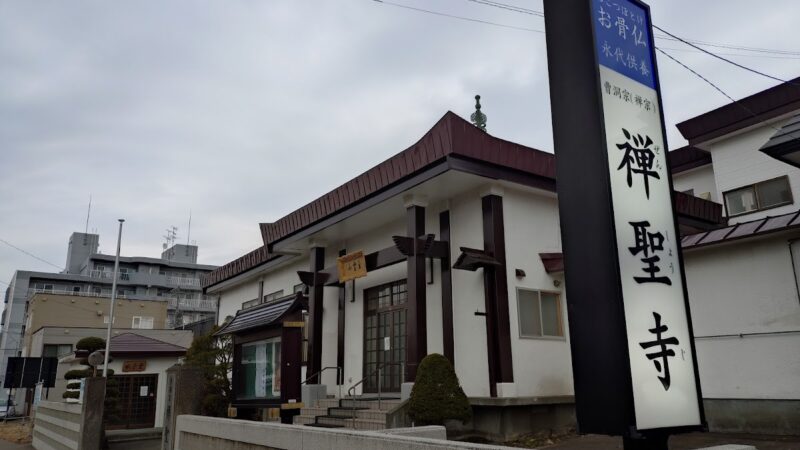
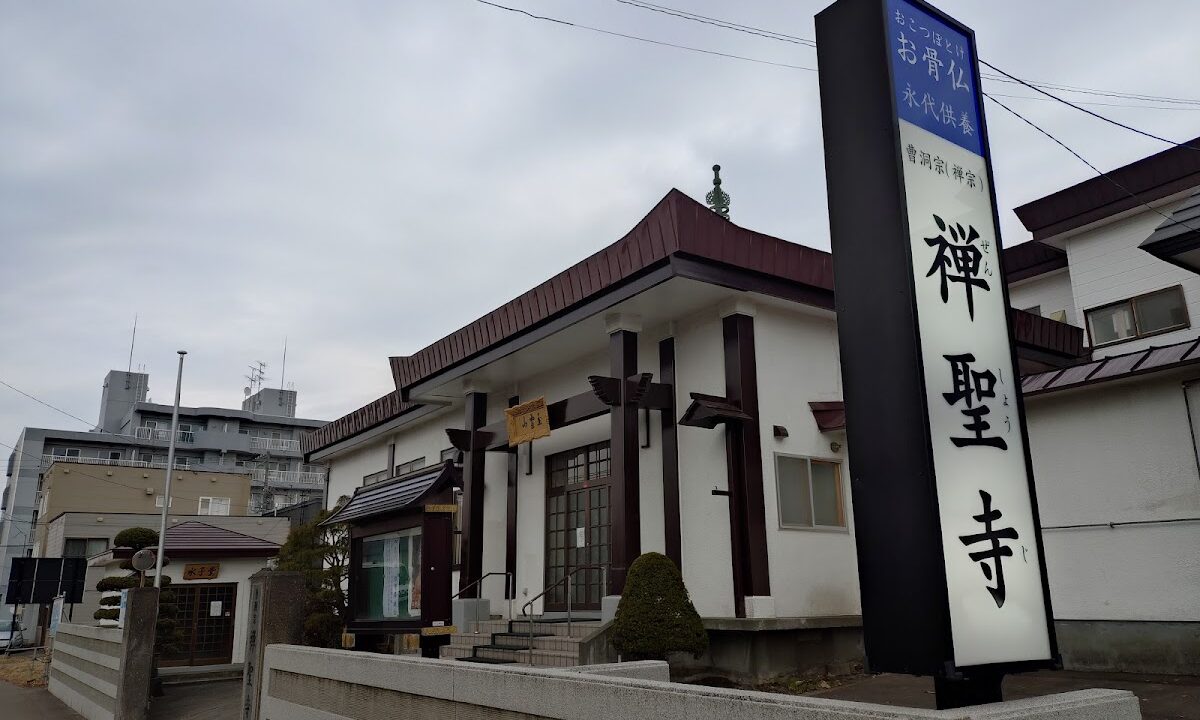
Located in Atsubetsu Ward, Sapporo City, Zenshoji Temple is a Soto Zen Buddhist temple established in 1978. It is known for its unique method of perpetual memorial service using “bone Buddhas” and is popular with people of all denominations. This article comprehensively introduces information useful for visitors, including the history, characteristics, access methods, and Goshuin information for Zenshoji Temple.
Basic Information about Zensho-ji Temple
Official Name: Soto Zen Buddhism, Gyokuunzan Zensho-ji Temple
Sect: Soto Zen Buddhism
Mountain Name: Gyokuunzan
Established: 1978 (Showa 53)
Address: 2-12, Atsubetsu-Nishi 2-jo 5-chome, Atsubetsu-ku, Sapporo, Hokkaido 004-0062
Phone: 011-891-0630
Nearest Station: Approximately 10 minutes on foot from Atsubetsu Station on the JR Hakodate Main Line
Parking: Available (Parking spaces for visitors)
Official Website: https://zensho-ji.jp
Zensho-ji Temple is located in a residential area of Atsubetsu-ku, Sapporo, yet maintains a quiet and peaceful atmosphere. Its convenient location within walking distance of Atsubetsu Station makes it easily accessible for visitors.
The History and Origins of Zenshoji Temple
Zenshoji Temple was established in 1978 (Showa 53). Based on the teachings of the Soto Zen sect, it was founded as a spiritual center for local residents and a place for ancestral worship. For over 40 years since its establishment, it has continued its temple activities closely integrated with the local community, primarily in Atsubetsu Ward, Sapporo City.
The Soto Zen sect is a branch of Zen Buddhism introduced to Japan by Zen Master Dogen during the Kamakura period. It emphasizes “Shikantaza,” or simply sitting in meditation, and Zenshoji Temple cherishes this teaching.
In recent years, in response to changing times, the temple has introduced perpetual memorial services using “Okotsubotoke” (a Buddha image made from bones), which have become widely used by people of all sects.
What is Okotsubotoke? Zenshoji Temple’s Unique Perpetual Memorial Service System
The most distinctive feature of Zenshoji Temple is its perpetual memorial service using “Okotsubotoke” (a Buddha image made from bones). This is a traditional yet modern method of memorial service that involves placing the deceased’s remains inside a Buddha statue.
Features of the Bone Buddha
Rest in the Body of Buddha: The bone Buddha is a form of memorial service where the remains are placed inside the body of a Buddha statue. This is based on the idea that the deceased becomes one with Buddha and is protected forever.
Perpetual Memorial Service: Zenshoji Temple takes responsibility for continuing the memorial service in perpetuity. It is attracting attention as a memorial service method that does not burden future generations, as there are no concerns about grave management or successors.
Open to All Denominations: Although it is a Soto Zen temple, it is available to people of other denominations. The temple employs a tolerant operating policy that accepts Buddhists regardless of their denomination.
Transparency of Costs: The cost of the perpetual memorial service is clearly presented, and there is no system in place to prevent additional costs later.
Benefits of a Buddhist Altar with Remaining Bone
- No need for grave maintenance: No need to erect or maintain a tombstone.
- No need for successors: No burden on children or grandchildren.
- Reduced financial burden: Lower costs compared to a typical grave.
- Accessible in urban areas: Memorial services can be held in a convenient location within Sapporo City.
- Perpetual memorial services: Memorial services continue as long as the temple exists.
About Zenshoji Temple’s Management Policy
Zenshoji Temple seriously considers the role of temples in modern society and has adopted the following management policy.
Open Temple Management
Zenshoji Temple aims to be a temple open not only to specific parishioners but also to the general public. We are committed to creating an environment where people can easily consult about Buddhist matters such as funerals, memorial services, and perpetual memorial services.
Reduced Financial Burden
Traditional temple management often imposes various burdens on parishioners, but Zenshoji Temple strives to minimize financial burdens. Costs are clearly presented, and care is taken to avoid unexpected additional fees.
Acceptance of People Across Sects
Although a Soto Zen temple, we accept funerals, memorial services, and perpetual memorial services from people of other sects. Our operating policy is based on the fundamental Buddhist principle that “all are equal before Buddha.”
Responding to Modern Needs
In today’s society, with its increasing nuclear families and aging population, traditional graves and memorial service methods are becoming difficult to maintain. Zenshoji Temple proposes new forms of memorial services suited to the times, such as perpetual memorial services using cremated remains.
Consultation Regarding Funerals and Memorial Services
Zenshoji Temple accepts consultations regarding funerals and memorial services at any time.
About Funerals
Zenshoji Temple can conduct funerals according to Soto Zen customs. However, consultations are also possible for people of other sects. We will carefully explain the scale, format, and costs of the funeral.
Types of Funerals:
- Traditional Funeral (Wake and Funeral Service)
- Family Funeral
- Direct Cremation
- Temple Funeral
About Buddhist Memorial Services
We also conduct Buddhist memorial services such as the 49th day, first anniversary, and third anniversary. We provide thorough explanations of the meaning and etiquette of these services, so even those unfamiliar with Buddhist rituals can consult with us with confidence.
Main Buddhist Memorial Services:
- First Seven Days, Forty-Ninth Day
- Hundredth Day
- First Anniversary, Third Anniversary, Seventh Anniversary
- Thirteenth Anniversary, Seventeenth Anniversary, Twenty-Third Anniversary
- Thirty-Third Anniversary, Fiftieth Anniversary
How to Make a Reservation and Consultation
Reservations and consultations are primarily by phone. Please feel free to contact us by phone first.
Telephone: 011-891-0630
Reception Hours: Weekdays 9:00 AM – 5:00 PM (approx.)
By making a reservation in advance, the head priest and temple staff will dedicate ample time to your consultation. While they may be able to accommodate walk-in visits, prior contact is recommended if you want to ensure you receive a consultation.
About Zenshoji Temple’s Goshuin (Temple Seal)
You can receive a Goshuin at Zenshoji Temple. It makes a memorable souvenir for those who enjoy temple pilgrimages and collecting Goshuin.
Characteristics of the Goshuin
The Goshuin at Zenshoji Temple is characterized by its simple yet powerful calligraphy. It has a calm atmosphere befitting a Soto Zen temple.
How to Obtain a Goshuin (Temple Stamp)
- Go to the Main Hall: First, pay your respects at the main hall.
- Speak Up: Open the doors of the main hall and speak to a temple staff member.
- Hand Over Your Goshuin Book: State that you would like a Goshuin and hand over your Goshuin book.
- Payment: Pay the Goshuin fee (usually around 300-500 yen).
Points to Note When Obtaining a Goshuin
- Avoid busy times such as funerals or memorial services.
- It is best to confirm by phone in advance.
- A Goshuin is “proof of worship,” not a stamp rally. It is important to first pay your respects respectfully.
- If you forget your Goshuin book, there may be pre-printed Goshuin available.
Access and Transportation Information
Zenshoji Temple is located in a residential area of Atsubetsu Ward, Sapporo City, and is easily accessible by both public transport and car.
Access by Train
Approximately 10 minutes on foot from JR Hakodate Main Line “Atsubetsu Station”
- Exit the north exit of Atsubetsu Station.
- Head towards National Route 12.
- Zenshoji Temple is located in the residential area of Atsubetsu Nishi 2-jo 5-chome.
Atsubetsu Station is a major station where the Rapid Airport train also stops, making it convenient to access from Sapporo Station and New Chitose Airport.
Access by Bus
JR Bus and Chuo Bus routes are also available. The nearest bus stops are near “Atsubetsu Nishi 2-jo 4-chome” or “Atsubetsu Nishi 2-jo 5-chome”. Bus routes may change, so it is recommended to check in advance.
Access by Car
From central Sapporo: Approximately 30 minutes via National Route 12
From New Chitose Airport: Approximately 1 hour via the Hokkaido Expressway
Zenshoji Temple has a parking lot for visitors. However, it can get crowded during memorial services and other events, so it’s best to contact them in advance if you’re visiting in a large group.
Landmarks in the surrounding area
- Located within the residential area of Atsubetsu-Nishi district
- North side of Atsubetsu Station
- Close to National Route 12
About Zenshoji Temple and the Soto Zen School
Zenshoji Temple is a Soto Zen temple. Understanding the Soto Zen school will deepen your understanding of the teachings and activities of Zenshoji Temple.
What is the Soto Zen School?
The Soto Zen school is a branch of Zen Buddhism that was introduced to Japan from China by Zen Master Dogen during the Kamakura period. With Eiheiji Temple (Fukui Prefecture) and Sojiji Temple (Kanagawa Prefecture) as its head temples, it is the largest Zen religious organization in Japan, with over 14,000 temples nationwide.
Teachings of the Soto Zen School
Shikantaza: Emphasis is placed on simply sitting in meditation. A key characteristic is the “Practice and Enlightenment as One” philosophy, which views Zen meditation itself as the manifestation of Buddhahood, rather than viewing it as a means to attain enlightenment.
Practice in Daily Life: This philosophy considers all aspects of daily life, such as eating, cleaning, and sleeping, as practice.
Equality: Based on the teaching that all beings possess Buddha-nature, this philosophy values not only humans but also nature and all things.
Soto Zen Practice at Zenshoji Temple
Zenshoji Temple operates in a manner adapted to modern society, while adhering to the teachings of the Soto Zen school. For information on Zen meditation sessions and other events, please contact the temple directly.
Comparison with Other Soto Zen Temples in Hokkaido
There are several Soto Zen temples in Sapporo. Each has its own unique characteristics, and understanding the differences between them and Zenshoji Temple can help you choose the temple that best suits you.
Zensoji Temple (Minami-ku and Higashi-ku, Sapporo)
Zensoji Temple is a Soto Zen temple with multiple locations within Sapporo. In Kitanosawa, Minami Ward, lies the “Thirty-Three Kannon Hall,” where magnificent statues of Kannon are enshrined. It also boasts a distinctive Zen meditation hall called the Mandala Zen Meditation Hall, providing an environment conducive to authentic Zen practice.
Characteristics of Zen Temples:
- Presence of the Thirty-Three Kannon Hall
- Zen Meditation Experience in the Mandala Zen Meditation Hall
- Naturally Rich Location on the Southern Slope of Mt. Moiwa
- Comprehensive Perpetual Memorial Service and Columbarium Facilities
Positioning of Zenshoji Temple
Zenshoji Temple is located in the urban area of Atsubetsu Ward, making it easily accessible. It offers a unique memorial service method using ossuary Buddha images, and its open management policy, regardless of sect, is well-received.
Manners and Points to Note When Visiting Zenshoji Temple
When visiting a temple, it is important to observe basic manners.
Basic Manners for Worship
- Dress Code: Modest, understated clothing is preferred. When attending a memorial service or similar event, wear mourning attire or semi-formal attire.
- Greetings: When entering the main hall, bow slightly before entering.
- Silence: Temples are places of prayer. Please refrain from speaking loudly or making noise.
- Photography: Photography is generally permitted within the temple grounds, but please refrain from taking photos inside the main hall or during memorial services, or obtain permission beforehand.
- Offerings: When praying, offer a monetary donation. There are no set amounts, but 5 yen (go-en, meaning good fortune) or 50 yen (goju-no-en, meaning fivefold good fortune) are common.
Advice for First-Time Visitors
- Prior Contact: If you are visiting for a temple stamp or consultation, it is best to call ahead for a smoother experience.
- Time of Day: Morning to early afternoon is suitable for visiting. It is best to avoid visiting in the evening or later.
- Please feel free to ask questions: If you have any questions about Buddhist rituals or memorial services, please do not hesitate to ask. They will explain everything carefully.
For those considering perpetual memorial services
Perpetual memorial services using ossuary Buddha images at Zenshoji Temple are especially recommended for the following people:
Suitable for the following people:
- Those without a successor to the grave: Those who have no children or do not want to burden their children.
- Those who find grave management difficult: Those who live far away and find it difficult to visit the grave.
- Those who want to reduce financial burden: Those who want to reduce the cost of building and maintaining a tombstone.
- Those who wish to have memorial services in urban areas: Those who want to receive memorial services in a convenient location within Sapporo City.
- Those who are not attached to a specific religious sect: Those who do not adhere to a specific religious sect and seek a memorial service that provides peace of mind.
Flow of consultation for perpetual memorial services
- Telephone reservation: First, make a reservation for a consultation by phone (011-891-0630).
- Temple visit and consultation: Visit the temple and receive an explanation of the details of perpetual memorial services.
- Tour: You can tour the ossuary and facilities.
- Consideration: Carefully consider the costs and details.
- Contract: We will enter into a contract only after you are fully satisfied.
- Interment: The interment will take place on the designated date and time.
Consultations are free, so we recommend you feel free to inquire.
Annual Events and Activities at Zenshoji Temple
Zenshoji Temple holds various Buddhist events throughout the year. For detailed schedules and participation methods, please contact the temple directly.
Main Annual Events (Example of a Typical Soto Zen Temple)
- Shushōe: January 1st, New Year’s service
- Nehan-e: Around February 15th, service commemorating the passing of Buddha
- Spring Equinox: One week centered around the spring equinox in March
- Hanamatsuri (Buddha’s Birthday): Around April 8th, service celebrating the birth of Buddha
- Urabon-e: During the Obon period in August
- Autumn Equinox: One week centered around the autumn equinox in September
- Daruma-ki: Around October 5th, memorial service for Bodhidharma
- Jōdō-e: Around December 8th, service commemorating the enlightenment of Buddha
Summary: Zenshoji Temple is an open temple that meets modern needs.
Zenshoji Temple is a Soto Zen Buddhist temple located in Atsubetsu Ward, Sapporo City, established in 1978. It offers a unique memorial service method using cremated remains (ossuary) and operates as a temple open to many people regardless of their religious affiliation.
Main Features of Zenshoji Temple:
- Perpetual memorial service system using cremated remains
- Tolerant and accepting attitude regardless of religious affiliation
- Clear fee structure to minimize financial burden
- Convenient access, just a 10-minute walk from JR Atsubetsu Station
- Easy consultation regarding funerals and memorial services
- Issuance of Goshuin (temple seals)
In modern society, with its increasing nuclear families and aging population, traditional graves and memorial service methods are becoming more difficult. Zenshoji Temple is supported by many people as a temple that proposes a new way of memorial service that meets these modern needs.
For detailed information and consultations regarding perpetual memorial services, funerals, memorial services, Goshuin, etc., please contact the temple directly.
Zensho-ji Temple Contact Information
Phone: 011-891-0630
Address: 2-12, Atsubetsu-Nishi 2-jo 5-chome, Atsubetsu-ku, Sapporo, Hokkaido
Official Website: https://zensho-ji.jp
Zensho-ji Temple, while cherishing traditional Buddhist teachings, will continue to contribute to the local community as an open temple adapted to modern society.