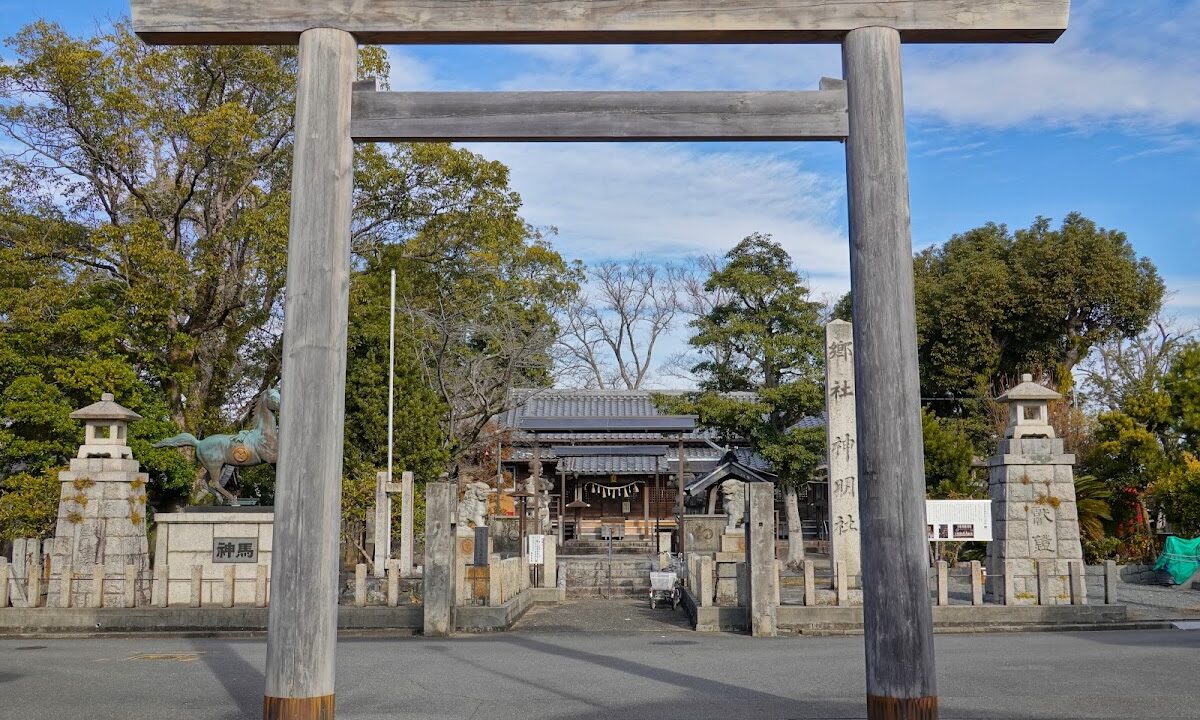
Akasuka Shinmei Shrine (Kuwana City, Mie Prefecture) | Complete Guide to History, Stone-Taking Festival, Goshuin (Shrine Seal), and Access
About Akasuka Shinmei Shrine
Akasuka Shinmei Shrine is a Shinto shrine located in Akasuka, Kuwana City, Mie Prefecture. It is known as one of the few shrines in Kuwana City, other than Kuwana Sōsha (Kasuga Shrine), where the Stone-Taking Festival is held.
In Kuwana, which flourished as a post town on the Tōkaidō road, Akasuka Shinmei Shrine was an important shrine located at the gateway to Ise Province. During the Edo period, travelers heading to Ise from the east entered Ise Province from the Kuwana Shichiri no Watashi (Seven-Mile Crossing), and Akasuka Shinmei Shrine, as the closest Shinmei Shrine in Ise Province, was revered as a guardian deity of maritime safety.
Deities Enshrined
The main deity is Amaterasu Ōmikami. As the supreme deity in Japanese mythology, and widely worshipped as the ancestral deity of the Imperial family and the god enshrined in the Inner Shrine of Ise Grand Shrine, Akasuka Shinmei Shrine is a highly revered figure.
History of Akasuka Shinmei Shrine
Origin and Relocation from Mikawa Province
The history of Akasuka Shinmei Shrine dates back to the late Muromachi period. In 1561 (Eiroku 4), Ichiba Shigeemon Hidetaka and his retainers migrated from Ichiba Village in Mikawa Province (present-day Ichiba, Koda-cho, Nukata-gun, Aichi Prefecture) and developed the fishing village of Akasuka.
Two years later, on September 11, 1563 (Eiroku 6), when the Mikawa Ikko-ikki rebellion broke out, the sacred object of the Shinmei Shrine, a place of prayer in Mikawa Province, was moved and enshrined at the present-day Moto-Akasuka Nakano-cho. This marked the beginning of Akasuka Shinmei Shrine. This relocation is believed to have been a measure to protect the shrine from the chaos caused by the Ikko-ikki rebellion.
Development as a Fishing Town
Akasuka was a fishing town developed during the Muromachi period by samurai who immigrated from Mikawa Province. It enshrines the Shinmei Shrine, which was relocated from Mikawa as the local tutelary deity. The sailors of Akasuka Village possessed excellent ship handling skills and played an important role in steering the Kuwana Domain’s official ships.
The Tokaido Road and the Shichiri no Watashi (Seven-Mile Ferry)
During the Edo period, Kuwana, a post town on the Tokaido Road, flourished as the starting point of the “Shichiri no Watashi” (Seven-Mile Ferry) connecting it to Miya-juku (Atsuta). Travelers traversing this sea route, and daimyo passing through Kuwana on their sankin-kotai (alternate attendance) journeys, visited Akasuka Shinmei Shrine to pray for safe travels.
Akasuka Shinmei Shrine, as the first Shinmei Shrine encountered in Ise Province, was an important place of worship for pilgrims on their way to Ise Shrine. A model of an official ship is enshrined on the grounds, conveying the state of maritime traffic at that time.
Changes Since the Modern Era
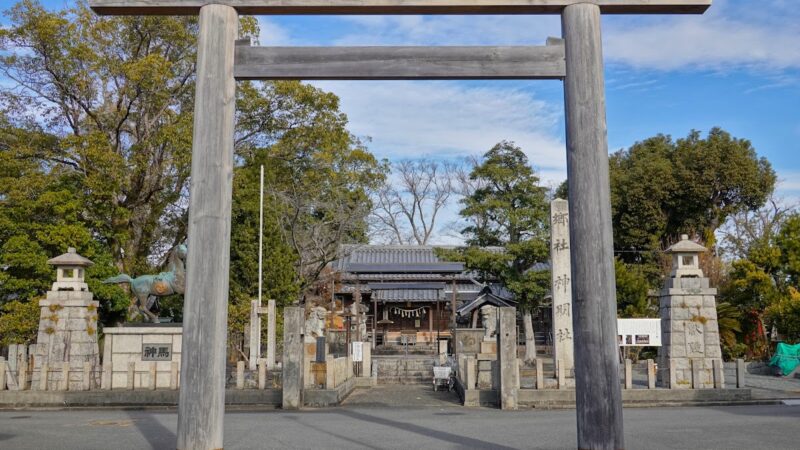
The shrine has continued to attract worshippers as the local guardian deity since the Meiji era. In 1931 (Showa 6), guardian lion-dogs were dedicated, and in 1990 (Heisei 2), a statue of a sacred horse was dedicated, demonstrating the continued fervent faith of the local people throughout the ages.
In March 2021 (Reiwa 3), a ceremony was held to transfer and enshrine the sacred object from the Shinmei Shrine in Mikawa Province, providing an opportunity to reaffirm the connection to the shrine’s founding.
Highlights of the Shrine Grounds
Main Hall and Worship Hall
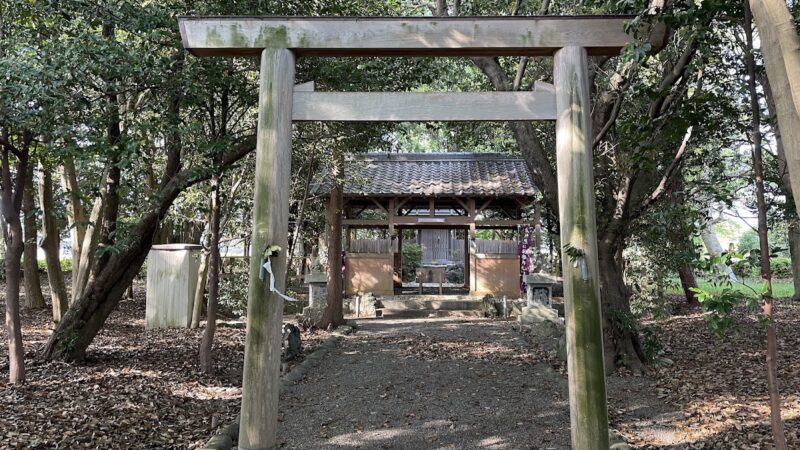
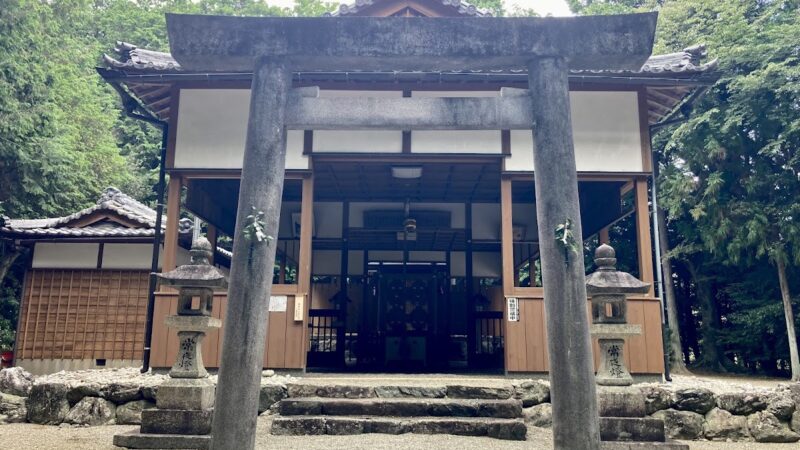
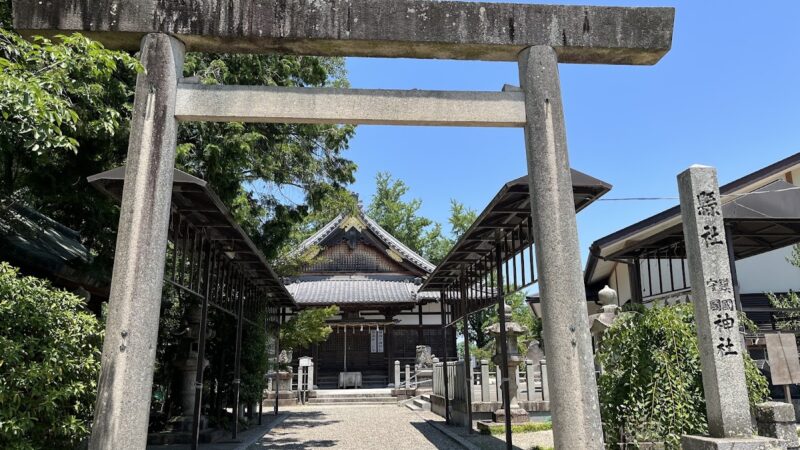
The sacred grounds of Akasuka Shinmei Shrine are quite extensive, with many magnificent shrine buildings. The worship hall is a sacred space designed to welcome worshippers and leads to the main hall, which enshrines Amaterasu Omikami.
Guardian Lion-Dog and Sacred Horse Statue
There are guardian lion-dogs on the shrine grounds that were dedicated in multiple eras. The guardian lion-dogs (komainu) dedicated in August 1931 (Showa 6) are in excellent condition, demonstrating the high level of stonemasonry skills of the time. Guardian lion-dogs dedicated during the Meiji era (1868-1989) also remain, allowing one to feel the layered history of the area.
The statue of a sacred horse, dedicated in July 1990 (Heisei 2), continues the tradition of dedicating horses to shrines.
Subsidiary Shrines
In addition to the main shrine, several subsidiary shrines (komainu) are enshrined within the grounds.
Ichimokuren Shrine (Betsugu)
A shrine dedicated to Ichimokuren-shin, known as the god of protection against water-related disasters, is enshrined here as a separate shrine (Betsugu). For Akasuka, which developed as a fishing town, the god of protection against water-related disasters was particularly important. Ichimokuren Shrine is also known as a subsidiary shrine of Tado Taisha (Tado-cho, Kuwana City, Mie Prefecture), and embodies the people of Akasuka’s wish for maritime safety.
Memorial Monuments and Commemorative Stones
There are important stone monuments within the grounds that tell the history of the region.
The Monument Commemorating Seiroku Moroto’s Waterworks Project honors the achievements of Seiroku Moroto, a businessman who contributed to the modernization of Kuwana. Seiroku Moroto dedicated himself to Kuwana’s waterworks project, making a significant contribution to improving the lives of its citizens.
Furthermore, a monument commemorating the circumstances surrounding the merger of Akasuka Village into Kuwana Town has also been erected, serving as a valuable resource for understanding the local administrative history.
Model of the Imperial Ship
A model of the Kuwana Domain’s imperial ship is enshrined on the temple grounds. The ship, used by the daimyo (feudal lord), was steered by sailors from Akasuka Village, and this valuable votive offering conveys their high level of skill and pride.
Ishidori Festival
Characteristics of the Ishidori Festival at Akasuka Shinmei Shrine
The “Ishidori Festival,” a festival of Akasuka Shinmei Shrine, is an important traditional event in Kuwana City. Normally, the Kuwana Ishitori Festival is held in early August, centered around Kasuga Shrine (Kuwana Sōsha). However, the Akasuka Shinmei Shrine’s Ishitori Festival is unique in that it is held during the old Obon festival in August.
This difference in timing stems from historical circumstances, as the two festivals are separated by the parish area of Chinkoku Shukoku Shrine, which was a samurai residence area during the Edo period.
The Magnificence of the Festival Floats
The festival floats (yashiki) of the Ishitori Festival are lacquered and adorned with gold, silver, and brass fittings. Furthermore, they are decorated with maki-e (gold lacquer) and carvings, showcasing the finest craftsmanship.
“Japan’s Noisiest Festival”
The Kuwana Ishitori Festival is known as “Japan’s Noisiest Festival,” with the sounds of gongs and drums echoing throughout the town. The Akasuka Shinmei Shrine’s Ishitori Festival is similarly lively, symbolizing the vitality and unity of the local people.
Goshuin (Shrine Seal) Information
Where to Obtain a Goshuin
The goshuin of Akasuka Shinmei Shrine can be obtained at Chinkoku Shukoku Shrine. Chinkoku Shukoku Shrine is located within walking distance of Akasuka Shinmei Shrine and is situated near the ruins of Kuwana Castle.
Features of the Goshuin
The goshuin features the name of Akasuka Shinmei Shrine written in ink and stamped with the shrine’s seal. Many visitors receive the goshuin as a memento of their visit and as proof of their faith.
Precautions When Visiting
When obtaining a goshuin, it is customary to first visit Akasuka Shinmei Shrine before proceeding to Chinkoku Shukoku Shrine. Bring your goshuin book and make your request politely.
Access
Location
1817-1 Akasuka, Kuwana City, Mie Prefecture 511-0033
TEL: 0594-23-0402
Access by Train
From JR/Kintetsu Kuwana Station
- Approximately 15 minutes on foot towards Nishi-Kuwana Station
- Located on the east side of Kuwana Castle Ruins
From Yoro Railway Nishi-Kuwana Station
- Approximately 10 minutes on foot
- Convenient as the nearest station
Access by Car
Tomeihan Expressway
- Approximately 10 minutes from Kuwana IC
- Proceed towards Kuwana city center and head towards Kuwana Castle Ruins
Isewangan Expressway
- Approximately 15 minutes from Wangan Kuwana IC
Parking
There is parking space for visitors on the temple grounds, but the number of spaces is limited. During festivals such as the Ishitori Festival, congestion is expected, so we recommend using public transportation.
Nearby Tourist Attractions
Kuwana Castle Ruins (Kyuka Park)
Approximately 5 minutes on foot. The site of the Kuwana Domain’s castle, now developed as a park.
Chinkoku Shukoku Shrine
Approximately 10 minutes on foot. A shrine dedicated to the ancestors of the Matsudaira family, the lords of the Kuwana Domain. You can also obtain the Goshuin (seal) of Akasuka Shinmei Shrine here.
Shichiri no Watashi Ruins
Approximately 15 minutes on foot. A historical site that tells the history of Kuwana, which flourished as a post town on the Tokaido road.
Rokkaen
Approximately 10 minutes by car. A magnificent facility with a Western-style building and Japanese garden designated as a National Important Cultural Property.
Tado Taisha Shrine
Approximately 20 minutes by car. The main shrine of Ichimokuren Shrine, famous for the “Ageuma Shinto Ritual.”
Points for Visiting a Shrine
Etiquette for Visiting a Shrine
The basic etiquette for visiting a shrine is “two bows, two claps, one bow.”
- Bow before passing through the torii gate.
- Cleanse your hands and mouth at the water basin.
- Offer your donation in front of the main hall.
- Bow deeply twice.
- Clap your hands twice.
- Bow deeply once.
Recommended Times to Visit
August (Obon Festival/Ishitori Festival)
During the Ishitori Festival, the most important festival of Akasuka Shinmei Shrine, festival floats parade through the town, creating a lively atmosphere.
New Year’s Visit
The shrine is also bustling with many local residents during the New Year. It’s the perfect time to pray for a safe year.
Quiet Weekdays
For those who want to stroll through the shrine grounds at a leisurely pace and feel the history, weekday mornings are recommended.
Cultural Significance of Akasuka Shinmei Shrine
A Bridge Connecting Mikawa and Ise Provinces
Akasuka Shinmei Shrine, having been relocated from Mikawa Province, symbolizes the cultural connection between Aichi and Mie Prefectures. The history of its development by Ichiba Shigeemon Hidetaka and his retainers tells the story of people’s migration and settlement in new lands during the Sengoku period.
Guardian Deity of Maritime Transportation
Since the time of the Shichiri no Watashi (Seven-Mile Crossing), Akasuka Shinmei Shrine has been revered as a guardian deity of maritime safety. Even today, worshippers visit to pray for safe travels and safe journeys.
Center of the Local Community
Festivals, including the Ishitori Festival, provide important opportunities for local people to gather and deepen their bonds. Akasuka Shinmei Shrine continues to play a central role in the local community, beyond being merely a place of worship.
Summary
Akasuka Shinmei Shrine (Kuwana City, Mie Prefecture) is a historic shrine with a history dating back to its relocation from Mikawa Province. Since its founding during the Eiroku era of the Muromachi period, it has long been revered by the local people as the tutelary deity of Akasuka, a fishing town, and as a guardian deity of maritime safety located at the gateway to Ise Province.
The Ishitori Festival, held annually during the Obon festival in August, is known for its magnificent floats and the lively sounds of gongs and drums, and is an important cultural heritage of Kuwana City. Within the shrine grounds, valuable cultural artifacts that tell the history of the region remain, such as a model of a royal boat and a monument commemorating Seiroku Moroto.
Visiting Akasuka Shinmei Shrine along with other historical sites in the surrounding area, such as the ruins of Kuwana Castle and the Shichiri-no-Watashi ferry crossing, will allow you to gain a deeper understanding of Kuwana’s history as a thriving post town on the Tokaido road. When visiting Ise Grand Shrine, be sure to also visit Akasuka Shinmei Shrine.
Akasuka Shinmei Shrine, where you can receive the blessings of Amaterasu Omikami and the benefits of maritime safety and traffic safety, is a must-see shrine when visiting Kuwana City, Mie Prefecture.