Sakusabe Shrine (Inage Ward, Chiba City, Chiba Prefecture) Complete Guide | History, Deities, Kagura, and Access Information
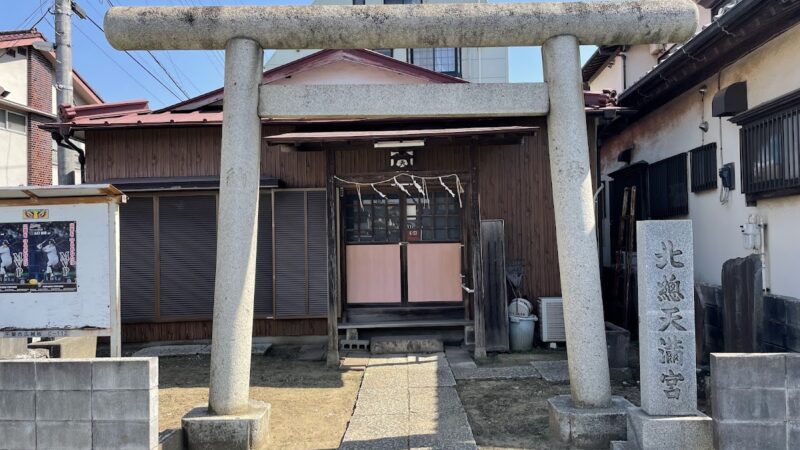
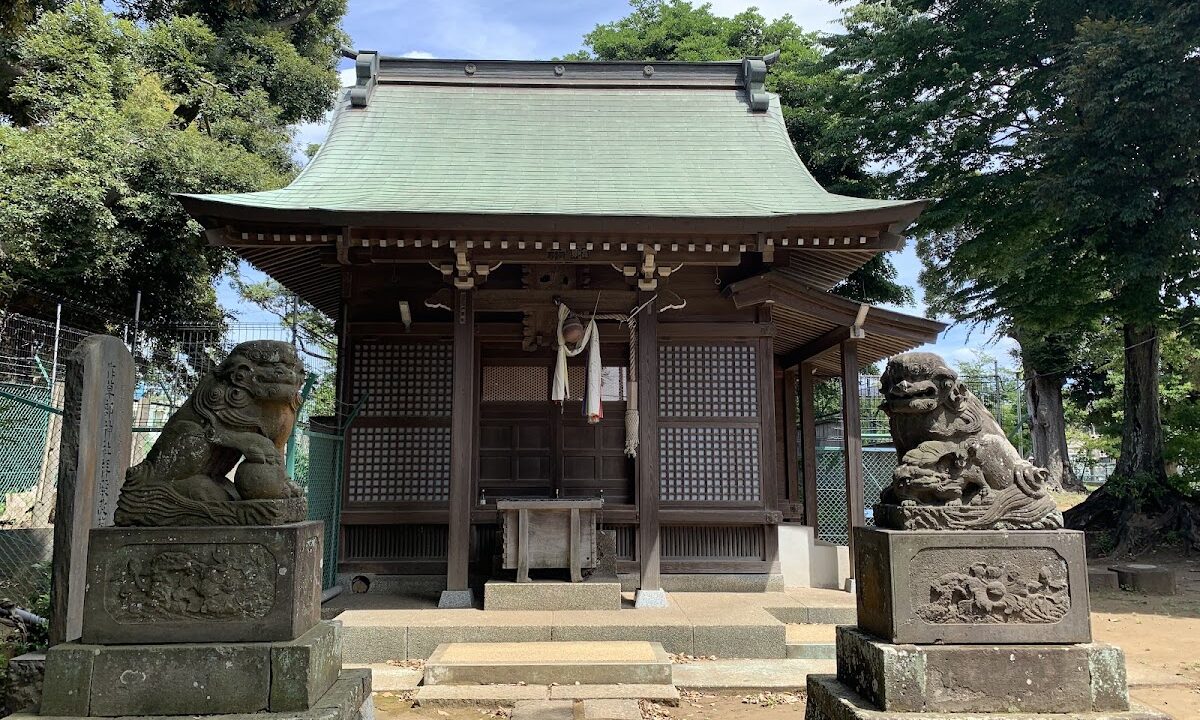
Sakusabe Shrine is a historic shrine located in Sakusabe, Inage Ward, Chiba City, Chiba Prefecture. Known as one of the “Three Guardian Deities of Chiba” dating back to the Edo period, it was formed in 1942 when two shrines merged to form its current location. It is a beloved and important shrine that preserves local traditional culture, including the Kagura, a city-designated intangible folk cultural property.
Basic Information about Sakusabe Shrine
Sakusabe Shrine, while located in a residential area of Inage Ward, Chiba City, possesses a tranquil atmosphere surrounded by tall trees. It is approximately a 6-10 minute walk from Sakusabe Station on the Chiba Urban Monorail and is a beloved center of faith for local residents.
Location and Access Information
Address: 1-32-3 Sakusabe, Inage-ku, Chiba City, Chiba Prefecture (Some sources also list Sakusabe-cho 781, 897; multiple address listings exist)
Nearest Station: Approximately 6-10 minutes on foot from Exit 2 of Sakusabe Station on the Chiba Urban Monorail Line 2
Access Method:
- From Sakusabe Station, turn at the intersection with Fujiya and proceed through the residential area; you will see the shrine’s grove.
- If coming by car, there are parking spaces nearby, but caution is advised as it is a residential area.
Map Information:
- Latitude/Longitude: 35.62860534, 140.11917086
- Map Code: 6 179 050*72
- Elevation: Approximately 19m
History and Origins of Sakusabe Shrine
The history of Sakusabe Shrine is unique, formed by the merger of two shrines. The current Sakusabe Shrine was formed in 1942 (Showa 17) by the merger of the unranked Dosojinja Shrine and the village shrine Sekisonjinja Shrine, both of which had been located in the area since the Edo period.
History of Dosojinja Shrine
The Dosojinja Shrine located in Sakusabe is officially said to have been founded by villagers in 1784 (Tenmei 4). However, since its name appears in a petition from 1669 (Kanbun 9), it is believed that it was actually already being worshipped in the early Edo period, around the mid-17th century.
This Dosojinja Shrine, along with the Nitta-cho Dosojinjin Shrine and the Chiba-dera-cho Dosojinjin Shrine, is known as the “Three Dosojin of Chiba” and was a particularly important center of Dosojin worship in the Chiba region. Dosojin were enshrined at village boundaries and crossroads, and were widely worshipped among ordinary people as deities that prevented epidemics and disasters from entering the village, and that presided over safe travels, matchmaking, and the prosperity of descendants.
History of Sekison Shrine
Sekison Shrine, on the other hand, was a shrine of high status as a village shrine. Sekison worship is a form of mountain worship centered around Oyama Afuri Shrine (Kanagawa Prefecture), and spread throughout the Kanto region as a faith for praying for rain and abundant harvests. It is believed that Sekison Shrine in Sakusabe also played an important role in the local community, which was centered on agriculture.
Merger and the Current Sakusabe Shrine
In 1942 (Showa 17), as part of the shrine reorganization policy under the wartime regime, Dosojin Shrine and Sekison Shrine merged, giving rise to the current Sakusabe Shrine. This merger unified the traditions and beliefs of both shrines, allowing it to become a shrine with broader divine virtues and take root in the region.
The shrine building is said to have been constructed in 1861 (Bunkyu 1), and there are records indicating that it was officially named Sakusabe Shrine in 1867 (Keio 3). While there are slight discrepancies in these dates depending on the source, it is certain that the current form was established during the late Edo period to the early Meiji period.
Deities and Divine Virtues
Sakusabe Shrine enshrines many deities, reflecting the history of its merger. Twelve deities are enshrined, including the main deity, each possessing different divine virtues.
Main Deities
Ōikazuchi-no-kami
Known as the god of thunder, this deity brings rain essential for agriculture. It is also believed to possess the power of protection against evil and purification.
Ōyamatsumi-no-kami
As the god of mountains, this deity is worshipped as the guardian of forests, mines, and sake brewing. Ōyamatsumi-no-kami is deeply connected to the Ishizon faith and is thought to be a deity originally enshrined at the former Ishizon Shrine.
Takaokami-no-kami
A dragon god who controls water, revered as a guardian deity of rain and water sources. In agricultural societies, water is lifeline, making faith in this god particularly important.
Izanagi-no-mikoto
A god of creation in Japanese mythology, considered the ancestor of all gods.
In addition to these gods, a total of twelve deities are enshrined, making Sakusabe Shrine a comprehensive shrine that fulfills diverse wishes, including agricultural prosperity, family safety, protection from evil, matchmaking, and safe travels.
Sakusabe Kagura – Chiba City Designated Intangible Folk Cultural Property
One of the most distinctive features of Sakusabe Shrine is the “Sakusabe Shrine Kagura,” designated as a Chiba City Designated Intangible Folk Cultural Property. This Kagura is unique, possessing theatrical characteristics that distinguish it from the other twelve Kagura performances in the city.
History and Characteristics of Kagura
Sakusabe, formerly known as Sakusabe Village in Shimosa Province, was a purely agricultural village centered on rice and wheat cultivation. Numerous events praying for a bountiful harvest were held, and this Kagura dance was passed down through these events along with the festival music.
The most distinctive feature of this Kagura is its form as a masked drama, where performers wear masks and dance lively to the accompaniment of Kagura music. This form, with its strong theatrical elements rather than being merely a Kagura dance, was a source of enjoyment for the villagers and an important cultural event that strengthened community bonds in an era with limited entertainment options.
Differences from Kagura in Chiba City
While several forms of Kagura are preserved in Chiba City, most are in the “Twelve-Seat Kagura” format. In contrast, the Kagura of Sakusabe Shrine stands apart from other Kagura in its strong theatrical elements and its story-driven masked drama format.
This uniqueness reflects the cultural distinctiveness of the Sakusabe region and is protected and preserved as an Intangible Folk Cultural Property of Chiba City.
Current Status of Preservation
The local preservation society continues to preserve the Kagura dance, which is performed at festivals and other events. However, due to the declining birthrate, aging population, and changes in lifestyles, securing successors is a challenge. Nevertheless, efforts to pass it on to the next generation continue as a source of local pride.
Highlights of the Shrine Grounds
Despite being located in a residential area of an urban center, the grounds of Sakusabe Shrine offer a tranquil space surrounded by abundant nature.
Shrine Building
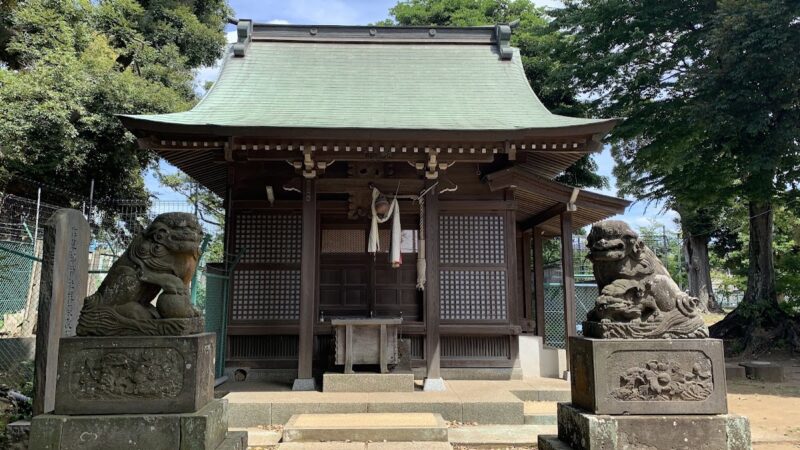
The shrine building, believed to have been constructed in 1861, is a valuable example of late Edo period architecture. Although not large in scale, it is carefully maintained as the center of local faith.
Trees on the Shrine Grounds
Numerous tall trees grow on the shrine grounds, forming a grove that is unexpected for the Nishi-Chiba area. These trees have grown alongside the history of the shrine, creating a valuable green space in an urban area. The shrine grounds, surrounded by trees, offer visitors tranquility and peace.
Shrines and Stone Monuments
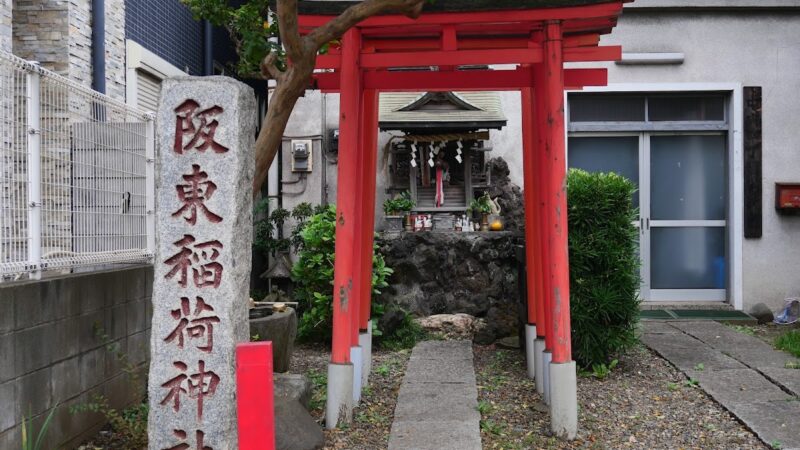
There is a possibility that stone monuments and shrines related to the former Dosojinja and Sekisonjinja remain, making them interesting relics that tell the story of the shrine’s complex history.
Annual Events and Festivals
Sakusabe Shrine holds various festivals throughout the year.
Grand Festival
The Grand Festival, held every autumn, is the largest festival in the Sakusabe area. Kagura (sacred dance and music) is sometimes performed during this festival, making it an important event where local residents gather together.
Other Annual Events
- New Year’s Day Festival (January 1st)
- Setsubun Festival (February)
- Summer Purification Ceremony (June)
- Autumn Grand Festival (September or October)
- Year-End Purification Ceremony (December)
These events serve as opportunities to preserve local traditions and deepen the bonds among residents.
History and Culture of the Sakusabe Area
To understand Sakusabe Shrine, it is important to know the history of the Sakusabe area.
Origin of the Place Name
The place name “Sakusabe” is thought to originate from the ancient “be” system (a system of group groups). “Be” refers to a group with a specific occupation, and “Sakusabe” may have been an area inhabited by a group that produced and managed grass for fodder and roofing materials.
Sakusabe as an Agricultural Village
From the Edo period to the early Showa period, Sakusabe was a purely agricultural village centered on rice and wheat. Located on a corner of the Shimousa Plateau, it was developed as land suitable for agriculture. The numerous events praying for a bountiful harvest indicate the region’s high dependence on agriculture.
Urbanization and the Present
After the war, particularly during the period of rapid economic growth, Sakusabe developed as a residential area alongside the urbanization of Chiba City. The opening of the Chiba Urban Monorail improved transportation access, and today, many people live in this suburban residential area.
However, Sakusabe Shrine and its Kagura (sacred dance) are carefully preserved amidst urbanization as valuable cultural heritage that conveys the memories and traditions of the former rural era.
Nearby Shrines and Temples
When visiting Sakusabe Shrine, it is also recommended to visit the surrounding shrines and temples.
Chiba Shrine
Located in Chuo Ward, Chiba City, Chiba Shrine is known as a central shrine of Myoken worship and is an important shrine that enshrines the guardian deity of the Chiba clan. It is approximately a 15-minute drive from Sakusabe Shrine.
Kemigawa Shrine
Located in Hanamigawa Ward, Chiba City, Kemigawa Shrine is a historical shrine mentioned in the “Chiba Prefecture Chiba County History” and is revered as the guardian shrine of the region.
Inage Asama Shrine
Located in Inage Ward, Chiba City, Inage Asama Shrine is a shrine of Asama worship based on the worship of Mount Fuji, and is widely worshipped as a deity of safe childbirth and child-rearing.
These shrines each have different histories and characteristics, forming a rich religious culture in Chiba City.
Etiquette and Manners for Visiting Shrines
When visiting Sakusabe Shrine, please observe basic shrine worship etiquette.
Basic Etiquette for Visiting a Shrine
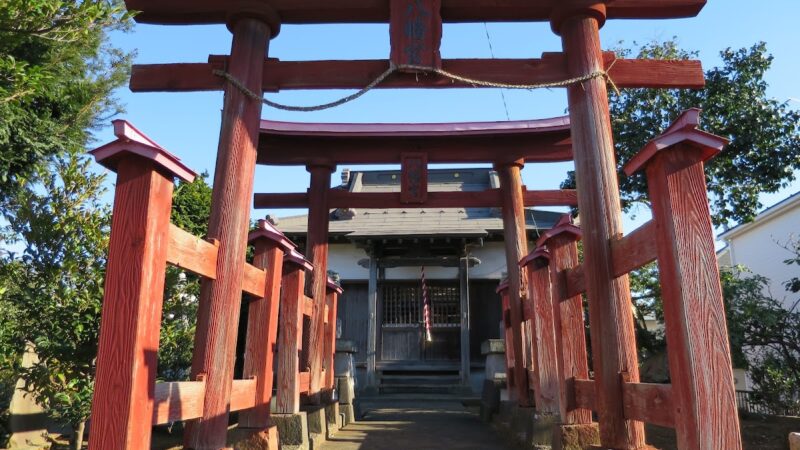
- Bow Before Passing Through the Torii Gate: As a sign of respect when entering the sacred area, bow before the torii gate.
- Walking Along the Path: The center of the path is considered the path of the gods, so it is polite to walk along the sides.
- Watering Procedure: If there is a watering basin, cleanse your left hand, then your right hand, then your mouth.
- Worship at the Main Hall: The basic procedure is two bows, two claps, and one bow.
- Bow deeply twice.
- Clap your hands twice.
- Recite your wish silently.
- Finally, bow deeply once.
Photography Etiquette
Photography is generally permitted on the shrine grounds, but please note the following:
- Do not take photos in areas where photography is prohibited, such as inside the main hall.
- Be considerate of other worshippers.
- Remember that this is a sacred place and take photos with respect.
Information on Goshuin (Shrine Seals) and Amulets
Regarding goshuin and amulets at Sakusabe Shrine, there may not be a permanent shrine office. Some sources state that they are not available at Sakusabe Shrine, so if you wish to obtain a goshuin, it is recommended to check in advance.
Smaller shrines may have their goshuin handled by another nearby shrine, or may only be available during festivals.
The Charm and Significance of Visiting Sakusabe Shrine
Sakusabe Shrine is not a large-scale tourist shrine, but that is precisely why it is worth visiting.
Cultural Heritage that Conveys Local History
With its history as one of the “Three Dosojin Shrines of Chiba” dating back to the Edo period, its Kagura (sacred dance) designated as a city-designated intangible folk cultural property, and its history of the region’s transformation from rural to urban, Sakusabe Shrine is an important place for understanding the history of Chiba City.
A Tranquil Space in the City
Located in the urbanized Inage Ward, the shrine grounds, surrounded by lush trees, offer a precious space to escape the hustle and bustle of everyday life and find peace of mind.
A Tranquil Space in the City ### Preserving Living Traditional Culture
One of the charms of Sakusabe Shrine is the opportunity to experience traditional culture that has been preserved by the local people, such as through the transmission of Kagura (sacred dance).
Summary
Sakusabe Shrine is a historic shrine located in Inage Ward, Chiba City, Chiba Prefecture, with a history dating back to the Edo period. As one of the “Three Dosojin Shrines of Chiba” and as a shrine that preserves Kagura, a city-designated intangible folk cultural property, it is at the core of the region’s cultural identity.
The current Sakusabe Shrine, which was formed in 1942 through the merger of Dosojin Shrine and Sekison Shrine, enshrines twelve deities and continues to attract the faith of local residents as a comprehensive shrine that responds to diverse wishes.
Even amidst increasing urbanization, the tranquil grounds surrounded by lush forests provide peace to visitors and convey the traditions and history that have continued since the days of rural life. Conveniently located within walking distance of Sakusabe Station on the Chiba Urban Monorail, Sakusabe Shrine remains a beloved sanctuary for many, offering a tranquil escape from the hustle and bustle of the city.
When visiting Chiba City, be sure to stop by Sakusabe Shrine and experience its peaceful atmosphere and rich history.