Unshinji Temple (Aichi Prefecture) Complete Guide | A Thorough Explanation of Nagoya’s Three Great Buddhas, History, and Highlights
Unshinji Temple, located in Otogashira-cho, Atsuta-ku, Nagoya City, Aichi Prefecture, is a Jodo-shu Chinzei-ha temple whose principal image is an Amida Buddha statue, one of Nagoya’s three great Buddhas. Founded in 1739 during the mid-Edo period, it has attracted the faith of local people for over 280 years.
This article comprehensively explains everything you need to know before visiting Unshinji Temple, from its history and highlights to access methods and points to consider when visiting.
Basic Information about Unshinji Temple
Official Name: Kengozan Jodoin Unshinji Temple
Sect: Jodo-shu Chinzei-ha (Pure Land Sect Chinzei Branch)
Principal Image: Amida Buddha Statue (One of Nagoya’s Three Great Buddhas)
Address: 3-19 Otomachi, Atsuta-ku, Nagoya City, Aichi Prefecture 456-0017
Phone Number: 052-671-3570
Year of Founding: Genbun 4 (1739)
Founder: Kondo Takebei
Unshinji Temple is conveniently located about a 3-minute walk from Nishitakakura Station on the Nagoya Municipal Subway Meijo Line, and is known as a temple that maintains a tranquil atmosphere despite being in an urban area.
History of Unshinji Temple
Circumstances of Founding and Founder
The history of Unshinji Temple dates back to Genbun 4 (1739) in the mid-Edo period. Kondo Takebei, the founder of Unshinji Temple, became a monk and mountain ascetic after the grief of losing a loved one.
He welcomed monks he met during his training and founded the temple in what is now Otogashira-cho, Atsuta-ku. This is considered the beginning of Unshinji Temple. From the start, it developed as a temple based on the teachings of the Jodo sect, with faith centered on Amida Buddha.
From the Edo Period to the Present
Since its founding, Unshinji Temple has been a center of faith for the people of Nagoya as a Jodo sect temple. In particular, the principal image, a statue of Amida Buddha, is counted as one of the “Three Great Buddhas of Nagoya” due to its majestic appearance, attracting many worshippers.
It survived the anti-Buddhist movement after the Meiji Restoration, and although the surrounding area was damaged by the Nagoya air raids during World War II, fortunately, the principal image and other important Buddhist statues were saved.
After the post-war reconstruction period, the temple now operates in a modern manner while preserving its traditions, offering services such as perpetual memorial services and various Buddhist ceremonies that meet the needs of the times.
What are the Three Great Buddhas of Nagoya?
The Three Great Buddhas of Nagoya refer to three large Buddha statues enshrined within Nagoya City. The Amida Buddha statue at Unshinji Temple is one of them, and together with the other two, it symbolizes Nagoya’s Buddhist culture.
The three Great Buddhas are enshrined in different temples, and the “Three Great Buddhas Pilgrimage,” visiting each temple, is a popular Buddhist pilgrimage in Nagoya. The Amida Buddha statue at Unshinji Temple is particularly known for its beautiful form and serene expression, impressing many visitors.
Highlights of the Temple Grounds
Main Image: Amida Buddha Statue
The greatest highlight of Unshinji Temple is the Amida Buddha statue enshrined in the main hall. This Buddha statue, considered one of Nagoya’s three great Buddhas, is a majestic figure exceeding 2 meters in height, characterized by its dazzling golden appearance.
Amida Buddha is the principal deity of the Jodo sect, and is worshipped as the Buddha who guides people to the Pure Land by chanting “Namu Amida Butsu.” The Amida Buddha statue at Unshinji Temple is renowned for its compassionate expression and exquisite craftsmanship, and is considered an outstanding example of Edo period Buddhist sculpture.
Inside the main hall, visitors can admire this Amida Buddha statue up close, directly experiencing its power and beauty.
Temple Gate
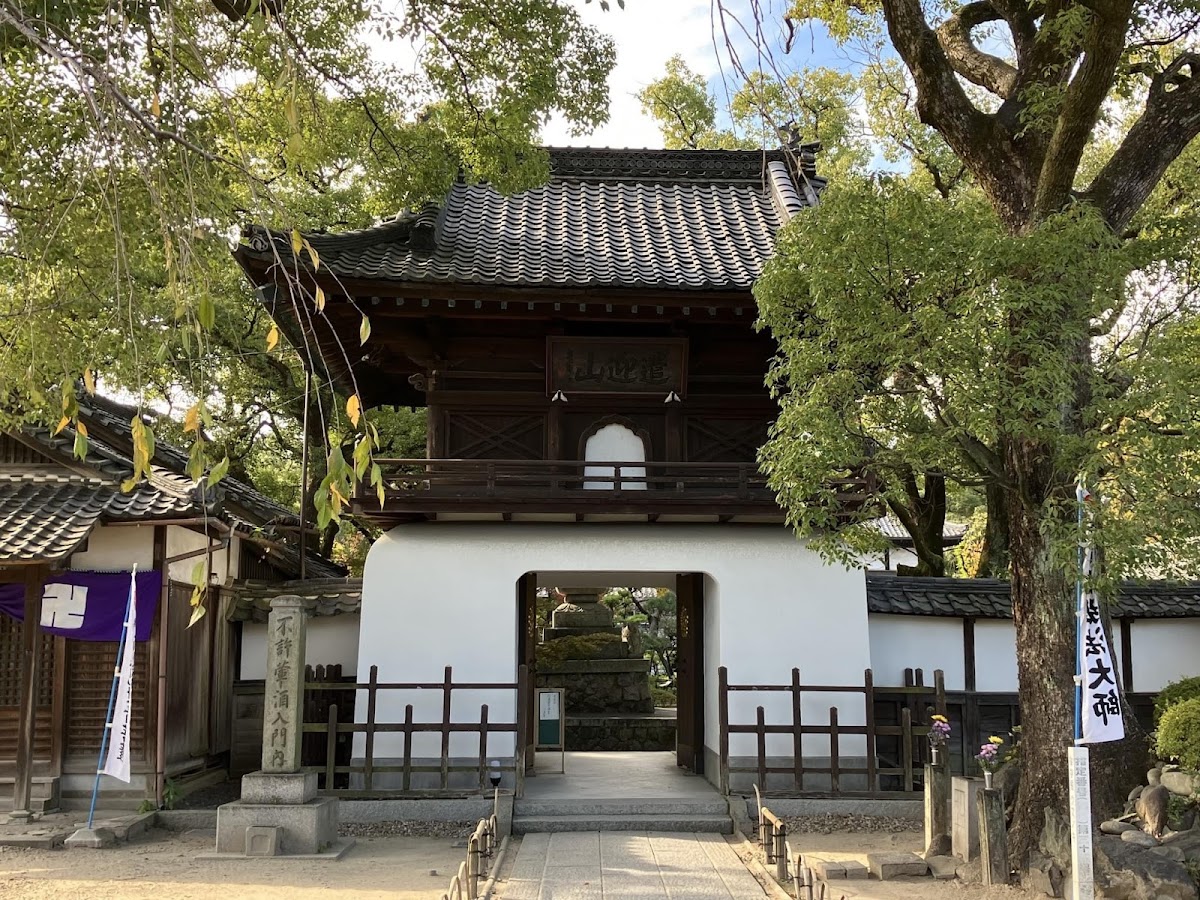
The temple gate, the entrance to Unshinji Temple, is a magnificent gate that maintains the style of traditional temple architecture. Passing through the gate leads you to a quiet temple grounds, far removed from the hustle and bustle of the city.
The structure and decoration of the gate exhibit characteristics of Edo period temple architecture, giving it a historical feel. When visiting the temple, it is customary to bow at the main gate before entering the grounds.
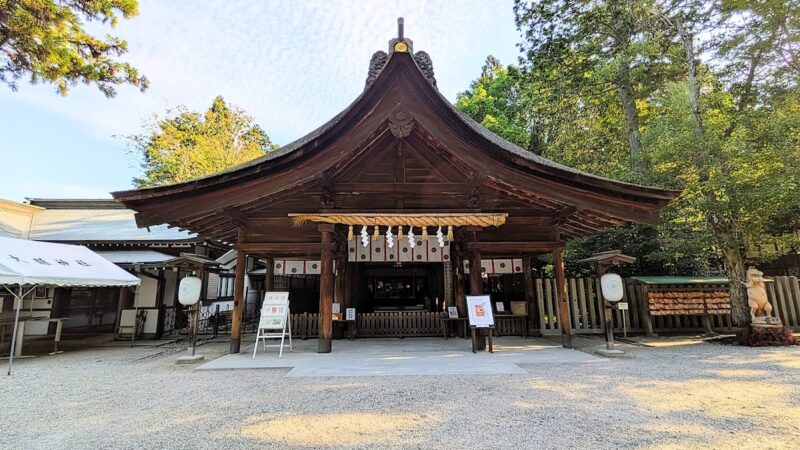
Main Hall
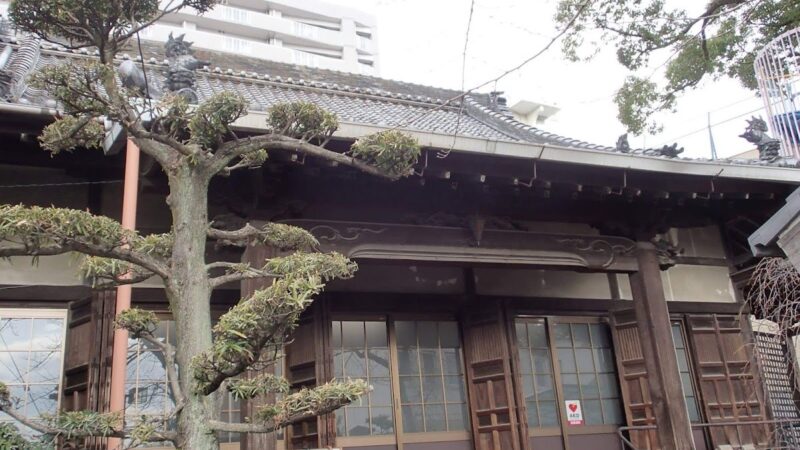
The main hall is the central building of Unshinji Temple, and houses the principal image, a statue of Amida Buddha. The hall is enveloped in a solemn atmosphere, allowing visitors to quietly offer their prayers.
Regular Buddhist services and sermons are held in the main hall, providing opportunities to learn about the teachings of the Jodo sect. The building itself is well-maintained, preserving the beauty of traditional temple architecture.
Other Buddhist Statues and Cultural Assets
In addition to the principal image of Amida Buddha, Unshinji Temple houses several other Buddhist statues. These statues are valuable cultural assets that tell the story of faith from the Edo period to the present day.
The temple grounds also contain the graves of successive chief priests and the family cemetery, demonstrating the temple’s deep connection to the local history.
Atmosphere of the Temple Grounds
Despite being located in an urban area, Unshinji Temple maintains a tranquil atmosphere. The well-maintained landscaping and stone-paved approach to the shrine create a peaceful atmosphere for visitors.
Especially during the cherry blossom season in spring and the autumn foliage season, the shrine grounds are beautifully colored, allowing visitors to experience the changing seasons while praying.
Access
Access by Train
From Nishitakakura Station on the Nagoya Municipal Subway Meijo Line
- Approximately 3 minutes on foot from Exit 2
- This is the most convenient access method.
From Kanayama Station on the JR Tokaido Main Line
- Approximately 15 minutes on foot
- Also within walking distance from Kanayama Station.
Access by Bus
If using Nagoya Municipal Buses, the shrine is a few minutes’ walk from the nearest bus stop. However, using the subway is the most convenient option.
Access by Car
From the Nagoya Expressway
- Approximately 5 minutes from the “Rokuban-Minami Exit” of the Nagoya Expressway
- Approximately 5 minutes from the “Yobitsugi Exit”
Parking
- There is parking space for visitors on the temple grounds, but the number of spaces is limited, so we recommend using public transportation.
- There are also coin-operated parking lots nearby.
Distance from Major Nearby Spots
- Atsuta Jingu Shrine: Approximately 1.5 km (approximately 20 minutes on foot)
- Nagoya Station: Approximately 4 km (approximately 15 minutes by subway)
- Kanayama Station: Approximately 1 km (approximately 15 minutes on foot)
A popular route is to visit both Atsuta Jingu Shrine and Unshinji Temple.
Points to Note When Visiting
Visiting Hours
Visiting Unshinji Temple is generally possible during daytime hours. We recommend contacting the temple in advance for specific visiting hours.
Hours may change during memorial services and events, so prior confirmation is necessary if visiting on a special day.
Temple Visiting Etiquette
Basic Temple Visiting Procedures
- Bow at the temple gate before entering the grounds.
- If there is a water basin, purify your hands.
- Quietly join your hands in prayer and bow in front of the main hall.
- Be quiet within the temple grounds and avoid disturbing other visitors.
- Photography is only permitted in designated areas.
Dress Code
- There are no specific dress code requirements, but clean and subdued attire appropriate for a temple is preferred.
- Avoid revealing clothing.
About Goshuin (Temple Seals)
Goshuin (temple seals) are available at Unshinji Temple. If you wish to receive a goshuin, please bring your goshuincho (seal book) and request it at the temple office.
Please understand that goshuin are proof of your visit, not a stamp rally, and treat them with respect.
Main Events Held at Unshinji Temple
Annual Events
As a Jodo sect temple, Unshinji Temple holds various Buddhist services and events throughout the year.
Main Annual Events
- New Year’s Day Visit
- Spring Equinox Memorial Service
- Obon Memorial Service
- Autumn Equinox Memorial Service
- New Year’s Eve Bell Ringing
General visitors may be able to participate in these events. Please contact the temple directly for details.
Dharma Talks
Regular Dharma talks are held, providing opportunities to learn about the teachings of the Jodo sect and Buddhist wisdom. The content is accessible even for beginners.
Perpetual Memorial Services and Cemeteries
Perpetual Memorial Services
Unshinji Temple offers perpetual memorial services tailored to modern needs. For those facing difficulties in inheriting graves due to declining birth rates and nuclear families, perpetual memorial services, where the temple takes responsibility for continuing memorial services, are a popular choice.
Features of Perpetual Memorial Services
- Peace of mind even without successors
- The temple will perform memorial services indefinitely
- May accept all denominations
For detailed costs and conditions, please contact the temple directly.
Cemetery and Columbarium
Unshinji Temple has a cemetery and accepts new plot users. Its convenient access as an urban temple cemetery is a major attraction.
It also has a fully equipped columbarium, accommodating various forms of memorial services.
Tourist Attractions Around Unshinji Temple
Atsuta Shrine
Located about a 20-minute walk from Unshinji Temple, Atsuta Shrine is a historic shrine dedicated to the Kusanagi-no-Tsurugi, one of the Three Sacred Treasures of Japan. Visiting both Unshinji Temple and Atsuta Shrine is a popular route.
Shiratori Garden
A Japanese garden located in Atsuta Ward, offering beautiful scenery throughout the seasons. It’s about a 10-minute drive from Unshinji Temple.
Nagoya International Conference Center (Shiratori Hall)
A facility hosting international events and concerts, located near Unshinji Temple.
Media Coverage
Unshinji Temple has been featured in various media outlets, including television and magazines, due to its historical value and the beauty of its Amida Buddha statue, one of Nagoya’s three great Buddha statues. Unshinji Temple is often featured in programs that convey local history and culture, as well as in special features on temple tours, leading to an increase in visitors.
Summary of Unshinji Temple’s Charms
Unshinji Temple is a venerable Jodo sect temple with a history of over 280 years, despite being located in the urban area of Atsuta Ward, Nagoya City. Its Amida Buddha statue, one of Nagoya’s three great Buddhas, continues to captivate many visitors with its beauty and grandeur.
Main Charms of Unshinji Temple
- The beautiful Amida Buddha statue, one of Nagoya’s three great Buddhas
- History and tradition dating back to the Edo period
- Quiet and peaceful temple grounds despite being in an urban area
- Excellent access, just a 3-minute walk from the subway station
- Activities such as Dharma talks where you can learn the teachings of the Jodo sect
- Services such as perpetual memorial services that meet modern needs
Unshinji Temple is a must-see spot for history buffs, those interested in Buddhist statues, those seeking a quiet and peaceful place, and those who want to explore Nagoya’s cultural heritage. ## Pre-Visit Checklist
Before visiting Unshinji Temple, please check the following points for a smoother experience:
- Opening Hours: We recommend checking by phone in advance.
- Event Schedule: There may be times when the temple is closed for religious services, etc.
- Parking: Parking is limited, so using public transportation is recommended.
- Goshuin (Temple Stamp): Please bring your own goshuincho (stamp book).
- Photography: Please refrain from taking photos outside of designated areas.
Conclusion
Unshinji Temple is a valuable temple that conveys the history and Buddhist culture of Nagoya to the present day. The beauty of the Amida Buddha statue, one of Nagoya’s three great Buddhas, is well worth seeing.
Despite being in an urban area, the temple grounds are quiet, allowing you to escape the hustle and bustle of everyday life and spend time calming your mind. Visiting it in conjunction with Atsuta Shrine will allow you to gain a deeper understanding of Nagoya’s religious culture.
Unshinji Temple is a valuable temple that conveys the history and Buddhist culture of Nagoya to the present day. When you visit Nagoya, be sure to stop by Unshinji Temple and experience the atmosphere of this temple with over 280 years of history, and admire its beautiful Amida Buddha statue.
Contact Information
Kenkozan Jodoin Unshinji Temple
3-19 Otomachi, Atsuta-ku, Nagoya City, Aichi Prefecture 456-0017, Japan
TEL: 052-671-3570