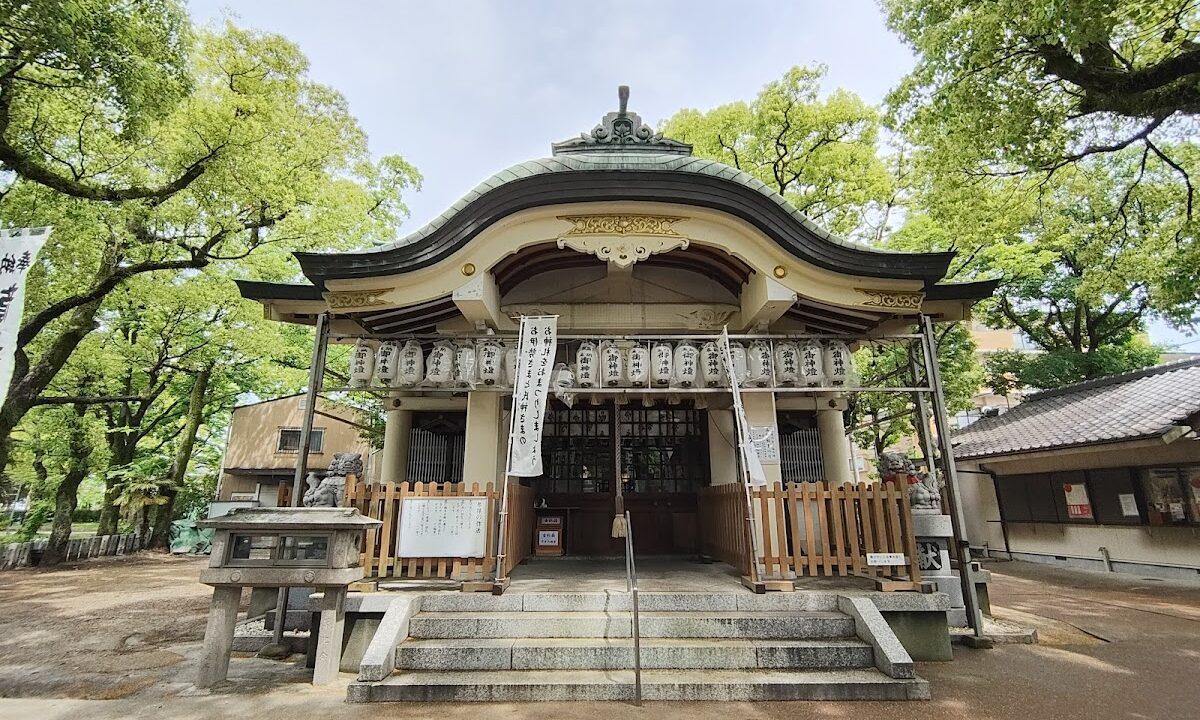
Complete Guide to Shimonaka Hachimangu Shrine (Nagoya City, Aichi Prefecture) | History and Goshuin Information Related to Toyotomi Hideyoshi
Shimonaka Hachimangu Shrine, located in Nakamura Ward, Nagoya City, Aichi Prefecture, is a historically significant shrine known for its connection to Toyotomi Hideyoshi. Easily accessible from Nakamura Park Station, it boasts a subsidiary shrine, Hinomiya Shrine, where Hideyoshi’s mother, Omandokoro, is said to have prayed daily for the birth of a son. Many visitors come to this shrine, which evokes the historical romance of the Sengoku period. This article provides detailed information useful for your visit, including the history of Shimonaka Hachimangu Shrine, its goshuin (seal), highlights within the grounds, and access methods.
Basic Information on Shimonaka Hachimangu Shrine
Shimonaka Hachimangu Shrine is located at 1-1 Oshikida-cho, Nakamura Ward, Nagoya City, Aichi Prefecture. Its former shrine rank was designated village shrine, tenth grade, and it has long been a center of community faith.
Location: 1-1 Oshikida-cho, Nakamura-ku, Nagoya City, Aichi Prefecture 453-0833
Phone Number: 052-481-0420
Nearest Station: Approximately 7 minutes on foot from Exit 5 of Nakamura-Koen Station on the Nagoya Municipal Subway Higashiyama Line
Corporate Number: 8180005000078
Located in a prime location within walking distance of Nakamura-Koen Station, the shrine is surrounded by historical sites such as the birthplace of Toyotomi Hideyoshi and Nakamura Park. It is a popular shrine for both locals and tourists, easily accessible during Nagoya sightseeing.
History and Origins of Shimonaka Hachimangu Shrine
Circumstances of Founding
Shimonaka Hachimangu Shrine is said to have been founded in the first year of the Hogen era (1156). It is believed that Minamoto no Tametomo was involved in its founding, making it an ancient shrine with a historical background from the late Heian period. Minamoto no Tametomo was a warrior of the Minamoto clan who played an active role in the Hogen Rebellion, and his bravery has been passed down through generations.
Establishment and Restoration by Kato Kiyomasa
From the Sengoku period to the early Edo period, Shimonaka Hachimangu Shrine underwent a significant turning point. It is counted as one of the three Hachiman shrines established in Nakamura by Kato Kiyomasa, and was restored in 1643. Kato Kiyomasa was a warrior known as a retainer of Toyotomi Hideyoshi, and his development of the shrine in the Nakamura area, Hideyoshi’s birthplace, is considered a sign of respect for Hideyoshi.
Deep Connection with Toyotomi Hideyoshi
Shimonaka Hachimangu Shrine is particularly noteworthy for being considered the tutelary shrine of Toyotomi Hideyoshi. Hideyoshi was from Nakamura in Owari Province (present-day Nakamura Ward, Nagoya City), and the shrines in this area have deep connections to Hideyoshi’s family.
Of particular note is its relationship with the Hinomiya Shrine, an auxiliary shrine located outside the main shrine grounds. At Hinomiya Shrine, there is a legend that Hideyoshi’s mother, Omandokoro (Naka), visited the shrine daily, praying for the birth of a son. The story that her fervent prayers resulted in the birth of Toyotomi Hideyoshi, who would later become the ruler of Japan, has been cherished and passed down through generations of local people.
Legend of Hideyoshi’s Return from the Siege of Odawara
In 1590, Toyotomi Hideyoshi successfully conquered Odawara, achieving the unification of Japan. Legend says that on his return journey, Hideyoshi visited his hometown of Nakamura and generously entertained the local temples and shrines. This event is recounted as demonstrating Hideyoshi’s unwavering love for his hometown and his desire to repay the kindness of the local people.
The area around Shimonaka Hachimangu Shrine is dotted with temples and shrines associated with Hideyoshi, making it an attractive area for historical walks.
Deities and Divine Virtues
The deities enshrined at Shimonaka Hachimangu Shrine are the following two:
Homudawake-no-Mikoto: This deity is the deification of Emperor Ojin, the 15th emperor of Japan, and is worshipped nationwide as Hachiman-sama. He is known as the god of military fortune, victory in competitions, and career advancement.
Okinagatarashihime-no-Mikoto: This refers to Empress Jingu, the mother of Emperor Ojin. She is worshipped as the goddess of safe childbirth, child-rearing, and protection against evil.
Based on these enshrined deities, Shimonaka Hachimangu Shrine is believed to possess the following divine virtues:
- Good Fortune in Competitions and Career Advancement: Many visitors come to pray for success and advancement, inspired by Toyotomi Hideyoshi’s rise to power.
- Safe Childbirth and Child-Rearing: Due to its connection with Hinomiya Shrine, where Omasa-dokoro prayed for the birth of a son, many visitors come seeking blessings for safe childbirth and child-rearing.
- Prayers for Long-Lasting Military Fortune and Victory: As a symbol of Hachiman’s divine virtue, people visit to pray for success in competitions such as sports and examinations.
- Family Safety and Protection from Evil: As the local guardian deity, it is worshipped as a god that protects the safety and happiness of daily life.
Highlights and Cultural Assets within the Shrine Grounds
Main Hall and Worship Hall
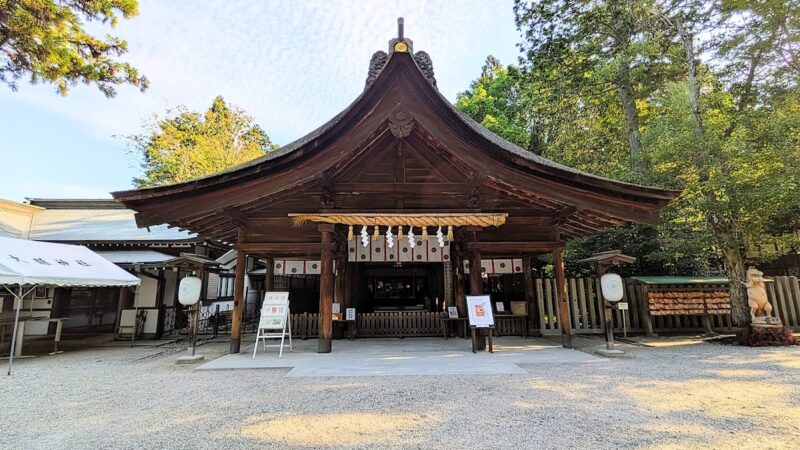
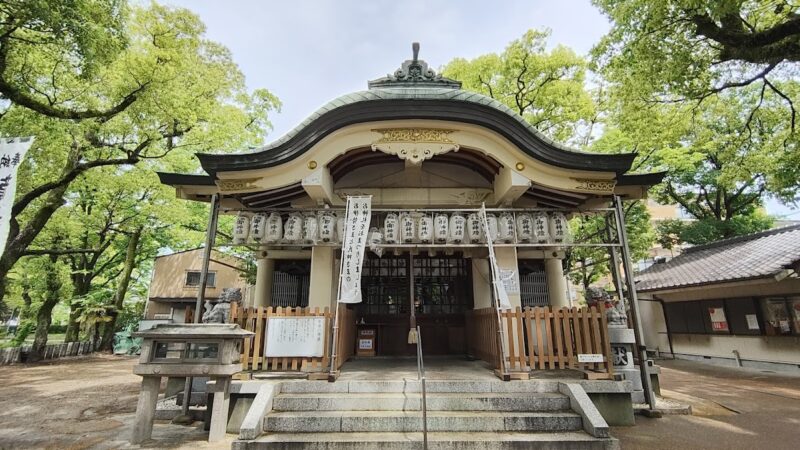
The main hall of Shimonaka Hachimangu Shrine is an architectural structure that preserves the style from its reconstruction during the Edo period. The worship hall has a solemn atmosphere that welcomes visitors, allowing for a peaceful and calming space for worship. Despite being located in an urban area, the shrine grounds are lush with greenery, offering an environment where one can experience the beauty of nature throughout the seasons.
Hinomiya Shrine (Outlying Shrine)
Hinomiya Shrine, an outlying shrine of Shimonaka Hachimangu Shrine, is known for the legend that Toyotomi Hideyoshi’s mother, Omandokoro, visited it daily to pray for the birth of a son. Although this shrine is located a short distance from Shimonaka Hachimangu Shrine, it attracts many visitors due to its connection to Hideyoshi.
Visiting Hinomiya Shrine in conjunction with Shimonaka Hachimangu Shrine will allow you to more deeply experience the story of Toyotomi Hideyoshi and his mother, Omandokoro. It is especially recommended for those praying for safe childbirth or fertility.
Komainu (Guardian Dogs) and Stone Monuments
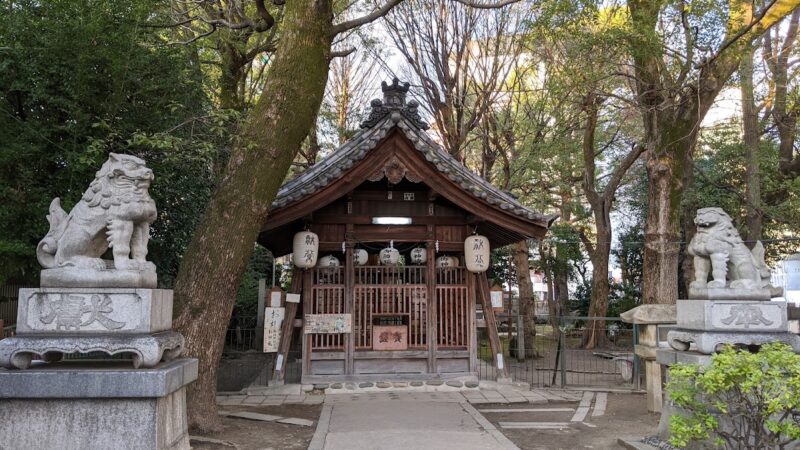
The shrine grounds are dotted with historical komainu (guardian dogs) and stone monuments, each bearing the marks of its time. These cultural artifacts are evidence of the shrine’s long history of attracting local faith and are well worth observing.
Atmosphere of the Shrine Grounds
Despite being located in the urban area of Nagoya City, Shimonaka Hachimangu Shrine maintains a quiet and peaceful atmosphere. Visitors can escape the hustle and bustle of everyday life and find time to compose themselves. The trees on the grounds change their appearance with the seasons; the fresh greenery in spring and the vibrant autumn leaves delight visitors.
Goshuin (Shrine Seals) and Gifts
About Goshuin
Shimonaka Hachimangu Shrine offers goshuin (shrine seals). Many visitors receive goshuin as proof of their visit and as a way to forge a connection with the shrine. The goshuin includes the shrine’s name and the date of visit, and is inscribed with calligraphy and a red seal by a Shinto priest.
When receiving a goshuin, it is customary to first complete your prayers at the main hall before requesting one at the shrine office. Bringing your own goshuin book is common, but pre-printed goshuin may also be available.
In recent years, special goshuin (temple/shrine stamps) have been distributed through collaborations with JR Central and other projects, leading to an increase in visitors seeking these limited-edition stamps. It is recommended to check official shrine information and visitor posts for information on the distribution of special goshuin.
Goshuincho (Stamp Book)
To confirm whether Shimonaka Hachimangu Shrine offers its own original goshuincho, it is best to inquire directly with the shrine. Those visiting shrines throughout Aichi Prefecture may find their visits more memorable if they have a goshuincho with a design related to the region.
Other Items Offered
Besides goshuin, the shrine offers other items such as amulets and ema (votive tablets). Amulets are available for various wishes, including career advancement, safe childbirth, and academic success. The career advancement amulet, inspired by Toyotomi Hideyoshi, is particularly popular among those seeking success in their careers.
For details on items and distribution times, please inquire during the shrine office’s opening hours.
Access and Surrounding Information
Access by Public Transportation
By Train
- Approximately 7 minutes on foot from Exit 5 of Nakamura-Koen Station on the Nagoya Municipal Subway Higashiyama Line
- From Nagoya Station, it takes about 10 minutes on the Higashiyama Line to reach Nakamura-Koen Station.
The path from Nakamura-Koen Station to Shimonaka Hachimangu Shrine is a quiet route through a residential area. To get there, head northwest from the station; using signs and map apps will help you find your way without getting lost.
By Bus
- If using Nagoya Municipal Buses, the shrine is accessible on foot from the nearest bus stop.
- Please check the Nagoya City Transportation Bureau website for detailed bus routes.
Access by Car
If using the Nagoya Expressway, you can access the shrine via local roads from the nearest exit. However, it is recommended to check in advance whether there is a dedicated parking lot on the shrine grounds. There are coin-operated parking lots nearby, but spaces are limited, so using public transportation is more convenient.
Nearby Tourist Attractions
Numerous historical sites associated with Toyotomi Hideyoshi exist around Shimonaka Hachimangu Shrine.
Nakamura Park: A park developed as the birthplace of Toyotomi Hideyoshi, featuring a statue and monument to him. It’s within walking distance of Shimonaka Hachimangu Shrine.
Toyokuni Shrine (Nakamura Ward): A shrine dedicated to Toyotomi Hideyoshi, known for its blessings of career advancement and good fortune.
Josenji Temple: A temple believed to house the grave of Hideyoshi’s father, Kinoshita Yaemon.
Hinomiya Shrine: An auxiliary shrine outside the grounds of Shimonaka Hachimangu Shrine, where Hideyoshi’s wife prayed for the birth of a son.
A “Hideyoshi-related site tour” visiting these spots is especially recommended for history buffs. You can spend half a day to a full day thoroughly experiencing the history of the Nakamura area.
Information on the Surrounding Area
Nakamura Ward is located west of Nagoya Station and, while being an urban area, retains a historical atmosphere. There are plenty of restaurants and cafes, so you can enjoy a meal or a break before or after your visit.
Manners and Etiquette for Visiting a Shrine
When visiting a shrine, please observe the following basic manners.
How to Pass Through a Torii Gate
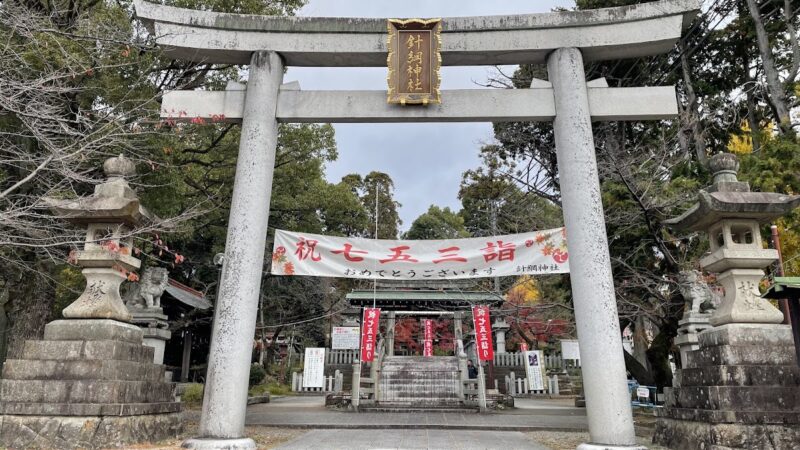
The torii gate is the entrance to the sacred area. Bow before passing through the torii gate to show respect. Since the center of the path is considered the path of the gods, it is polite to walk along the side.
How to Purify Yourself at the Water Basin
- Take the ladle with your right hand and purify your left hand.
- Switch the ladle to your left hand and purify your right hand.
- Take the ladle again with your right hand, receive water in your left hand, and rinse your mouth (do not put your mouth directly on the ladle).
- Purify your left hand once more.
- Hold the ladle upright, purify the handle with the remaining water, and return it to its original position.
How to Worship at the Main Hall
- Gently place your offering in the offering box.
- If there is a bell, ring it.
- Bow twice (bowing deeply twice).
- Clap your hands twice.
- Pray sincerely.
- Bow once (bowing deeply once).
This “two bows, two claps, one bow” is the basic etiquette for visiting a shrine.
Regarding Photography
Photography is generally permitted within the shrine grounds, but please refrain from taking photos inside the main hall or when Shinto priests are performing rituals. It is important to be considerate of other worshippers and to take photos quietly.
Annual Events and Festivals
Shimonaka Hachimangu Shrine holds various festivals throughout the year. The main events include the following:
Annual Grand Festival: The most important festival of the shrine, attracting many parishioners and worshippers. Portable shrine processions and offering ceremonies may also take place.
New Year’s Visit: Many worshippers visit the shrine in the new year to pray for peace and happiness throughout the year.
Setsubun Festival: Held around February 3rd, this is a ceremony to ward off evil and invite good fortune.
Shichi-Go-San Festival: In November, the Shichi-Go-San festival is held to celebrate the growth of children.
For specific dates and details of festivals, please contact the shrine directly or check local information.
The Charm of Shimonaka Hachimangu Shrine and Visitor Feedback
Visitors to Shimonaka Hachimangu Shrine have shared a variety of impressions.
“As it’s a place associated with Toyotomi Hideyoshi, I was able to visit while feeling a sense of historical romance.”
“It’s easily accessible, just a short walk from Nakamura Park Station.”
“In the quiet grounds, I was able to forget the hustle and bustle of the city and find peace of mind.”
“The goshuin (shrine stamp) was carefully written, making it a precious memory.”
“I visited it together with Hinomiya Shrine, and reflected on the story of Omasa-dokoro and Hideyoshi.”
These visitor comments demonstrate that Shimonaka Hachimangu Shrine satisfies both historical value and the needs of modern visitors.
Relationship with Nearby Shrines and Temples
Besides Shimonaka Hachimangu Shrine, Nakamura Ward has many other historical shrines and temples.
Wakamiya Shinmei Shrine: Another shrine in Nakamura Ward, attracting local devotion.
Ichibata-yama Yakushi-ji Temple: This temple is known for prayers for good health.
Visiting these shrines and temples allows you to understand the multifaceted history of faith in Nakamura Ward. For those who enjoy visiting shrines, a course exploring the entire area is recommended.
How to Contact
You can contact Shimonaka Hachimangu Shrine using the following methods:
Phone Number: 052-481-0420
Please contact the shrine directly if you have any questions regarding visiting hours, prayer applications, details of offerings, event schedules, etc. The shrine office is generally open from 9:00 AM to 5:00 PM, but it is recommended to confirm the details.
For information on email addresses or the existence of an official website, it is best to inquire by phone.
Points to Note When Visiting
Regarding Attire
While there are no strict dress code regulations, clean attire that reflects the sacred nature of the place is desirable. Especially when receiving formal prayers, avoid overly casual clothing.
Visiting Hours
The shrine grounds are generally open during the day, but the shrine office has limited hours. If you wish to receive a Goshuin (shrine stamp) or other items, it’s best to check the office hours in advance.
Seasonal Highlights
Spring: Enjoy the beautiful fresh greenery and a refreshing visit.
Summer: Experience the coolness of the lush green grounds.
Autumn: The autumn leaves color the grounds, creating a picturesque scene.
Winter: Enjoy a solemn visit in a tranquil atmosphere.
Experiences at Shimonaka Hachimangu Shrine
By visiting Shimonaka Hachimangu Shrine, you can experience the following:
Historical Exploration: Learn about Toyotomi Hideyoshi, an important figure in Japanese history, and the story of his mother.
Mental Refreshment: Find peace of mind in the quiet grounds and escape the stresses of everyday life.
Cultural Learning: Gain an opportunity to learn about traditional Japanese culture, such as shrine architecture and worship etiquette.
Collecting Goshuin (Shrine Seals): Collecting Goshuin allows you to preserve your connection with the shrine in a tangible form.
Understanding the Region: You can gain a deeper understanding of the history and culture of the Nakamura Ward area.
Summary: The Value of Visiting Shimonaka Hachimangu Shrine
Shimonaka Hachimangu Shrine, located in Nakamura Ward, Nagoya City, Aichi Prefecture, is a historic shrine that has attracted the faith of the local community for approximately 900 years since its founding in 1156. As the tutelary shrine of Toyotomi Hideyoshi, and the main shrine of Hinomiya Shrine where Hideyoshi’s mother, Omandokoro, prayed for the birth of a son, it conveys the historical romance of the Sengoku period.
Its convenient location (approximately a 7-minute walk from Nakamura Park Station), its quiet and peaceful atmosphere, and its diverse divine blessings for career advancement, good fortune, safe childbirth, and success in competitions make it popular with both locals and tourists.
You can receive Goshuin, and with numerous historical sites related to Toyotomi Hideyoshi scattered around, it’s also an ideal route for a historical walk. When you visit Nagoya, be sure to stop by Shimonaka Hachimangu Shrine and feel the breath of history in Nakamura, the place where Hideyoshi’s rise to power began.
Through your visit, you will find peace of mind and gain renewed energy. Shimonaka Hachimangu Shrine is a bridge connecting the past and the present, and will continue to be a comforting presence for many people.