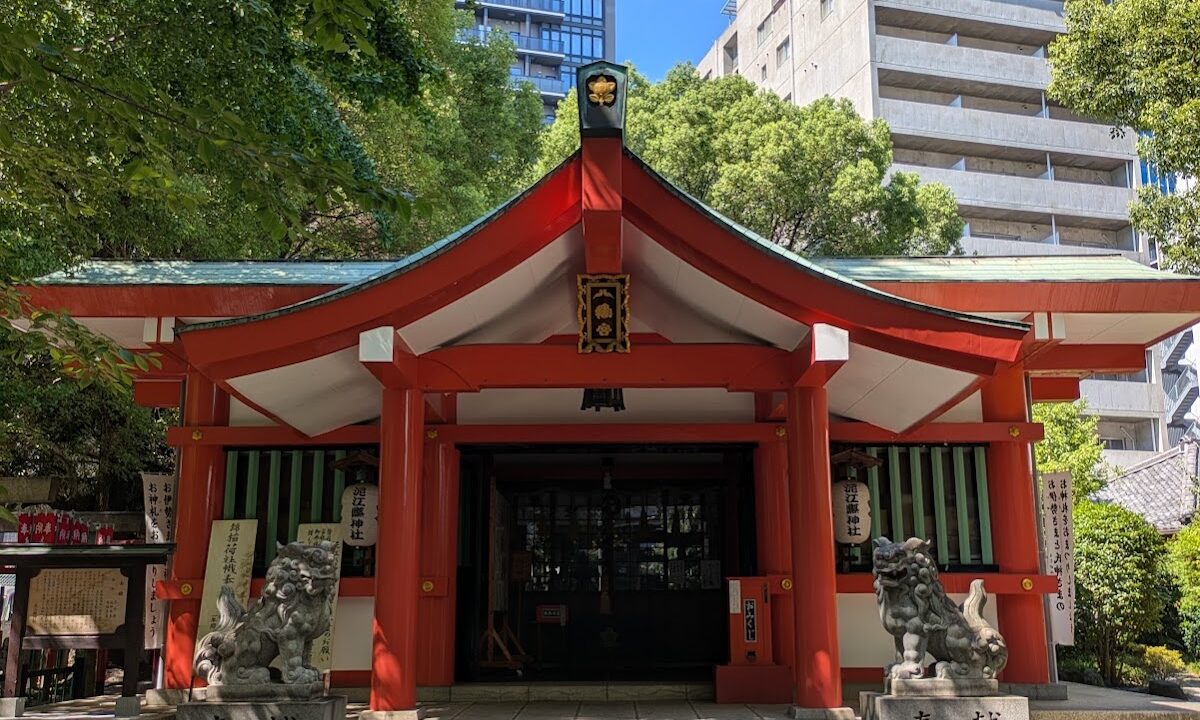
Hijie Agata Shrine Complete Guide | Goshuin (Shrine Seal), History, and Access Information [Nagoya City, Naka Ward, Aichi Prefecture]
Located in the Nishiki business district of Naka Ward, Nagoya City, Hijie Agata Shrine is known as the second oldest shrine in Nagoya City, after Atsuta Jingu Shrine. This ancient shrine, said to have been founded in 859 AD, was formerly known as “Hiroi Hachimangu Shrine” and has been a place of worship for local people since before the construction of Nagoya Castle.
This article provides detailed information you should know before visiting Hijie Agata Shrine, including its history, enshrined deities, goshuin information, highlights of the grounds, and access methods.
Basic Information on Hijie Agata Shrine
Location: 1-7-29 Nishiki, Naka-ku, Nagoya City, Aichi Prefecture
Reading: Hijie Agata Jinja
Deities Enshrined:
- Emperor Ojin
- Empress Jingu
- Munakata Three Goddesses
- Ichikishima-hime no Mikoto
- Tagori-hime no Mikoto
- Tagitsu-hime no Mikoto
Shrine Rank: Former Village Shrine
Nearest Stations:
- 5-minute walk from Fushimi Station (Sakuradori Line/Higashiyama Line)
- 10-minute walk from Sakae Station (Higashiyama Line)
- 15-minute walk from Nagoya Station (JR/Meitetsu/Kintetsu)
Parking: None (Use nearby coin parking)
History of Doroe-ken Shrine
Founding and History
Doroe-ken Shrine is said to have been founded in the first year of the Jōgan era (859) or the fourth year of the Jōgan era (862). According to shrine records, it was established during the reign of Emperor Seiwa, having been invited from Usa Hachimangu Shrine, and thus has a history of being founded around the same time as Iwashimizu Hachimangu Shrine (Otokoyama Hachimangu) in Kyoto.
The “Owari Province Shrine Register” lists it as “Doroe-ken Tenjin” in Aichi County, indicating that it was recognized as an important shrine in the Owari region from ancient times.
“Hiroi Hachimangu” Era
From the Tenshō era (1573-1592) onward, Doroe-ken Shrine became widely known as “Hiroi Hachimangu.” Before the construction of Nagoya Castle, the shrine grounds were vast, extending to what are now Misono-cho, Tenma-cho, Yoshi-cho, and Zaimoku-cho.
During the Tokugawa period, it was deeply revered by the feudal lord and the general public. During the grand festival, magnificent portable shrines and decorated floats from each of the parishioners’ neighborhoods paraded through the streets, and the shrine was a beloved Nagoya landmark, featuring processions to Hakusan Shrine and warrior processions.
Changes After the Meiji Era
Due to the Meiji-era separation of Shinto and Buddhism, the shrine’s name was changed from “Hiroi Hachimangu” to “Doroe-ken Shrine.” In 1872 (Meiji 5), it was designated a local shrine, establishing its status as an important regional shrine.
Although the shrine buildings were destroyed in the Nagoya air raids of World War II, they were rebuilt after the war and remain to this day. While the once vast grounds are gone, it maintains a tranquil atmosphere despite its location in the heart of the city’s office district.
Deities and Benefits
Emperor Ōjin
The 15th Emperor of Japan, he is enshrined as Hachiman-sama in Hachiman shrines throughout Japan. He is worshipped as the god of military success, national protection, and industrial development, and is especially believed to bring good fortune in victory and career advancement.
Empress Jingū
The mother of Emperor Ōjin, she is a heroic woman known for the legend of her conquest of the Three Kingdoms of Korea. She is worshipped as the goddess of safe childbirth, child-rearing, and protection of women. Also, as a woman of great military prowess, many people visit to pray for women’s advancement in society and improved career prospects.
Munakata Three Goddesses
These three goddesses were born from the oath between Amaterasu Ōmikami and Susanoo-no-Mikoto, and are known as the guardian deities of maritime traffic. In addition to traffic safety and safe travel, the shrine is also worshipped as a goddess of beauty, and is believed to bring blessings for artistic improvement and successful relationships.
General Blessings
The following blessings are expected at Doroe-ken Shrine:
- Victory and Career Advancement: Divine virtues of Emperor Ōjin
- Safe Childbirth and Child-Rearing: Divine virtues of Empress Jingū
- Traffic Safety: Divine virtues of the Munakata Three Goddesses
- Business Prosperity: Due to its location in the heart of the city
- Protection from Misfortune and Good Fortune: The overall divine virtues of Hachiman-jin
Highlights of the Shrine Grounds
Shrine Building
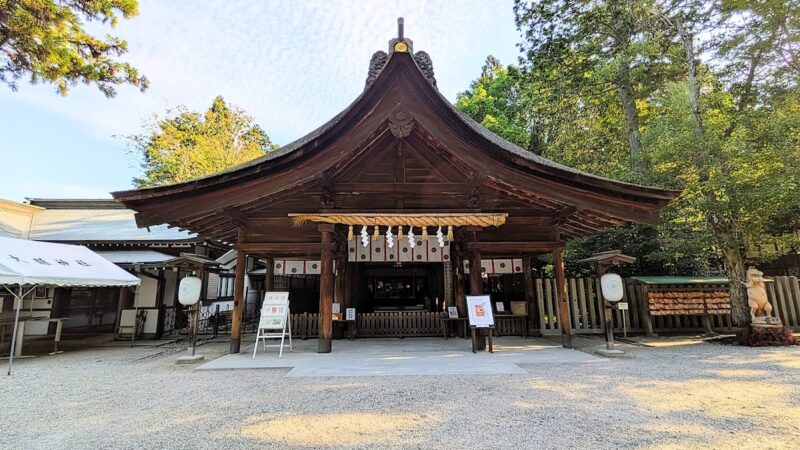
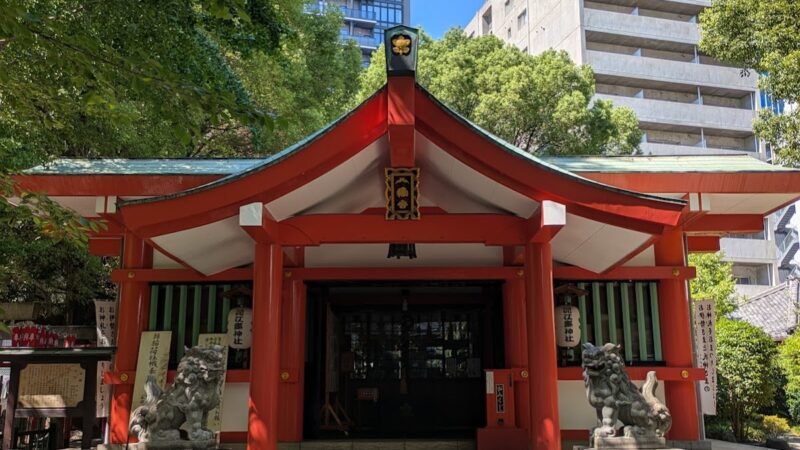
The shrine building, rebuilt after the war, maintains a solemn atmosphere despite being surrounded by the city’s skyscrapers. The compact yet orderly grounds offer visitors a peaceful experience.
Torii Gate
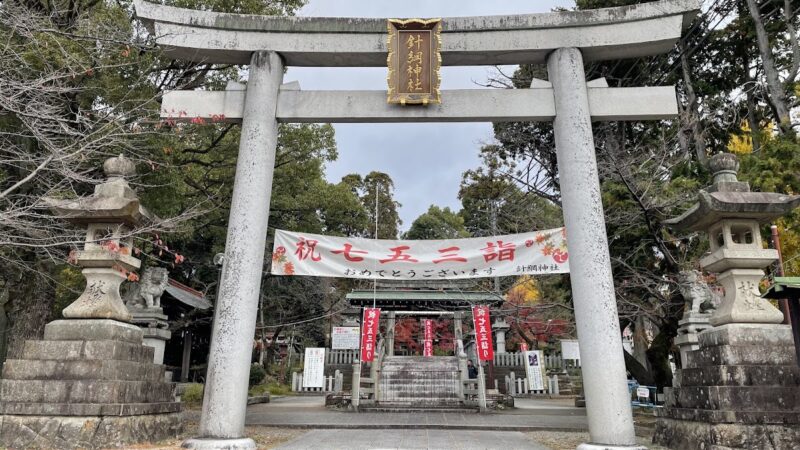
A torii gate stands at the entrance facing Nishiki-dori, welcoming worshippers to the sacred grounds despite its location in the heart of the city’s office district. The torii, nestled amidst towering buildings, is an iconic symbol of Nagoya’s coexistence of modernity and tradition.
Shrine Grounds
Nishiki Inari Shrine
Nishiki Inari Shrine is located within the grounds, revered by locals as the god of business prosperity and abundant harvests. Due to its central business district location, many businesspeople visit the shrine.
Shinmei Shrine
Shinmei Shrine, dedicated to Amaterasu Omikami, is also located within the grounds, attracting a steady stream of worshippers praying for good fortune, prosperity, and family safety.
Atmosphere of the Shrine Grounds
Despite being surrounded by high-rise buildings, a tranquil atmosphere permeates the grounds of Doroe-ken Shrine. As an oasis in the heart of the city, it is a precious space for peace and tranquility for business people visiting during their workdays and tourists visiting for sightseeing.
Goshuin (Shrine Seal) and Goshuincho (Shrine Seal Book) Information
About Goshuin
You can receive a Goshuin at Doroe-ken Shrine. The shrine office staff will kindly assist you if you speak to them.
Offering Fee: Usually around 300-500 yen
Reception Hours: Generally 9:00-17:00 (Since staff may be absent, it is recommended to check in advance if you want to be sure to receive one)
The Goshuin features the calligraphy and red seal of “Doroe-ken Shrine,” with a simple yet dignified design.
Goshuincho (Shrine Seal Book)
Regarding the availability of Doroe-ken Shrine’s original Goshuincho, it is recommended to check with the shrine office during your visit. Many visitors come to this shrine as part of a Goshuin pilgrimage visiting shrines in Nagoya City.
Etiquette for Receiving a Goshuin (Shrine/Temple Stamp)
- Complete your prayers first before receiving your Goshuin.
- Politely speak to the shrine office staff.
- Open your Goshuin book and hand it over.
- Wait quietly while they write the stamp.
- Express your gratitude.
A Goshuin is not a stamp rally; it is a token of your visit. Treat the shrine with respect.
Access Methods
Access by Train
Subway (Most Recommended)
From Fushimi Station:
- Approximately 5 minutes on foot from Exit 8 of Fushimi Station on the Subway Sakuradori Line and Higashiyama Line
- Head west along Nishiki-dori Street, near the Nishiki 1-chome intersection
From Sakae Station:
- Approximately 10 minutes on foot from Sakae Station on the Subway Higashiyama Line
- Head straight west along Nishiki-dori Street
From JR Nagoya Station
- Approximately 15 minutes on foot from JR, Meitetsu, and Kintetsu Nagoya Station
- Head east from Nagoya Station, along Sakuradori or Nishiki-dori Street
- Walking access, combined with a stroll through the city center, is also popular
Access by Car and Parking
Doroe-ken Shrine does not have its own parking lot. If visiting by car, you will need to use a nearby coin-operated parking lot.
Main Coin Parking in the Surrounding Area:
- Several coin parking lots are located around Nishiki 1-chome.
- Rates are approximately 200-300 yen for 30 minutes on weekdays.
- Some parking lots have a maximum daily rate on weekends and holidays.
Parking fees are relatively high due to its central location. We recommend using public transportation.
Access by Bicycle/Walking
If you are staying at a hotel near Nagoya Station, access by walking or bicycle is convenient. Approximately 1km east from Nagoya Station, the walking route along Nishiki-dori and Sakura-dori allows you to enjoy the city scenery while visiting the shrine.
Nearby Tourist Spots/Shrines and Temples
Nagoya Marriott Associa Hotel
A high-rise hotel directly connected to Nagoya Station. Located on the upper floors of JR Central Towers, it is an ideal base for sightseeing in Nagoya. It is about a 15-minute walk to Doroe-ken Shrine, making it a convenient location for a morning stroll and visit.
Hilton Nagoya
A luxury hotel located near Fushimi Station. Located within walking distance of Doroe-ken Shrine, this hotel boasts a convenient location for both business and sightseeing. It’s an ideal starting point for visiting shrines from the hotel.
Natural Hot Springs in the City Center: Nagoya Crown Hotel
Located just a short walk from Fushimi Station, this hotel offers natural hot springs despite being in the city center. A luxurious plan combining a visit to Doroe-ken Shrine with a refreshing soak in the hot springs is available.
Nearby Shrines and Temples
Nagoyano Shrine
An ancient shrine situated south of Nagoya Castle. Named after “Nagoyano,” the origin of the name Nagoya, it is revered as the guardian shrine of Nagoya. Approximately a 15-minute walk from Doroe-ken Shrine.
Hakusan Shrine
A shrine with historical ties to Doroe-ken Shrine, where the portable shrine procession took place during the shrine’s grand festival. Known for its blessings in matchmaking, it attracts many young female visitors.
Shichiji Temple (Chofukuji Temple)
One of Nagoya’s oldest temples, this ancient temple has strong ties to figures like Oda Nobunaga and Tokugawa Ieyasu. It’s within walking distance of Doroe-ken Shrine and can be easily incorporated into a temple and shrine tour.
Points and Manners for Visiting a Shrine
Proper Way to Visit a Shrine
- Bow before passing through the torii gate.
- Purify your body and mind at the water basin.
- Hold the ladle in your right hand and purify your left hand.
- Switch the ladle to your left hand and purify your right hand.
- Switch the ladle back to your right hand, receive water in your left hand, and rinse your mouth.
- Finally, hold the ladle upright and purify the handle.
- Pray in front of the main hall.
- Bow slightly.
- Ring the bell (if present).
- Place your offering.
- Bow twice, clap twice, and bow once.
- Pray at the subsidiary shrines within the grounds.
- Bow again when leaving the torii gate.
Suitable Times for Visiting a Shrine
Weekday mornings: Highly recommended. You can pray in a quiet and peaceful atmosphere. You can also see business people, giving it the feel of a shrine in the city center.
Lunch break: A time when office workers from nearby offices visit the shrine. It’s lively but not crowded.
Evening: This is the time when worshippers visit after work. The shrine grounds are also charming at dusk.
Regarding Photography
Photography is generally permitted on the shrine grounds, but please observe the following manners:
- Refrain from photographing inside the shrine buildings
- Be considerate of other worshippers
- Use tripods sparingly
- Remember to show respect to the shrine when posting on social media
Annual Events and Festivals
Grand Festival
This is the most important festival of Doroe-ken Shrine. In the past, it featured a magnificent procession of portable shrines and warriors, and was known as a Nagoya specialty. Although the scale has been reduced, it continues as an important local event.
New Year’s Visit
Due to its central location, many business people visit to pray at the start of the new year. It’s not as crowded as large shrines like Atsuta Jingu, making it a pleasant place to worship in peace.
Other Annual Events
- Saitansai (January 1st): A festival celebrating the New Year
- Setsubunsai (around February 3rd): Events such as bean-throwing
- Natsukoshi no Harae (June 30th): A Shinto ritual to purify oneself of the impurities accumulated over the past six months
- Toshikoshi no Harae (December 31st): A Shinto ritual to purify oneself of the impurities accumulated over the past year
For specific dates and details, we recommend checking during your visit or checking the latest information on nearby shrine websites.
The Charm of Doroe-ken Shrine
An Oasis in the City Center
Despite its location surrounded by skyscrapers, stepping onto the shrine grounds reveals a completely different world. It is a precious space to escape the hustle and bustle of the city and find peace of mind, loved by both locals and tourists.
The Weight of History
Founded in 859 AD (Jōgan 1), this shrine boasts a long history and is the second oldest shrine in Nagoya City after Atsuta Shrine. As a historically significant shrine listed in the “Owari Province Shrine Register,” it holds irresistible appeal for history buffs.
Excellent Accessibility
Located within walking distance of Nagoya Station and just a 5-minute walk from Fushimi Subway Station, its convenient location makes it easily accessible for those sightseeing or business trips.
Quiet Worship Environment
Unlike crowded tourist spots, it offers a peaceful and tranquil worship experience. It’s a valuable shrine for those collecting Goshuin (shrine stamps), providing a calm and peaceful environment for worship.
Visitor Feedback
Visitors to Doroe-ken Shrine have shared the following comments:
- “I was surprised by the tranquility, which is unexpected considering its location in the heart of the city.”
- “The convenience of being able to visit on foot from Nagoya Station is a major draw.”
- “I appreciate the calm atmosphere, as it’s a historical shrine yet not overly touristy.”
- “The location is helpful for visiting during work breaks.”
- “They were very polite and helpful with the Goshuin (shrine stamp).”
Summary
Doroe-ken Shrine is a historical shrine founded in 859 AD (Jōgan 1), located in the office district of Nishiki, Naka Ward, Nagoya City. Formerly known as “Hiroi Hachimangu,” it has been a place of worship for local people since before the construction of Nagoya Castle.
The shrine enshrines Emperor Ōjin, Empress Jingū, and the three Munakata goddesses, and is believed to offer blessings for victory, career advancement, safe childbirth and child-rearing, and traffic safety. Despite its central city location, it maintains a serene atmosphere, providing peace of mind to visitors.
Located just a 15-minute walk from Nagoya Station and a 5-minute walk from Fushimi Subway Station, this shrine boasts excellent accessibility, making it easy to visit between sightseeing or business trips. It’s also a popular spot for those collecting Goshuin (temple/shrine stamps), as it offers Goshuin stamps.
When visiting Nagoya, consider a visit to Doroe-ken Shrine, a historic oasis in the heart of the city. Stepping through its torii gate nestled amidst towering buildings, you’ll experience the charm of Nagoya, where modernity and tradition coexist.