Harina Shrine (Aichi Prefecture) Complete Guide | Thorough Explanation of Goshuin (Shrine Seals), Benefits, Access, and History
Harina Shrine is a historic shrine located in Tenpaku Ward, Nagoya City, Aichi Prefecture. Known for its blessings related to safe childbirth and matchmaking, it has long been cherished by locals. This article provides a detailed explanation of everything you need to know before visiting Harina Shrine, including its history, blessings, goshuin (shrine seal) information, access methods, and highlights within the grounds.
What is Harina Shrine?
Harina Shrine is located in Tenpaku-cho, Tenpaku Ward, Nagoya City, and is known as one of the ancient shrines of Owari Province. Despite being in a residential area, the lush grounds are enveloped in tranquility, creating a healing space that allows you to forget the hustle and bustle of the city.
As the local guardian deity, it has long attracted the faith of people in the Tenpaku Ward area. It is particularly famous for its blessings related to safe childbirth and matchmaking, and attracts many visitors.
History and Origins of Harina Shrine
Founding and Origins
Harina Shrine has a long history, and while there are various theories about its origins, it is believed to date back to before the Heian period. Although not listed in the *Engishiki Jinmyocho* (a list of shrines compiled in the Heian period), it has been deeply intertwined with the history of the Owari region as an ancient shrine.
Regarding the origin of the shrine’s name, “Harina,” several theories exist, including the theory that the area was once a needle production center, and the theory that it derives from the topography.
Historical Changes
During the Edo period, it received the patronage of the Owari domain and was positioned as an important shrine in the region. Even after the Meiji-era separation of Shinto and Buddhism, it continued to attract worshippers as the local tutelary deity.
While the surrounding environment changed significantly with post-war urbanization, the shrine has been carefully preserved as a center of the local community and a place of historical and cultural value.
Deities and Benefits
Deities
The deities enshrined at Harina Shrine are as follows:
- Owari Harinane no Muraji no Mikoto: Enshrined as the principal deity
- Ame no Hoakari no Mikoto: A deity with characteristics of a sun god
- Takeinadane no Mikoto: The ancestral deity of the Owari clan
These deities are revered as gods deeply involved in the development and cultivation of the Owari region.
Benefits
Harina Shrine is believed to offer the following benefits:
- Safe Childbirth Prayer: This is the most famous benefit, and many pregnant women visit the shrine.
- Matchmaking: Popular with visitors seeking a good partner.
- Childbearing: Couples praying for children visit the shrine.
- Family Safety: Prayers for the health and happiness of the family.
- Protection from Misfortune: Protection from disaster.
- Business Prosperity: Prayers for the development of business.
Especially for safe childbirth prayers, visiting on the Day of the Dog is recommended, and maternity belts are also provided.
Goshuin (Shrine Seal) Information
About Goshuin (Shrine Seals)
Harina Shrine offers Goshuin. Goshuin are cherished as proof of worship and as a symbol of connection with the shrine.
Granting Hours: Goshuin (stamps) are usually given during the shrine office’s opening hours (generally 9:00 AM to 5:00 PM), but the office may be closed due to religious ceremonies or events. It is recommended to check in advance.
Offering Fee: Generally around 300 to 500 yen.
About Goshuincho (Stamp Books)
Harina Shrine may offer its own original goshuincho. Please inquire directly with the shrine regarding designs and availability.
When receiving a goshuin, it is considered proper etiquette to complete your prayers first before visiting the shrine office. If you forget your goshuincho, you may be given a pre-printed goshuin.
Access Methods
Location
Address: Kuroishi, Hirabari, Tenpaku-cho, Tenpaku-ku, Nagoya City, Aichi Prefecture 468-0004
Access by Train
Nearest Station:
- Approximately 15 minutes on foot from Hirabari Station on the Nagoya Municipal Subway Tsurumai Line
- Approximately 20 minutes on foot from Aioiyama Station on the Nagoya Municipal Subway Sakuradori Line
Access from Hirabari Station is the most convenient. The route from the station to the shrine goes through a residential area.
Access by Bus
If using Nagoya Municipal Buses, the shrine is within walking distance from the nearest bus stop. Bus routes and timetables can be checked on the Nagoya City Transportation Bureau’s official website.
Access by Car
From the Nagoya Expressway:
- Approximately 15 minutes from Kasadera IC on the Nagoya Expressway Route 3 Otaka Line
- Approximately 20 minutes from Takabari IC on the Nagoya Expressway Route 2 Higashiyama Line
Parking: There is a parking lot for visitors on the shrine grounds. Due to limited parking, we recommend using public transportation during peak times such as New Year’s Day and the annual festival.
Highlights of the Shrine Grounds
Main Hall
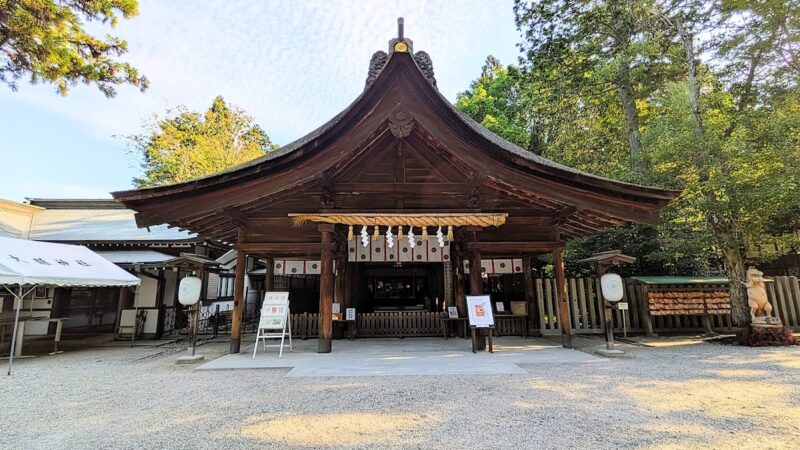
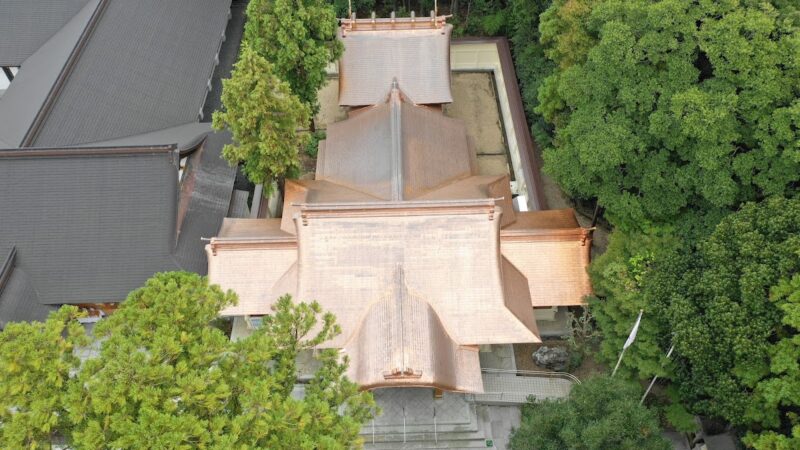
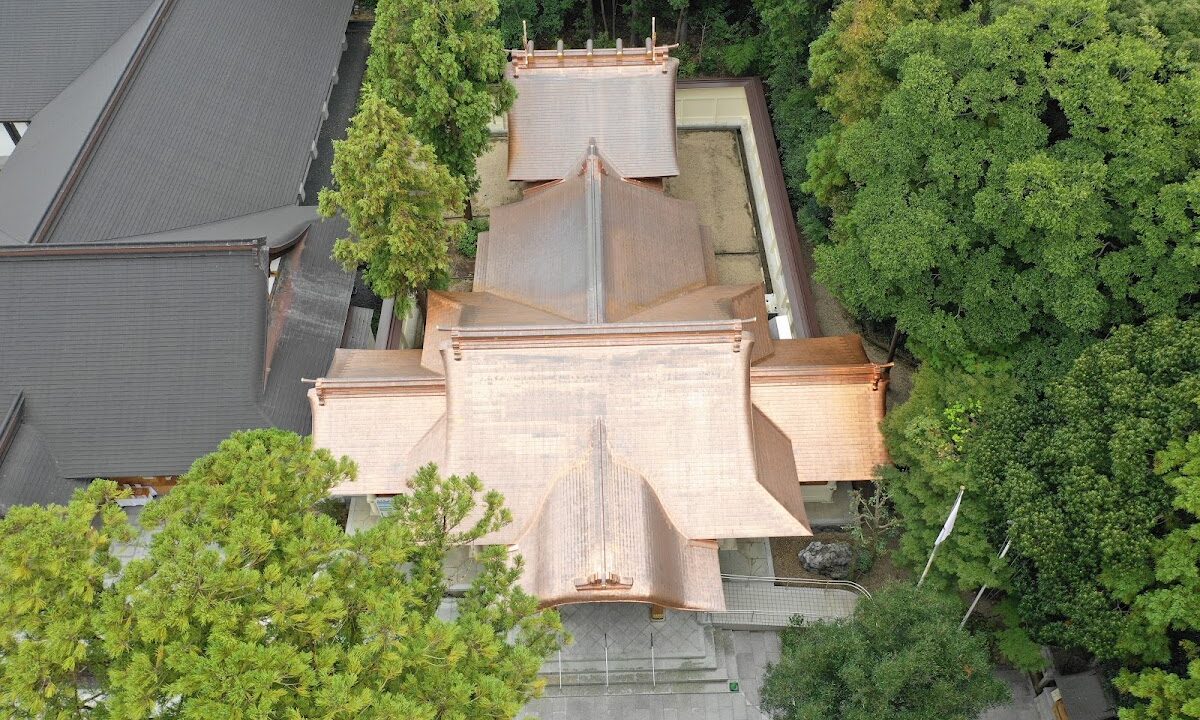
The main hall of Harina Shrine is built in the traditional style of shrine architecture. The beautiful wooden shrine building exudes a sense of historical weight. When praying, quietly put your hands together and offer your prayers with sincerity.
Worship Hall
The worship hall, where worshippers offer their prayers, is located in front of the main hall. Here, you should pray according to the custom of two bows, two claps, and one bow.
Subsidiary Shrines
Several subsidiary shrines (abstract shrines and minor shrines) are enshrined within the grounds. Each enshrines a different deity and is believed to offer various blessings. Visiting the subsidiary shrines in addition to the main hall will provide a deeper worship experience.
Sacred Tree
There is a magnificent, ancient sacred tree within the shrine grounds. The sacred tree, which has watched over the shrine for many years, is believed to possess divine power, and many worshippers offer prayers before it.
Water Basin
A water basin is also provided for purification before worship. Please purify your hands and mouth according to the correct etiquette before praying.
Annual Events and Festivals
New Year’s Visit
Every year from January 1st to 3rd, the shrine is bustling with many visitors for the New Year’s visit. Local people and their families visit to pray for safety and peace in the new year.
Grand Festival
The Grand Festival of Harina Shrine is the most important festival of the year. A procession of portable shrines and dedication ceremonies take place, and the entire community is enveloped in a festive atmosphere. Please contact the shrine directly for the exact dates.
Shichi-Go-San Festival
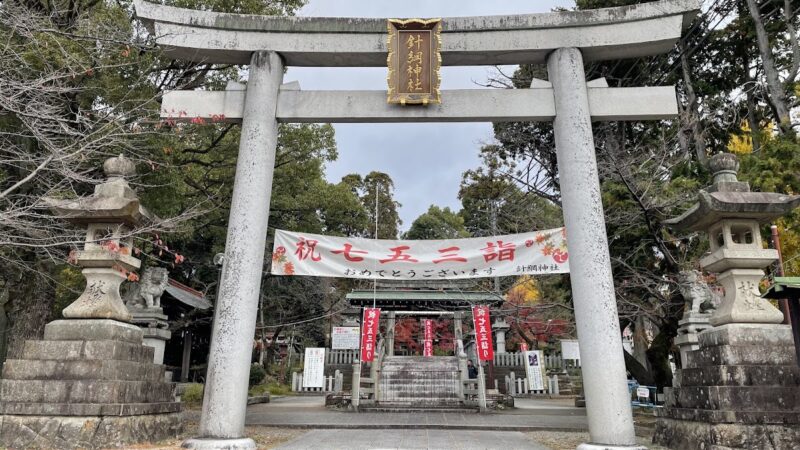
In November, many families visit for Shichi-Go-San (a traditional Japanese rite of passage for children). This is an important event rooted in the community, praying for the healthy growth of children.
Monthly Festival
A monthly festival is held regularly each month, where daily gratitude and prayers are offered.
Etiquette and Manners for Worship
Basic Worship Etiquette
- Bow before passing through the torii gate: As a sign of respect before entering the sacred area, bow before the torii gate.
- Purify yourself at the water basin: Purify your left hand, then your right hand, then your mouth.
- Walk along the edge of the path: The center is considered the path for the gods.
- Worship at the main hall: Worship using the two bows, two claps, and one bow ritual.
- Bow upon leaving: Before leaving the torii gate, turn around and bow.
Attire
While everyday clothing is acceptable for worship, clean and respectful attire is preferred. If receiving a prayer service, slightly more formal attire is appropriate.
Regarding Photography
Photography is generally permitted on the shrine grounds, but please refrain from taking pictures inside the main hall or during Shinto rituals. Please be considerate of other worshippers.
Regarding Prayers for Safe Childbirth
Visiting on the Day of the Dog
Harina Shrine is particularly known for prayers for safe childbirth, and visiting on the Day of the Dog is recommended. Dogs are considered symbols of safe childbirth due to their prolific breeding and easy deliveries.
What is the Day of the Dog?: This is the day corresponding to the “Dog” in the Chinese zodiac, occurring once every 12 days. It is common to visit on the Day of the Dog in the fifth month of pregnancy.
Receiving a Maternity Belt
When praying for safe childbirth, you can receive a maternity belt (Iwata-obi). This belt protects the abdomen and also serves as a charm for safe childbirth.
Applying for a Prayer Ceremony
If you wish to have a prayer ceremony for safe childbirth, it is recommended to contact the shrine in advance to make a reservation. Let’s also check the offering fee and necessary items to bring.
Nearby Tourist Attractions
Tenpaku Park
Tenpaku Park, within walking distance of Harina Shrine, is a vast urban park. It’s perfect for walks and picnics, allowing you to enjoy nature throughout the seasons.
Agricultural Center dela farm
Nagoya City Agricultural Center is famous for its weeping plum blossoms. In spring, you can enjoy the beautiful plum blossoms, attracting many tourists.
Aioiyama Green Space
Aioiyama Green Space, with its abundant nature, is a suitable place for hiking and nature observation. It’s an oasis in the city, perfect for refreshing yourself.
Best Season for Visiting Harina Shrine
Spring (March-May)
The trees in the shrine grounds bud, and the fresh greenery is beautiful. The weather is mild, making it ideal for visiting.
Autumn (September-November)
The autumn leaves are beautiful, and it’s also the season for Shichi-Go-San (a traditional Japanese rite of passage for children). The pleasant weather allows for a leisurely visit to the shrine.
New Year’s Visit (January)
The shrine is bustling with many visitors praying for the New Year. If you want to avoid the crowds, it is recommended to visit after the first three days of the New Year.
Amulets and Items Offered at Harina Shrine
Safe Childbirth Amulet
This is a representative amulet of Harina Shrine, popular with pregnant women praying for a safe delivery.
Matchmaking Amulet
This amulet is given to those wishing for a good match. Its cute design makes it popular with young women.
Protection from Misfortune Amulet
This amulet is given to those in their unlucky year or those wishing to avoid misfortune.
Traffic Safety Amulet
This amulet prays for the safety of those driving cars or motorcycles.
Academic Success Amulet
This amulet prays for academic success for students taking exams or other students.
Visitor Feedback and Reputation
Visitors to Harina Shrine have shared the following comments:
- “Despite being located in a residential area, the quiet and peaceful atmosphere is wonderful.”
- “I prayed for a safe delivery and was able to give birth safely. I am grateful.”
- “It’s a warm shrine loved by the local people.”
- “The goshuin (shrine stamp) was written very carefully.”
- “The grounds are well-maintained, making for a pleasant visit.”
This shows that the shrine is deeply rooted in the community and cherished by many people.
Points to Note When Visiting Harina Shrine
Visiting Hours
While entry to the shrine grounds is generally free, there are limited opening hours for the shrine office. If you wish to receive a goshuin or amulet, please check the opening hours in advance.
Busy Seasons
The shrine is expected to be crowded during New Year’s (January 1st-3rd), the Day of the Dog, the Shichi-Go-San season (November), and the day of the annual festival. It is recommended to visit with plenty of time to spare. ### Inquiry
For detailed information regarding visits and prayers, it is best to contact the shrine directly by phone. This will allow you to obtain the most up-to-date information.
Summary
Harina Shrine is a historic shrine located in Tenpaku Ward, Nagoya City, Aichi Prefecture, known for its blessings for safe childbirth and matchmaking. Despite being in the heart of the city, the shrine grounds are enveloped in tranquility, making it a peaceful place for worship.
It is accessible on foot from Hirabari Subway Station and has ample parking, making it easily accessible by various means. Goshuin (shrine stamps) are also available, making it a great choice for those who enjoy visiting shrines.
Harina Shrine has long been cherished by the local community as a place to visit during life’s milestones such as New Year’s visits, prayers for safe childbirth, and Shichi-Go-San (a traditional Japanese rite of passage for children), as well as a place to seek peace of mind in daily life. When visiting Nagoya, be sure to pay a visit.
When visiting, deepening your understanding of the shrine’s history and enshrined deities, and offering your prayers with sincerity and proper etiquette will result in a more fulfilling experience. We hope that Harina Shrine will become a place of spiritual solace for everyone.