Myosenji Temple (Nisshin City) Complete Guide | Thorough Explanation of History, Cultural Assets, and Highlights
Located in Iwasaki-cho, Nisshin City, Aichi Prefecture, Myosenji Temple is an ancient Soto Zen temple dating back to the Sengoku period. Known as the family temple of the Isshiki Niwa clan, lords of Iwasaki Castle, it possesses historically valuable cultural assets, including the city-designated gatehouse and the over 400-year-old “Garyu no Matsu” (Sleeping Dragon Pine). This article comprehensively explains everything you need to know before visiting Myosenji Temple, from its detailed history, buildings, cultural assets, and access methods.
Basic Information about Myosenji Temple
Official Name: Daichinzan Myosenji
Sect: Soto Zen
Head Temple: Branch temple of Fukuganji Temple (Komaki City, Aichi Prefecture)
Location: 103 Kobayashi, Iwasaki-cho, Nisshin City, Aichi Prefecture
Founded: Meio 6 (1497)
Founder: Niwa Ujiyori
Myosenji Temple is a Soto Zen temple that conducts religious activities based on the teachings of Zen. The Soto Zen sect is a branch of Zen Buddhism that emphasizes “Shikantaza” (just sitting), and its head temples are Eiheiji Temple in Fukui Prefecture and Sojiji Temple in Yokohama City. Myosenji Temple belongs to the lineage of branch temples with Fukuganji Temple in Komaki City as its head temple.
History of Myosenji Temple
Founding History and Mannenzan Choshoji Temple
The origins of Myosenji Temple date back to the Muromachi period. It is said to have begun in 1497 (Meio 6), when Niwa Ujitsugu founded Mannenzan Choshoji Temple as a place of incense and flowers in Orito Village, Aichi District, Owari Province (present-day Nagoya City).
A place of incense and flowers is a place where incense and flowers are offered to honor ancestors and the deceased; in other words, a family temple. Niwa Ujitsugu was a member of the Isshiki Niwa clan, lords of Iwasaki Castle, and he built this temple to commemorate his family.
Relationship with the Isshiki Niwa Clan, Lords of Iwasaki Castle
Myosenji Temple played an important role as the family temple of the Isshiki Niwa clan, lords of Iwasaki Castle. Iwasaki Castle was a hilltop castle located in what is now Iwasaki-cho, Nisshin City. It was a historical site during the Sengoku period, a battleground for the Oda and Tokugawa clans.
The Isshiki Niwa clan was a samurai family based at Iwasaki Castle, and Myosenji Temple houses the family’s tombs and memorial tablets. The relationship between the temple and the castle lord went beyond mere religious ties, demonstrating political and social connections. Even during the turbulent Sengoku period, Myosenji Temple continued to exist as the spiritual pillar of the Isshiki Niwa clan.
From the Edo Period to the Present
During the Edo period, Myosenji Temple developed as a center of local faith. In 1793 (Kansei 5), the current gatehouse was rebuilt, and the temple grounds were improved. Many of the buildings constructed during this period have been preserved to the present day, undergoing several renovations.
Despite the impact of the anti-Buddhist movement after the Meiji Restoration, Myosenji Temple survived thanks to the support of local residents and has continued its activities as a Soto Zen temple through the Showa, Heisei, and Reiwa eras to the present day. The cultural properties within the temple grounds are protected as designated cultural properties by Nisshin City and are carefully preserved as a regional historical heritage.
Buildings and Highlights of the Temple Grounds
The Temple Gate (Romon) – A City-Designated Cultural Property
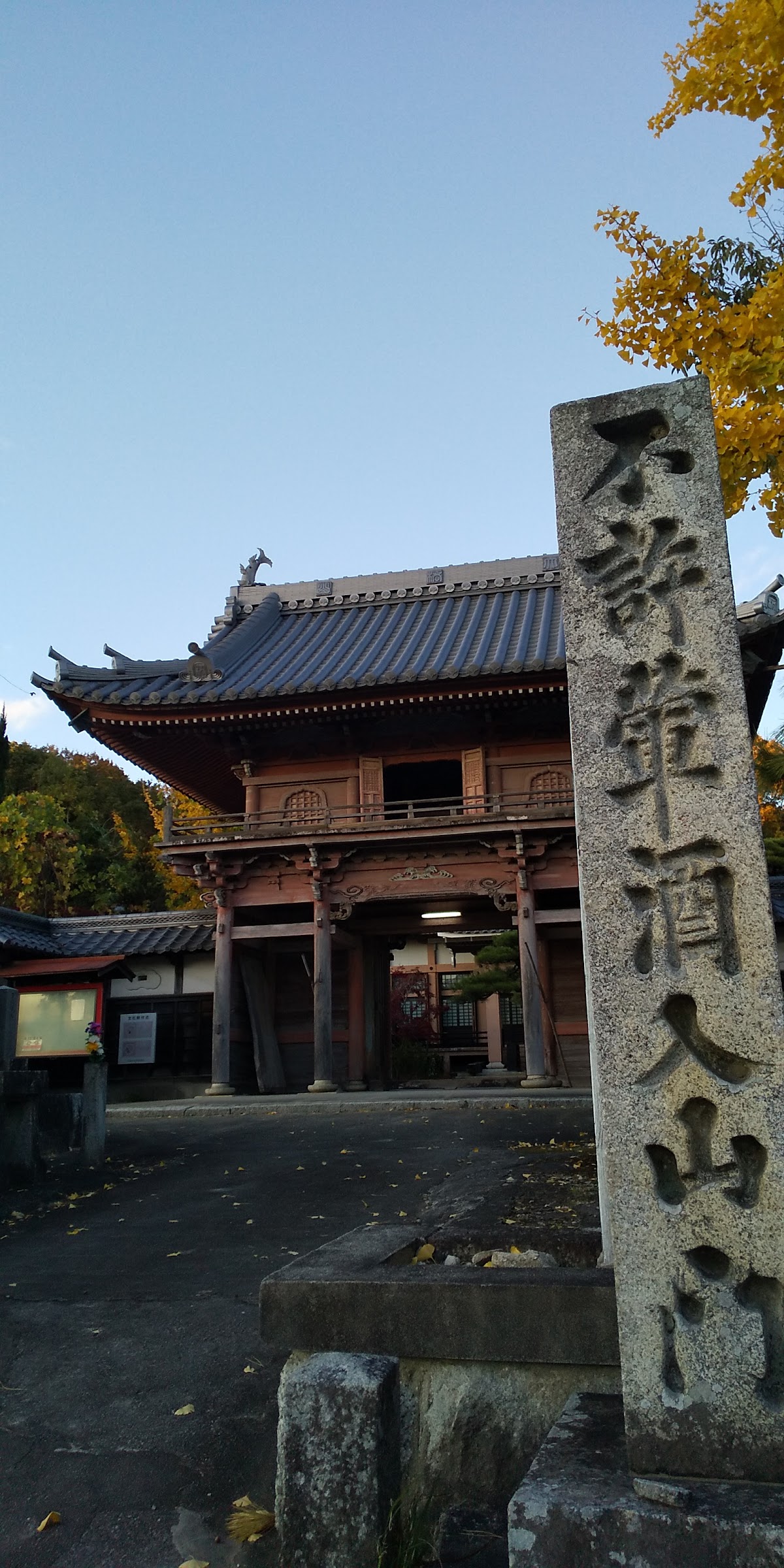
The Romon (gatehouse) of Myosenji Temple is a valuable building designated as a Nisshin City-designated cultural property. A Romon is a two-story gate, built in the “Sangen Ikko” style.
Architectural Style Characteristics:
- Construction Date: Rebuilt in Kansei 5 (1793)
- Structure: Three-bay, one-door Romon (three bays wide, one bay for passageway)
- Style: Traditional architecture based on Zen Buddhist style
- Preservation Status: Maintains its Edo period appearance despite several renovations
The Romon possesses a dignified presence and style that even an untrained eye would find impressive, and many visitors are captivated by its majestic appearance. The intricate carvings and joinery techniques showcase the excellent architectural skills of the Edo period.
Passing through the main gate, a well-maintained temple grounds unfolds, and a path leading to the main hall welcomes visitors. The texture of the aged wood of the gate and its long-worn appearance are important elements that convey the weight of history.
The Garyu Pine
The Garyu Pine, standing within the temple grounds, is a black pine estimated to be over 400 years old and, along with the main gate, is a designated cultural property of Nisshin City. “Garyu” means a dragon lying on the ground, and as the name suggests, the pine’s branches are characterized by their horizontal, dragon-like appearance.
Characteristics of the Garyu Pine:
- Tree Species: Japanese Black Pine (Kuromatsu)
- Estimated Age: Over 400 years old
- Shape: Branches spread horizontally like a dragon
- Cultural Property Designation: Nisshin City Designated Cultural Property
The 400-year history of this pine tree speaks to the long history of Myosenji Temple since its founding. This pine tree has watched over the temple grounds since the early Edo period, displaying different expressions with each season. Its appearance, especially when covered in snow in winter and its vibrant appearance in the season of fresh greenery, is magnificent.
The Garyu Pine is not merely a tree; as a living witness to the history of Myosenji Temple and as an embodiment of the Zen teaching of “harmony with nature,” it leaves a deep impression on visitors.
Main Hall and Temple Grounds Facilities
The main hall of Myosenji Temple has a simple and tranquil appearance typical of a Soto Zen temple. The principal image is enshrined inside, and daily services and religious ceremonies are held there. The temple grounds contain the following facilities:
- Main Hall: The central building where the principal image is enshrined and religious ceremonies are held.
- Kuri: The living quarters of the head priest and the temple office.
- Cemetery: The burial grounds of parishioners and the Isshiki Niwa family.
- Bell Tower: The building where the temple bell is hung.
The entire temple grounds are enveloped in tranquility, maintaining the atmosphere of a Zen temple far removed from the hustle and bustle of the city. The well-maintained gardens and stone-paved paths offer peace of mind to visitors.
Cultural Properties and Historical Value
Nisshin City Designated Cultural Properties
Myosenji Temple has the following Nisshin City designated cultural properties:
- Romon (Sanmon Gate) – Building
- Garyu Pine – Natural Monument
These cultural properties are indispensable to understanding the history of Nisshin City and are appropriately preserved and managed in accordance with the city’s cultural property protection ordinance. Regular surveys and preservation/repairs are carried out, and efforts to pass on the history to future generations continue.
Value as Historical Materials
Myosenji Temple possesses important materials for understanding the local history from the Sengoku period to the Edo period. Documents, memorial tablets, and family registers related to the Isshiki Niwa clan are valuable historical materials for studying the history of Iwasaki Castle and the samurai society of the time.
The following historical information can be gleaned from the records preserved at the temple:
- Genealogy and changes of the Isshiki Niwa clan, lords of Iwasaki Castle
- Social conditions in the Owari region during the Sengoku period
- Temple management and the danka system during the Edo period
- The reality of local Buddhist faith
These materials occupy an important position in the study of Nisshin City’s local history and are elements that form the historical identity of the region.
Religious Activities of the Soto Zen School and Myosenji Temple
Teachings and Practices of the Soto Zen School
The Soto Zen school, to which Myosenji Temple belongs, is a branch of Zen Buddhism based on “shikantaza” (just sitting). The Soto Zen school, introduced to Japan from China by Zen Master Dogen and spread throughout the country by Zen Master Keizan, emphasizes the realization of one’s Buddha-nature through seated meditation (zazen).
Key characteristics of the Soto Zen teachings:
- Shikan Taza: Simply and wholeheartedly practicing seated meditation
- Shusho Itto: Practice and enlightenment are not separate but one and the same
- Nichijo Soku Butsudo: Everyday life is a form of Buddhist practice
At Myosenji Temple, religious activities are based on these teachings, and the teachings of Zen are conveyed to parishioners and local residents.
Annual Events and Memorial Services
Myosenji Temple, as a Soto Zen temple, observes the following annual events:
- Shushōe: New Year’s memorial service
- Spring and Autumn Equinox Services: Memorial services for ancestors
- Urabon-e: Obon memorial service
- Segaki-e: Memorial service for those without relatives
- Kaisan-ki: Memorial service for the founding master
These events bring together parishioners, providing opportunities for ancestral worship and learning about Buddhism. The temple grounds are particularly lively during the Equinox and Obon periods, attracting many visitors.
Relationship with Related Temples and Fukuganji Temple
About the Head Temple, Fukuganji Temple
Myosenji Temple is a branch temple of Fukuganji Temple located in Komaki City, Aichi Prefecture. Fukuganji Temple is a regional head temple of the Soto Zen sect and has played a central role among Soto Zen temples in the Owari region.
The relationship between a head temple and its branch temples signifies not only religious lineage but also practical connections such as cooperation during religious services and exchanges of monks. The head priest of Myosenji Temple manages the temple while maintaining a relationship with Fukuganji Temple.
Regional Soto Zen Temple Network
Several Soto Zen temples exist in Nisshin City and the surrounding area, and they have built cooperative relationships with each other. These temples participate in religious services together and jointly hold local Buddhist events, forming a network.
Such cooperation between temples plays an important role in the transmission of Buddhist culture and the maintenance of local communities.
Access and Visiting Information
Location and Transportation Access
Address: 103 Kobayashi, Iwasaki-cho, Nisshin City, Aichi Prefecture
Public Transportation:
- Nearest Bus Stop: “Iwasakibashi Nishi” (Meitetsu Bus)
- Approximately 2 minutes on foot from the bus stop
- Convenient access by bus from Meitetsu Toyota Line “Nisshin Station”
By Car:
- Approximately 15 minutes from Tomei Expressway “Nagoya IC”
- Parking: Limited parking spaces available for visitors on the temple grounds
Precautions When Visiting
Myosenji Temple is a religious facility. Please observe the following points:
- Maintain quiet on the temple grounds and be considerate of other visitors.
- Do not touch the cultural properties such as the main gate or the Garyu Pine tree.
- Photography is permitted, but please refrain from taking pictures inside the main hall or during religious services.
- Please take all your trash with you.
- Please wear appropriate attire for visiting a temple.
Visiting Hours and Admission Fee
- Visiting Hours: The temple grounds are generally open for free visits during the day.
- Admission Fee: Free (Donations are optional).
- Participation in Memorial Services: Some memorial services are open to non-parishioners (prior confirmation recommended).
Nearby Tourist Attractions
Iwasaki Castle Ruins Park
Iwasaki Castle Ruins Park, located within walking distance of Myosenji Temple, is the site of Iwasaki Castle, once the residence of the Isshiki Niwa clan. It is now a park with a historical museum built in the style of a castle tower.
Since Myosenji Temple is the family temple of the Isshiki Niwa clan, visiting both the Iwasaki Castle Ruins and Myosenji Temple together will allow for a deeper understanding of the history of the Sengoku period.
Other Cultural Properties in Nisshin City
Besides Myosenji Temple, Nisshin City has the following cultural properties and historical sites:
- Hakusan-gu Shrine: A shrine that has attracted worshippers since ancient times
- Goshikien Garden: Japan’s only religious park
- Iwasaki Ontakeyama: A mountain of local faith
Visiting these spots allows you to experience the history and culture of Nisshin City comprehensively.
About Cemeteries and Perpetual Memorial Services
Myosenji Temple Cemetery
Myosenji Temple has a cemetery for its parishioners, and new burial plots are available (subject to availability). As a Soto Zen temple cemetery, memorial services are conducted according to the sect’s standards.
Perpetual Memorial Services and Tree Burials
In response to recent needs, Myosenji Temple also accepts consultations regarding modern forms of memorial services such as perpetual memorial services and tree burials. Please contact the temple directly for details.
Information on Cemeteries and Perpetual Memorial Services:
- Sect: Primarily for Soto Zen Buddhist parishioners (consultation required)
- Cost: Varies depending on the cemetery plot and type
- Management: Permanent management and memorial services by the temple
- Consultation: A meeting with the head priest is required by prior reservation.
The Charm of Myosenji Temple and the Significance of Visiting
A Space Where You Can Feel History
The greatest charm of Myosenji Temple is that, as a temple with over 500 years of history, you can feel the flow of time from the Sengoku period to the present day. Passing through the main gate and standing beneath the Garyu Pine, visitors can feel the continuity of history and the inheritance of culture.
A Place of Tranquility and Healing
In the rapidly urbanizing city of Nisshin, the grounds of Myosenji Temple are a precious space of tranquility. In the calm atmosphere characteristic of a Zen temple, you can spend time to calm your mind away from the hustle and bustle of everyday life.
Learning About Local Culture
Visiting Myosenji Temple is an excellent opportunity to learn about the history and culture of Nisshin City. You can gain multifaceted learning about the history of the Isshiki Niwa clan, lords of Iwasaki Castle, the faith of the Soto Zen sect, and Edo period architectural techniques.
Summary
Myosenji Temple in Nisshin City, Aichi Prefecture, is a Soto Zen temple founded in 1497 (Meio 6), boasting a history of over 500 years. It played an important role as the family temple of the Isshiki Niwa clan, lords of Iwasaki Castle, and its two-story gate (a city-designated cultural property) and the over 400-year-old “Garyu no Matsu” pine tree convey its historical value to this day.
As a branch temple of Fukuganji Temple, it continues religious activities based on the teachings of the Soto Zen sect and functions as a center of faith in the region. The temple grounds are enveloped in tranquility, offering visitors a place to find peace and solace while feeling the weight of history.
When visiting Nisshin City, why not visit Myosenji Temple along with Iwasaki Castle Ruins Park and experience the region’s history and culture that has continued since the Sengoku period? The majestic appearance of the gate tower and the vitality of the reclining dragon pine tree are sure to leave a deep impression on the hearts of visitors.