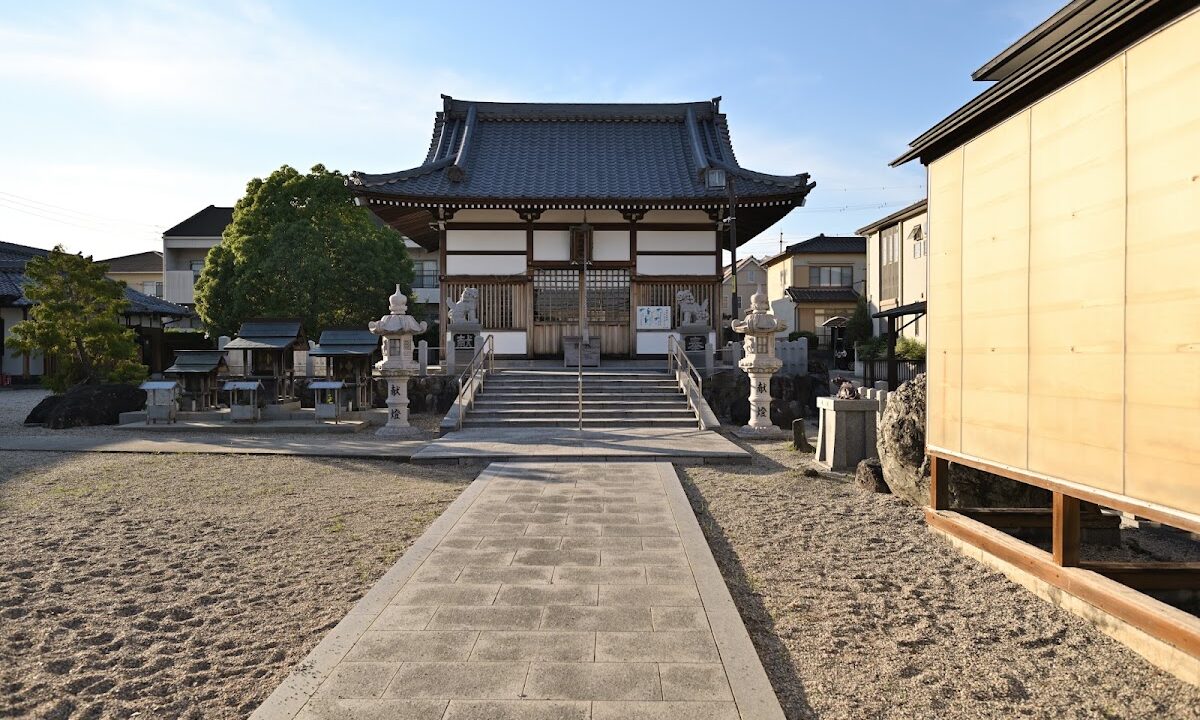
Honjigahara Shrine (Owariasahi City, Aichi Prefecture) Complete Guide | Detailed Explanation of the Battle of Hakusanbayashi, History, Access, and Deities
Honjigahara Shrine, located in Nakahata, Minami-Shinmachi, Owariasahi City, Aichi Prefecture, is a historically significant shrine with roots in Hakusanbayashi, a site of fierce battles during the Sengoku period. It stands on the site of the “Battle of Hakusanbayashi,” a local battle during the Battle of Komaki-Nagakute, and is now revered as the local guardian shrine.
This article comprehensively explains everything you need to know before visiting Honjigahara Shrine, including its detailed history, enshrined deities, highlights within the grounds, and access methods.
History and Origins of Honjigahara Shrine
Founding and Origin as a Hakusan Shrine
The origins of Honjigahara Shrine lie in the Hakusan Shrine, which is said to have been founded during the Jinki era (724-728). The exact founding date is unknown, but it is believed to have been located in this area, known as Hakusanrin, since the early Nara period.
The name Hakusan Shrine is based on the Hakusan faith, with Hakusan Hime Shrine (Hakusan Honmiya) in Ishikawa Prefecture as its head shrine, and represents an ancient form of faith in this region. The place name Hakusanrin is also thought to originate from the existence of this Hakusan Shrine, making it an important element in telling the history of the region.
Restoration during the Kanbun Era and the Involvement of the Owari Domain
In 1665 (Kanbun 5), Hakusan Shrine was restored by the lord of the Owari Domain. This period, in the early Edo period, was marked by the stability of Tokugawa rule and the development of shrines and temples throughout the region. The restoration by the Owari Domain lord is evidence of the important position this shrine held in the region.
Shrine Consolidation and Army Training Grounds in the Meiji Era
In 1911 (Meiji 44), based on the “Shrine Consolidation Order” issued by the Meiji government, Hakusan Shrine was merged with Ichinomizen Shrine. This policy led to the consolidation of many small shrines throughout the country.
After the consolidation, the former site of Hakusan Shrine was requisitioned as an army training ground, and a stone monument marking the “Former Hakusan Shrine” was erected at the original location. This monument is a valuable historical site that conveys to future generations the fact that Hakusan Shrine once stood here.
Reconstruction in the Showa and Heisei Eras and its Current Appearance
In 1970 (Showa 45), it was newly established as Honjigahara Shrine, reviving as the local tutelary shrine. Later, in 2003 (Heisei 15), the shrine building was reconstructed, resulting in the brand-new shrine building we see today.
This reconstruction resulted in a clean and beautiful shrine grounds, while retaining its long history, and it is cherished by local residents as a place of worship and a place to learn about history.
The Battle of Komaki-Nagakute and the Battle of Hakusanrin
What was the Battle of Hakusanrin?
The Battle of Komaki-Nagakute, fought in 1584 (Tensho 12), was a large-scale battle between Hashiba Hideyoshi (later Toyotomi Hideyoshi) and the combined forces of Tokugawa Ieyasu and Oda Nobuo over the succession to Oda Nobunaga. Within this large-scale battle, fierce local fighting took place in Hakusanrin, around Honjigahara Shrine.
The Battle of Hakusanrin is attracting attention among Sengoku period history researchers as one of the important local battles in the Battle of Komaki-Nagakute. It is presumed that the topography and strategic location of this area held significant importance for both sides.
Kabuto Shrine and the Memorial for the Fallen Soldiers
Within the grounds of Honjigahara Shrine is a small shrine called “Kabuto Shrine,” built in 1970 (Showa 45). This Kabuto Shrine was erected to commemorate the warriors and soldiers who died in the Battle of Hakusanrin.
This small shrine, erected approximately 400 years after the fierce battles of the Sengoku period, preserves the history of the region, expressing a sense of remembrance for those who lost their lives in the battle and passing on the region’s historical memory to the present day.
Stone Monument of the Former Hakusan Shrine
The stone monument of the “Former Hakusan Shrine,” relocated to the shrine grounds, is an important historical site indicating the former existence of a Hakusan Shrine in Hakusanrin. This monument not only shows the origin of the place name Hakusanrin but also serves as a clue to identifying the location of the Battle of Hakusanrin.
For history enthusiasts and researchers of the Sengoku period, this monument is an indispensable point of interest when visiting historical sites related to the Battle of Komaki and Nagakute.
Deities and Benefits
About the Deities
The deities enshrined at Honjigahara Shrine are thought to be descendants of those of the Hakusan Shrine. The principal deities worshipped in Hakusan faith are generally the following:
- Kukuri-hime no Kami: The principal deity of Hakusan Hime Shrine, the goddess of matchmaking and harmony.
- Izanagi no Mikoto: The male deity of creation in Japanese mythology.
- Izanami no Mikoto: The female deity of creation in Japanese mythology.
These deities form the core of Hakusan faith, and it is believed that similar beliefs are inherited at Honjigahara Shrine.
Benefits
Based on the Hakusan faith, the following benefits can be expected:
- Matchmaking and Successful Relationships: From the divine name “Kukuru” of Kukurihime-no-Kami, the power to connect people.
- Family Safety: As the local guardian deity, protecting the peace of families.
- Abundant Harvests: The aspect of being a guardian deity of agriculture.
- Protection from Evil and Good Fortune: The power of a deity protecting the region.
- Memorial Service for War Dead: The spiritual role of the entire shrine grounds, including Kabuto Shrine.
Highlights of the Shrine Grounds
Shrine Building (Rebuilt in 2003)
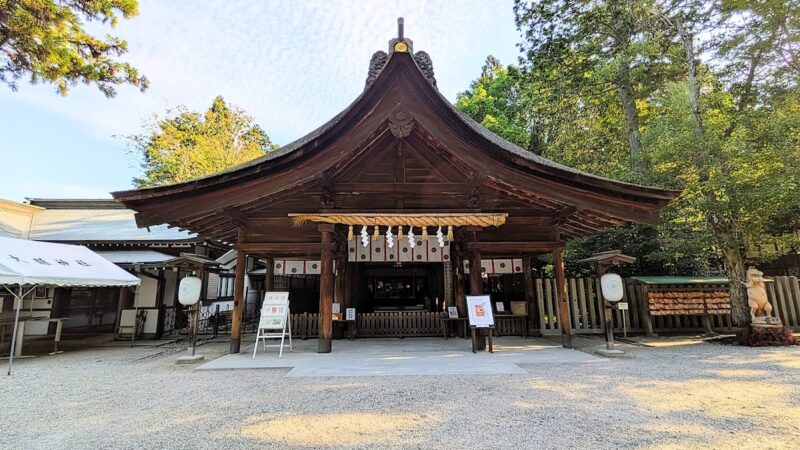
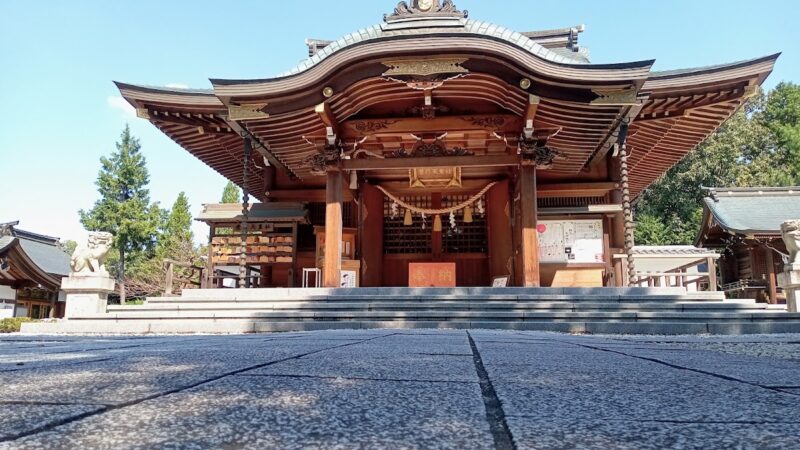
The shrine building, rebuilt in 2003 (Heisei 15), presents a clean and beautiful appearance. While following the style of traditional shrine architecture, the building, constructed with modern technology, combines the warmth of wood with a dignified atmosphere.
Standing before the shrine building, one can feel a sacred atmosphere despite its newness, conveying the faith and feelings of the local people towards the shrine. ### Kabuto Shrine
The Kabuto Shrine, located within the grounds, is a small but significant shrine. This small shrine, dedicated to the warriors and soldiers who lost their lives in the Battle of Hakusanrin, is a valuable reminder of the history of the Sengoku period.
When visiting, we recommend offering a prayer at the Kabuto Shrine to express your condolences to those who perished in the battle.
Former Hakusan Shrine Stone Monument
The stone monument of the former Hakusan Shrine, relocated to the grounds, is a historically valuable site. This monument, indicating the former location of the Hakusan Shrine, is an important clue in identifying the site of the Battle of Hakusanrin.
Standing before the monument, you can truly feel the long history of this place and the faith it has attracted many people.
Atmosphere of the Shrine Grounds
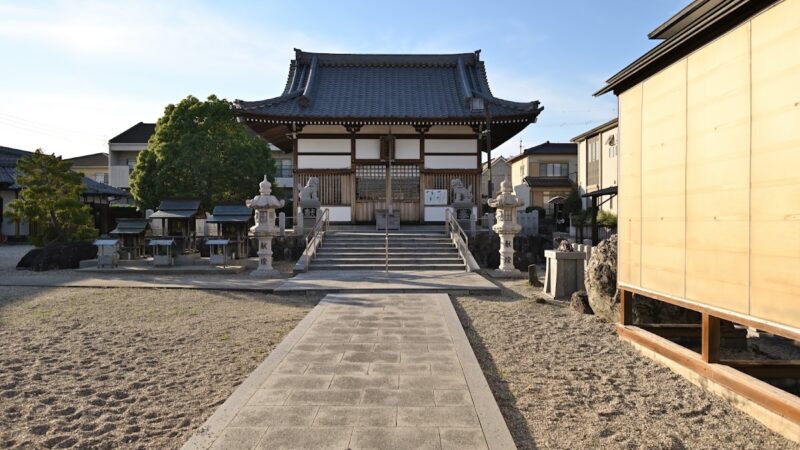
Despite being located in a residential area, the grounds of Honjigahara Shrine maintain a tranquil atmosphere. Although not particularly large, the meticulously maintained grounds exude cleanliness, conveying the sense of care and respect the local community cherishes. The surrounding area is a residential area with Honjihara Elementary School and other facilities, playing a central role in the local community.
Location and Surrounding Environment
Location
Address: 237 Nakahata, Minami-Shinmachi, Owariasahi City, Aichi Prefecture 488-0041
Honjigahara Shrine is located in the Nakahata district of Minami-Shinmachi, in the southern part of Owariasahi City, Aichi Prefecture. Owariasahi City is a city adjacent to the eastern part of Nagoya City, and is a quiet environment with sprawling residential areas.
Geographical Characteristics of the Surrounding Area
This area, formerly known as Hakusanrin, has now been developed as a residential area, but it retains a lush green environment with parks and schools nearby. Because Honjihara Elementary School is nearby, it is a familiar presence for local children.
It is also close to the border with Nagoya City, making it easily accessible from urban areas.
Access Information (Latest Information)
Access by Train
Nearest Station:
- Nagoya Municipal Subway Higashiyama Line “Fujigaoka Station”: Approximately 20 minutes on foot, or by bus from the station
- Meitetsu Seto Line “Owariasahi Station”: Approximately 25 minutes on foot, or by bus
Fujigaoka Station on the Higashiyama Subway Line is the most convenient nearest station. Fujigaoka Station is the terminal station of the Nagoya Municipal Subway Higashiyama Line and is accessible from Nagoya Station in approximately 30 minutes.
Access by Bus
Nearest Bus Stop:
- “Honjihara Elementary School” Bus Stop (Meitetsu Bus): Approximately 4 minutes on foot
If using the Meitetsu Bus from Fujigaoka Station, the closest stop is “Honjihara Elementary School” bus stop. From the bus stop, it’s about a 4-minute walk to the shrine.
Bus Route: Use Meitetsu Bus routes towards Fujigaoka and Owariasahi.
Access by Car
Route from Major Roads:
- Approximately 10 minutes from the Omori Interchange on the Nagoya Second Ring Expressway
- From Aichi Prefectural Road 15 (Nagoya-Tajimi Line, formerly National Route 155), head towards Minami-Shinmachi.
Parking: There may be some parking spaces on or around the shrine grounds, but it is recommended to check in advance. Since it is located in a residential area, please avoid street parking and be considerate of the neighbors.
Access on Foot or by Bicycle
For local residents and those living nearby, access on foot or by bicycle is convenient. Since it is located in a residential area, please be considerate of the quiet environment when visiting.
Visiting Information and Manners
Visiting Hours
Honjigahara Shrine is generally open for worship all day. However, since it is located in a residential area, consideration for neighbors is necessary when visiting early in the morning or late at night. Visiting during daylight hours is recommended.
Shrine Visit Etiquette
- Bow before passing through the torii gate: This is a courtesy before entering the sacred area.
- Avoid walking in the center of the path: The center is considered the path of the gods.
- Purify yourself at the water basin: If there is a water basin, purify your hands and mouth.
- Two bows, two claps, one bow: Follow the general etiquette for visiting a shrine.
- Be quiet: As it is located in a residential area, please pray especially quietly.
Photography
Photography is generally permitted on the shrine grounds, but please note the following:
- Refrain from taking photos inside the shrine buildings.
- Be considerate of the privacy of other worshippers.
- Do not take photos in areas where photography is prohibited.
- Be careful about how you handle location information when posting on social media.
New Year’s Visit and Annual Events
New Year’s Visit Information (2026)
Honjigahara Shrine welcomes worshippers for their first shrine visit of the year from New Year’s Day every year. Because it’s not a large shrine, it’s characterized by a relatively calm atmosphere for New Year’s visits.
Characteristics of New Year’s Visits:
- A quiet, community-oriented New Year’s visit
- Less crowded, allowing for a leisurely visit
- A place for interaction with locals
Weather Forecast and Visiting Plan
Owariasahi City is located in the inland part of Aichi Prefecture and has a relatively mild climate. When planning a New Year’s visit or other shrine visit, please keep the following points in mind:
- Winter (December-February): Take precautions against the cold. Wear warm clothing for your New Year’s visit.
- Rainy Season (June-July): Prepare rain gear.
- Summer (July-August): Take precautions against heatstroke and sunburn.
- Typhoon Season (September-October): Check the weather forecast before visiting.
For the latest weather forecast, check the Japan Meteorological Agency or weather forecast websites for Owariasahi City.
Related Shrines and Historical Sites
Shrines in Owariasahi City
Ichinogomae Shrine: A shrine where Hakusan Shrine, the predecessor of Honjigahara Shrine, was merged in 1911 (Meiji 44). It has historical ties.
Historical Sites Related to the Battle of Komaki and Nagakute
When visiting Honjigahara Shrine, we recommend also visiting the following historical sites related to the Battle of Komaki and Nagakute:
- Komakiyama Castle Ruins (Komaki City): The site of the castle where Tokugawa Ieyasu established his headquarters.
- Nagakute Battlefield (Nagakute City): The site of the main battle.
- Iwasaki Castle Ruins (Nisshin City): The site of a fierce battle.
- Iroganeyama Historical Park (Nagakute City): The site where Hideyoshi established his headquarters.
Visiting these historical sites will allow you to gain a deeper understanding of the overall picture of the Battle of Komaki and Nagakute.
Connection with the Community
As the Center of the Local Community
Honjigahara Shrine serves as the tutelary shrine of the Nakahata district of Minami-Shinmachi, and is a spiritual pillar of the local community. It also functions as a place to deepen the bonds between residents through local festivals and events.
As a Place for Historical Education
It also holds significant value as a historical site from the Sengoku period, and is used as a subject for history lessons in local elementary and junior high schools. Because Honjigahara Elementary School is nearby, it provides children with a valuable opportunity to learn about local history.
Summary: The Charm of Honjigahara Shrine
Honjigahara Shrine is a shrine that combines a long history dating back to the Nara period with the value of an important historical site from the Sengoku period. This site, the stage of the Battle of Hakusanbayashi during the Battle of Komaki-Nagakute, is a must-see spot for history enthusiasts.
The shrine grounds are packed with highlights, including the beautifully rebuilt shrine building (reconstructed in 2003), the Kabuto Shrine commemorating those who died in the Battle of Hakusanbayashi, and the stone monument of the former Hakusan Shrine.
When you visit Owariasahi City in Aichi Prefecture, be sure to stop by Honjigahara Shrine and experience its long history and the faith of the local people. It’s easily accessible by bus from Fujigaoka Subway Station and relatively close to Nagoya city.
Nearby in a quiet residential area, Honjigahara Shrine is a hidden historical spot where you can escape the hustle and bustle and pray in peace. Why not spend some special time at this shrine, where the romance of the Sengoku period coexists with the warm faith of the local people?