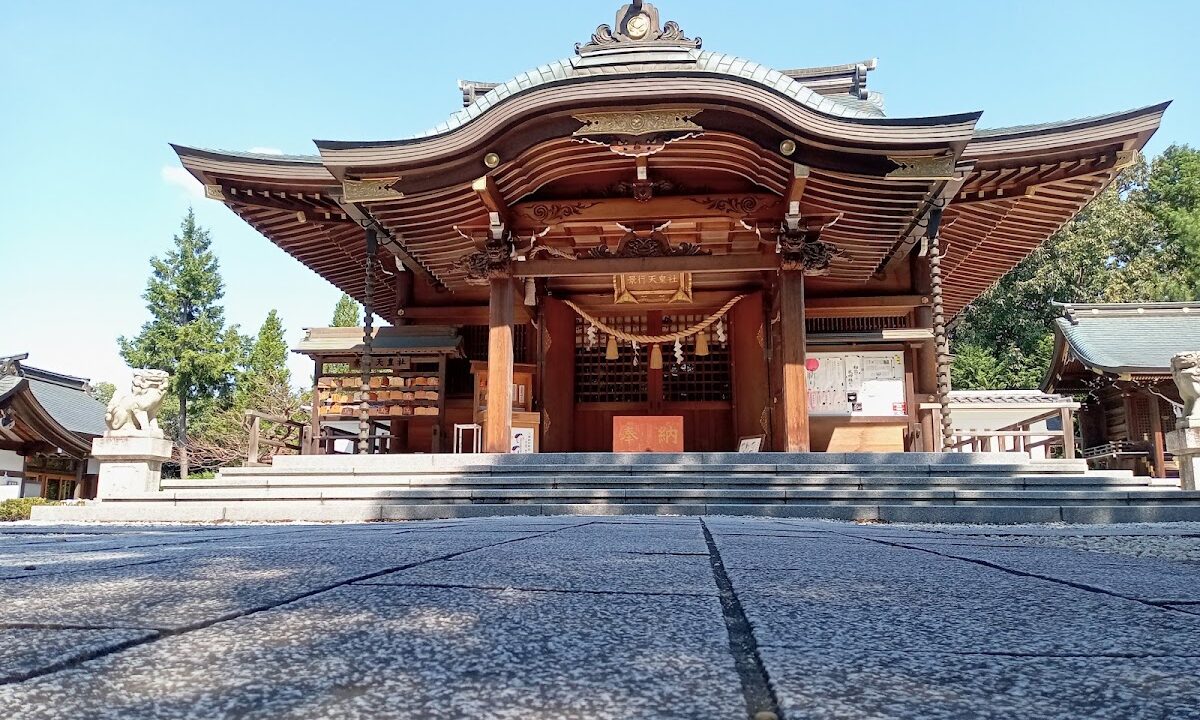
Keikō Tennō Shrine (Nagakute City, Aichi Prefecture) Complete Guide | Thorough Explanation of Goshuin (Shrine Seals), Access, and History
Located in Nishiura, Nagakute City, Aichi Prefecture, Keikō Tennō Shrine is a shrine that has been cherished by local residents for centuries as the tutelary deity of the former Nagakute district. Dedicated to the 12th Emperor Keikō, this shrine boasts a history of over 1400 years and is deeply connected to the legend of Yamato Takeru’s eastern expedition. This article comprehensively introduces information on Keikō Tennō Shrine’s goshuin (shrine seals), access methods, detailed history, and highlights.
Keikō Tennō Shrine: Complete Guide | Thorough Explanation of Goshuin, Access, History, and Highlights
Basic Information about Emperor Keikō Shrine
Location and Contact Information
Address: 401 Nishiura, Nagakute City, Aichi Prefecture 480-1171
Telephone Number: Please check the notices posted at the site for shrine office opening hours.
Shrine Office Opening Hours: Primarily Sundays 10:30 AM – 11:30 AM (Hours may vary, so it is recommended to check the latest information before visiting.)
Deities Enshrined
Main Deity: Ōtarashihiko Oshirowake no Mikoto
This is the name of Emperor Keikō, the 12th emperor of Japan, and the father of Yamato Takeru no Mikoto. Emperor Keikō is a legendary emperor, according to the *Nihon Shoki* and *Kojiki*, who reigned for 60 years and is known for ordering Yamato Takeru no Mikoto to conquer the eastern provinces.
History and Origins of the Keikō Tennō Shrine
Origin of Founding
The founding of the Keikō Tennō Shrine is related to an important event in ancient Japanese history. According to the *Nihon Shoki* (Chronicles of Japan), Emperor Keikō ordered his son, Yamato Takeru, to conquer the eastern part of the archipelago. After Yamato Takeru completed his eastern expedition, Emperor Keikō himself is said to have retraced his steps.
When the Emperor passed through Owari Province, Ishitsukuri no Ōmuraji, a powerful local clan leader, constructed a sacred building (itsukiden) to welcome the Emperor. This sacred building is considered the origin of the Keikō Tennō Shrine.
Changes in the Shrine Building
Jōwa 4 (837 AD): The Saitō clan built a shrine bearing the name of Emperor Keikō on the site of the former sacred building, “Ne no Kami.” This is considered the beginning of the shrine as a formal shrine.
Keicho 9 (1604): The shrine was relocated to its current location in Nishiura, Nagakute City. This period was shortly after the establishment of the Edo Shogunate, a time of regional reorganization.
Keiko Tenno Shrine in the Edo Period
During the Edo period, it was known by names such as “Sansha Myojin.” According to records from the early Edo period, Nagakute Village had 31 houses, 415 villagers, and 25 horses, making it a fairly large village for its time. It appears that Keiko Tenno Shrine functioned as the central place of worship for this village.
After the Meiji Era
Even after the Meiji-era separation of Shinto and Buddhism, it continued to attract worshippers as the local tutelary deity. Currently, it remains the guardian shrine of the former Nagakute area, serving as a spiritual pillar for the local community.
Goshuin (Shrine Seal) Information
Regarding the Issuance of Goshuin
Keiko Tenno Shrine offers Goshuin. However, since the shrine office has limited opening hours, it is recommended to check the opening days in advance.
Granting Hours: Primarily Sundays 10:30 AM – 11:30 AM
Granting Location: Shrine Office
Offering Fee: Like most shrines, it is expected to be around 300-500 yen (please confirm on-site).
Features of the Goshuin (Shrine Seal)
The goshuin of Keiko Tenno Shrine features the shrine name and date of visit written in ink, and stamped with the shrine’s seal. It is a goshuin that conveys the dignity of a shrine dedicated to an ancient emperor.
About Goshuincho (Shrine Seal Books)
Please inquire directly at the shrine office during opening hours regarding the availability of original goshuincho.
Access Methods
Access by Public Transportation
Using the Linimo (Eastern Hills Line)
- Nearest Station: Hanamizuki-dori Station
- Distance from Station: Approximately 6 minutes on foot
- Exit the station and head southwest. The shrine is located through a residential area.
Transfer from Nagoya Municipal Subway Higashiyama Line
- Transfer to the Linimo at Fujigaoka Station
- Approximately 5 minutes to Hanamizuki-dori Station
- Approximately 6 minutes on foot from the station to Keiko Tenno Shrine
Access by Car
From Nagoya
- Take National Route 363 towards Nagakute city center
- Navigation System Setting: 401 Nishiura, Nagakute City, Aichi Prefecture
Parking Information
- Parking: Available (south side of the shrine)
- Capacity: Approximately 20 cars
- Fee: Free
- Parking for large vehicles may be difficult
Distance from major nearby facilities
- From Nagakute City Hall: Approximately 5 minutes by car
- From Aeon Mall Nagakute: Approximately 3 minutes by car
- From Aichi Expo Memorial Park (Moricoro Park): Approximately 10 minutes by car
Highlights of the Shrine Grounds
Shrine Buildings
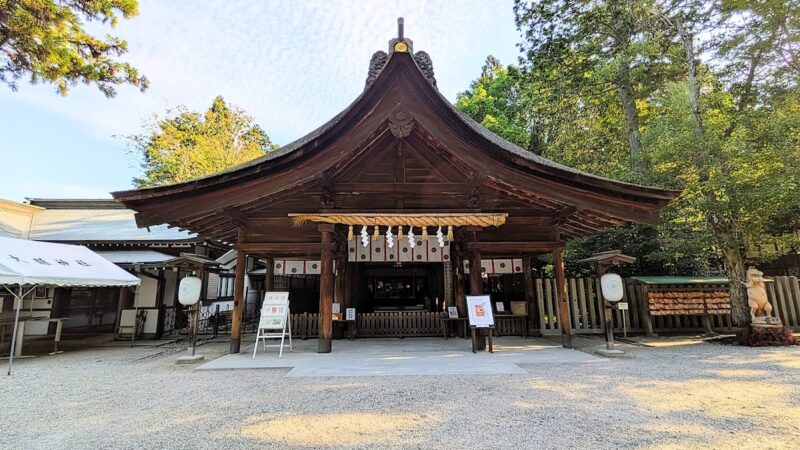
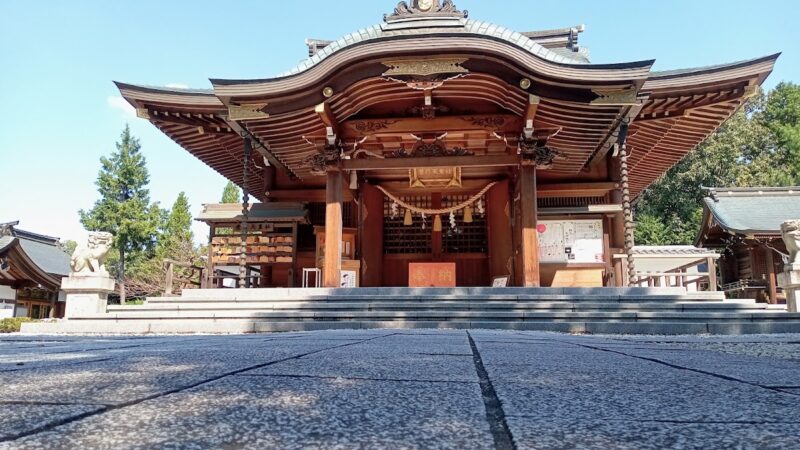
The main hall is built in the traditional Shinmei-zukuri style, exuding a simple yet dignified presence. The worship hall has an open design that warmly welcomes visitors.
Atmosphere of the Shrine Grounds
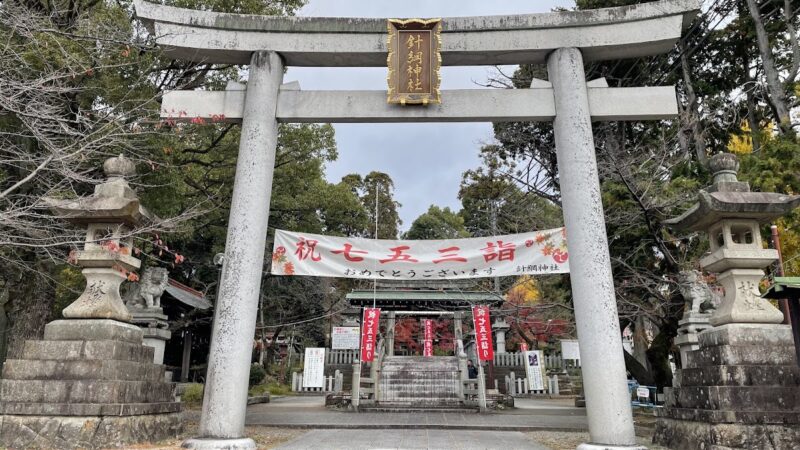
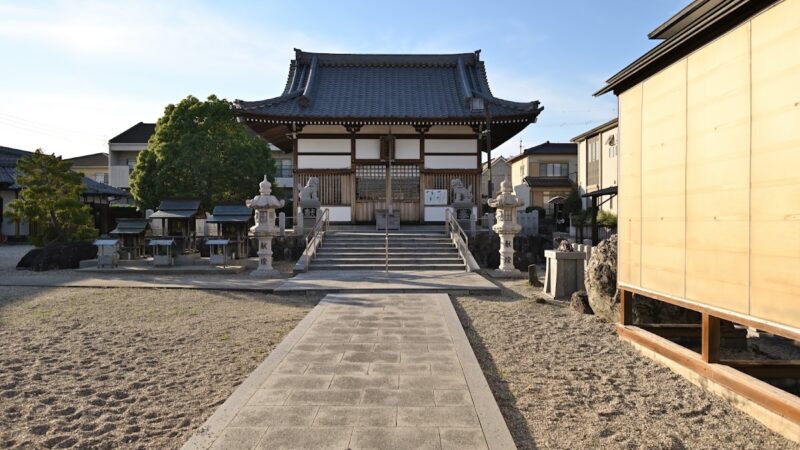
Despite being located in a residential area, the shrine grounds are enveloped in a tranquil atmosphere. Ancient trees line the grounds, making it a valuable green space in the increasingly urbanized city of Nagakute. Visiting in the early morning or evening offers a particularly sacred experience.
Stone Monuments and Memorials
Within the shrine grounds are stone monuments recording the history of the shrine and memorials that tell the history of the region. Reading these will allow you to gain a deeper understanding of the historical connection between Keiko Tenno Shrine and Nagakute.
Annual Events and Festivals
Annual Festival
As the local guardian shrine, various festivals are held throughout the year. The autumn grand festival, in particular, is an important event for the community, with many parishioners participating.
New Year’s Visit
Many worshippers, mainly local residents, visit the shrine for their first shrine visit of the new year. From New Year’s Day to the third day, it is bustling with families and local residents.
Other Events
- Monthly Festival
- Summer Purification Ceremony
- Niiname-sai (Harvest Festival)
These are just some of the traditional Shinto rituals that are being passed down.
Historical Relationship between Keiko Tenno Shrine and Nagakute
Development of the Nagakute Area
The place name Nagakute has been used since ancient times and is the origin of the current city name, Nagakute. Keiko Tenno Shrine is important historical evidence that this area has been a place of human activity since ancient times. ### Connection to the Battle of Nagakute
Nagakute City is known for the “Battle of Nagakute” in 1584. This battle was part of the Battle of Komaki-Nagakute, where Toyotomi Hideyoshi and Tokugawa Ieyasu confronted each other. The Keiko Tenno Shrine stood in this location during the Sengoku period, serving as a historical witness to turbulent times.
Ishizukuri no Omi and the Owari Region
Ishizukuri no Omi, who was involved in the founding of the Keiko Tenno Shrine, was a powerful local clan in the ancient Owari region. The Owari clan had deep ties with the Yamato court, indicating the politically and culturally important position of this region from ancient times.
Nearby Tourist Attractions
Aichi Expo Memorial Park (Moricoro Park)
This vast park was developed on the site of the 2005 Aichi Expo. Located about 10 minutes by car from the Keiko Tenno Shrine, it’s ideal for family sightseeing.
Nagakute Battlefield
This area, dotted with historical sites from the Battle of Nagakute, is highly recommended for history buffs. Visiting it in conjunction with the Keiko-tenno Shrine allows you to experience the history of Nagakute from ancient times to the Sengoku period.
Toyota Museum
This museum, where you can learn about the history of automobiles, is about a 15-minute drive from the Keiko-tenno Shrine. It displays famous cars from Japan and abroad, making it a must-see spot for car enthusiasts.
Aeon Mall Nagakute
This large shopping mall is convenient for meals and shopping after visiting the shrine. It’s also easily accessible, about a 3-minute drive from the Keiko-tenno Shrine.
Manners and Points for Visiting a Shrine
Etiquette for Visiting a Shrine
- Bow before passing through the torii gate: This is a courtesy before entering the sacred area.
- Purify yourself at the water basin: Purify your left hand, right hand, and mouth in that order.
- Walk along the edge of the path: The center is considered the path of the gods.
- Etiquette at the main hall: Two bows, two claps, and one bow are the basic rituals.
Photography
Photography is generally permitted within the shrine grounds, but please refrain from taking photos inside the shrine buildings or during religious ceremonies. Remember to be considerate of other visitors.
Attire
There are no particularly strict regulations, but it is desirable to wear clothing that reflects the sacred nature of the place.
The Charm of Emperor Keiko Shrine
Connection to Ancient History
The greatest charm of Emperor Keiko Shrine is its history, which is directly connected to ancient Japanese history. The story of Emperor Keikō and Yamato Takeru, recorded in the *Nihon Shoki* and *Kojiki*, is preserved in concrete form in this area.
Center of the Local Community
Even today, the Keikō Emperor Shrine serves as the tutelary shrine of the former Nagakute district, a spiritual anchor for local residents. Amidst increasing urbanization, it plays a role in maintaining traditional community bonds.
A Serene Space for Prayer
Despite being located in a residential area, the shrine grounds are enveloped in a tranquility that feels like another world. It is a place cherished by many as a place to escape the hustle and bustle of everyday life and find peace of mind.
About Nagakute City
City Overview
Nagakute City is located in the northwestern part of Aichi Prefecture, bordering Nagoya City, and has a population of approximately 60,000. It was incorporated as a city in 2012, making it one of the newest cities in Aichi Prefecture.
Transportation Access
The Linimo (Eastern Hills Line) runs through the city, providing excellent access to central Nagoya. Furthermore, it offers convenient access to the Tomei Expressway and the Nagoya Second Ring Expressway, making travel by car smooth and easy.
Cultural and Educational Environment
With higher education institutions such as Aichi Prefectural University of the Arts and Aichi Shukutoku University, it’s a city with a cultural atmosphere. It also focuses on childcare support, making it popular with younger generations.
Recommended Plan for Visiting Keiko Tenno Shrine
Half-Day Course
Morning
- 10:00 Arrive at Hanamizuki-dori Station
- 10:10 Visit Keiko Tenno Shrine and receive a Goshuin (stamp) (on Sundays)
- 11:00 Tour the surrounding Nagakute Battlefield historical sites
Afternoon
- 12:00 Lunch at Aeon Mall Nagakute
- 13:30 Stroll through Aichi Expo Memorial Park
Full-Day Course
In addition to the above half-day course, this full-day plan allows you to fully enjoy Nagakute City by visiting the Toyota Museum and other tourist spots along the Linimo line.
Summary
Keiko Tenno Shrine is a valuable shrine where you can feel the romance of ancient Japanese history. It has a history deeply connected to the story of Emperor Keiko (the 12th emperor) and Yamato Takeru’s eastern expedition, a period of Japanese nation-building, and has attracted local faith for over 1400 years.
Whether you’re a worshipper seeking a Goshuin (temple/shrine stamp), interested in history, or simply looking for a quiet place of prayer, this shrine offers a meaningful pilgrimage experience for everyone. Its convenient location, just a 6-minute walk from Hanamizuki-dori Station on the Linimo Line, is another attractive feature.
When visiting Nagakute City, be sure to stop by Keiko Tenno Shrine and experience the weight of its ancient history and the warmth of its deeply rooted community faith. Visiting on a Sunday morning when the shrine office is open will allow you to receive a Goshuin, making for a more fulfilling visit.
In today’s increasingly urbanized world, historic shrines like Keiko Tenno Shrine quietly remind us of the importance of Japanese tradition and culture. Why not spend some time at Keiko Tenno Shrine, calming your mind and reflecting on history?