Myokoji Temple Complete Guide | A Thorough Explanation of the Historic Rinzai Zen Temple in Ichinomiya City, Aichi Prefecture
Myokoji Temple, located in Ichinomiya City, Aichi Prefecture, is a large temple of the Myoshinji branch of the Rinzai sect, dating back to the Muromachi period. This ancient temple, with a history of approximately 680 years, houses numerous nationally designated important cultural properties and Aichi Prefecture designated cultural properties, and is known as a temple of high historical value. This article comprehensively explains everything you need to know before visiting Myokoji Temple, from its history and highlights within the grounds to its cultural properties and access information.
What is Myokoji Temple? | Basic Information and Overview
The official name of Myokoji Temple is “Chōtōsan Myoko Hōon Zenji,” and it is a Zen temple belonging to the Myoshinji branch of the Rinzai sect. It enshrines the principal images of Nyoirin Kannon Bodhisattva and the Shakyamuni Triad, and its vast grounds are designated as a historical site of Aichi Prefecture.
Basic Information
- Location: 2438 Myokoji, Yamato-cho, Ichinomiya City, Aichi Prefecture
- Mountain Name: Chotosan
- Sect: Rinzai Zen Myoshinji School
- Principal Image: Nyoirin Kannon Bodhisattva, Shakyamuni Triad
- Founder: Messo Soko
- Established: 1348 (Jowa 4th year / Shohei 3rd year)
- Visiting Hours: Grounds are freely accessible (Please check for building interior fees)
- Admission Fee: Free (May be charged during special viewings)
- Parking: Available (Free)
Myokoji Temple is conveniently located about a 7-minute walk from Myokoji Station on the Meitetsu Main Line and is a representative historical tourist spot in Ichinomiya City, attracting many worshippers and history enthusiasts.
History of Myōkōji Temple | A Historic Temple with a History Dating Back to the Muromachi Period
Founding and Founder
Myōkōji Temple was founded in 1348 (Jōwa 4th year/Shōhei 3rd year) by Metsusō Sōkō, the second son of Nakajima Kurōdo, the lord of Nakajima Castle in Owari Province. Metsusō Sōkō became a monk in his childhood, trained at Kenninji Temple in Kyoto, and then established a Zen temple in his hometown of Owari.
From its inception, it was developed as a large-scale temple, growing into a full-fledged Zen Buddhist temple with seven main halls. At the time of its founding, Myōkōji Temple was positioned as a central temple of the Rinzai sect in the Owari region.
Status as an Imperial Prayer Temple
A noteworthy aspect of Myōkōji Temple’s history is that it was recognized by the Imperial Court just a few years after its founding. In 1353 (Bunwa 2 / Shohei 8), it became a place of prayer for Ashikaga Yoshiakira, the second shogun of the Muromachi shogunate, and in 1356 (Enbun 1 / Shohei 11), it was designated an imperial prayer temple by Emperor Go-Kogon.
An imperial prayer temple is a high-ranking temple designated to pray for the safety and well-being of the emperor and the imperial family. Becoming an imperial prayer temple less than 10 years after its founding demonstrates how important Myokoji Temple was at the time. This status made Myokoji Temple known not only in the Owari region but throughout Japan.
Development from the Muromachi to the Edo Period
Throughout the Muromachi period, Myokoji Temple developed under the patronage of samurai families and influential local figures. Many sub-temples (tatchu: small temples within the grounds of a large temple) were built, and at its peak, it became a large temple with more than a dozen sub-temples.
During the Sengoku period (Warring States period), despite the turmoil of war, Myokoji Temple maintained its status as a temple, maintaining connections with powerful warlords such as Oda Nobunaga and Toyotomi Hideyoshi. During the Edo period, it received protection from the Owari Tokugawa family and functioned as a Zen training center.
History of Disasters and Reconstruction
Throughout its long history, Myokoji Temple has suffered several disasters. Damage from fires, in particular, was significant, and many of the original buildings were lost. Most of the buildings that remain today were rebuilt after the Edo period.
However, even so, many valuable cultural assets remain, including the Imperial Messenger Gate, a nationally designated Important Cultural Property, conveying the temple’s prestige and history dating back to the Muromachi period.
Highlights of the Temple Grounds | Cultural Properties and Historical Buildings
The grounds of Myokoji Temple boast an area of approximately 20,000 square meters and are protected as an Aichi Prefecture designated historical site. Within the naturally rich grounds, numerous buildings of high historical value are scattered.
Imperial Messenger Gate (Nationally Designated Important Cultural Property)
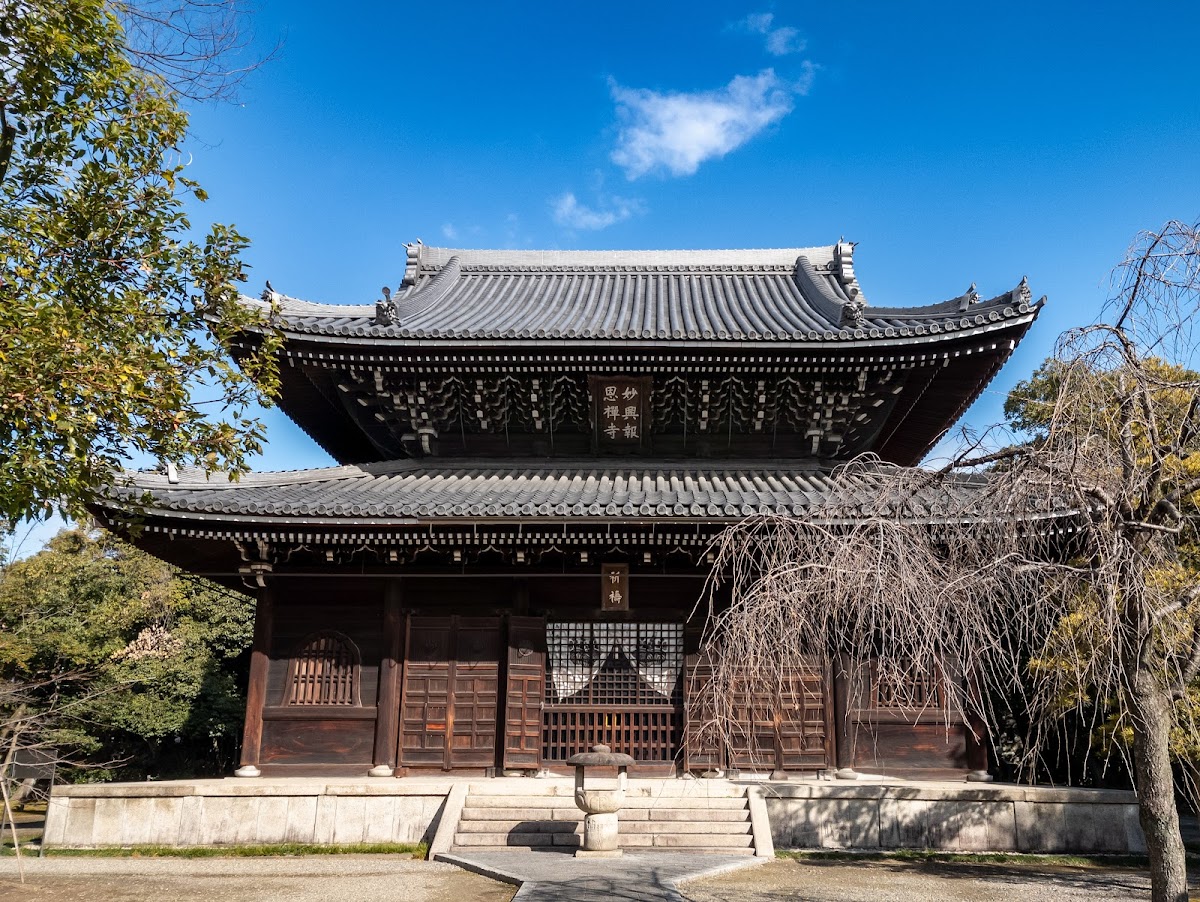
The most representative building of Myokoji Temple is the Imperial Messenger Gate, a nationally designated Important Cultural Property. This gate is a valuable relic that preserves the architectural style of the Muromachi period and is a symbolic building that shows Myokoji Temple was an imperial temple.
The Imperial Messenger Gate is a dignified gate used to receive the imperial messenger, the Emperor’s envoy. It is usually closed and opened only for special ceremonies. The cypress bark roof and simple yet dignified structure embody the aesthetics of Zen Buddhist architecture.
The detailed carvings and joinery show the architectural techniques of the Muromachi period, giving it significant value from an architectural history perspective. It is still well-preserved today and is a must-see cultural property when visiting Myokoji Temple.
Buddha Hall
Located in the center of the temple grounds, the Buddha Hall is an important building that houses the principal image, the Shakyamuni Triad. The current Buddha Hall was rebuilt during the Edo period, but it retains the solemn atmosphere characteristic of Zen Buddhist temples. The interior of the main hall features intricate carvings and ceiling paintings, showcasing the high level of craftsmanship from the Edo period. The space harmoniously blends the simplicity and dignified elegance characteristic of Zen temples.
Hojo (Main Hall)
The Hojo is the residence of the head priest and the central building where religious services and Zen meditation are held. Myokoji Temple’s Hojo, also rebuilt during the Edo period, is characterized by its spacious interior and beautiful sliding screen paintings.
A dry landscape garden surrounds the Hojo, creating a tranquil space that expresses the spirituality of Zen. The garden, which displays different expressions with each season, offers peace of mind to visitors.
Kaisando (Founder’s Hall)
The Kaisando, which enshrines the founder, Metsuso Soko, is also an important building on the temple grounds. It has been preserved by successive head priests and parishioners, commemorating the virtues of the founder.
Other Temple Facilities
The temple grounds also contain other structures necessary for a Zen Buddhist temple, such as a bell tower, a priest’s quarters (kuri), and a main gate. These buildings work together to create the solemn atmosphere of Myōkōji Temple.
The vast grounds are blessed with nature, and ancient trees and seasonal flowers welcome visitors. Especially during the autumn foliage season, the grounds are beautifully colored, making it a hidden gem for viewing autumn leaves in Ichinomiya City.
Cultural Assets of Myōkōji Temple | A Treasure Trove of Valuable Historical Materials
Myōkōji Temple is known not only for its buildings but also for housing numerous cultural assets.
Nationally Designated Important Cultural Property
- Imperial Messenger Gate: As mentioned above, this is a valuable gate that conveys the architectural style of the Muromachi period.
- Ancient Documents: Numerous valuable documents from the Muromachi to Edo periods are preserved here, serving as important materials for historical research.
Aichi Prefecture Designated Cultural Property
- Temple Grounds: The entire grounds of Myokoji Temple are protected as an Aichi Prefecture designated historical site.
- Buddhist Statues: Several Buddhist statues, including the principal image of Nyoirin Kannon Bodhisattva, are designated as cultural properties of the prefecture.
- Paintings: Zen paintings by successive renowned monks and Edo period sliding screen paintings are preserved here.
Ichinomiya City Designated Cultural Property
Furthermore, there are numerous cultural properties designated by the city, containing indispensable materials for understanding the history of the region.
Some of these cultural properties are sometimes exhibited at the Ichinomiya City Museum. When visiting Myokoji Temple, visiting the Ichinomiya City Museum as well will allow you to gain a deeper understanding of the history and culture of Myokoji Temple.
Collaboration between Myokoji Temple and Ichinomiya City Museum
Many of Myokoji Temple’s cultural artifacts are entrusted to the Ichinomiya City Museum for preservation and research. The Ichinomiya City Museum regularly holds special exhibitions related to Myokoji Temple, allowing visitors to see valuable ancient documents and Buddhist statues that are not usually on public display.
The Ichinomiya City Museum is located about 10 minutes by car from Myokoji Temple and is a facility where you can learn about the history of Ichinomiya City in general. Visiting the museum in conjunction with a visit to Myokoji Temple will allow you to understand the history of Ichinomiya City in a more comprehensive way.
Experiences at Myokoji Temple | Zen Meditation and Events
Myokoji Temple maintains its traditions as a Zen temple while providing opportunities for the general public to experience the spirit of Zen.
Zen Meditation Experience
Myokoji Temple regularly holds Zen meditation sessions, and even beginners can participate. Zen meditation in the tranquil main hall is a valuable experience for calming the mind away from the hustle and bustle of everyday life.
For information on the dates, times, and application procedures for the Zen meditation sessions, it is recommended to inquire with the temple in advance. Because you will receive careful instruction on the basics of Zen practice, even beginners can participate with confidence.
Annual Events
Myokoji Temple holds traditional annual events as a Zen Buddhist temple.
- Hanamatsuri (Flower Festival) (April 8th): A celebration of the birth of Buddha
- Urabon-e (Obon Festival) (August): A memorial service for ancestors
- Kaisan-ki (Founder’s Memorial): A memorial service held on the anniversary of the death of the temple’s founder, Metsusō Sōkō
Some of these events are open to general visitors.
The Tradition of Yabusame (Equestrian Archery)
Myokoji Temple has a history of practicing Yabusame (a mounted archery technique similar to Yabusame). Although it is not held regularly now, this tradition is recorded as part of Myokoji Temple’s history.
Sightseeing Around Myokoji Temple | Exploring the History of Ichinomiya City
When visiting Myokoji Temple, exploring the surrounding historical sites will enhance your Ichinomiya City sightseeing experience.
Ichinomiya City Museum
As mentioned above, this facility displays cultural artifacts from Myokoji Temple and offers a glimpse into the history of Ichinomiya City. The permanent exhibition showcases the history of Ichinomiya City from ancient times to the present day.
Aburata Ruins
Ichinomiya City is home to the important archaeological site of Aburata Ruins. It is the remains of a settlement from the Yayoi and Kofun periods, and is a valuable site for understanding the ancient history of this region.
Masumida Shrine
Masumida Shrine, the “Ichinomiya of Owari Province” from which Ichinomiya City derives its name, is also located about 15 minutes by car from Myokoji Temple. It is a representative shrine of Ichinomiya City and well worth a visit.
History of Ichinomiya City’s Textile Industry
Ichinomiya City has long flourished as a center of the textile industry. Within the city, there are facilities exhibiting historical materials related to textiles, allowing you to learn about the history of Ichinomiya City from a different perspective than that of Myokoji Temple.
Access Information | How to Get to Myokoji Temple
Access by Train
Using the Meitetsu Main Line
- Get off at Meitetsu “Myokoji Station,” approximately 7 minutes on foot
- Approximately 20 minutes from Nagoya Station to Myokoji Station (using the limited express train)
Myokoji Station is named after the temple, and the station name itself speaks to the historical importance of Myokoji Temple. The path from the station to the temple is flat, and there are well-maintained signs, so you can arrive without getting lost even on your first visit.
Access by Car
From Nagoya
- Approximately 15 minutes from the Meishin Expressway “Ichinomiya IC”
- Approximately 10 minutes from the Tokai-Hokuriku Expressway “Ichinomiya Nishi IC”
Parking: Free parking is available on the temple grounds (spaces are limited, so please be aware of congestion).
Surrounding Traffic Information
The area around Myokoji Temple is a residential area, and some roads are relatively narrow. When visiting by car, please drive carefully, paying attention to your speed and being considerate of the lives of local residents.
Manners and Precautions During Visits
Myokoji Temple is an active temple and a place of spiritual training. Please note the following points when visiting.
Basic Manners
- Maintain Silence: Please refrain from loud conversations on the temple grounds and pray quietly.
- Photography: Photography is generally permitted on the temple grounds, but photography inside buildings and of Buddha statues may be prohibited. Please check in advance.
- Restricted Areas: Do not enter areas marked as restricted, such as the residential areas for monks.
- Dress Code: There are no specific regulations, but please dress appropriately and respectfully for a temple.
Visiting Hours
While the temple grounds are generally open for free visits during the day, it is recommended to check in advance regarding visits to the interior of the buildings. If you wish to participate in special viewings or Zen meditation sessions, please be sure to contact the temple beforehand.
Seasonal Highlights
- Spring (March-May): Beautiful cherry blossoms and fresh greenery, perfect for a stroll in mild weather.
- Summer (June-August): Enjoy the cool breeze amidst the lush greenery of the temple grounds.
- Autumn (September-November): Beautiful autumn foliage, a hidden gem popular in Ichinomiya City.
- Winter (December-February): Experience the profound spirituality of Zen in the tranquil atmosphere of the temple grounds.
The Charm of Myokoji Temple | Why You Should Visit
The greatest charm of Myokoji Temple is that you can experience the atmosphere of an authentic Zen temple with a history of approximately 680 years, close to the city.
Historical Value
Founded during the Muromachi period, Myokoji Temple, a temple of imperial prestige, boasts one of the longest histories in Aichi Prefecture. Its cultural assets, including the Imperial Messenger Gate (a nationally designated important cultural property), are valuable resources for learning about Japanese history.
Experiencing the Spirit of Zen
Escape the hustle and bustle of modern society and find peace of mind in the tranquil temple grounds—a truly invaluable experience. Through Zen meditation, you can directly connect with the spirituality of Zen.
Harmony with Nature
The vast temple grounds are blessed with abundant nature, allowing you to enjoy the beauty of each season. Especially during the autumn foliage season, you can appreciate the beautiful scenery created by the interplay of historical buildings and nature.
Easy Access
Despite its convenient location, approximately 20 minutes by train from Nagoya, it maintains a quiet and peaceful environment. Its ease of day-trip visits is a major attraction.
The Role of Myokoji Temple in Ichinomiya City’s History
Myokoji Temple is an indispensable part of Ichinomiya City’s history. From the medieval to the early modern period, it functioned as the religious and cultural center of the region.
The existence of Myokoji Temple, with its connections to the Imperial Court and the Shogunate in the important region of Owari Province, demonstrates that Ichinomiya City is not merely a provincial city, but a region that has played a historically significant role.
Even today, Myokoji Temple remains a beloved symbol of Ichinomiya City’s historical identity, cherished by both residents and tourists. It’s a historical spot you absolutely must visit when in Ichinomiya City.
Summary | Experiencing History and Zen at Myokoji Temple
Myokoji Temple in Ichinomiya City, Aichi Prefecture, is a large temple of the Myoshinji branch of the Rinzai school, boasting a history of approximately 680 years. Founded during the Muromachi period, this temple, with its status as an imperial prayer temple, houses numerous valuable cultural assets, including the Imperial Messenger Gate, a nationally designated Important Cultural Property.
The vast temple grounds are protected as an Aichi Prefecture designated historical site, allowing visitors to explore historical buildings in a rich natural environment. It’s also a valuable place to experience the spirituality of Zen through activities such as Zen meditation.
Its easy accessibility, just about 20 minutes by train from Nagoya, makes it a perfect day trip. Visiting nearby historical sites such as the Ichinomiya City Museum in conjunction with Myokoji Temple will enhance your historical exploration.
For history buffs, those seeking peace of mind, and anyone interested in traditional Japanese culture, Myokoji Temple is well worth a visit. Why not listen to the stories woven over approximately 680 years of history in its tranquil grounds?