Complete Guide to Masumida Shrine | A Thorough Explanation of the History, Benefits, and Highlights of the Shrine Grounds, as well as Annual Events, for the Ichinomiya (First Shrine) of Owari Province
Masumida Shrine, located in the heart of Ichinomiya City, Aichi Prefecture, is a venerable shrine with a history of over 2,600 years, serving as the Ichinomiya of Owari Province and attracting the reverence of many people from ancient times to the present day. The name of Ichinomiya City itself originates from this shrine, indicating that the region developed around Masumida Shrine.
This article comprehensively explains everything you need to know before visiting Masumida Shrine, including its history, enshrined deities and benefits, detailed highlights of the grounds, annual festivals and events, and access information.
History and Origins of Masumida Shrine
Founding and Ancient History
The founding of Masumida Shrine is said to date back to the age of the gods, and while the exact founding date is unclear, shrine tradition states that it was established in 628 BC (33rd year of Emperor Jimmu’s reign). Originating from the worship of the Owari clan, who ruled the Owari region in ancient times, the shrine enshrines Amenohokari-no-Mikoto, the ancestral deity of the Owari clan.
The Owari clan was a powerful local family in ancient Japan, and Masumida Shrine, which enshrined their tutelary deity, naturally developed as a central shrine in the Owari region. The Engishiki Jinmyocho (a list of shrines compiled in the Heian period) lists it as “Masumida Shrine, Nakashima District, Owari Province, Myojin Taisha (a major shrine),” indicating that it was already highly regarded by the imperial court as a Myojin Taisha during the Heian period.
Development from the Medieval to the Early Modern Period
From the Heian period to the Kamakura period, Masumida Shrine established a firm position as the Ichinomiya (first-ranked shrine) of Owari Province. An Ichinomiya is the shrine with the highest rank in each province, and it was also the first shrine visited by the provincial governor.
In 1221 (Jokyu 3) of the Kamakura period, Emperor Juntoku donated numerous Bugaku masks (court dance masks). These Bugaku masks are currently designated as Important Cultural Properties of Japan and are carefully preserved in the shrine’s treasure hall. This dedication has historical significance related to the Jōkyū War, demonstrating the deep connection between Masumida Shrine and the Imperial Court.
During the Edo period, the shrine received 333 koku of land as a sacred territory from the Tokugawa shogunate and enjoyed the deep reverence of the Owari domain lord. During this time, a temple town developed around Masumida Shrine, laying the foundation for the current urban structure of Ichinomiya City. A map clearly shows how roads radiate from Masumida Shrine, demonstrating its central role in the town.
Developments since the Modern Era
Under the Meiji era’s shrine ranking system, it was ranked as a National Shrine of the second rank. Although part of the shrine buildings were destroyed in the Ichinomiya air raid of 1945, it was rebuilt after the war and has reached its current form. Currently, as a special shrine of the Association of Shinto Shrines, it welcomes many worshippers as one of the representative shrines of northwestern Aichi Prefecture.
Deities and Benefits
Main Deity: Amenohokari-no-Mikoto
Amenohokari-no-Mikoto, the main deity of Masumida Shrine, is considered a god who personifies the sun and is a grandson of Amaterasu-Omikami. He is a deity connected to the lineage of Amaterasu-Omikami, enshrined at Ise Grand Shrine, and has been revered since ancient times as the ancestral deity of the Owari clan.
Amenohokari-no-Mikoto is also known as Nigihayahi-no-Mikoto and is known as a god who spread agricultural techniques, especially weaving. The shrine’s name, “Masumida,” is said to originate from the fact that rice cultivation was carried out in the clean rice fields of this region.
Benefits and Faith
Masumida Shrine is believed to offer the following benefits, attracting many worshippers:
Career Success and Business Protection: As Amenohokari-no-Mikoto is a god who presides over the development of industry, many worshippers visit the shrine to pray for success in their work and the prosperity of their businesses.
Career Advancement: Popular among those wishing for career advancement and promotion.
Good Fortune and Protection from Evil: Suitable for those seeking protection from evil at life’s turning points and praying for improved luck.
Prosperity of Descendants: A long-standing belief in the prosperity of family lineages and the blessing of children.
Protection of Weavers: In the Ichinomiya region, historically a thriving textile industry, the deity has been worshipped as the guardian deity of those involved in weaving.
Healing of Eye Diseases: Due to its nature as a sun god, there is also a belief in praying for eye health.
Detailed Guide to the Shrine Grounds
The grounds of Masumida Shrine are a space where historical buildings and beautiful nature harmonize, offering numerous points of interest.
The Grand Torii Gate and Approach
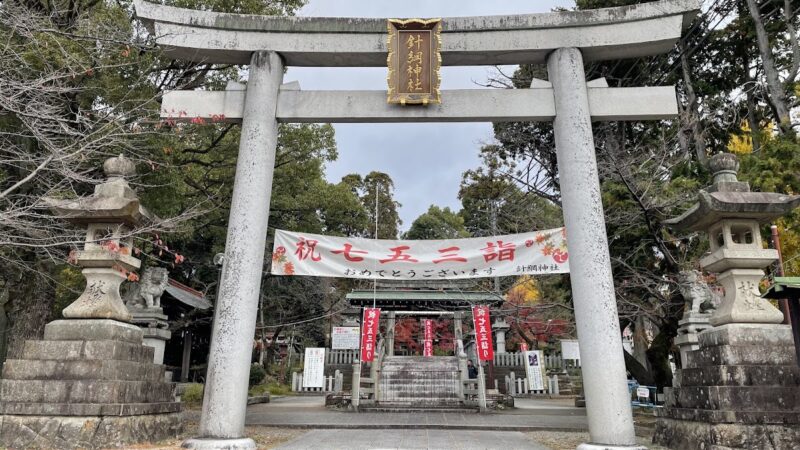
After passing through the arcade of Honmachi Shopping Street from Ichinomiya Station, you will see the large torii gate of Masumida Shrine directly in front of you. Passing through this gate, the approach leads to the main shrine building. The approach to the shrine is lined with trees on both sides, creating a tranquil atmosphere despite its central urban location.
The Tower Gate
Upon entering the shrine grounds, the first thing that catches the eye is the magnificent tower gate. With its imposing bronze roof, this gate is a symbolic landmark of Masumida Shrine. The contrast between the gate’s vermilion color and the bronze roof is beautiful, making it a popular spot for many visitors to take commemorative photos.
The Water Basin and Sacred Water Basin
The water basin, where visitors purify themselves before praying, maintains its traditional style while being kept clean. There is also a sacred water basin on the grounds, from which pure water springs forth. This water has long been revered as sacred water.
The Worship Hall and Main Shrine
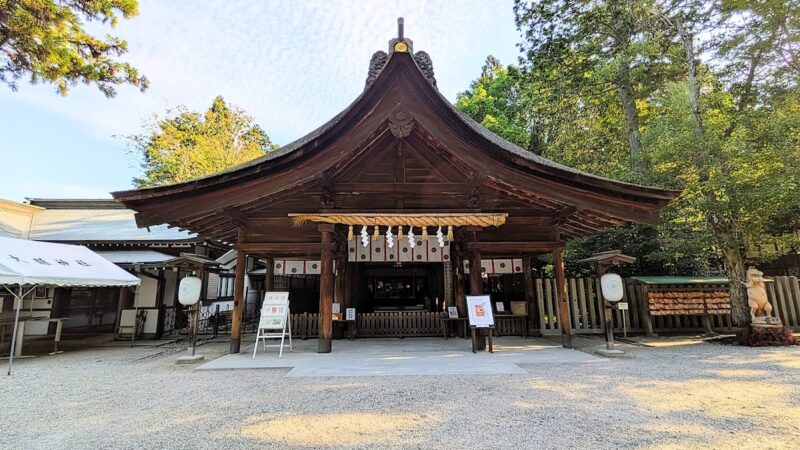
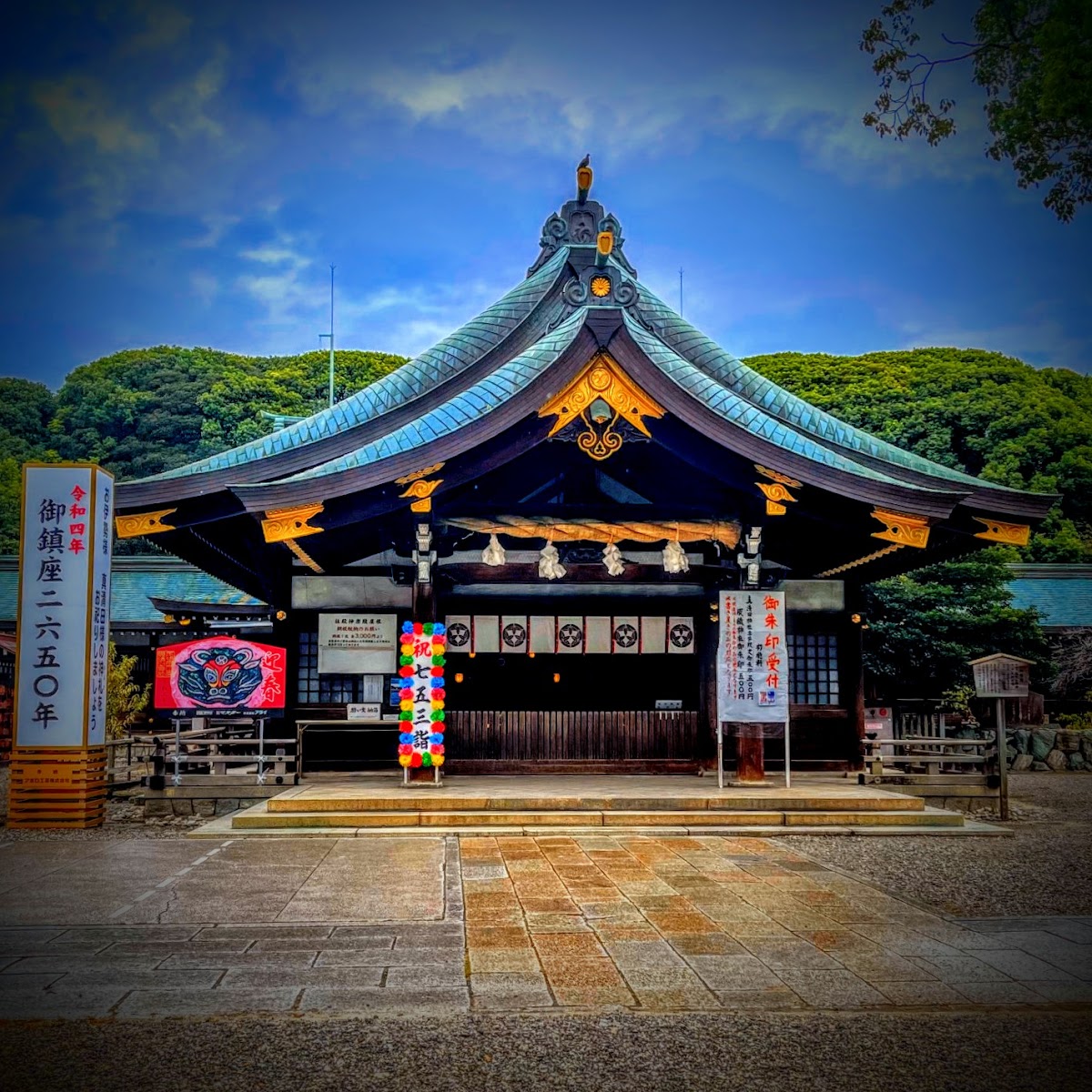
The worship hall is a magnificent cypress wood structure, where visitors offer their prayers. Behind it lies the main shrine, built in the Shinmei-zukuri style, where Ame-no-Hoakari-no-Mikoto is enshrined. The area around the main shrine is surrounded by a stone fence, creating a sacred atmosphere.
Subsidiary Shrines
Within the grounds of Masumida Shrine, there are many subsidiary shrines, each with its own unique beliefs.
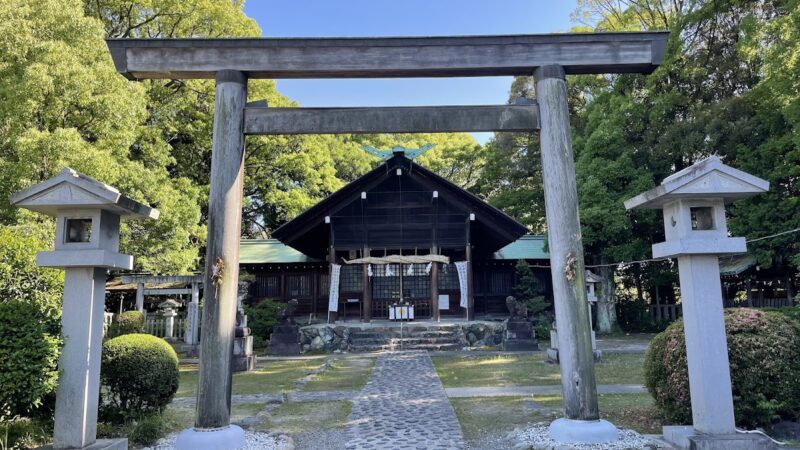
Hatori Shrine: One of the most important subsidiary shrines of Masumida Shrine. It enshrines Yorozuhata Toyoakitsushihime no Mikoto, the mother goddess of Ame no Hoakari no Mikoto, and is revered as the guardian deity of weaving. This shrine is deeply connected to the history of Ichinomiya, which prospered from the textile industry.
Sanmyo Shrine: A subsidiary shrine that enshrines three deities and is believed to bring blessings for family safety and business prosperity.
Sanpachi Inari Shrine: A popular subsidiary shrine for worshippers praying for business prosperity and a bountiful harvest. While Inari worship is widespread throughout Japan, the Sanpachi Inari Shrine at Masumida Shrine enjoys particularly strong local devotion.
Itsukushima Shrine: Dedicated to Ichikishimahime-no-Mikoto, the goddess of water, it is believed to bring blessings for artistic improvement and beauty. Situated on the shore of the sacred pond, it creates a picturesque landscape.
Hachiryu Shrine: A shrine dedicated to the dragon god, it is associated with the blessings of water and prayers for rain.
Shinmei Shrine: A subsidiary shrine dedicated to Amaterasu Omikami, demonstrating its connection to Ise Shintoism.
Visiting these subsidiary shrines allows for a deeper experience of the faith of Masumida Shrine.
Sacred Pond and Nature
Within the shrine grounds is a beautiful sacred pond where you can see carp swimming. The area around the pond is planted with seasonal flowers, allowing visitors to enjoy the changing scenery throughout the year: cherry blossoms in spring, fresh greenery in early summer, and vibrant autumn leaves. Especially during cherry blossom season, it’s known as a famous cherry blossom viewing spot in Ichinomiya, attracting many visitors.
Treasure Hall
The Masumida Shrine Treasure Hall opened in May 1989, coinciding with the construction of the assembly hall. The hall displays valuable items, including Bugaku masks designated as important national cultural properties, prefectural and municipal designated cultural properties, and sacred treasures collected and preserved after being temporarily removed from the shrine.
In particular, the Bugaku masks donated by Emperor Juntoku are of high art historical value as excellent works of art from the Kamakura period. While advance reservations are required to visit the Treasure Hall, it’s a facility well worth visiting for a deeper understanding of the history of Masumida Shrine.
Major Annual Festivals and Events
Masumida Shrine holds numerous festivals and events throughout the year.
Peach Blossom Festival (Tōkasai)
This annual festival, held on April 3rd, is the most important event at Masumida Shrine. Its name comes from the fact that it takes place during the season when peach blossoms are in bloom. The festival features ancient and elegant rituals, attracting many worshippers. The shrine grounds are adorned with peach blossoms, creating a vibrant atmosphere celebrating the arrival of spring.
Rice Planting Festival (Otauesai)
This festival, unique to Masumida Shrine which enshrines the god of agriculture, is a traditional ritual praying for a bountiful harvest. The ritual, which involves actually performing rice planting actions, is a valuable cultural practice that preserves ancient agricultural rituals.
Bugaku Ritual
The dedication of Gagaku (ancient Japanese court music) and Bugaku (court dance) using Bugaku masks donated by Emperor Juntoku is one of the important rituals at Masumida Shrine. The elegant dance and music, which convey the court culture of the Heian period, transport viewers to an ancient world.
Connection to the Ichinomiya Tanabata Festival
The Ichinomiya Tanabata Festival, held annually in late July, is known as one of Japan’s three major Tanabata festivals, and Masumida Shrine is deeply involved. During the festival, various Shinto rituals and events are held on the shrine grounds, attracting many worshippers. Given Ichinomiya’s reputation as a textile town, the connection with Masumida Shrine, which enshrines the god of weaving, is quite natural.
Other Annual Events
- Hatsumode: During the first three days of the New Year, the shrine attracts many worshippers as one of Aichi Prefecture’s leading Hatsumode spots.
- Setsubun Festival: Traditional events such as bean-throwing are held on February 3rd.
- Shichi-Go-San: In autumn, many families visit to pray for the healthy growth of their children.
- Oharai: Twice a year, in June and December, a Shinto ritual is held to purify the impurities accumulated over the past six months. ## Manners and Etiquette for Visiting a Shrine
This section introduces basic manners and etiquette for visiting Masumida Shrine.
Basic Procedure for Visiting a Shrine
- Passing Through the Torii Gate: Bow before passing through the torii gate. Walk away from the center of the path.
- Purifying at the Water Basin: Purify your left hand, then your right hand, then take water in your left hand and rinse your mouth, and finally purify the handle of the ladle.
- Proceeding to the Main Hall: Proceed quietly to the front of the main hall.
- Offering a Coin: Carefully place your offering.
- Two Bows, Two Claps, One Bow: Bow deeply twice, clap your hands twice, offer your prayer, and then bow deeply once more.
Attire
While casual attire is acceptable, please dress neatly and cleanly. For those receiving prayers, more formal attire is recommended.
Photography
Photography is generally permitted within the shrine grounds, but there are areas and times where photography is restricted, such as inside the main hall or during religious ceremonies. Please check with the shrine office if you have any questions.
Access and Visiting Information
Location
1-2-1 Masumida, Ichinomiya City, Aichi Prefecture 491-0043
Access by Train
- Approximately 8 minutes on foot (approx. 800m) from JR Tokaido Main Line “Owari-Ichinomiya Station” or Meitetsu Nagoya Main Line “Meitetsu-Ichinomiya Station”
- The route from the station is easy to follow, passing through the Honmachi Shopping Arcade.
Access by Car
- Approximately 20 minutes from the Meishin Expressway “Ichinomiya IC”
- Approximately 15 minutes from the Tokai-Hokuriku Expressway “Ichinomiya-Kisogawa IC”
Parking
There is parking for visitors on the shrine grounds and in the surrounding area. However, it gets very crowded during New Year’s visits and major festivals, so using public transportation is recommended.
Visiting Hours
Entry to the shrine grounds is generally free, but the reception hours for the shrine office and gift shop are generally from 9:00 to 17:00. If you wish to have a prayer service, it is recommended to check by phone in advance.
Visiting the Treasure Hall
Visiting the Treasure Hall requires advance reservations. If you wish to visit, please inquire by phone at the Masumida Shrine office.
Nearby Tourist Attractions
Here are some nearby spots you might want to visit when you come to Masumida Shrine.
Honmachi Shopping Street
This arcade shopping street, located in front of the gates of Masumida Shrine, is a lively street where traditional shops and new stores coexist. Enjoy a stroll before or after visiting the shrine.
Ichinomiya City Museum
This museum allows you to learn about the history and culture of Ichinomiya City, and also features exhibits related to Masumida Shrine. It’s ideal for gaining a deep understanding of the region’s history.
138 Tower Park
This large park, representative of Ichinomiya City, is symbolized by the 138-meter-high Twin Arch 138. It’s a perfect spot for families to relax.
The Connection Between Masumida Shrine and Ichinomiya City
The name of Ichinomiya City originates from the fact that Masumida Shrine is the Ichinomiya (first-ranked shrine) of Owari Province. While there are several cases throughout Japan where Ichinomiya Shrines are used as city or town names, Ichinomiya City is unique in that it has its own municipal status.
Looking at the city’s urban planning, roads radiate outwards from Masumida Shrine, reflecting its history as the city’s central hub. Even today, Masumida Shrine is cherished by the citizens of Ichinomiya as a “spiritual home” and remains an important element of the city’s cultural identity.
Ichinomiya’s Textile Industry and Masumida Shrine
Ichinomiya City is known as a town that has flourished since ancient times due to its textile industry. The existence of Masumida Shrine, which enshrines Ame-no-Hoakari-no-Mikoto, the guardian deity of weaving, and its subsidiary shrine, Hatori Shrine, greatly influenced the development of this industry.
From the Edo period through the Meiji, Taisho, and Showa eras, Ichinomiya led Japan’s textile industry as a “textile town.” Many textile manufacturers prayed to Masumida Shrine and Hatori Shrine for business prosperity and technological advancement, and revered them as guardian deities of the industry.
Even today, people from textile-related companies visit the shrines, continuing the traditional faith.
Special Experiences at Masumida Shrine
Prayers
At Masumida Shrine, you can receive prayers tailored to various personal and corporate wishes. Prayers are performed for various milestones and wishes in life, such as protection from misfortune, family safety, business prosperity, success in examinations, and safe childbirth.
Weddings
At the Masumida Shrine’s assembly hall, you can hold an authentic Shinto wedding ceremony. A wedding at this historic shrine will be solemn and memorable.
Amulets and Goshuin (Shrine Seals)
The shrine office offers various types of amulets and talismans. You can also receive Goshuin (shrine seals), so it’s a good idea to bring your Goshuincho (seal book). The Goshuin of Masumida Shrine is a precious item that reflects its status as the Ichinomiya (first-ranked shrine) of Owari Province.
Masumida Shrine Through the Seasons
Spring (March-May)
During cherry blossom season, the shrine grounds are dyed in a delicate pink, attracting many visitors as a famous cherry blossom viewing spot in Ichinomiya. The Peach Blossom Festival on April 3rd is a spring tradition.
Summer (June-August)
The fresh greenery is beautiful, and the shrine grounds are enveloped in a refreshing green. During the Ichinomiya Tanabata Festival in late July, the shrine grounds are filled with a festive atmosphere.
Autumn (September-November)
The autumn leaves are beautiful, and the area around the sacred pond is particularly picturesque. During the Shichi-Go-San season, the shrine is bustling with children in their finest attire.
Winter (December-February)
Preparations for the New Year are underway in a tranquil atmosphere. Hatsumode (first shrine visit of the year) is the time when the most worshippers visit the shrine.
Summary: The Significance of Visiting Masumida Shrine
Masumida Shrine, as the Ichinomiya (first-ranked shrine) of Owari Province with a history of over 2600 years, has attracted unwavering devotion from ancient times to the present day. Dedicated to the sun god Ame-no-Hoakari-no-Mikoto, this shrine, believed to bring blessings for career success, good fortune, protection from evil, and prosperity of descendants, is a spiritual pillar not only for Ichinomiya City but for the entire Aichi Prefecture.
Within the shrine grounds are numerous subsidiary shrines, including the main gate, main hall, Hatori Shrine, Sanpachi Inari Shrine, and Itsukushima Shrine, each with its own unique beliefs. The treasure hall houses valuable cultural artifacts, such as Bugaku masks designated as important national cultural properties, conveying a sense of historical weight.
The annual festivals, including the Peach Blossom Festival, Rice Planting Festival, and Bugaku rituals, are precious cultural events that preserve ancient traditions. Furthermore, its connection to the Ichinomiya Tanabata Festival and its deep ties to the textile industry speak to the history of this shrine’s integration with the local community.
Its convenient location, within walking distance of Ichinomiya Station, is a major draw. Despite being in the heart of the city, the shrine grounds, enveloped in a pure and serene atmosphere, offer a sanctuary for modern dwellers.
A visit to Masumida Shrine—a chance to feel history, purify your soul, and offer hopes for the future—will be a profound experience beyond mere sightseeing. When you visit Ichinomiya City, be sure to stop by this historic shrine.