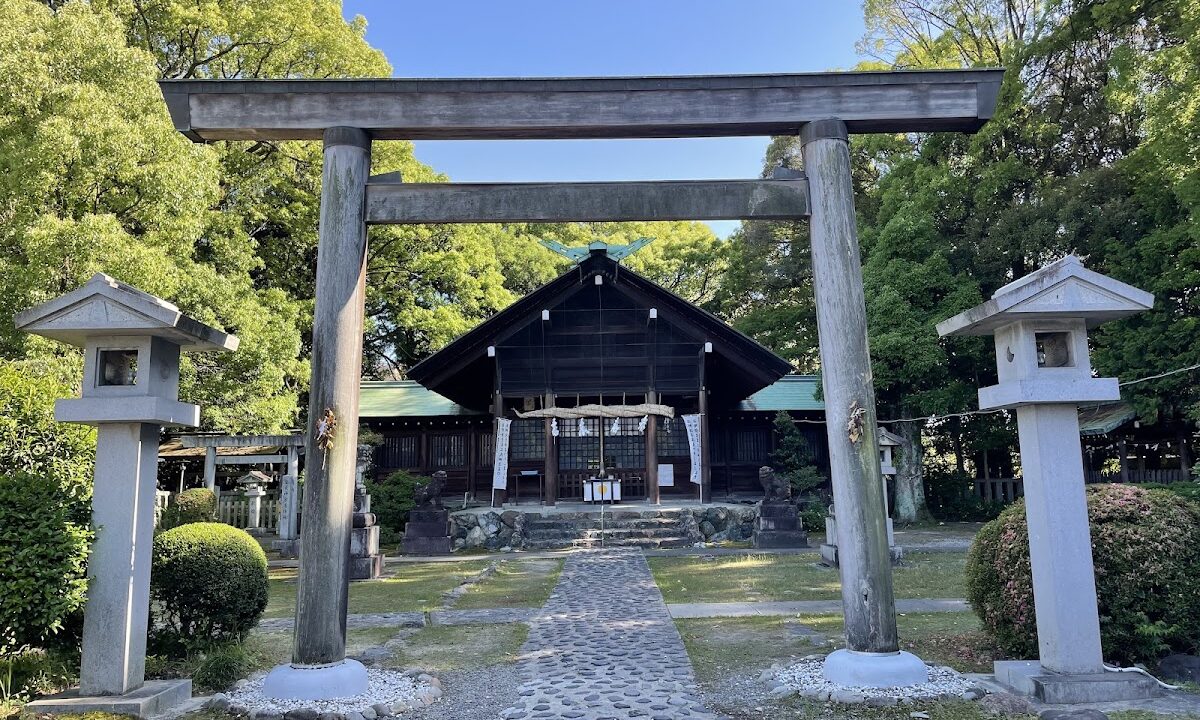
Sakami Shrine (Ichinomiya City, Aichi Prefecture) Complete Guide: History and Highlights of the Shikinaisha Shrine Dedicated to the Original Ise and the Ancestor of Sake Brewing
Sakami Shrine, located in Imaise-cho, Ichinomiya City, Aichi Prefecture, is a historically significant shrine deeply connected to the origins of sake brewing in Japan. Known as one of the sites associated with the original Ise legend, it is believed to be the site of “Nakajima-no-miya,” where Princess Yamato-hime stayed with Amaterasu Omikami. This guide provides a detailed overview of this shrine, a Shikinaisha (shrine listed in the Engishiki) and formerly a Gosha (village shrine), covering everything from its history to its Goshuin (shrine seal) and access information.
History and Origins of Sakami Shrine
Original Ise Legend and Princess Yamato-hime’s Visit
The most distinctive feature of Sakami Shrine is that it is a site associated with the original Ise legend. Moto-Ise refers to the site of the temporary palace where Princess Yamato-hime no Mikoto carried the sacred object of Amaterasu Omikami during her journey throughout Japan before Amaterasu Omikami was enshrined at the present-day Ise Grand Shrine.
According to the *Yamato-hime no Mikoto Seiki* (Chronicle of Princess Yamato-hime), Princess Yamato-hime no Mikoto, as the daughter of Emperor Suinin, traveled around various regions for approximately 20 years in search of a suitable place for Amaterasu Omikami to reside. It is said that during this journey, she established the “Nakajima Palace” in this area and stayed there for a time. This historical background positions Sakami Shrine as a special sacred site.
Origin as the Ancestral Deity of Sake Brewing
Another important aspect of Sakami Shrine is that it enshrines the founder of sake brewing. Sakamizuo no Mikoto and Sakamizume no Mikoto, two of the enshrined deities, are considered the ancestral deities of the Sakabe no Kimi (sake brewers).
According to legend, when Princess Yamato-hime was staying at Nakajima Palace, it was Sakemizuo-no-Mikoto and Sakemizume-no-Mikoto who brewed the sacred sake offered to the spring and autumn festivals of Ise Grand Shrine. This is considered the beginning of sake brewing in Japan, and is the reason why they are revered as the “ancestral deities of sake brewing.”
A shrine marker inscribed with “Ancestral Deities of Sake Brewing” stands beside the approach to the shrine, and was calligraphed by former Prime Minister Toshiki Kaifu. Mr. Kaifu was a member of parliament representing Aichi Prefecture, suggesting that he considered Sakami Shrine an important local landmark.
Status as a Shikinaisha Shrine
Sakami Shrine is a Shikinaisha shrine listed in the Engishiki Jinmyocho (a list of shrines compiled in the Heian period), and was a historically significant shrine recognized by the imperial court even during the Heian period. As a Shikinaisha shrine in Nakajima District, Owari Province, it is clear that it was a central figure in the local faith.
During the Edo period, it was a local shrine deeply rooted in the community and attracted widespread devotion. It was also ranked as a local shrine under the Meiji era’s shrine ranking system. Even today, it plays an important role as the local tutelary deity and is revered by the sake brewing industry.
About the Deities Enshrined
The following four deities are enshrined at Sakami Shrine:
Amaterasu Omikami
The supreme deity in Japanese mythology and the ancestral deity of the Imperial family. As a site of the Moto-Ise legend, Amaterasu Omikami, worshipped by Princess Yamato-hime, temporarily resided here, and is therefore enshrined as one of the principal deities.
Yamato-hime no Mikoto
The princess of Emperor Suinin, she traveled throughout Japan in search of a suitable place for Amaterasu Omikami to reside. According to legend, she built Nakajima Palace in this area and had sacred sake brewed here, and is therefore enshrined as an important deity.
Sakamizuo-no-Mikoto
This is a male deity considered the ancestor of sake brewing. He is the ancestral deity of the Sakabe clan and is said to have brewed the first sacred sake at the command of Yamato-hime-no-Mikoto. As a god symbolizing the origin of Japanese sake brewing culture, he is particularly revered by the sake brewing industry.
Sakamizume-no-Mikoto
This is a goddess said to have started sake brewing together with Sakamizuo-no-Mikoto. There is a legend that she and her husband transmitted sake brewing techniques, demonstrating the importance of cooperation between men and women in sake brewing.
These four deities, together, form two important pillars of faith: the divine power of Moto-Ise and the protection of sake brewing.
Highlights of the Shrine Grounds
Characteristics of the Shrine Buildings and Layout
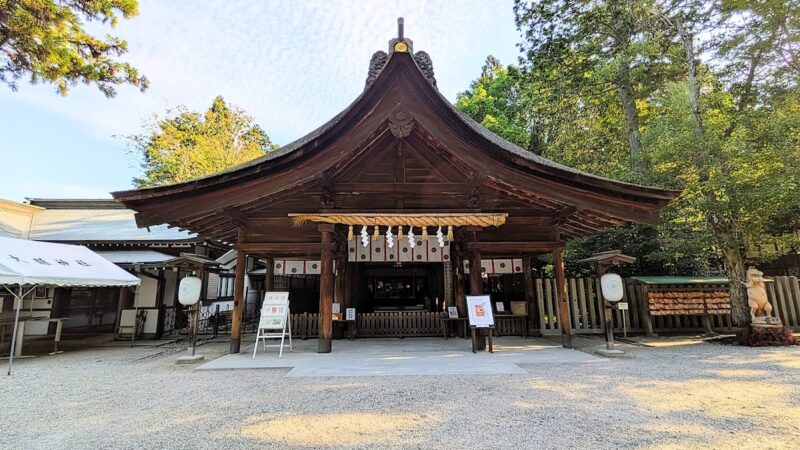
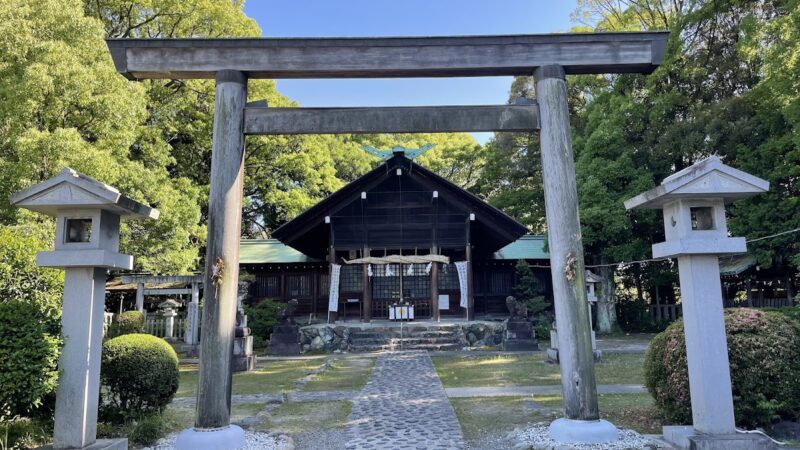
The grounds of Sakami Shrine have a distinctive layout that differs from typical shrines. Most notably, the shrine buildings are unusually built facing north. While shrines are typically built facing south or east, Sakami Shrine faces north.
This orientation is thought to be due to its unique character as a former Ise shrine and geographical reasons. Worshippers proceed from south to north, approaching the shrine.
Worship Hall and Main Sanctuary
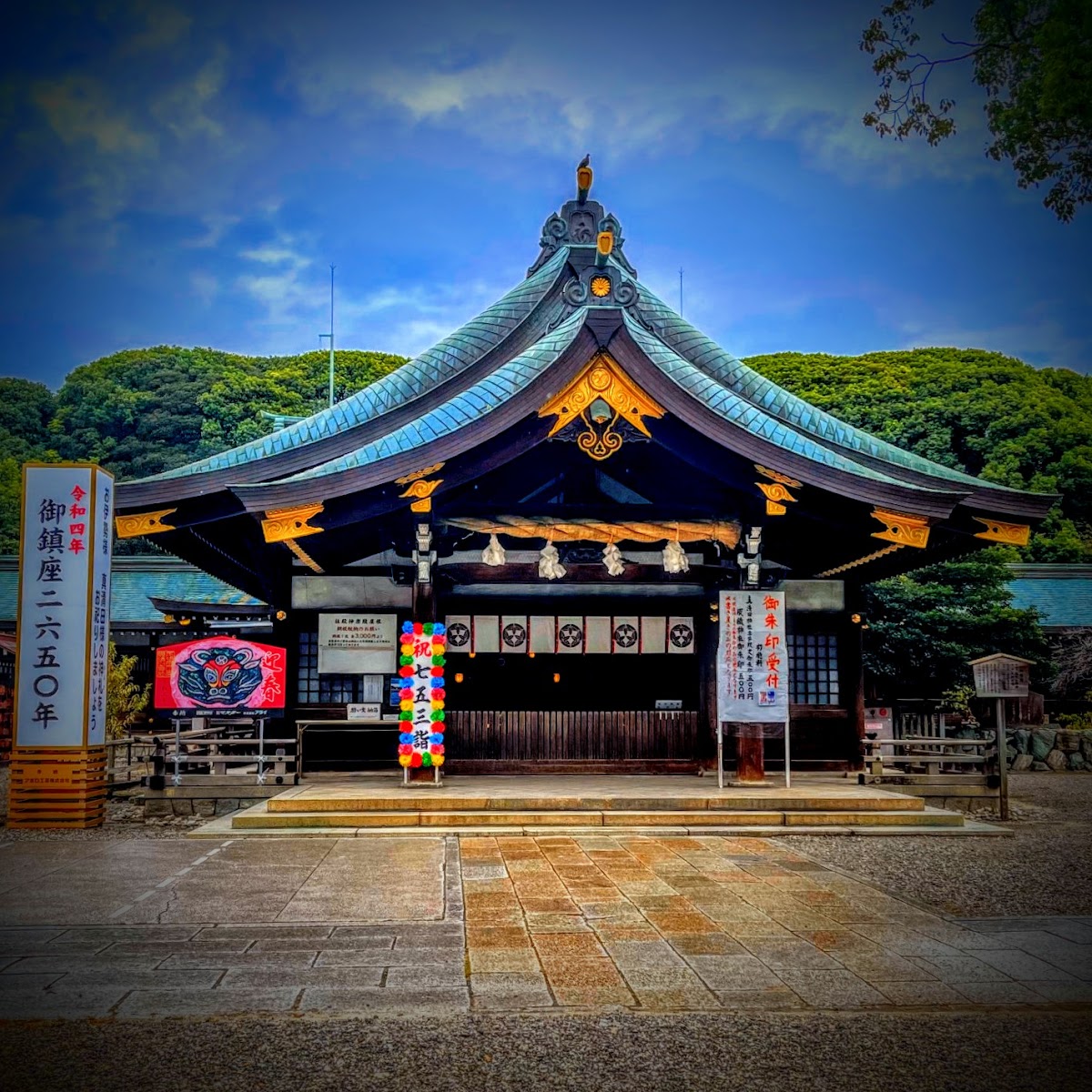
The worship hall is a magnificent wooden structure where worshippers offer their prayers. Behind it sits the main sanctuary, where the four deities are enshrined.
The main sanctuary’s architectural style exhibits characteristics of traditional shrine architecture and is maintained in excellent condition through regular repairs. A solemn atmosphere permeates the area surrounding the main sanctuary, befitting a sacred site.
Yamato-hime-no-Mikoto Shrine (Fuki-nuki-no-Miya)
Behind the main sanctuary is the Yamato-hime-no-Mikoto Shrine, a subsidiary shrine dedicated solely to Yamato-hime-no-Mikoto. This shrine is known for its unique structure, also known as “Fuki-nuki-no-Miya.”
The structure is open and airy, with only pillars at the four corners and no walls, giving it the name “Fukinuki” (meaning “wind-passing”). This unique architectural style is believed to preserve the appearance of the temporary palace built by Princess Yamato-hime for her temporary stay.
As a valuable historical site preserving the style of ancient temporary palace architecture, it is of great interest from an architectural history perspective.
Banpei (Banpei Wall)
A unique structure called a banpei (banpei wall) is located along the approach to the shrine. Banpei are characteristic walls found at shrines in the Owari region, placed in the center of the approach and serving to block views from the outside.
The banpei at Sakami Shrine is also impressive and is an important element that demonstrates the characteristics of traditional shrine architecture in the region.
Temizuya (Water Basin)
A water basin is located beside the approach to the shrine, where visitors can purify themselves before praying. Pure water is always kept there, welcoming worshippers.
It is recommended to observe the proper etiquette at the purification fountain, carefully cleansing your hands and mouth before praying.
Sacred Pond and Wishing Stone
Within the shrine grounds is a sacred pond, creating a sacred waterside space. There is also a stone called the Wishing Stone, which visitors can touch while making a wish.
These elements contribute to the tranquil and sacred atmosphere of the shrine grounds.
Shrine Office
The shrine office handles the issuance of Goshuin (shrine stamps) and the acceptance of various prayers. Shrine priests are always present and will courteously answer visitors’ questions.
Goshuin Information
Sakami Shrine offers Goshuin. Goshuin are popular among many visitors as proof of their visit and as a memento of their trip.
Goshuin Issuance Hours
Goshuin are only issued during the hours the shrine office is open. Generally, the hours are from 9:00 AM to around 4:00 PM, but priests may be absent due to religious ceremonies or events. Therefore, if you want to be sure to receive a goshuin (temple/shrine stamp), it is recommended to check in advance.
Visiting during the Monthly Festival
On the day of the monthly festival (tsukinami-sai), priests are always present, making it easier to receive a goshuin. Visiting during the monthly festival increases your chances of receiving one.
Characteristics of the Goshuin
The goshuin of Sakami Shrine may include the shrine’s name along with phrases such as “Shikinai” (a shrine listed in the Engishiki) and “Sake Brewing Ancestor.” This is a meaningful goshuin that expresses the shrine’s history as a former Ise Shrine and its characteristics as the ancestral deity of sake brewing.
If you bring your goshuin book and politely request it, the priest will write it with care. The offering fee is a typical amount (around 300 to 500 yen).
Annual Events and Festivals
Sakami Shrine holds various religious ceremonies throughout the year.
Annual Festival
The annual festival is the most important festival for the shrine. Parishioners and devotees gather, and a portable shrine procession and offering ceremonies may take place.
Monthly Festival
A monthly festival is held on a fixed day each month, where gratitude to the gods and prayers for the peace and prosperity of the community are offered. General worshippers are welcome to attend.
Harvest Festival
The Harvest Festival, a festival of gratitude for the autumn harvest, is particularly important for Sakami Shrine, which enshrines the ancestral deity of sake brewing. New sake brewed from newly harvested rice may be offered.
Access Information
Access by Train
Nearest Station: Meitetsu Nagoya Main Line “Imaise Station”
Sakami Shrine is approximately a 13-minute walk from Imaise Station. Exit the station and head northwest, passing through a residential area to reach the shrine.
From Nagoya: Approximately 20 minutes from Meitetsu Nagoya Station on the Meitetsu Nagoya Main Line, alight at Imaise Station.
Access from JR Tokaido Main Line “Owari-Ichinomiya Station”
While it’s a bit of a distance from Owari-Ichinomiya Station, buses and taxis are available. Owari-Ichinomiya Station is easily accessible, approximately 10 minutes by local train from Nagoya Station, a Shinkansen (bullet train) stop.
Access by Car
Address: 1476 Miyayama, Honkobe, Imaise-cho, Ichinomiya City, Aichi Prefecture
Approximately 15 minutes from Meishin Expressway “Ichinomiya IC”
Approximately 20 minutes from Tokai-Hokuriku Expressway “Ichinomiya-Nishi IC”
The shrine has parking spaces for visitors, but spaces are limited, so using public transportation is recommended during New Year’s visits and festivals.
Area Characteristics
Imaise-cho in Ichinomiya City, where Sakami Shrine is located, was formerly part of Nakajima District. The name “Imaise” itself originates from the legend of Moto-Ise (original Ise Shrine). The surrounding area is a quiet mix of residential and agricultural land, and a historical atmosphere remains around the shrine.
Nearby Tourist Attractions
Masumida Shrine
Located in the heart of Ichinomiya City, Masumida Shrine is a prestigious shrine that has long been revered as the Ichinomiya (first-ranked shrine) of Owari Province. Many people visit it along with Sakami Shrine, and it is known as one of Ichinomiya City’s representative shrines.
Ichinomiya City Museum
This museum allows visitors to learn about the history and culture of Ichinomiya City, exhibiting on the history of the Owari region and the development of the textile industry. It is also helpful in understanding the historical background of Sakami Shrine.
138 Tower Park
Part of the Kiso Sansen National Government Park, this park is symbolized by its 138-meter-high twin arches. The vast grounds, enjoyable for families, are adorned with flowers blooming in every season.
Manners and Etiquette for Visiting a Shrine
Basic Etiquette for Visiting a Shrine
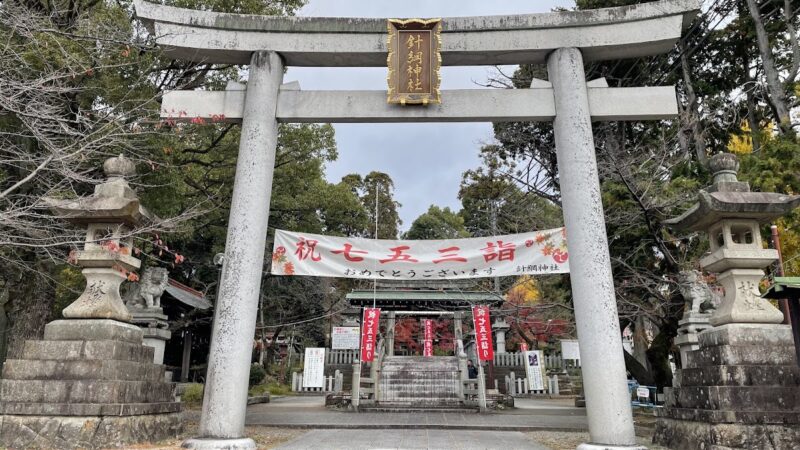
- Bow Before Passing Through the Torii Gate: Before entering the sacred area, bow as a sign of respect.
- Walking Along the Path: The center of the path is considered the path of the gods, so it is polite to walk along the sides.
- Purifying at the Water Basin:
- Take the ladle with your right hand and purify your left hand.
- Switch the ladle to your left hand and purify your right hand.
- Switch the ladle back to your right hand, receive water in your left hand, and rinse your mouth.
- Finally, hold the ladle upright and purify the handle.
- Worship at the Main Hall:
- Quietly place your offering in the offering box.
- Ring the bell if there is one.
- Perform the two bows, two claps, and one bow (two deep bows, two claps, one deep bow).
- Bow Upon Exit: When leaving through the torii gate, turn around and bow towards the shrine.
Regarding Photography
Photography is generally permitted within the shrine grounds, but there are areas and times where photography is prohibited, such as inside the main hall or during Shinto rituals. If unsure, please check with a Shinto priest.
Also, please be considerate of other worshippers and take photographs quietly.
Sakami Shrine and Japanese Sake Brewing Culture
Connection to the Sake Brewing Industry
Sakami Shrine, dedicated to the founder of sake brewing, is revered by sake brewers nationwide. Sake breweries, particularly those in Aichi Prefecture and the Tokai region, constantly visit the shrine to pray for safe brewing and improved quality.
During the new sake brewing season, sake brewers visit the shrine to pray for the success of that year’s brewing. People who have contributed to the development of the sake brewing industry also visit to express their gratitude.
The Tradition of Sacred Sake
Sacred sake is an indispensable part of shrine festivals, and its origin is said to lie in the traditions of Sakami Shrine, demonstrating the deep connection between Japanese religious culture and sake brewing culture.
The tradition of sacred sake offered at the Kanname-sai festival of Ise Grand Shrine is also said to have originated from sake brewing at Sakami Shrine, illustrating the importance of sake in Japanese Shinto rituals.
Significance as the Birthplace of Sake
Sake is a representative beverage of Japanese culture, and its brewing techniques are highly regarded worldwide. The fact that Sakami Shrine is considered the birthplace of sake brewing holds extremely significant meaning in the history of Japanese food culture.
Even in the current sake boom, the historical fact that its origins can be traced back to Sakami Shrine demonstrates the depth of sake brewing culture.
Sakami Shrine as a Moto-Ise (Original Ise Shrine)
As part of the Moto-Ise Pilgrimage
There are several Moto-Ise (original Ise shrines) throughout Japan, and the “Moto-Ise Pilgrimage,” which follows the route of Princess Yamato-hime, is popular among people interested in history and faith. Sakami Shrine is one of these important shrines and an indispensable sacred site on the Moto-Ise Pilgrimage.
By visiting Sakami Shrine along with other Moto-Ise shrines, one can reflect on Princess Yamato-hime’s long journey and the faith of the ancient people who sought a suitable place for Amaterasu Omikami to reside.
Remains of Nakajima Palace
While the exact location and size of Nakajima Palace, said to have been built by Princess Yamatohime, remain unclear due to limited historical records, the tradition that the site of Sakami Shrine is its former location is deeply rooted in the region.
The unique architectural style of the Yamatohime Shrine, known as “Fuki-no-Miya,” is a valuable relic that conveys the appearance of an ancient temporary palace and is attracting attention in the study of Moto-Ise (original Ise Shrine).
Visitor Experiences
Serene Atmosphere of the Shrine Grounds
Many visitors highly appreciate the quiet and peaceful atmosphere of Sakami Shrine. Despite being located in a residential area, many say that stepping onto the grounds evokes a sacred atmosphere, a feeling of being transported to another world, and a sense of spiritual cleansing.
A Destination for Goshuin (Shrine Stamp) Collecting
For those who enjoy collecting Goshuin, Sakami Shrine holds a special place as both a Shikinaisha (a shrine listed in the Engishiki) and a Moto-Ise (original Ise Shrine). When receiving a Goshuin (temple/shrine stamp), you may also receive an explanation about the shrine’s history from a Shinto priest, providing a good opportunity to deepen your knowledge.
Visits by Sake Brewers
You can also see people involved in the sake brewing industry visiting the shrine at milestones in their work or before brewing new sake. They say that offering prayers to the ancestral deity of sake brewing renews their respect for tradition and their commitment to their work.
Precautions When Visiting
Dress Code
While there are no strict dress code regulations, it is advisable to avoid revealing or overly flashy clothing, as this is a sacred place. Especially when formally visiting or receiving prayers, please dress appropriately.
Visiting Hours
While entry to the shrine grounds is generally possible during the daytime, Goshuin are not available or prayers cannot be requested outside of the shrine office’s opening hours. To ensure you receive these services, it is recommended to visit between 9:00 AM and 4:00 PM.
Consideration for Noise
Please be considerate of maintaining a quiet environment within the shrine grounds. Please refrain from loud conversations and cell phone use, and be mindful not to disturb other visitors.
Summary: The Charm of Sakami Shrine
Sakami Shrine is a unique shrine with two important historical significances: the legend of the original Ise Shrine and the origin of sake brewing. As the site of Nakajima Palace where Princess Yamato-hime stayed with Amaterasu Omikami, and as the place where Sakamizuo-no-Mikoto and Sakamizume-no-Mikoto brewed the first sacred sake, it occupies a special place in Japanese religious and cultural history.
While maintaining the status of a Shikinaisha (a shrine listed in the Engishiki), Sakami Shrine maintains a friendly atmosphere rooted in the local community, and is widely loved by history enthusiasts, goshuin (shrine stamp) collectors, sake brewers, and local residents.
When visiting Ichinomiya City, Aichi Prefecture, be sure to visit Sakami Shrine and experience the spirit of ancient faith and the origins of Japanese sake brewing culture. The time spent calming your mind in the tranquil temple grounds and contemplating its long and rich history will surely be a memorable experience.