Complete Guide to Shiroyama Shrine | History, Benefits, and Access Information for Shiroyama Shrines Nationwide
There are several shrines named “Shiroyama Shrine” throughout Japan, each with its own unique history and beliefs. This article provides detailed information on the major Shiroyama Shrines, including their origins, enshrined deities, benefits, and visiting information.
What is Shiroyama Shrine? | Origin of the Name and Nationwide Distribution
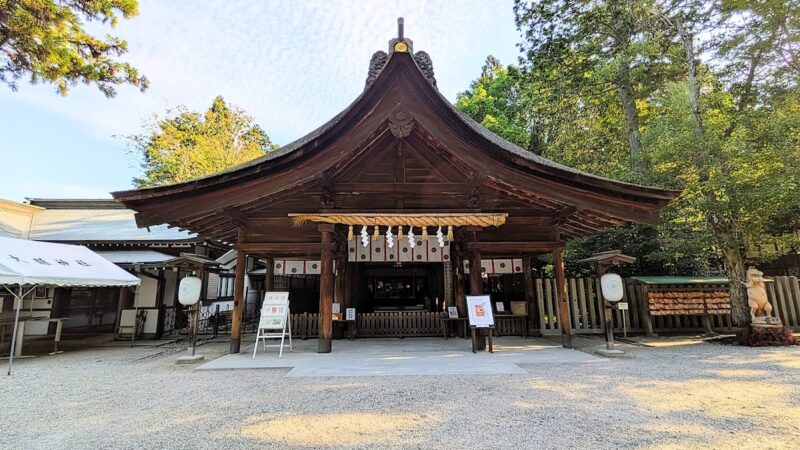
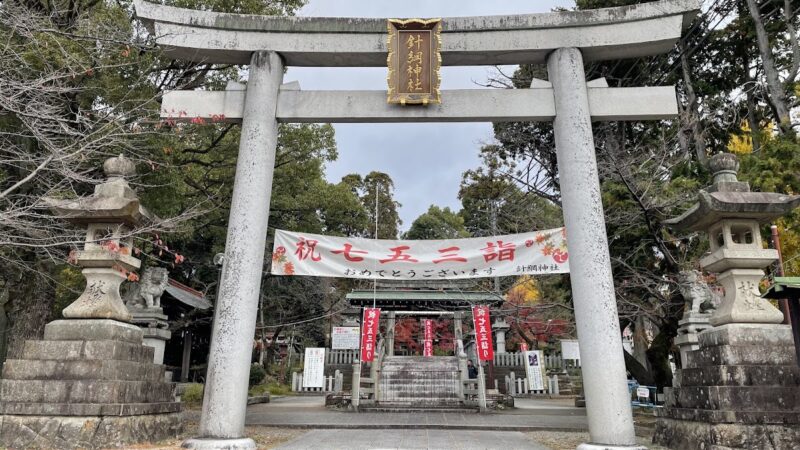
The name “Shiroyama Shrine” originates from the fact that many of them are located on castle ruins or mountains associated with castles. In Japanese history, castles served not only as military bases but also as centers of worship in their respective regions. Shrines dedicated to the guardian deities of castles, or shrines built on the sites of abandoned castles, are often referred to as “Shiroyama Shrines.”
The major Shiroyama Shrines throughout Japan are as follows:
- Shiroyama Hachimangu (Chikusa-ku, Nagoya City, Aichi Prefecture)
- Shiroyama Shrine (Fuchu-cho, Sakaide City, Kagawa Prefecture)
- Shiroyama Shrine (Tokorozawa City, Saitama Prefecture)
- Shiroyama Shrine (Shikano-cho, Tottori City, Tottori Prefecture)
- Shiroyama Shrine (Arida-gun, Wakayama Prefecture)
Each shrine has its own independent history and attracts deeply rooted local faith.
Shiroyama Hachimangu (Nagoya City, Aichi Prefecture) | Nagoya’s largest shrine with ties to the Oda family
History and Origin
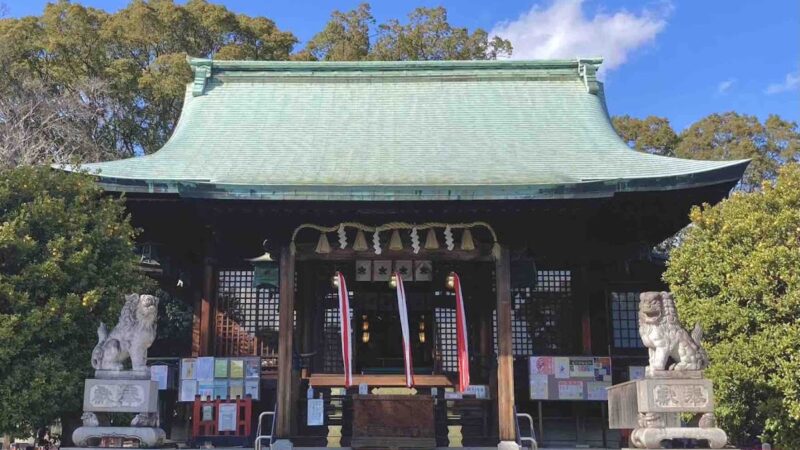
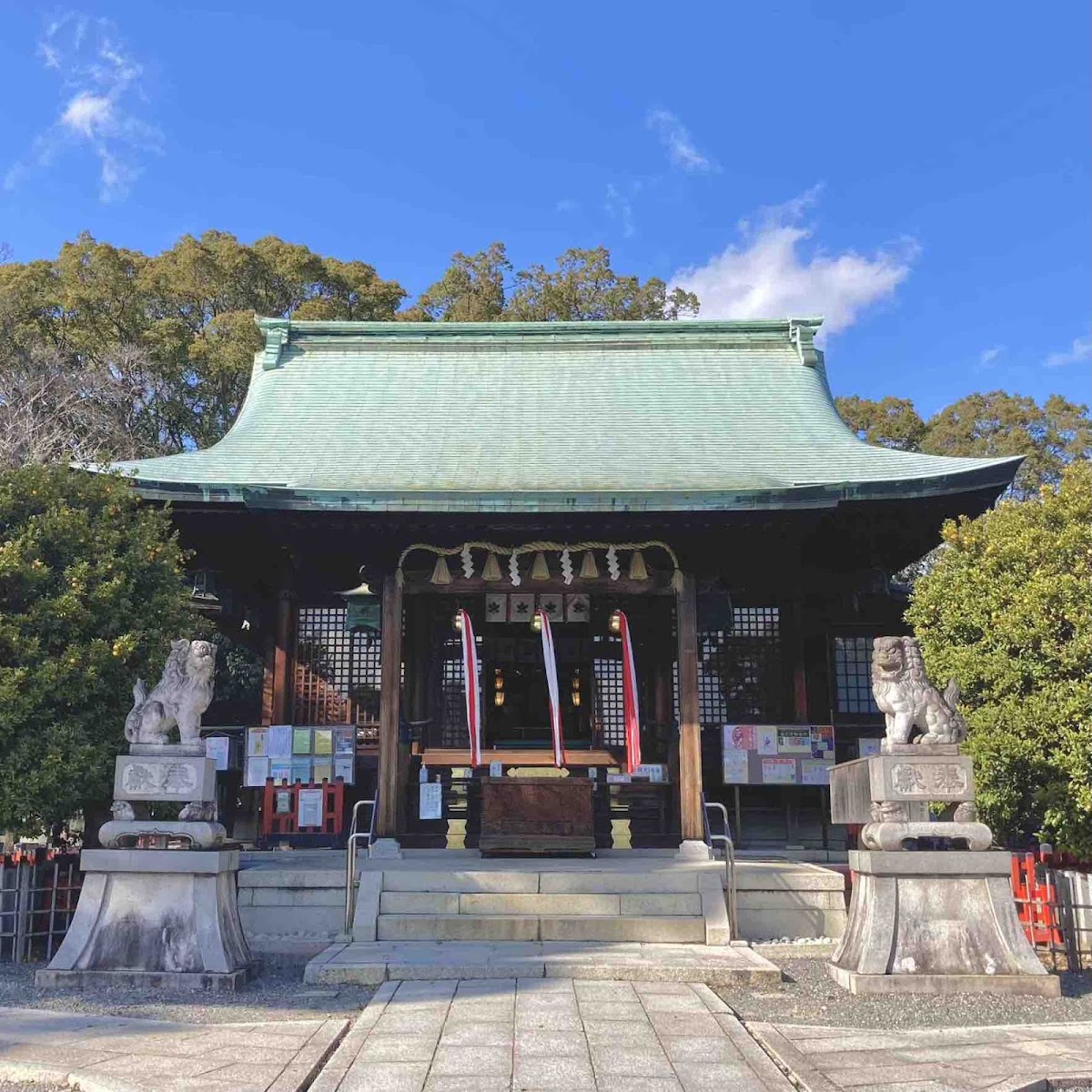
Shiroyama Hachimangu is a shrine located in Shiroyama-cho, Chikusa-ku, Nagoya City, Aichi Prefecture, and is known as a major shrine for warding off evil, bringing good fortune, and praying for traffic safety. This site is the former location of Suemori Castle, built by Oda Nobuhide, the father of Oda Nobunaga, during the Sengoku period.
After Nobuhide’s death, Suemori Castle was inherited by his second son, Oda Nobuyuki (Nobukatsu), but he lost the succession struggle against his older brother, Nobunaga, and was destroyed. Due to this tragedy, Suemori Castle was abandoned after only about 10 years. Even today, remnants of the castle, such as dry moats, remain on the temple grounds, making it a valuable spot for history enthusiasts.
As a place associated with Oda Nobuhide, Nobuyuki, and Nobunaga’s sister, Oichi, it conveys the atmosphere of the Sengoku period.
Deities and Benefits
Shiroyama Hachimangu Shrine enshrines the three Hachiman deities, including Emperor Ojin, Emperor Chuai, and Empress Jingu. The main blessings offered are as follows:
- Protection from Misfortune and Good Fortune: Many worshippers visit to ward off bad luck during their unlucky years.
- Traffic Safety: Worship of automobiles and prayers for traffic safety.
- Matchmaking: The “Renriboku” (twined trees) on the temple grounds are a power spot for finding love.
- Family Safety
- Business Prosperity
In particular, the Renriboku, a sacred tree for matchmaking, has a rare shape with two trees joined together midway, making it popular with worshippers seeking good fortune in love.
Visiting Information and Access
Location: 2-88 Shiroyama-cho, Chikusa-ku, Nagoya City, Aichi Prefecture
Visiting Hours:
- Grounds: 5:30 AM – 8:00 PM
- Shrine Office Reception: 9:15 AM – 4:30 PM
Access:
- 6-minute walk east from Exit 2 of Kakuozan Station on the Higashiyama Subway Line
- 6-minute walk northwest from Exit 1 of Motoyama Station on the Higashiyama and Meijo Subway Lines
Parking: Available (Free parking for visitors)
Prayer Reception: 9:15 AM – 4:00 PM (Reservations Recommended)
Annual Events and Festivals
Shiroyama Hachimangu Shrine holds various events throughout the year:
- New Year’s Visit (January 1st – 3rd): One of Nagoya’s leading New Year’s visit spots
- Setsubun Festival (February 3rd): Bean-throwing ritual
- Passing Through the Chino-wa Ring (June & July): Summer Purification Ceremony
- Shichi-Go-San Pilgrimage (October-November): Bustling with many families
- Annual Grand Festival (October): Grand festival including a portable shrine procession
Goshuin and Souvenirs
At Shiroyama Hachimangu Shrine, in addition to regular goshuin, special souvenirs such as paper-cut goshuin and castle stamps are also popular. Seasonal goshuin are also distributed, making it a noteworthy spot for goshuin collectors.
A wide variety of souvenirs are available, including amulets, talismans, protective arrows, rakes, and zodiac animal bells, and they are also available for purchase online.
Highlights on the Shrine Grounds
Showa Jukudo: A historical building on the shrine grounds, also used as a base for cultural activities.
Suemori Castle Ruins: You can see the remains of a castle from the Sengoku period, such as dry moats and earthen ramparts. The Shiroyama Forest area has well-maintained walking trails, allowing visitors to enjoy both nature and history.
Renriki: Popular among younger generations as a power spot for matchmaking.
Shiroyama Shrine (Sakaide City, Kagawa Prefecture) | An Ancient Shrine Listed in the Engishiki (Engi-era Records of Shrines)
History and Status
Shiroyama Shrine, located in Fuchu-cho, Sakaide City, Kagawa Prefecture, is a Shikinaisha (an ancient shrine listed in the Engishiki Jinmyocho) and a historically significant shrine with the highest rank of Myojin Taisha. Its former rank was Prefectural Shrine.
Deity Enshrined
The shrine enshrines Kamikushiwake-no-Mikoto. Kamikushiwake-no-Mikoto was a prince of the 12th Emperor Keiko and is an important deity considered the ancestor of the Sanuki no Kuni no Miyatsuko. He has long been revered as a guardian deity of the region, having contributed to the development and cultivation of the Sanuki region.
Shrine Information
Location: 4760 Fuchu-cho, Sakaide City, Kagawa Prefecture
Access:
- Approximately 15 minutes on foot from JR Yosan Line “Kamogawa Station”
- Approximately 10 minutes by car from Sakaide IC
Shrine Code: 2023 (Kagawa Prefecture Shrine Association)
Benefits
- Protection of the region
- Abundant harvest
- Prosperity of the family
- Good fortune and happiness
This shrine is worshipped as the ancestral deity of the Sanuki no Kuni no Miyatsuko (provincial governor of Sanuki Province), protecting the prosperity and peace of the entire region.
Shiroyama Shrine (Tokorozawa City, Saitama Prefecture) | Shrine on the site of the main keep of Takino Castle
Historical Background
Shiroyama Shrine in Tokorozawa City, Saitama Prefecture, is located on the site of the main keep of Takino Castle. Takino Castle was a medieval mountain castle and an important base in the Tokorozawa region.
In the early Meiji era, due to the policy of consolidating shrines, the previously separate Atago Shrine, Kumano Shrine, and Tenjin Shrine were merged to form the present-day Shiroyama Shrine.
Location and Scenery
From the elevated shrine grounds, the Yanase River can be seen in its entirety, and the shrine is known for its excellent views. The grounds, which utilize the topography of the former castle site, are also ideal for historical walks.
Shrine Information
Location: Shiroyama, Tokorozawa City, Saitama Prefecture
Access:
- Approximately 20 minutes on foot from Higashi-Tokorozawa Station on the Seibu Ikebukuro Line
- Accessible via Tokorozawa City Loop Bus
Divine Blessings
Inheriting the blessings of the various shrines enshrined here, the shrine offers a variety of divine virtues, including:
- Fire prevention (derived from Atago Shrine)
- Health and longevity (derived from Kumano Shrine)
- Academic success (derived from Tenjin Shrine)
- Protection of the community
Shiroyama Shrine (Shikano-cho, Tottori City, Tottori Prefecture) | Guardian deity of Shikano Castle
History
Shiroyama Shrine, located in Shikano-cho, Tottori City, Tottori Prefecture, has an unknown founding date, but has long been known as Myoken Daimyojin and revered by the townspeople.
Originally a subsidiary shrine of Kachimiya Shrine, it was particularly important as the guardian deity of Kano Castle during the time when Kamei Korenori was the lord of Kano Castle.
Deity Enshrined
Susanoo-no-Mikoto is enshrined here.
Benefits
- Protection from evil
- Exorcism of disease
- Long-lasting military fortune
- Protection of the castle town
Visiting Information
Location: Shikano-cho, Tottori City, Tottori Prefecture
Access:
- Bus from JR San’in Main Line “Hamamura Station”
- Approximately 20 minutes by car from Tottori Expressway “Tottori Nishi IC”
Shiroyama Shrine (Arida District, Wakayama Prefecture) | A unique shrine with a theater
History
Shiroyama Shrine, located in Arida District, Wakayama Prefecture, is an ancient shrine said to have been established on May 16, 938 (Tenkei 1). Originally called Niu Shrine, it was renamed Shiroyama Shrine on August 31, 1908 (Meiji 41).
Distinctive Facilities
Within the shrine grounds is a theater with the only revolving stage in the prefecture, making it a valuable cultural asset. This theater is still used today as a center for local cultural activities.
Visiting Information
Location: Arida District, Wakayama Prefecture
Access:
- Bus from the nearest JR Kisei Main Line station
- Accessible by car from Arida Interchange
How to Enjoy Visiting Shiroyama Shrine
Collecting Goshuin (Shrine Stamps)
Collecting Goshuin from Shiroyama Shrines throughout Japan is a fun activity. Each shrine offers uniquely designed Goshuin, making them a memorable souvenir of your visit. The paper-cut Goshuin from Shiroyama Hachimangu Shrine, in particular, is highly artistic and popular among collectors.
Historical Exploration
Many Shiroyama Shrines are built on castle ruins, allowing visitors to enjoy exploring castle remains at the same time as visiting the shrine. Strolling while searching for remains such as dry moats, earthworks, and baileys allows you to feel the atmosphere of the Sengoku period (Warring States period).
Seasonal Events
By participating in seasonal events such as New Year’s visits to shrines, Setsubun festivals, the Chino-wa Kuguri (passing through a ring of reeds), and Shichi-Go-San (a traditional rite of passage for children), you can experience traditional Japanese culture. The New Year’s period, in particular, is bustling with many worshippers, creating a lively atmosphere.
Prayers for Finding Love
Shiroyama Hachimangu Shrine, with its famous Renriki tree, and many other Shiroyama shrines, are known for their blessings related to finding love, making them popular with worshippers seeking romantic success. Those seeking good fortune in love should definitely visit.
Points to Note and Manners When Visiting Shiroyama Shrine
Basic Etiquette for Worship
- Bow before passing through the torii gate: This is a courtesy before entering the sacred area.
- Purify yourself at the water basin: Purify your left hand, right hand, and mouth in that order.
- Two bows, two claps, one bow: This is the general etiquette for visiting a shrine.
- Maintain silence within the shrine grounds: Consideration for other worshippers is important.
Receiving Prayer
If you wish to receive prayer, it is recommended to make a reservation in advance. Especially during New Year’s and Shichi-Go-San season, it can get crowded, so please check the details by phone or on the website before visiting.
Parking
Some shrines, such as Shiroyama Hachimangu Shrine, have parking lots, but they can become full during busy periods such as New Year’s. Consider using public transportation.
Photography Etiquette
Photography is generally permitted on the temple grounds, but please refrain from taking photos during prayers or in photos that include the faces of other worshippers. Also, please follow the signs as photography is prohibited in certain areas, such as inside the main hall.
Tourist Attractions Around Shiroyama Shrine
Around Nagoya’s Shiroyama Hachimangu Shrine
- Kakuozan Nittaiji Temple: Japan’s only non-denominational temple within walking distance
- Kakuozan Shopping Street: A retro shopping street along the approach to the shrine
- Higashiyama Zoo and Botanical Gardens: Nagoya’s representative tourist attraction
Around Sakaide City, Kagawa Prefecture
- Seto Ohashi Bridge: A magnificent bridge connecting Honshu and Shikoku
- Kotohira-gu Shrine: A famous shrine in Sanuki
- Marugame Castle: A famous castle with an existing keep
Around Tokorozawa
- Tokorozawa Aviation Memorial Park: The birthplace of aviation
- Totoro Forest: A nature reserve
- Seibu-en Amusement Park: A leisure spot
Summary | The Charm of Each Shiroyama Shrine
There are several shrines named “Shiroyama Shrine” throughout Japan, each with its own unique history and beliefs.
Nagoya’s Shiroyama Hachimangu Shrine is popular among Sengoku period enthusiasts as a place associated with the Oda family, attracting many visitors seeking blessings for protection against misfortune, good fortune, traffic safety, and matchmaking. It also offers a wide variety of commemorative items such as Goshuin (shrine stamps) and Gojo-in (castle stamps), and is easily accessible.
Kagawa Prefecture’s Sakaide City’s Shiroyama Shrine is a prestigious ancient shrine listed in the Engishiki (ancient Japanese legal code), and is a central shrine in the region, enshrining the ancestral deity of the Sanuki no Kuni no Miyatsuko (provincial governor).
Saitama Prefecture’s Tokorozawa City’s Shiroyama Shrine is situated on the site of Takino Castle, and is characterized by its excellent views and diverse blessings due to the enshrinement of multiple shrines.
Tottori Prefecture’s Shikano Town’s Shiroyama Shrine is the guardian deity of Shikano Castle and enjoys deep-rooted local faith.
Wakayama Prefecture’s Shiroyama Shrine has the unique feature of being the only shrine in the prefecture with a traditional theater.
All of these Shiroyama Shrines are valuable cultural assets, combining the historical heritage of castles with Shinto belief. When visiting a shrine, learning about its unique history and characteristics will deepen your experience.
Why not visit Shiroyama Shrines throughout Japan and feel the profound depth of Japanese history and faith?