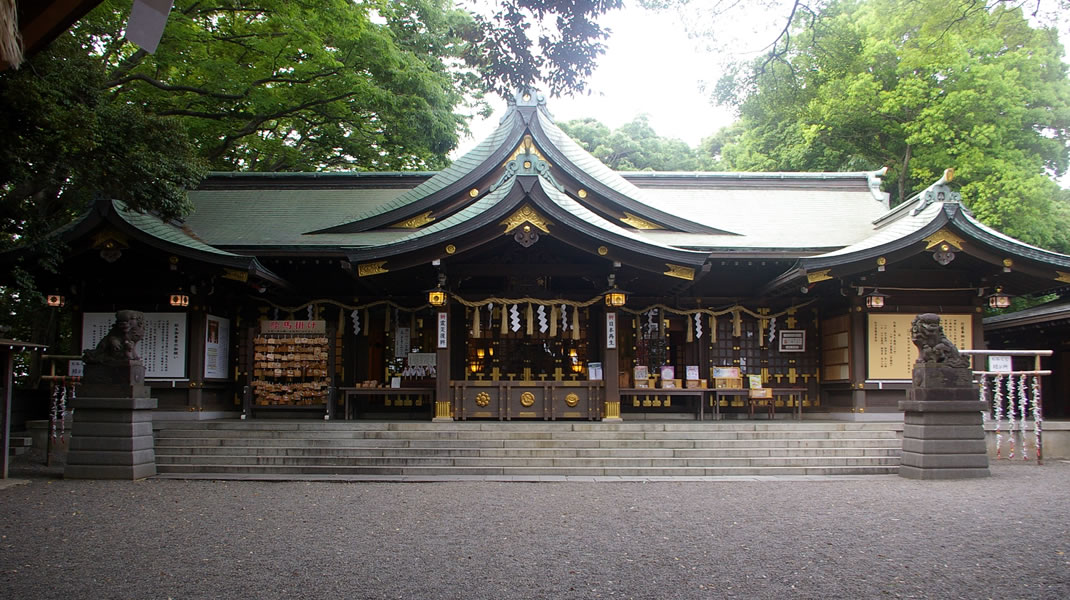
Complete Guide to Kemigawa Shrine (Chiba Prefecture) | A 1200-Year-Old Ancient Shrine Protecting All Directions
Kemigawa Shrine, located in Hanamigawa Ward, Chiba City, Chiba Prefecture, is a venerable shrine with a history of approximately 1200 years, founded in the early Heian period. Known as Chiba Prefecture’s foremost “protection against all directions,” it is a deeply rooted ancient shrine in the Boso Peninsula, attracting many worshippers from both within and outside the prefecture.
This article provides a detailed explanation of information you should know before visiting Kemigawa Shrine, including its history, enshrined deities, blessings, access methods, annual events, and amulet information.
History and Origins of Kemigawa Shrine
Founded in the Early Heian Period
The founding of Kemigawa Shrine dates back approximately 1200 years to the early Heian period, during the reign of Emperor Seiwa, the 56th emperor. In 869 AD (Jōgan 11), to quell a nationwide epidemic, Susanoo-no-Mikoto was enshrined in Shimōsa Province (present-day Chiba Prefecture), and it is said that this was the place where prayers were offered for the eradication of the calamity.
During this period, epidemics spread throughout Japan, and the imperial court ordered prayers for the eradication of disease to be offered at shrines nationwide. Kemigawa was chosen as one of these locations, and since then, it has been revered as the guardian deity of the region.
The Prosperity of Kemigawa and its Port Town
Kemigawa was once a port town boasting the largest number of large sailing ships called “utasebune,” and it prospered greatly from fishing. Taking advantage of its location facing Tokyo Bay, it developed as a base for maritime transport and fishing, and Kemigawa Shrine was deeply revered by fishermen praying for maritime safety and abundant catches.
During the Edo period, it was known as Kemigawaura and played an important role as a supplier of seafood to Edo (present-day Tokyo). Shrines have functioned as spiritual pillars of the community and as places of solace for people praying for business prosperity and family safety.
Changes in Shrine Name
Kemigawa Shrine was long known as “Kemigawa Yasaka Shrine.” This stems from the fact that its principal deity, Susanoo-no-Mikoto, is the same deity enshrined at Kyoto’s Yasaka Shrine. However, in 1987 (Showa 62), the official name was changed to the current “Kemigawa Shrine.”
Because it enshrines three deities in three parallel main halls, it is also known as “Jingi Sansha Kemigawa Daimyojin.”
Enshrined Deities and Divine Virtues
Kemigawa Shrine has three main halls, each enshrining a different deity.
Central Shrine: Susanoo-no-Mikoto
Susanoo-no-Mikoto is the principal deity enshrined in the central hall. In Japanese mythology, Susanoo-no-Mikoto is known as the brave god who defeated Yamata-no-Orochi, and is believed to offer protection against misfortune, disaster, and disease.
Susanoo-no-Mikoto is also known for the legend of Somin Shōrai. The story goes that when Susanoo-no-Mikoto sought lodging during his travels, Somin Shōrai, though poor, treated him with heartfelt hospitality. Susanoo-no-Mikoto promised to protect Somin Shōrai’s descendants from disaster for generations to come, and this is the origin of the “chimaki amulet” at Kemigawa Shrine.
East Shrine: Ukanomitama-no-Kami
Ukanomitama-no-Kami is enshrined in the eastern shrine. This deity, commonly known as “O-Inari-san,” is believed to bring abundant harvests, business prosperity, and industrial development.
In Kemigawa, a region that prospered from fishing, this deity has been deeply revered by people praying for bountiful catches and business success. Even today, many worshippers visit to pray for business prosperity and improved financial fortune.
West Shrine: Izanami-no-Mikoto
The West Shrine enshrines Izanami-no-Mikoto. She is the goddess who gave birth to the land of Japan and many other gods, and is revered for her blessings of matchmaking, safe childbirth, child-rearing, and family safety.
She is particularly revered by women, and many worshippers visit to pray for successful relationships, safe childbirth, and the healthy growth of their children.
What is Happo-yoke Sochingo?
Kemigawa Shrine is known as the foremost “Happo-yoke Sochingo” shrine in Chiba Prefecture.
Meaning of Happo-yoke
Happo-yoke is a belief that wards off misfortune and evil coming from the eight directions: east, west, north, south, northeast, southeast, southwest, and northwest, centered on oneself. Regardless of the auspiciousness or inauspiciousness of the direction, it is believed to ward off misfortune from all directions and protect against harm to the family, traffic safety, and business prosperity.
Many people receive prayers for protection against misfortune from all directions when they are at a turning point in their lives or starting something new, such as moving, building a new house, changing jobs, or starting a business. The Happo-yoke Festival on New Year’s Day attracts many worshippers from both within and outside the prefecture.
Meaning of General Protection
General protection means protecting the entire region. Kemigawa Shrine has played a role not only in fulfilling individual wishes but also in protecting the peace and prosperity of the entire community.
It has a history of strengthening community bonds and functioning as a spiritual pillar through local festivals and events.
Benefits of Kemigawa Shrine
At Kemigawa Shrine, you can receive a variety of benefits through the divine virtues of the three enshrined deities.
- Protection from Evil and Disaster: Exorcism through the divine virtues of Susanoo-no-Mikoto
- Protection from All Directions: Protection from disasters from all directions
- Exorcism of Epidemics and Good Health: Prayer for health based on the origin of the shrine’s founding
- Business Prosperity and Success: Improvement of financial fortune through Ukanomitama-no-Kami
- Abundant Harvest and Abundant Fishing: Industrial development rooted in the history of the port town
- Matchmaking and Successful Relationships: Prayer for good relationships through Izanami-no-Mikoto
- Safe Childbirth and Child-rearing: Protection from the Mother Goddess
- Family Safety and Traffic Safety: Protection in all aspects of daily life
Basic Information and Access
Address and Contact Information
- Address: 1-1 Kemigawa-cho, Hanamigawa-ku, Chiba City, Chiba Prefecture
- Phone: 043-273-2818 (Shrine Office)
Access Information
Access by Train
Kemigawa Shrine is accessible via two lines: the JR Sobu Line and the Keisei Line.
Using the JR Sobu Line:
- Get off at Shin-Kemigawa Station on the JR Sobu Line, approximately 6-8 minutes on foot.
- The shortest route is to exit from the north exit, go through the Kemigawa shopping street, and head north.
Using the Keisei Line:
- Get off at Kemigawa Station on the Keisei Line, approximately 10 minutes on foot.
- Head northwest from the station, and after passing through the residential area, you will arrive at the shrine.
Both stations are within walking distance, and the route passes through shopping streets and residential areas, allowing you to experience the local atmosphere while visiting the shrine.
Access by Car
- Approximately 15 minutes from the Keiyo Expressway “Takeshi IC”
- Approximately 20 minutes from the Higashi-Kanto Expressway “Wangan Narashino IC”
- Parking: Free parking is available for visitors on the shrine grounds (spaces are limited, so public transportation is recommended during busy periods such as New Year’s Day).
Visiting Hours
- Shrine Grounds Visiting: Open all day (daytime visits are recommended due to limited lighting at night).
- Shrine Office Reception Hours: 9:00 AM – 5:00 PM (Goshuin stamps, amulets, and prayer requests accepted).
- Prayer Request Reception: 9:00 AM – 4:30 PM (No reservation required, first-come, first-served basis).
Annual Events and Festivals
Kemigawa Shrine is known for its diverse events held throughout the year.
New Year’s Day Happo-yoke Festival
The Happo-yoke Festival, held at the start of the new year, is one of the most important festivals at Kemigawa Shrine. Many worshippers from within and outside the prefecture visit the shrine to pray for peace and prosperity in the new year. It is especially crowded from New Year’s Day to the third day of the year, bustling with New Year’s visitors.
February: Setsubun Festival
In February, the Setsubun Festival is held with great fanfare. Beans are scattered with the chant of “Good fortune in, demons out!” to ward off evil and bring good fortune. It is a community-based event, bustling with local children and families.
August: Annual Festival (Summer Festival)
In August, the annual festival of Kemigawa Shrine is held. Traditional festival events such as the procession of the portable shrine and devotional performances are held, making it an important opportunity to deepen the bonds of the local community.
August: Ground Cherry Market
Held in conjunction with the annual festival, the Ground Cherry Market is a summer tradition at Kemigawa Shrine. Stalls selling Chinese lanterns line the shrine grounds, and worshippers visit seeking these lanterns, which are believed to ward off evil and misfortune. The cool summer night atmosphere makes it a lively place.
Other Annual Events
- Spring Festival: Celebrating the arrival of spring and praying for a bountiful harvest.
- Shichi-Go-San Festival: Primarily held in November, praying for the healthy growth of children.
- Great Purification Ceremony: Held in June and December, a Shinto ritual to purify oneself of sins and impurities accumulated over the past six months.
- Monthly Festival: Regular festivals held on the 1st and 15th of each month.
Amulets and Goshuin (Shrine Seals)
Distinctive Amulet: “Chimaki Amulet”
The distinctive amulet of Kemigawa Shrine is the “Chimaki Amulet.” Based on the legend of Susanoo-no-Mikoto and Somin Shorai, this is a historically significant amulet with a charm inscribed with “Descendant of Somin Shorai.”
This shrine is believed to offer protection against misfortune and ensure family safety, stemming from a legend in which Susanoo-no-Mikoto, in gratitude for lodging a man named Somin Shōrai, bestowed upon him a protective amulet to safeguard his descendants from disaster for generations to come.
Other Amulets
- Eight Directions Protection Amulet: Protects against misfortune from all directions
- Misfortune Protection Amulet: For warding off misfortune during unlucky years
- Traffic Safety Amulet: For safe driving and cycling
- Academic Success Amulet: Popular among students and those taking exams
- Matchmaking Amulet: For those seeking a good relationship
- Safe Childbirth Amulet: For pregnant women seeking a safe delivery
- Health Amulet: For good health and protection from illness
Goshuin (Shrine Seal)
Kemigawa Shrine offers Goshuin as proof of worship. They are available at the shrine office during reception hours (9:00 AM to 5:00 PM).
You can bring your own goshuincho (stamp book) or purchase an original goshuincho from Kemigawa Shrine. The carefully handwritten goshuin stamps are cherished by many visitors as a memento of their visit.
Highlights of the Shrine Grounds
Three Main Halls
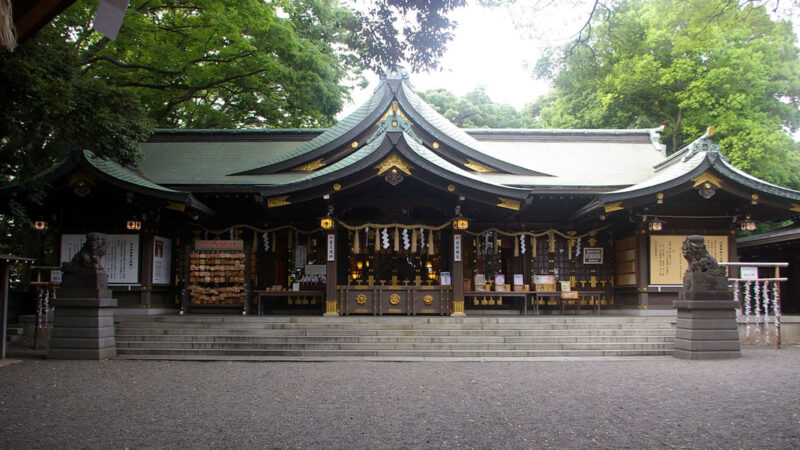
The most distinctive feature of Kemigawa Shrine is its three main halls, built side-by-side. The arrangement, with Susanoo-no-Mikoto enshrined in the center, Ukanomitama-no-Kami in the east, and Izanami-no-Mikoto in the west, creates a magnificent landscape befitting the name “Three Shrines of Shinto Deities.”
Each main hall is built in a traditional shrine architectural style, and the detailed carvings and decorations are also impressive.
Shrine Emblems
Kemigawa Shrine has three shrine emblems.
- Five Gourds and Chinese Flowers: A crest associated with Susanoo-no-Mikoto
- Changing Flame Orb: A crest symbolizing fire and purification
- Nine Luminaries: A crest based on astrological beliefs
These divine crests can be seen on the main shrine, other shrine buildings, and amulets, reflecting the shrine’s history and the depth of its faith.
Shrine Buildings and Grounds
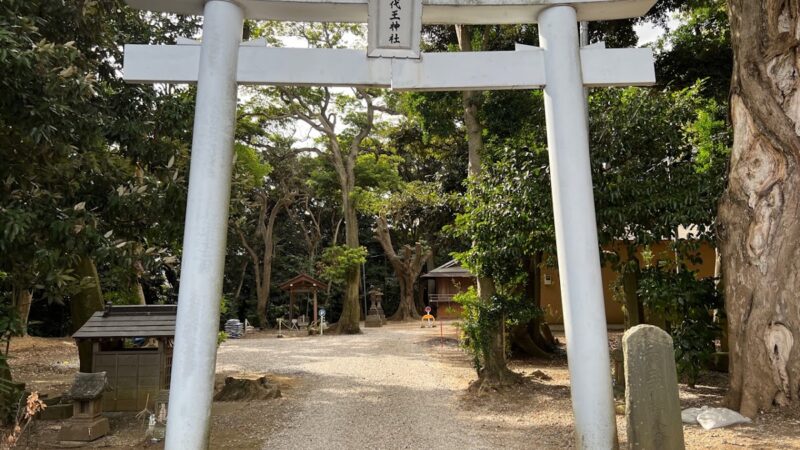
The well-maintained grounds maintain a tranquil atmosphere despite being located in an urban area. As you proceed along the path, a magnificent torii gate welcomes visitors. After purifying yourself at the water basin, you proceed to the worship hall.
The grounds are planted with ancient sacred trees and seasonal flowers, allowing visitors to enjoy the changing scenery throughout the seasons.
About Prayers
At Kemigawa Shrine, you can receive prayers tailored to various milestones in life and your wishes.
Types of Prayers
- Prayer for Protection from All Directions: For moving, building a new house, changing jobs, starting a business, etc.
- Prayer for Exorcism: For warding off evil during unlucky years
- Prayer for Family Safety: For the health and peace of the family
- Prayer for Business Prosperity: For the development of the business
- Prayer for Traffic Safety: For the safety of cars and driving
- Prayer for Safe Childbirth: For the safe childbirth of pregnant women
- First Shrine Visit: For the healthy growth of the baby
- Seven-Five-Three Festival: For the growth of children
- Prayer for Success in Exams: For success in exams
- Prayer for Recovery from Illness: For recovery from illness
How to Receive a Prayer
- Fill out the application form at the shrine office.
- Pay the offering fee (varies depending on the type of prayer).
- Prayers will be performed in the main hall in the order of arrival.
- You will receive a sacred amulet or charm.
No reservation is required; prayers are performed on the day in the order of arrival. However, waiting times may be longer during peak seasons such as New Year’s and Setsubun (Bean-Throwing Festival).
Nearby Spots & Area Information
Kemigawa Shopping Street
Located on the way from JR Shin-Kemigawa Station to the shrine, Kemigawa Shopping Street is a community-oriented shopping street lined with traditional shops. It features restaurants, Japanese confectionery shops, and daily necessities stores, making it a recommended stop before or after visiting the shrine.
Hanamigawa River
The Hanamigawa River, which gives Kemigawa Shrine its name, can be seen a short walk from the shrine. During cherry blossom season, the riverside promenade is bustling with cherry blossom viewers, and you can see people enjoying walks and cycling.
Kemigawa Beach
Kemigawa Beach, facing Tokyo Bay, is a place where you can feel the history of Kemigawa, which once flourished as a port town. Currently, it is developed as a seaside park, where you can relax while enjoying the ocean view.
Visitor Feedback and Reviews
Visitors to Kemigawa Shrine have shared the following comments:
“A Shrine Blending Old and New” Despite being a historic shrine, the shrine buildings and grounds are beautifully maintained, and many visitors appreciate the harmonious blend of tradition and modernity.
“A Large Shrine” As a shrine in an urban area, the grounds are spacious, and the sight of the three main halls standing side-by-side is considered magnificent and worth seeing.
“A Powerful Atmosphere” As a shrine with 1200 years of history, many visitors feel a sacred atmosphere within the grounds and a refreshing feeling after their visit.
“A Shrine Loved by the Local Community” With vibrant local festivals and events, the shrine has strong ties to local residents, and many visitors perceive it as a warm and welcoming place.
Manners and Precautions for Visiting a Shrine
Basic Manners for Visiting a Shrine
- Bow when passing through the torii gate: This is a sign of respect when entering the sacred area.
- Avoid the center of the path: The center is considered the path of the gods.
- Purify yourself at the water basin: Purify your left hand, right hand, and mouth in that order.
- Two bows, two claps, one bow: This is the basic etiquette at the main hall.
- Photography should be done with moderation: Please refrain from taking photos inside the main hall or during prayers.
Attire
For regular visits, clean and presentable clothing is acceptable. However, if you are receiving a prayer, avoid overly casual attire (shorts, sandals, etc.), and collared clothing is preferable.
For prayers related to life rituals such as Shichi-Go-San (7-5-3) or exorcism, formal or semi-formal attire is recommended.
Busy Seasons
The following periods are expected to be particularly crowded.
- First three days of the New Year: Extremely crowded with New Year’s visitors.
- New Year’s Day Happoyoke Festival: Many worshippers visit from early morning.
- Setsubun Festival: Particularly crowded during the bean-throwing ceremony.
- Shichi-Go-San Season: Weekends in November are crowded.
- Annual Festival/Hozuki Market: During the festival period in August.
If you want to avoid crowds, weekday mornings are recommended.
Summary of the Charms of Kemigawa Shrine
Kemigawa Shrine, a historic shrine in Boso with a history of approximately 1200 years, has attracted the faith of many people as the foremost shrine in Chiba Prefecture for protection against all directions.
With its diverse blessings from the three enshrined deities, numerous events throughout the year, and historically significant chimaki amulets, the shrine is full of sights and attractions. Its convenient location within walking distance of JR Shin-Kemigawa Station is also one of the reasons why it is popular with many worshippers.
You can forge a connection with Kemigawa Shrine in various ways, such as through prayers at important life milestones, daily visits to express gratitude, and participation in seasonal events. When you visit Chiba Prefecture, or when you are facing a turning point in your life, why not consider visiting Kemigawa Shrine?
Rooted in the local community and warmly welcoming each and every visitor, Kemigawa Shrine is sure to bring peace and strength to your heart.