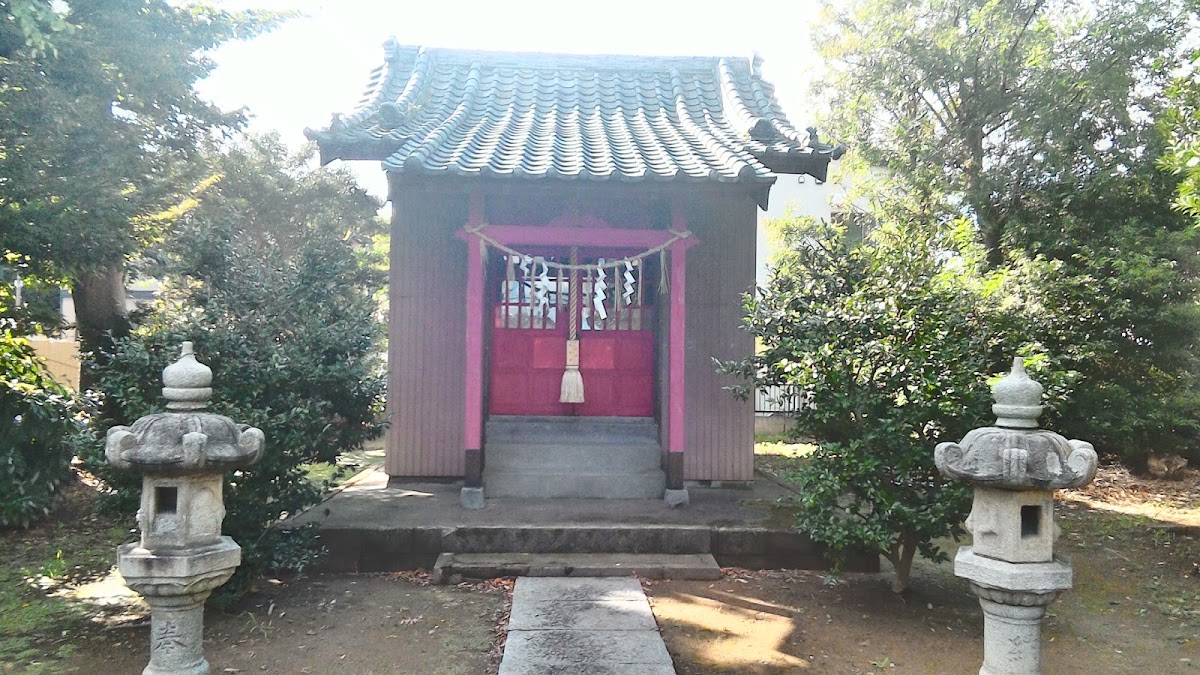
Funadama Shrine (Ichihara City, Chiba Prefecture) Complete Guide | Access, Deities, History, and Benefits Explained in Detail
Funadama Shrine, located in Aoyagi, Ichihara City, Chiba Prefecture, is a shrine that attracts the interest of many visitors due to its unusual name. This guide provides a detailed explanation of this shrine, which bears the name “Funadama” (Ship Spirit), a rare name nationwide, covering everything from access methods to its enshrined deities, history, and benefits.
Basic Information about Funadama Shrine
Funadama Shrine is located at 2-1-5 Aoyagi, Ichihara City, Chiba Prefecture, and is a shrine that enjoys deep-rooted faith in the local community. The name “Funadama” is rare nationwide, and the shrine is known for enshrining deities related to the sea and ships.
Location and Access
Address: 2-1-5 Aoyagi, Ichihara City, Chiba Prefecture
Access from Nearest Station:
- Approximately 34 minutes on foot from JR Uchibo Line “Anegasaki Station”
- Approximately 43 minutes on foot from JR Uchibo Line “Goi Station”
Access by Bus:
- Approximately 3 minutes on foot from “Aoyagibashi” bus stop
For those coming by car, access is via National Route 16 from the center of Ichihara City. The shrine is situated in a quiet environment surrounded by residential areas.
Deities and History of Funadama Shrine
About the Deities
The deities enshrined at Funadama Shrine are gods worshipped as guardian deities of ships. “Funadama” refers to a spiritual being believed to reside in ships in Japanese folk beliefs, and has been revered since ancient times as a god who presides over fishing and safe voyages.
Generally, the following deities are often enshrined in the belief in ship spirits:
- Sumiyoshi-no-kami: Deity protecting safe voyages
- Suiten-gu: Deity protecting against water-related disasters
- Konpira-gongen: Guardian deity of maritime traffic
These deities, all associated with the sea and water, have garnered deep devotion from people involved in fishing and shipping.
History and Background of Ship Spirit Beliefs
Ship spirit beliefs are a folk belief that has been passed down for centuries in fishing villages and port towns throughout Japan. It is believed that ship spirits reside in fishing boats and merchant ships, and they have been objects of prayer for ship safety and abundant catches.
Chiba Prefecture faces Tokyo Bay and the Pacific Ocean, and has long been a region where fishing thrives. The Yoro River flows through the area around Ichihara City, and water transport once played a vital role. Ship spirit shrines are thought to be deeply connected to the history and life of this region.
Shrines dedicated to the spirits of ships are often established on land as places of worship for sailors and fishermen when they come ashore, and as places to pray for maritime safety for the entire region. It is highly likely that Funadama Shrine was founded with such a background.
Benefits and Points for Visiting Funadama Shrine
Main Benefits
Funadama Shrine is believed to offer the following benefits:
Maritime Safety and Navigational Safety
As a fundamental benefit of the spirit of ships, you can pray for the safety of your ship and safe voyages. It is suitable for those involved in fishing and shipping.
Traffic Safety
It is believed to offer benefits not only for maritime traffic but also for general traffic safety. In modern times, some people visit to pray for safety on land, such as for cars and motorcycles.
Business Prosperity
Shipes have historically been an important means of transporting goods. Therefore, it is also a place of worship for praying for business development and success.
Safe Travel
Known as a deity protecting safe travels, this shrine is suitable for prayers before travel or when embarking on a new journey.
Etiquette and Manners for Visiting a Shrine
By observing basic etiquette when visiting a shrine, you can offer a more heartfelt prayer:
- Bow before passing through the torii gate: As a sign of respect before entering the sacred area.
- Avoid walking in the center of the approach: The center is considered the path of the gods.
- Purify yourself at the water basin (if available).
- Bow twice, clap twice, and bow once in front of the main hall: Basic Shinto worship etiquette.
Grounds and Highlights of Funadama Shrine
Atmosphere of the Shrine Grounds
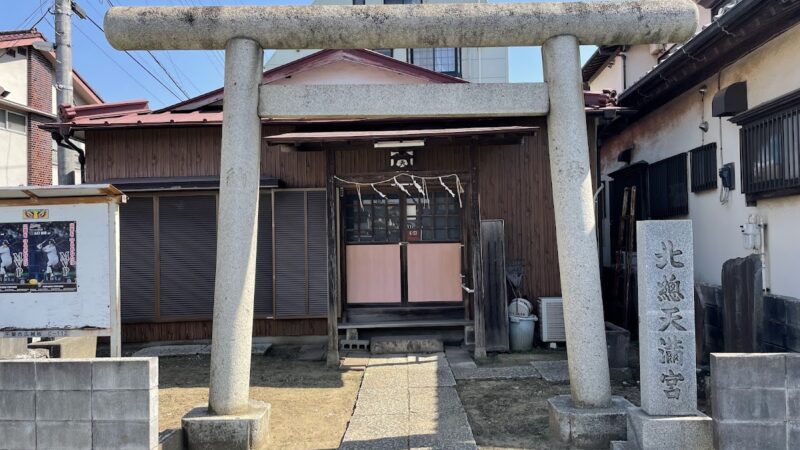
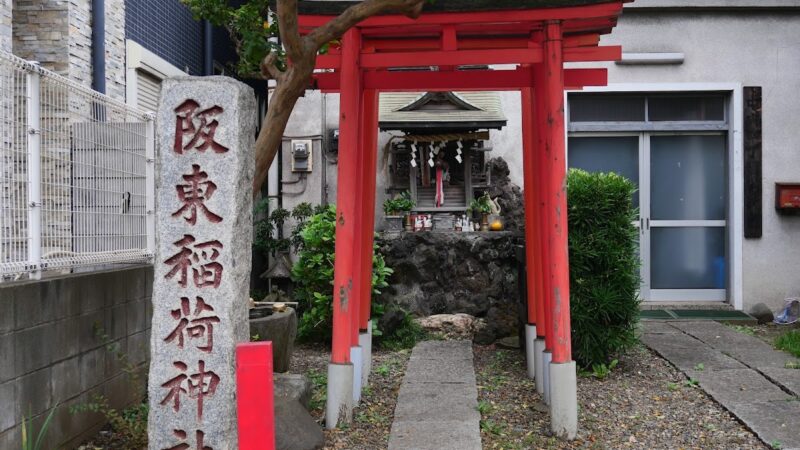
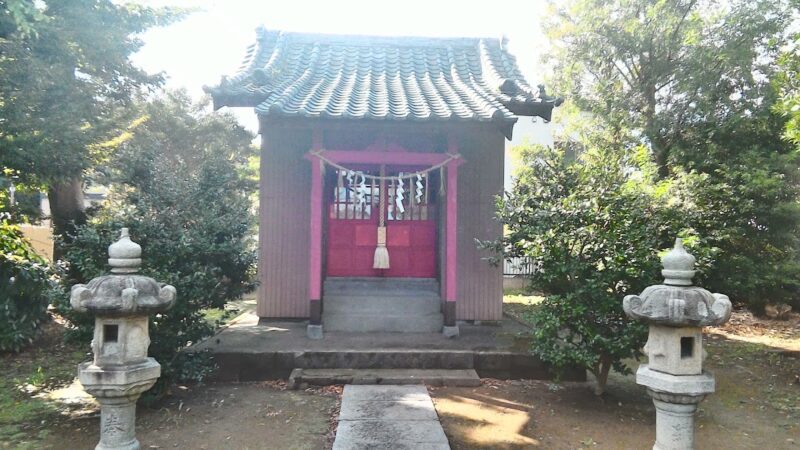
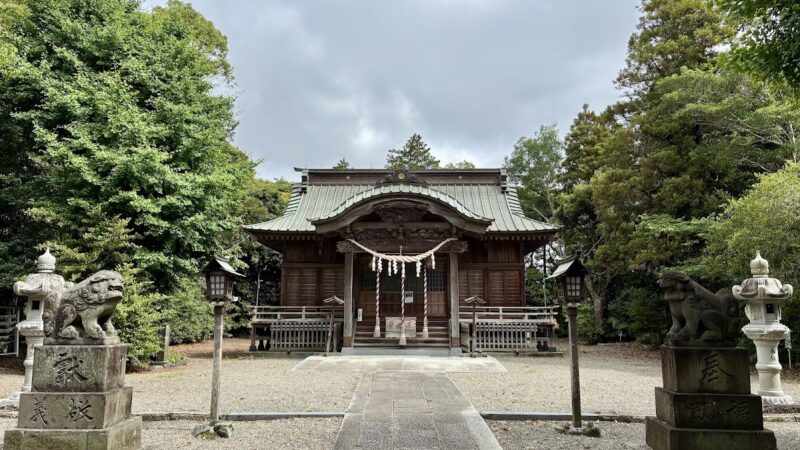
Funadama Shrine, despite being located in a residential area, maintains a quiet and peaceful atmosphere. While not large in scale, it is a beloved shrine in the community and is carefully maintained.
The shrine grounds feature a main hall, creating a simple yet sacred space. Away from the hustle and bustle of the city, the quiet environment of this shrine is ideal for calming the mind and offering prayers.
Regarding Photography
While photography of the shrine grounds and building exteriors is generally permitted, please observe the following points:
- Refrain from photographing the interior of the main hall or sacred areas.
- Be considerate of the privacy of other visitors.
- Always abide by any signs prohibiting photography.
- When posting on social media, be mindful of location information, etc.
When taking photos as a memento of your visit, please observe proper etiquette and show respect to the shrine.
Regarding Goshuin (Shrine Seals)
Issuance of Goshuin
It is recommended to check in advance regarding the issuance of Goshuin at Funadama Shrine. Smaller shrines may not have a resident priest, or may only offer Goshuin on specific dates and times.
If you wish to receive a Goshuin (temple/shrine stamp), please note the following:
- It is customary to receive the Goshuin after your visit.
- Bring your Goshuincho (stamp book) (if you don’t have one, you may receive a paper stamp).
- Prepare the offering (generally around 300-500 yen).
- Don’t forget to express your gratitude to the Shinto priest.
About Goshuincho
When visiting shrines in Chiba Prefecture, preparing a dedicated Goshuincho will create a precious record of your visits. Goshuin can be obtained at shrines and temples throughout Japan, and many people collect them as proof of their visits.
Nearby Shrines, Temples, and Tourist Spots
Major Shrines Around Ichihara City
When visiting Funadama Shrine, why not extend your visit to other shrines around Ichihara City?
Iikagaoka Hachimangu Shrine
An ancient shrine known as the guardian shrine of Ichihara City. It has a history as a shrine associated with Minamoto no Yoritomo.
Takataki Shrine
One of Ichihara City’s representative ancient shrines, situated on a hill with excellent views.
Kazusa Kokubunji Temple Ruins
The ruins of a Kokubunji temple from the Nara period, recommended for those interested in history.
Ichihara City Tourist Information
Ichihara City is located almost in the center of Chiba Prefecture and boasts abundant nature and numerous historical sites:
- Yoro Valley: A scenic spot known for its beautiful autumn foliage
- Ichihara Elephant Kingdom: A zoo where you can interact with elephants
- Chibanian: A place where geologically important strata can be seen
Visiting these tourist spots in conjunction with a visit to Funadama Shrine is highly recommended.
Chiba Prefecture’s Shrine Culture and Funadama Worship
Characteristics of Shrines in Chiba Prefecture
Chiba Prefecture has many nationally famous shrines, such as Katori Shrine and Awa Shrine. Also, due to its coastal location, many shrines related to maritime safety and fishing can be found. Characteristics of shrines in Chiba Prefecture:
- Many shrines enshrine sea gods: The Boso Peninsula is surrounded by the sea on three sides.
- Many shrines have a long history dating back to ancient times: The region has a history of flourishing as the provinces of Kazusa, Shimosa, and Awa.
- Community-based beliefs: Shrines are closely tied to the lives and industries of each region.
Funadama Shrine can be said to play a part in this shrine culture of Chiba Prefecture.
Funadama Worship in the Kanto Region
In the Kanto region, Funadama worship is mainly found along the Tokyo Bay coast. In areas where fishing and shipping were thriving, the belief in praying for the safety of ships and abundant catches remains strong.
Shrines with names like Funadama Shrine are rare nationwide, and are particularly valuable within Chiba Prefecture. While Funadama Shrine in Hakodate City, Hokkaido, is known as the oldest shrine in Hokkaido with similar beliefs, Funadama Shrine in Chiba Prefecture can be considered a valuable example of Funadama worship in the Kanto region.
Suitable Time and Attire for Visiting the Shrine
Recommended Time to Visit
Funadama Shrine is open year-round, but each season offers its own unique charm:
Spring (March-May)
The season of fresh greenery and mild weather makes it ideal for visiting. As a time of new beginnings, it’s perfect for praying for traffic safety and safe travels.
Summer (June-August)
During the sea leisure season, many people visit to pray for safety at sea. Since it’s a hot time, remember to stay hydrated.
Autumn (September-November)
The pleasant weather allows for a leisurely visit. It’s also recommended to visit in conjunction with other autumn foliage spots in Chiba Prefecture.
Winter (December-February)
During the New Year’s visit period, the shrine is bustling with worshippers praying for safety in the coming year.
Attire for Visiting a Shrine
While there are no strict rules regarding attire for visiting a shrine, please consider the following points:
- Dress neatly and cleanly.
- Avoid overly revealing clothing.
- Choose comfortable shoes (especially if you are walking).
- Dress appropriately for the season and take care of your health.
Planning Your Visit to Funadama Shrine
Estimated Time Required
Considering the size of the grounds, a visit to Funadama Shrine should take approximately:
- Worship only: 15-20 minutes
- Including photography and exploring the grounds: 30 minutes
- If obtaining a Goshuin (shrine stamp): 10-15 minutes additionally
If combining with sightseeing in the surrounding area, a half-day to full-day plan is recommended.
Precautions When Visiting the Shrine
- Visiting Hours: Generally, shrines can be visited freely during the day, but please avoid early mornings and late nights.
- Parking: It is recommended to check the availability of parking in advance.
- Inquiries: For inquiries regarding Goshuin (shrine stamps) and prayers, it is advisable to check in advance.
- Manners: Please visit quietly and be considerate of the lives of local residents.
The History of Ichihara City and the Position of Funadama Shrine
Historical Background of Ichihara City
Ichihara City is a historical region where people have lived since ancient times. It flourished as the center of Kazusa Province, and the transportation of goods using the Yoro River was thriving.
During the Edo period, it played an important role as a transit point for transporting goods from the Boso Peninsula to Edo. Because transportation by ship was the foundation of life and the economy, it is thought that a belief in praying for the safety of ships arose.
The Significance of Funadama Shrine in Modern Times
While the importance of fishing and water transport has relatively declined in modern times, Funadama Shrine holds new significance as a valuable cultural asset that conveys the history of the region, and as a place to pray for general traffic safety.
Its unusual name and unique form of worship are culturally valuable as an example of the diversity of Japanese folk beliefs. The fact that this small, locally rooted shrine has continued to attract people’s faith across generations speaks to the profound depth of Japanese shrine culture.
Other Distinctive Shrines in Chiba Prefecture
Other shrines in Chiba Prefecture have distinctive names and beliefs similar to Funadama Shrine:
Katori Shrine (Katori City)
The head shrine of approximately 400 Katori Shrines nationwide, and the Ichinomiya (first-ranked shrine) of Shimosa Province, enshrining Futsunushi-no-Okami. Known as the god of martial arts, it attracts the faith of those involved in martial arts such as kendo and judo.
Awa Shrine (Tateyama City)
The Ichinomiya (first-ranked shrine) of Awa Province, enshrining Amenotama-no-Mikoto, the ancestral god of Japanese industry. It is believed to bring blessings for manufacturing and technological advancement.
Tamasaki Shrine (Ichinomiya Town)
The Ichinomiya (first-ranked shrine) of Kazusa Province, it is known as a shrine for matchmaking, enshrining Tamayorihime-no-Mikoto.
Compared to these famous shrines, Funadama Shrine is small in scale, but it is a valuable place that conveys its unique faith and local history.
Summary: The Charm of Visiting Funadama Shrine
Funadama Shrine, located in Ichihara City, Chiba Prefecture, is an interesting place for those who enjoy visiting shrines, due to its unusual name and unique form of worship as a guardian deity of ships.
Unlike large-scale tourist shrines, Funadama Shrine, quietly nestled in the community, gives a sense of the origins of Japanese folk belief. Many worshippers visit seeking blessings that are still relevant today, such as maritime safety, traffic safety, and business prosperity.
It is accessible from Anegasaki Station and Goi Station, and can be visited as part of sightseeing in Ichihara City. If you are planning a shrine tour in Chiba Prefecture, be sure to visit Funadama Shrine and experience its unique atmosphere and history.
When visiting a shrine, remember to show respect, observe proper etiquette, and offer your prayers with sincerity. The quiet and sacred atmosphere, which can only be felt at a small shrine, will surely bring peace to your heart.