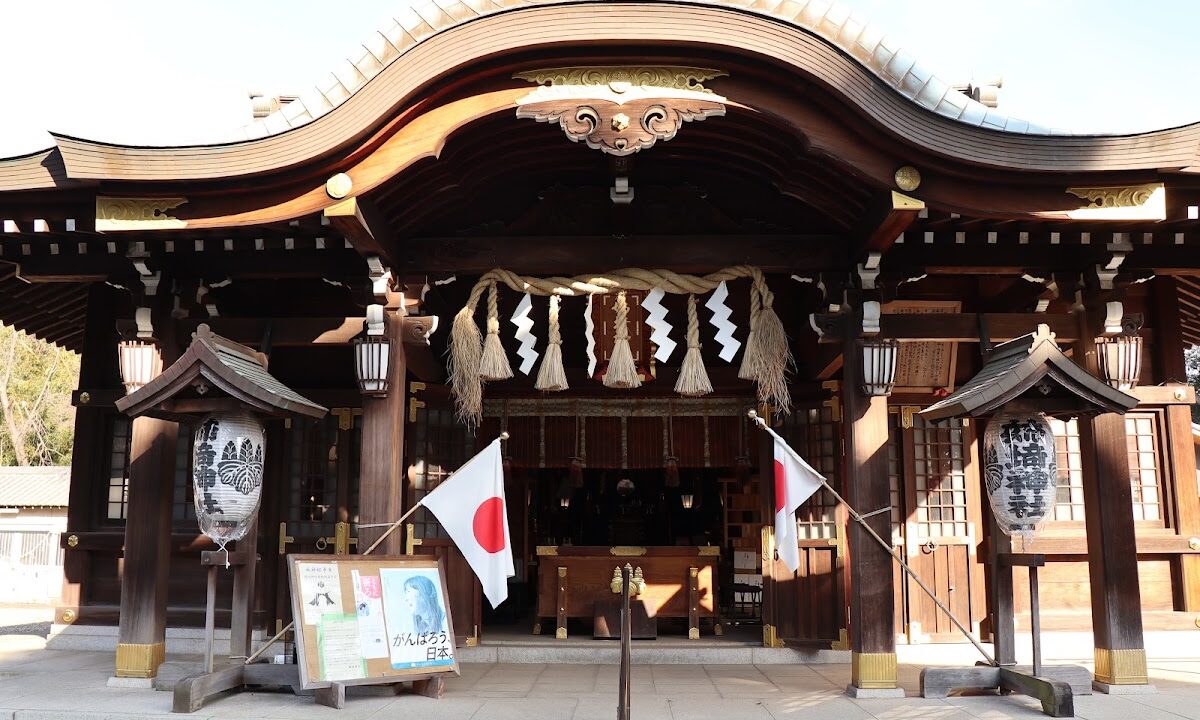
A Complete Guide to Anesaki Shrine (Ichihara City, Chiba Prefecture) | History, Goshuin (Shrine Seal), and Access Information
Anesaki Shrine, located in Anesaki, Ichihara City, Chiba Prefecture, is an ancient shrine with a history of approximately 1900 years. It is a Shikinaisha (a shrine listed in the Engishiki Jinmyocho, a historical record of shrines) and held the high rank of Prefectural Shrine. It has been affectionately known as “Anesaki Myojin” by the local people.
This article comprehensively introduces all the information you need to know before visiting Anesaki Shrine, including its detailed history, enshrined deities, highlights of the grounds, goshuin information, and access methods.
Basic Information on Anesaki Shrine
Location: 2270 Anesaki, Ichihara City, Chiba Prefecture 299-0111 (Some sources list 2278)
Telephone Number: Listed on the official website
Nearest Station: Approximately 15 minutes on foot (approx. 1.2 km) from Anesaki Station on the JR Uchibo Line
Visiting Hours: 9:00 AM – 4:30 PM (Shrine office hours)
Parking: Available
Shrine Rank: Shikinaisha (listed in the Engishiki Jinmyocho), Former Prefectural Shrine
Divine Rank: Senior Fifth Rank, Upper Grade
The place name is “Anesaki,” but the shrine name is written as “Anesaki.” This respects the ancient spelling, and it is said that locals can distinguish between locals and those who pronounce it “Anegasaki” or “Anesaki.”
History: The Legend of Yamato Takeru and 1900 Years of History
Origin of the Shrine and Legends from the Reign of Emperor Keiko
According to shrine tradition, the founding of Anesaki Shrine dates back to the 40th year of Emperor Keiko’s reign (110 AD). It is based on the famous legend recorded in the Kojiki and Nihon Shoki, in which Yamato Takeru, on his eastern expedition, encountered a storm in the sea of Hashirimizu (present-day Uraga Channel). His consort, Ototachibana-hime no Mikoto, threw herself into the sea to appease the wrath of the sea god.
It is said that Yamato Takeru, in remembrance of his consort who sacrificed herself in this tragedy, enshrined Shinatobe no Mikoto, the wind god, in this place, marking the founding of Anesaki Shrine. This “Shinatobe no Mikoto” is the god who controls the wind and was revered as a god who protects safe voyages.
Status as a Shikinaisha Shrine
The Engishiki Jinmyocho, compiled in the mid-Heian period, lists “Anezaki Shrine” as a Shikinaisha shrine in Moda District, Kazusa Province. This indicates that it was already a historically significant shrine recognized by the imperial court during the Heian period.
From the medieval to the early modern period, it was known as “Anezaki Myojin” as the guardian shrine of the region, attracting the faith of the people. Records from the Edo period show that it was written as “Anezaki” or “Anegasaki” and pronounced “Anegasaki.”
Development in Modern Times
Under the Meiji era’s shrine ranking system, it was ranked as a prefectural shrine, positioning it as a representative shrine of the region. Even today, it remains one of Ichihara City’s representative shrines, attracting many worshippers for New Year’s visits, Shichi-Go-San (a traditional rite of passage for children), and exorcisms.
Deities Enshrined: Wind God and Yamato Takeru
The following deities are enshrined at Anezaki Shrine:
Main Deity:
- Shinatobe-no-Mikoto: God who controls the wind. Worshipped as the god of safe voyages and abundant harvests.
Enshrined Deities:
- Yamato Takeru-no-Mikoto: Prince of Emperor Keiko and hero of the eastern expedition.
- Amenokoyane-no-Mikoto: God who recited prayers when Amaterasu Omikami hid in the rock cave.
- Saeno-no-Mihashira-no-Kami: Gods of roads and guardians of boundaries.
- Oosazaki-no-Mikoto: Another name for Emperor Nintoku.
From this composition of deities, it is clear that Anesaki Shrine is a shrine that fuses multiple religious elements, such as the legend of Yamato Takeru-no-Mikoto and the worship of roadside deities, with wind god worship at its core.
Shrine Grounds and Cultural Properties: Highlights
Overview of the Shrine Grounds
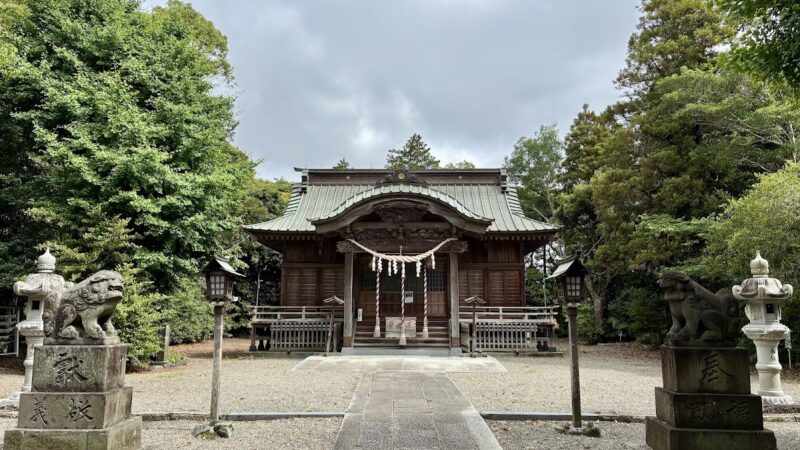
Anesaki Shrine is situated on Miyayamadai, approximately 35 meters above sea level, overlooking Tokyo Bay. The grounds cover approximately 6,700 tsubo (approximately 22,000 square meters) and are enveloped in a solemn atmosphere with tall cedar and camphor trees.
Approach and Torii Gate
There are two main entrances to the shrine grounds. Passing through the Myojin Torii gate visible from Heisei Street, a dimly lit stone staircase follows. Climbing these steps leads to the spacious grounds. The atmosphere of the stone staircase evokes the solemnity characteristic of an ancient shrine.
Each entrance has a water basin for purification, allowing worshippers to cleanse themselves.
Main Hall and Worship Hall
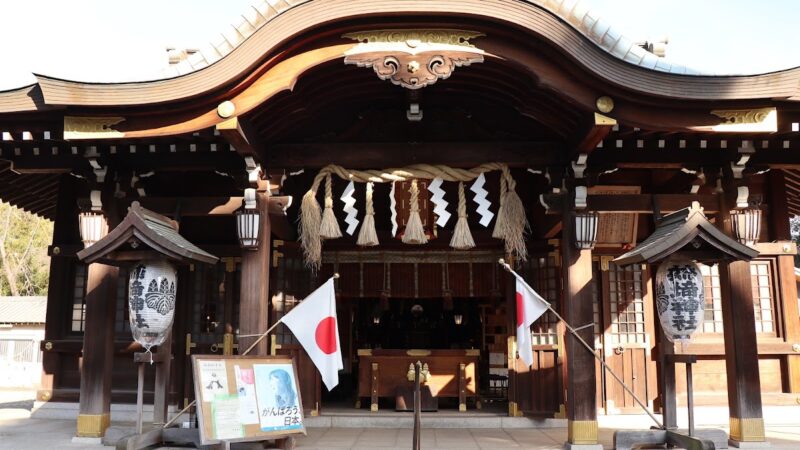
At the top of the stone staircase are the magnificent worship hall and main hall. The shrine grounds are spacious, surrounded by towering cedar and camphor trees, creating a tranquil atmosphere despite its urban location.
Shrines within the Precincts
Within the grounds of Anesaki Shrine are the following shrines:
- Tenjin Shrine: Dedicated to Sugawara no Michizane, the god of learning
- Asama Shrine: A shrine based on the worship of Mount Fuji
These shrines also attract local devotion.
Shakayama Kofun (Ancient Burial Mound)
To the left after passing through the torii gate is the “Shakayama Kofun.” This is a relic from the Kofun period, a valuable cultural asset that tells the story of the region’s ancient history. The presence of a burial mound within the shrine grounds is evidence that this area has been considered a sacred place since ancient times.
Atmosphere of the Shrine Grounds
According to visitor reviews, the shrine grounds are regularly cleaned and maintained by the priests and parishioners, keeping them consistently clean and beautiful. The solemn atmosphere of Anesaki Shrine is maintained through the dedicated service of the local community.
Goshuin (Shrine Seal) and Goshuincho (Shrine Seal Book)
About Goshuin
You can receive a Goshuin at Anesaki Shrine. The shrine office is open from 9:00 to 16:30, so please visit within these hours.
The Goshuin features the shrine’s name, “Anesaki Shrine,” written in ink, and stamped with the shrine’s seal. As a Goshuin from a prestigious shrine (a Shikinaisha and a prefectural shrine), many visitors receive it as a memento.
Goshuincho (Shrine Seal Book)
Anesaki Shrine also offers original Goshuincho. Please check with the shrine office for designs and prices during your visit.
Gifts
The following gifts are available at Anesaki Shrine:
- Amulets: Various types for traffic safety, family safety, protection from evil, etc.
- Talisman: Amulets to be enshrined on the household altar
- Goshuincho (Stamp Book): Original design stamp books
- Ema (Votive Tablet): Ema (votive tablets) for writing wishes and offering them
For details on types and offering fees, please inquire at the shrine office.
Prayers and Annual Events
Prayers
At Anesaki Shrine, you can receive the following prayers:
- First Shrine Visit (Omiyamairi)
- Shichi-Go-San (7-5-3) Ceremony
- Prayer for Protection from Evil
- Prayer for Traffic Safety
- Prayer for Family Safety
- Prayer for Business Prosperity
- Prayer for Success in Exams
- Prayer for Safe Childbirth
If you wish to receive a prayer, we recommend making a reservation by phone in advance. The process should take approximately 30 minutes.
Main Annual Events
Anesaki Shrine holds various festivals throughout the year.
- New Year’s Day Festival: January 1st
- Setsubun Festival: Around February 3rd
- Kinensai Festival: February
- Reitaisai Festival: The largest festival of the year
- Shichi-Go-San Festival: November
- Niiname-sai Festival: November
- Oharai Ceremony: June and December
For detailed dates, please check the official website or call.
Access
Access by Train
Walking distance from JR Uchibo Line “Anesaki Station”
Estimated time: Approximately 15 minutes (approximately 1.2 km)
From Anesaki Station, head south along Heisei Street and follow the signs to reach Anesaki Shrine. It’s within walking distance from the station, making it convenient to access by train.
Access by Car
Metropolitan Inter-City Expressway (Ken-O Expressway)
- Approximately 20 minutes from “Ichihara Tsurumai IC”
Tateyama Expressway
- Approximately 25 minutes from “Ichihara IC”
There is a parking lot on the shrine grounds, so you can visit by car. However, please note that the parking lot may be full during busy times such as New Year’s Day and the annual festival.
Address and Car Navigation Settings
Address: 2270 Anesaki, Ichihara City, Chiba Prefecture 299-0111
Please set your car navigation system using the above address or by searching for “Anesaki Shrine”.
Points and Manners for Visiting
Attire for Visiting
For regular visits, no special attire is required, but please dress neatly. If you are receiving a prayer, slightly more formal attire, such as a jacket, is recommended.
Proper Worship Etiquette
- Bow before passing through the torii gate.
- Cleanse your hands and mouth at the water basin.
- Offer your donation in front of the main hall.
- Worship with two bows, two claps, and one bow.
- Worship at the subsidiary shrines within the grounds.
- Bow once as you leave the torii gate.
Photography
Photography is generally permitted within the shrine grounds, but please refrain from taking photos inside the main hall or during religious ceremonies. Please also be considerate of other worshippers.
Nearby Attractions
Tourist Spots in Ichihara City
When visiting Anesaki Shrine, why not also explore other tourist spots within Ichihara City?
- Kazusa Kokubunji Temple Ruins: Site of a provincial temple from the Nara period
- Ichihara Elephant Kingdom: A zoo where you can interact with elephants
- Yoro Valley: A valley famous for its autumn foliage
- Chibanian: A place where geologically important strata can be seen
Nearby Shrines and Temples
There are many other historical shrines and temples in Ichihara City. If you enjoy visiting shrines, we recommend visiting them as well.
Search by Area: Shikinaisha Shrines in Chiba Prefecture
Chiba Prefecture has several Shikinaisha shrines listed in the Engishiki Jinmyocho (a list of shrines compiled in the Heian period), such as Anesaki Shrine. Visiting these historical shrines (“Shikinaisha pilgrimage”) is one way to enjoy shrine visits.
Recommended Shikinaisha Shrines in Chiba Prefecture
- Katori Shrine (Katori City): Ichinomiya of Shimosa Province, head shrine of all Katori shrines nationwide
- Tamaki Shrine (Ichinomiya Town): Ichinomiya of Kazusa Province, ancient shrine facing Kujukuri Beach
- Awa Shrine (Tateyama City): Ichinomiya of Awa Province, ancient shrine at the southern tip of the Boso Peninsula
By visiting these Shikinaisha shrines, along with Anesaki Shrine, you can experience the ancient history of Chiba Prefecture.
Summary of Anesaki Shrine’s Charms
Anesaki Shrine is a shrine with the following charms:
- Approximately 1900 Years of History: An ancient shrine said to have been founded during the reign of Emperor Keiko.
- Legend of Yamato Takeru: Founded in remembrance of the sacrifice of Ototachibana-hime no Mikoto.
- Status as a Shikinaisha: A historically significant shrine listed in the Engishiki Jinmyocho (a list of shrines compiled in the Heian period).
- Vast Grounds: Approximately 6,700 tsubo (about 22,500 square meters) of grounds are home to towering cedar and camphor trees.
- Presence of Ancient Burial Mounds: The Shakayama Kofun (ancient burial mound) remains on the grounds, adding to its historical value.
- Easy Access: Located a 15-minute walk from JR Anegasaki Station.
- Local Religion: A beloved guardian shrine known as “Anesaki Myojin.”
When visiting Ichihara City, be sure to visit Anegasaki Shrine and experience its 1900 years of history and solemn atmosphere. As a shrine dedicated to the wind god, it is a fitting place to pray for safe passage on life’s journey.
Important Notes for Visiting Anesaki Shrine
Visiting Hours
While you can generally visit the shrine grounds freely, the shrine office is open from 9:00 AM to 4:30 PM. Those wishing to receive a Goshuin (shrine stamp) or amulet should visit within these hours.
Restroom Facilities
Restrooms are available on the shrine grounds. You can use them before visiting, so you can visit with peace of mind.
Busy Seasons
The shrine is particularly crowded during New Year’s (January 1st-3rd), the annual festival, and the Shichi-Go-San season (November). For those who wish to visit at a leisurely pace, weekdays or early mornings are recommended.
Accessibility Information
Since you need to climb stone steps to reach the shrine grounds, it may be difficult for those using wheelchairs or strollers. If you have any concerns, please contact the shrine in advance.
In Conclusion
Anesaki Shrine is a historical and prestigious shrine located in Ichihara City, Chiba Prefecture. The shrine’s value is evident in its founding history based on the legend of Yamato Takeru and Ototachibana-hime, its association with the wind god, and its status as a shrine listed in the Engishiki (ancient Japanese legal code).
With its vast grounds, magnificent shrine buildings, and ancient burial mounds, there are plenty of sights to see. Its convenient location, within walking distance of JR Anegasaki Station, is another attractive feature.
If you are visiting Chiba Prefecture, or if you live near Ichihara City, be sure to visit Anegasaki Shrine and experience this place of worship woven with 1900 years of history. May your life’s journey be safe under the protection of the wind god.