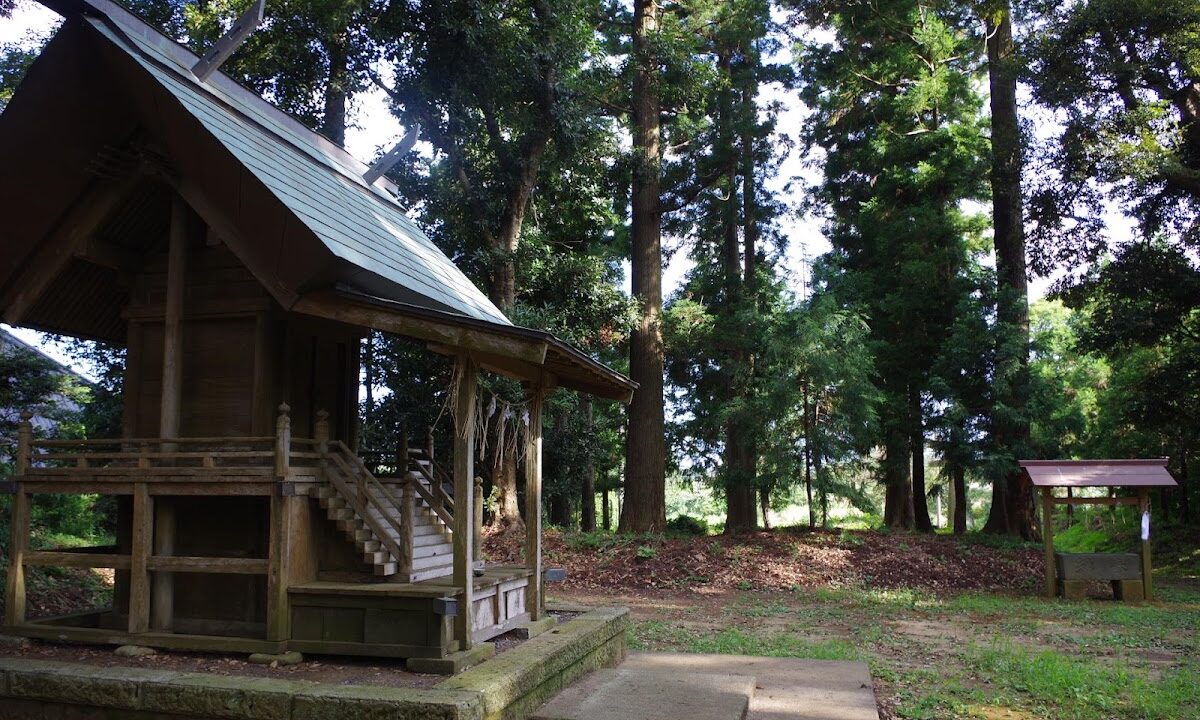
Complete Guide to Kyūkumano Shrine (Chiba Prefecture): History, Deities, Access, and Festivals
While numerous Kumano shrines are located in Chiba Prefecture, this article provides detailed information about Kyūkumano Shrine, a particularly distinctive one. From its historical background to its current state, this comprehensive guide is for those considering a visit or those interested in shrines in Chiba Prefecture.
Overview of Kyūkumano Shrine
Kyūkumano Shrine is one of the Kumano faith-based shrines located in Chiba Prefecture. There are said to be over 3,000 Kumano shrines nationwide, and many are located throughout Chiba Prefecture, including in Ichihara City, Matsudo City, Asahi City, Narita City, and Sanbu District. The name Kyūkumano Shrine is a distinctive designation given due to its regional and historical context, and it is important for understanding the shrine culture of Chiba Prefecture.
Distribution of Kumano Shrines in Chiba Prefecture
Kumano shrines are located in the following areas within Chiba Prefecture:
- Kongochi, Ichihara City: Kumano shrine located at 290-0162
- Kanagasaku, Matsudo City: An ancient shrine known as Kanagasaku Kumano Shrine
- Asahi City: Multiple Kumano shrines exist, including Matsuzawa Kumano Shrine
- Toyosumi, Narita City: Toyosumi Kumano Shrine, said to have been founded in 923 AD
- Miyagawa, Yokoshibahikari Town, Sanbu District: Miyagawa Kumano Shrine
- Konakadai-cho, Inage Ward, Chiba City: Konakadai Kumano Shrine
- Nagara Town, Chosei District: Kumano shrine located at 297-0222
Among these Kumano shrines, Kyu Kumano Shrine has its own unique history and characteristics.
Deities enshrined at Kumano Shrine
The deities enshrined at Kumano Shrines are generally those invited from the Kumano Sanzan (Hongu, Shingu, and Nachi). At Kyūkumano Shrine, the following deities are believed to be enshrined:
Main Deities
- Ketsumimiko no Ōkami: The main deity of Kumano Hongū Taisha Shrine, identified with Susanoo-no-Mikoto
- Kumano Hayatama no Ōkami: The main deity of Kumano Hayatama Taisha Shrine
- Kumano Fusumi no Ōkami: The main deity of Kumano Nachi Taisha Shrine, identified with Izanami-no-Mikoto
Divine Virtues
The divine virtues of Kumano Shrines are diverse and are believed to include the following benefits:
- Health and Longevity: Healing from illness and prayers for good health
- Family Safety: Safety and prosperity of the family
- Exorcism and Protection from Evil: Protection from disasters
- Business Prosperity: For the success and development of a business
- Prayer for Safe Childbirth: For a safe delivery
- Prayer for Success in Exams: For academic success and passing exams
- Matchmaking: For a good match
The History and Origins of Kyū Kumano Shrine
The Spread of Kumano Faith to Chiba Prefecture
Kumano faith is a belief centered on the Kumano Sanzan shrines in Kii Province (present-day Wakayama Prefecture), and spread throughout Japan from the Heian period to the Kamakura period. The spread of Kumano faith to Chiba Prefecture is thought to have occurred through the following process:
From the late Heian period to the Kamakura period, pilgrimages to Kumano became popular among nobles and samurai, and the faith spread to the provinces. Given Chiba Prefecture’s geographical characteristics as the Boso Peninsula, it is presumed that the spread of faith by sea played an important role.
Background of Founding
Many Kumano shrines in Chiba Prefecture were founded under the following circumstances:
- Invitation of a Divine Spirit from Kumano Grand Shrine: Cases like the Kumano Shrine in Toyosumi, Narita City, which was founded in 923 AD (Enchō 1) after receiving a divided spirit from Kumano Grand Shrine in Kishu.
- Invitation by Local Powerful Figures: Cases where the shrine was invited as a guardian deity of the region in conjunction with regional development or flood control projects.
- Mission by Kumano Shugendo Practitioners: Cases where Kumano Shugendo practitioners traveled to various regions, spreading the Kumano faith.
The name “Kyu” (休) in Kyu Kumano Shrine could indicate several possibilities, such as it being a resting place during a pilgrimage to Kumano, or that the shrine was temporarily closed due to specific historical circumstances before being restored.
Historical Changes
Kumano shrines in Chiba Prefecture have undergone the following changes over time:
Edo Period: They became established as guardian shrines in each region and became the center of faith for local residents. During this period, many shrines underwent renovations to their buildings and established festivals.
Meiji Era: The Meiji government’s reform of the shrine system established shrine ranks such as village shrines and regional shrines. During this time, the Shinto-Buddhist Separation Order led to Kumano Shrines, which had previously practiced syncretism, adopting a purely Shinto form.
Showa Era: After the turmoil of the post-war period, shrines once again took on the role of centers of local communities. During the Showa era, many shrines underwent renovations to their buildings and grounds, forming the foundation for their current appearance.
Heisei/Reiwa Era: Currently, shrines function as places for preserving local traditional culture and as spiritual havens.
Classification and Designation of Kyūkumano Shrine
Classification of Shrines
Japanese shrines are classified as follows based on their size and historical importance:
- Shikinaisha: Ancient shrines listed in the Engishiki Jinmyōchō (a list of shrines compiled in the Heian period)
- Kokuheisha, Kensha, Gōsha, Murasha: Classification based on the old shrine ranking system
- Beppyo Jinja: Important shrines designated by the Association of Shinto Shrines
- Ippan Jinja: Shrines other than those listed above
The classification of Kyūkumano Shrine depends on its founding date and its position in the region.
Cultural Property Designation
Some Kumano shrines in Chiba Prefecture have been designated as cultural properties. For example:
The Kagura (sacred dance) of Kumano Shrine in Asahi City is a Chiba Prefecture designated intangible folk cultural property, and the traditional Kagura is still being passed down. Such cultural property designations demonstrate the historical and cultural value of the shrine and are a source of local pride.
The designation date and content vary for each shrine, but these designations promote the preservation and transmission of the shrines.
Location and Geographical Characteristics of Kyūkumano Shrine
Location Characteristics
Kumano shrines are generally located in the following places:
- Center of a settlement: A location easily accessible to local residents for worship
- Small hill or forest: A sacred forest serving as a guardian space
- Near a water source: A location close to a clean water source
- Transportation hub: Along former highways, etc.
The topography of Chiba Prefecture is diverse, encompassing the Shimōsa Plateau in the north, the Bōsō Hills in the central region, and the Awa region in the south, with locations tailored to the characteristics of each area.
Surrounding Environment
The following environments are thought to surround Kumano Shrine:
- Guardian Forest: A natural forest surrounding the shrine, contributing to the preservation of the local ecosystem.
- Approach to the Shrine: A familiar route for local residents to worship daily.
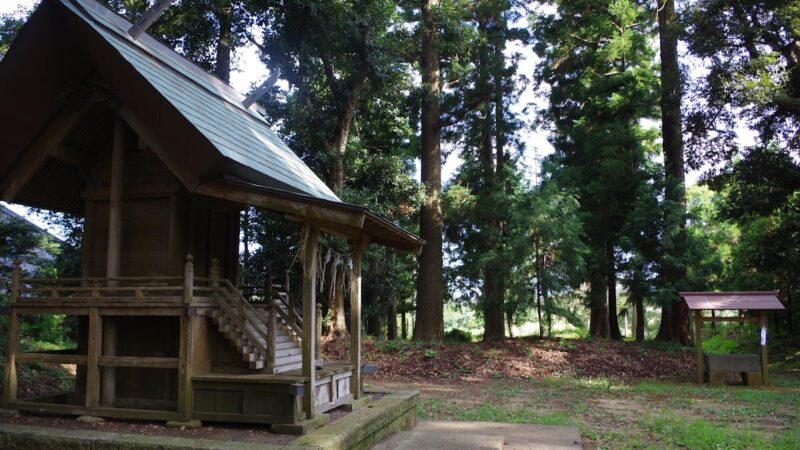
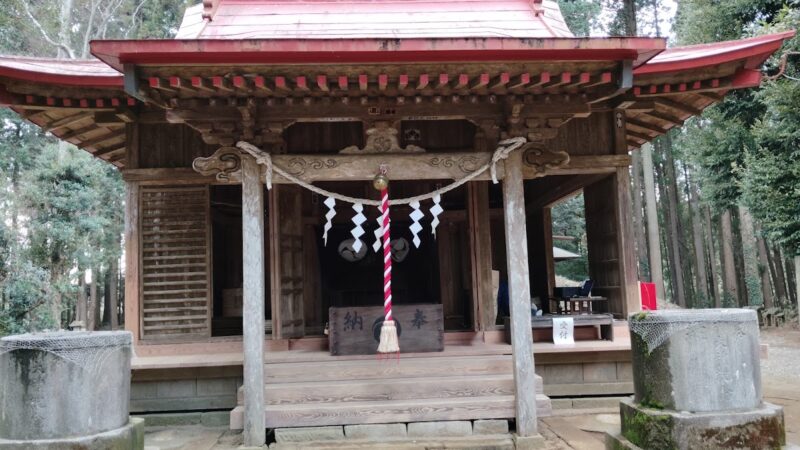
- Shrine Facilities: Shrine architecture including the main hall, purification fountain, lanterns, and guardian lion-dogs.
Festivals and Annual Events
Major Festivals
Kumano Shrine holds various festivals and events throughout the year. The following are the general annual events at Kumano Shrine:
Spring Events
Spring Grand Festival (April-May)
- An important festival to pray for a bountiful harvest
- May include a portable shrine procession and Kagura (sacred dance) performances
- The entire community participates in making the festival a success
Summer Events
Summer Purification Ceremony (June 30th)
- A Shinto ritual to cleanse away the sins and impurities accumulated over the past six months
- Many shrines also hold a ritual of passing through a ring of reeds
Annual Festival (July-August)
- Dates vary depending on the shrine
- An important community event as a summer festival
Autumn Events
Autumn Grand Festival (September-November)
- A festival to give thanks for the harvest
- Dedicatory performances such as Kagura and lion dances
- Stalls line the streets, creating a place for community interaction
Winter Events
Year-End Purification Ceremony (December 31st)
- A Shinto ritual to cleanse away the sins and impurities of the past year
- Preparation for a pure and harmonious New Year
First Shrine Visit of the Year (January 1st-3rd)
- The first visit of the new year
- Prayers for family safety and good health
2026 Festival Schedule
The specific festival dates for 2026 will be determined by official information from each shrine and local customs. If you plan to visit, please check with the shrine or local information beforehand.
Etiquette and Manners for Visiting a Shrine
Basic Etiquette for Visiting a Shrine
Here are the basic etiquette rules for visiting Kumano Shrine:
Before Passing Through the Torii Gate
- Bow: Bow slightly before entering the shrine grounds after bowing before the torii gate.
- Walking Along the Path: The center of the path is considered the path of the gods, so walk along the edges.
How to Purify Yourself at the Water Basin
- Take the ladle with your right hand and purify your left hand.
- Switch the ladle to your left hand and purify your right hand.
- Switch the ladle back to your right hand, receive water in your left hand, and rinse your mouth.
- Purify your left hand once more.
- Hold the ladle upright, purify the handle, and return it to its original position.
Visiting the Main Hall
- Two Bows, Two Claps, One Bow:
- Bow deeply twice.
- Clap your hands twice at chest height.
- Bow deeply once.
- Offering Money: Do not throw it in, but place it quietly.
- Ringing the Bell: If there is a bell rope, ring it before praying.
Attire for Visiting the Shrine
Except for special festivals or prayers, everyday clothes are fine for normal visits, but please note the following:
- Wear clean clothing.
- Avoid overly revealing clothing.
- Remove hats and sunglasses before entering the main hall.
Access to Kyu Kumano Shrine
Access by Public Transportation
Access to Kumano Shrines in Chiba Prefecture varies depending on their location. General access methods are as follows:
By Train
Access is often by bus or on foot from the nearest station. Major railway lines in Chiba Prefecture:
- JR Sobu Main Line
- JR Sotobo Line
- JR Uchibo Line
- Keisei Electric Railway
- Tobu Noda Line
- Hokuso Railway
Access by Bus
Many people use local community buses or regular route buses. Shrines are generally located within a few minutes to 15 minutes’ walk from bus stops.
Access by Car
Access from Major Roads
Major roads in Chiba Prefecture:
- Higashi-Kanto Expressway
- Keiyo Road
- Tateyama Expressway
- Ken-O Expressway
- National Route 16
- National Route 51
- National Route 126
Parking Information
Many shrines have parking lots for visitors, but the size varies depending on the shrine. Temporary parking lots may be set up during busy periods such as New Year’s visits and annual festivals.
Nearby Attractions
Comparison with Other Kumano Shrines
There are several Kumano shrines in Chiba Prefecture, each with its own unique characteristics:
Kumano Shrine in Kanagasaku, Matsudo City
- Known as a historically significant ancient shrine
- Attracts many worshippers for New Year’s visits, baby blessings, and Shichi-Go-San (7-5-3) celebrations
- Groundbreaking ceremonies and Shinto funeral rites are also performed here
Matsuzawa Kumano Shrine in Asahi City
- An ancient shrine said to have been founded in 806 AD
- Has a history of moving from Mikawahama to its current location in Matsuzawa
- Traditional Kagura (sacred dance) is preserved here
Kumano Shrine in Toyosumi, Narita City
- Received a divided spirit from Kumano Taisha in Kishu in 923 AD
- Revered as the guardian shrine of the Toyosumi district in Narita City
- Detailed information is available on the official website
Local Tourist Attractions
Around Kumano Shrine, there are several tourist attractions unique to Chiba Prefecture:
- Historical Buildings: Temples, old houses, etc.
- Natural Landscapes: The rich nature of Boso Peninsula
- Agricultural Products Direct Sales Outlets: Fresh local produce
- Hot Spring Facilities: Day-trip hot springs, etc.
Goshuin (Shrine Seals) and Amulets
About Goshuin
In recent years, collecting goshuin has become a popular pastime during shrine visits. It may be possible to obtain a goshuin at Kyukumano Shrine.
Manners for Receiving a Goshuin (Shrine Stamp)
- Complete your prayers first: Goshuin are given as proof of your visit.
- Prepare your Goshuincho (stamp book): Goshuin are written in a special Goshuincho.
- Prepare the offering: Generally around 300-500 yen.
- Check the reception hours: Visit within the shrine office’s opening hours.
- Use polite language: Ask, “May I receive a Goshuin?”
Amulets and Souvenirs
Kumano Shrine offers a variety of amulets and souvenirs:
- Health Amulet: For recovery from illness and longevity.
- Traffic Safety Amulet: For safety in cars and bicycles.
- Academic Success Amulet: For passing exams and improving academic performance.
- Safe Childbirth Amulet: For a safe delivery.
- Matchmaking Amulet: For a good match.
- Exorcism Amulet: To ward off misfortune.
Prayers and Rituals Available at Kyukumano Shrine
Life Cycle Rituals
First Shrine Visit (Omiyamairi)
This is a ceremony where a baby, approximately one month old, visits a shrine for the first time to pray for their healthy growth. It is generally held on the 31st day after birth for boys and the 32nd day for girls, but this varies depending on the region and family.
Shichi-Go-San
This is a ceremony to celebrate the growth of children aged 3, 5, and 7, and to pray for their future health and happiness. It is generally held around November 15th, but many families visit between October and December.
Exorcism/Protection from Misfortune
This is a prayer for those who have reached their unlucky year to ward off misfortune and pray for peace and safety.
Years of Misfortune:
- Men: 25, 42 (major year of misfortune), 61
- Women: 19, 33 (major year of misfortune), 37, 61
Other Prayers
- Prayer for Family Safety: Praying for the health and happiness of the family
- Prayer for Business Prosperity: Praying for the development of the business
- Prayer for Success in Exams: Praying for success in exams and tests
- Prayer for Safe Childbirth: Praying for a safe delivery (generally on the Day of the Dog in the 5th month of pregnancy)
- Groundbreaking Ceremony: Praying for the safety of new building construction and civil engineering work
- Shinto Funeral Ceremony: A Shinto-style funeral
Social Role of Kyukumano Shrine
Center of the Local Community
The shrine is not merely a religious facility, but plays a central role in the local community:
- Interaction through Festivals: A place for local residents to gather and deepen their interactions through annual events and grand festivals
- Preservation of Traditional Culture: Passing on traditional performing arts such as Kagura and Shishimai to the next generation
- Environmental Preservation: Protecting the natural environment as a guardian forest
- Spiritual Pillar: A spiritual anchor for local residents
Educational Function
Shrines are also important learning places for children:
- Acquiring Etiquette: Learning manners and etiquette through worship
- Learning Local History: Learning local history from the history of the shrine
- Interacting with Nature: Experiencing the changing seasons in the natural environment of the shrine grounds
- Experiencing Traditional Culture: Experiencing traditional Japanese culture by participating in festivals and Shinto rituals
Modern Significance of Kumano Faith
Faith of Healing and Rebirth
Kumano faith has been known since ancient times as a “land of rebirth” and a “sacred place of healing.” Even in modern society, the significance of this faith remains:
- Healing of the Mind: Removing the hustle and bustle of daily life and finding peace of mind in the tranquil shrine grounds
- Harmony with Nature: Feeling the energy of nature in the sacred grove
- Spiritual Reset: Renewing one’s spirit through worship
- Connection with the Community: Preventing isolation through interaction with local people
Contribution to a Sustainable Society
Shrines also contribute to environmental conservation and the creation of a sustainable society:
- Conservation of Biodiversity: Sacred groves are valuable green spaces in urban areas
- Traditional Festivals: Sustainable cultural activities utilizing local resources
- Spirit of a Circular Economy: A sense of reverence and gratitude towards nature
Precautions When Visiting
Manners on the Shrine Grounds
Shrines are sacred places. Please observe the following points when visiting the shrine:
- Be quiet: Do not speak loudly or make noise.
- No smoking: Smoking is prohibited throughout the shrine grounds.
- Bringing pets: Policies vary by shrine, so please check in advance.
- Photography: Please be aware of areas where photography is prohibited, such as inside the main hall.
- Garbage: Please take your trash home or dispose of it in the designated area.
Handling crowded times
During crowded times such as New Year’s visits and annual festivals, please observe the following points:
- Allow plenty of time: Leave early to account for waiting times.
- Manage valuables: Be especially careful during crowded times.
- Manage your health: Take breaks and stay hydrated as needed.
- Small children: Hold their hands to prevent them from getting lost.
Summary: The charm of Kyu Kumano Shrine
Kyu Kumano Shrine, nurtured by the rich nature and history of Chiba Prefecture, has attracted the faith of local residents. It continues to preserve the traditional Japanese form of faith known as Kumano worship, playing an important role as a center of the local community.
Through a visit to the shrine, you can experience the following:
- Peace of Mind: Forget the hustle and bustle of everyday life in the tranquil shrine grounds
- Dialogue with History: Feel the history of faith that has continued since ancient times
- Connecting with Nature: Enjoy the changing seasons in the sacred forest
- Understanding Local Culture: Learn about Chiba Prefecture’s culture through festivals and events
- Spiritual Fulfillment: Find peace of mind through worship
When visiting Chiba Prefecture, or even if you live in the prefecture, please do visit Kyukumano Shrine. There, you will find the history and culture of Chiba Prefecture, and the prayers of its people.
In modern society, shrines are becoming increasingly important not merely as tourist destinations, but as places of spiritual solace and as centers for the transmission of local culture. Kyukumano Shrine will also continue to walk alongside the community, fulfilling such roles.
When visiting, knowing the history and origins of the shrine and worshipping with proper etiquette will allow for a deeper experience. We hope this article will deepen your understanding of Kyukumano Shrine and help you have a more fulfilling visit.