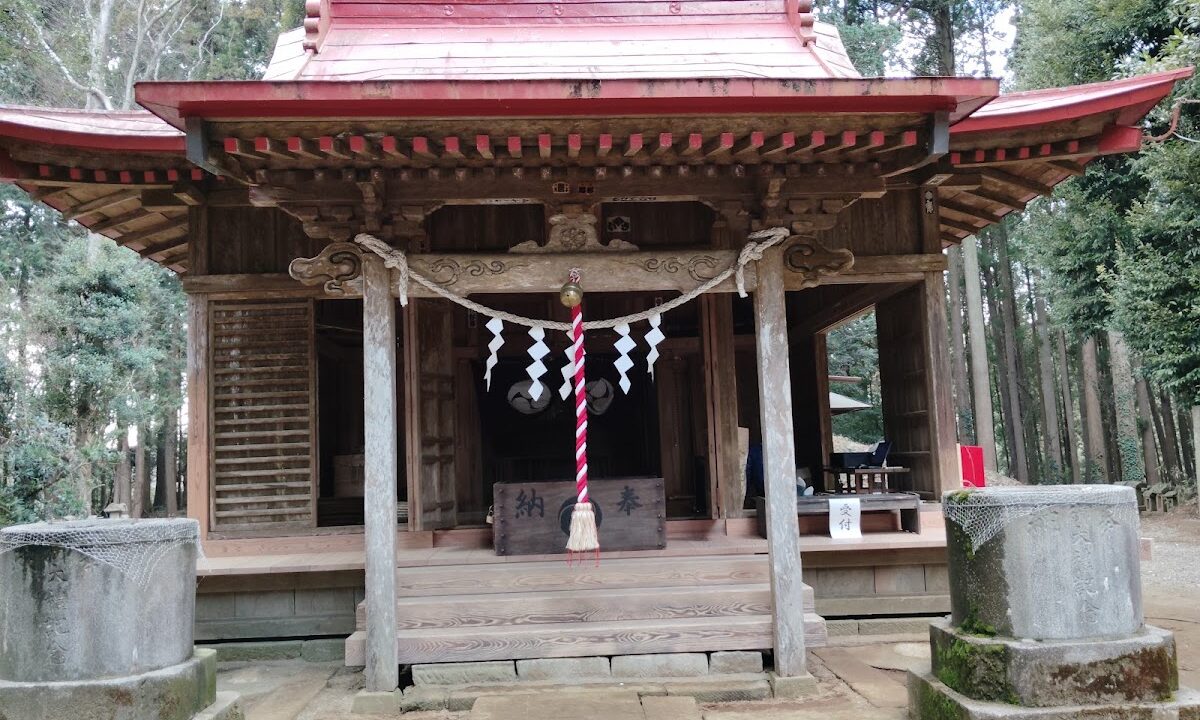
Inabayama Shrine (Chiba Prefecture) Complete Guide | Thorough Explanation of History, Goshuin (Shrine Seals), and Access Information
Inabayama Shrine, located in Mobara City, Chiba Prefecture, is a historic shrine affectionately known locally as “Oyama no Asama-sama” (Mountain Asama). It is said to have been established during the reign of Emperor Keiko, when Yamato Takeru invited the deity from Fuji Asama Shrine during his eastern expedition, and is known as a venerable shrine rooted in the Fuji faith. This article provides detailed information useful for visiting Inabayama Shrine, including its history, enshrined deities, highlights of the grounds, goshuin (shrine seals), annual events, and access methods.
Basic Information on Inabayama Shrine
Inabayama Shrine is located in Mobara City, Chiba Prefecture, and boasts a vast grounds of approximately 5,400 tsubo (approximately 17,500 square meters). The main hall, offering hall, worship hall, shrine office, and kagura hall stand side by side, and it has a long history as a center of local faith.
Location and Access
Address: Inabayama, Mobara City, Chiba Prefecture
Access: Approximately 15 minutes by car or 40 minutes on foot from Mobara Station on the JR Sotobo Line
Parking: Parking available on the shrine grounds
Mobara City is located in the central part of Chiba Prefecture and is easily accessible from Tokyo. The area around the shrine is surrounded by quiet residential areas and nature, allowing for a peaceful atmosphere for worship.
Shrine Rank and Deities
The main deity enshrined at Inabayama Shrine is Konohanasakuya-hime no Mikoto. The deities of Kumano Shrine, Inari Shrine, and Kotohira Shrine, which were merged between 1915 and 1916, are also enshrined here.
Konohanasakuya-hime no Mikoto is known as the goddess of Mount Fuji and is widely worshipped as the goddess of beauty, safe childbirth, child-rearing, and protection against fire. This deity is central to the Asama faith and is enshrined at Asama shrines throughout Japan.
History and Origins of Inabayama Shrine
Legend of its Founding
The founding of Inabayama Shrine is ancient, said to date back to the reign of Emperor Keiko (around 71-130 AD). It is believed that when Yamato Takeru visited this area during his campaign to subdue the eastern barbarians, he invited Konohanasakuya-hime from Fuji Asama Shrine, marking the beginning of the shrine.
Yamato Takeru was a prince of the 12th Emperor Keiko and a legendary hero who appears in the Kojiki and Nihon Shoki. It is said that during his campaign to conquer the eastern provinces, he enshrined deities in various places, praying for the pacification of the region and the peace of the people. Inabayama Shrine may be one such shrine, potentially boasting a history of approximately 1900 years.
The Affectionate Name “Oyama no Asama-sama”
Inabayama Shrine, originally called “Fuji Asama Shrine,” was affectionately known by locals as “Oyama no Asama-sama” (Oyama no Asama-sama). This name reflects its character as an Asama shrine linked to the worship of Mount Fuji, and also speaks to its deep roots in local faith.
Fuji worship flourished from the Heian period and became extremely popular among common people as Fuji-ko (Fuji pilgrimage groups) during the Edo period. Asama shrines were built in various locations for those who found it difficult to climb Mount Fuji, and they were revered as sacred mountains in their respective regions. Inabayama Shrine, too, became a spiritual anchor for the people of the Mobara region within this spread of Fuji worship.
Changes After the Meiji Restoration
After the Meiji Restoration, many shrines were forced to merge, abolish, or change their names due to the separation of Shinto and Buddhism and the reorganization of shrines and temples. Inabayama Shrine was no exception, and its name was changed to its current name, incorporating “Inabayama,” the name of the area where it is located.
This name change is thought to have aimed to clarify the shrine’s identity as a shrine deeply rooted in the community. The change from “Fuji Asama Shrine” to “Inabayama Shrine” further emphasized its role as the guardian shrine of the Inabayama area of Mobara City.
Shrine Consolidation during the Taisho Period
Between 1915 (Taisho 4) and 1916 (Taisho 5), as part of the Meiji government’s shrine consolidation policy, Kumano Shrine, Inari Shrine, and Kotohira Shrine were merged into Inabayama Shrine.
This consolidation transformed Inabayama Shrine from a mere Asama worship shrine into a comprehensive regional guardian deity encompassing multiple faiths. The convergence of diverse beliefs—Kumano faith, agricultural deities, and gods of maritime safety—into a single shrine made it an object of worship for a wider range of people.
Highlights of the Shrine Grounds
Main Hall, Offering Hall, and Worship Hall
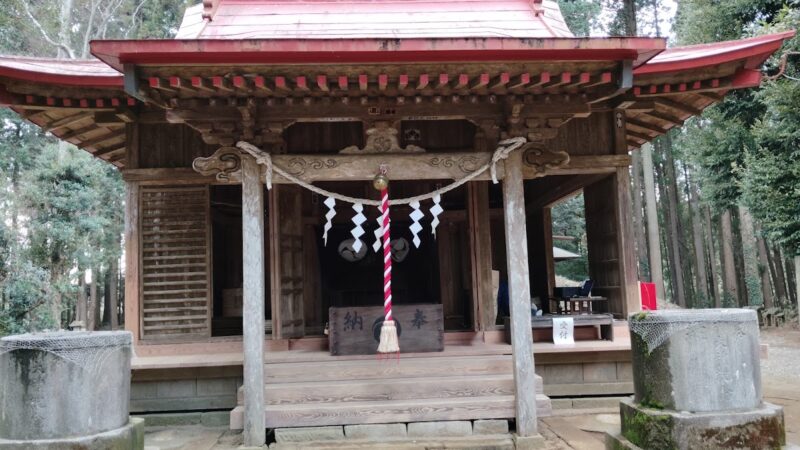
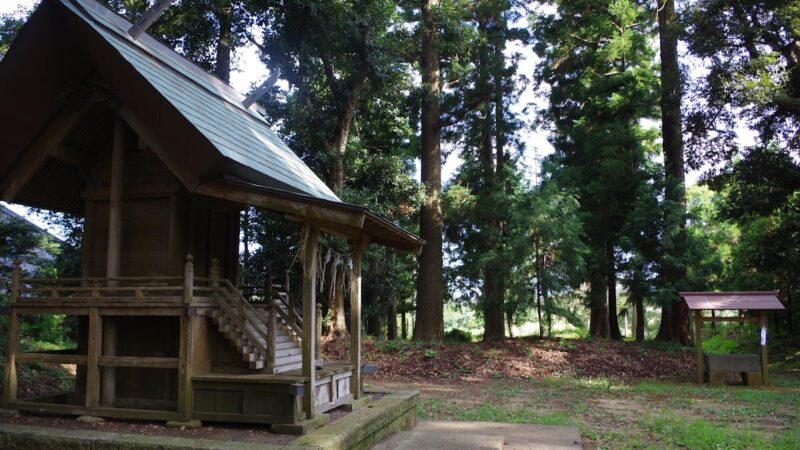
Inabayama Shrine’s buildings consist of the main hall (Gongen-zukuri style with copper plate roofing), the offering hall (Gongen-zukuri style with zinc plate roofing), and the worship hall (Gongen-zukuri style with zinc plate roofing). The Gongen-zukuri style, which connects the main hall and worship hall with the offering hall, is an architectural style that developed after the Edo period, exemplified by Nikko Toshogu Shrine.
The main hall is the most sacred place where the deity resides, and is usually inaccessible to the general public. The offering hall is where Shinto priests perform rituals, and the worship hall is where worshippers pay their respects. The Gongen-zukuri style shrine buildings, with these integrated, create a solemn yet functional space.
Kagura Hall
Within the shrine grounds is a Kagura Hall with a zinc plate roof, where Kagura and Bugaku (traditional dance and music) are performed during festivals. Kagura is a traditional performing art that entertains the gods and prays for a bountiful harvest and regional prosperity. It has been passed down through generations at shrines throughout Japan.
The Kagura hall at Inabayama Shrine also functions as a center of regional cultural activities, attracting many worshippers during festivals. The dedication of traditional Kagura plays an important role in maintaining the region’s cultural identity.
Shrine Office
The shrine office is where the shrine’s administrative affairs are handled, including the issuance of Goshuin (shrine stamps) and the acceptance of prayer requests. Those wishing to receive a Goshuin or request prayers should visit the shrine office.
Natural Environment of the Shrine Grounds
The vast shrine grounds, covering approximately 5,400 tsubo (about 17,500 square meters), retain abundant natural beauty. Seasonal plants welcome visitors, and the scenery is particularly beautiful during the cherry blossom season in spring and the autumn foliage season.
Surrounded by a quiet forest, the shrine grounds offer a peaceful escape from the hustle and bustle of the city, cherished by both locals and visitors from afar.
Goshuin (Shrine Seals) and Offerings
About Goshuin
Inabayama Shrine offers goshuin. Goshuin are calligraphic inscriptions and red seals given at shrines as proof of worship, and collecting them has become a popular hobby in recent years.
When receiving a goshuin, the correct etiquette is to first pray at the main hall before visiting the shrine office. It is important to bring your goshuin book and make your request politely.
The opening hours of the shrine office may vary depending on the day, so it is recommended to inquire in advance if you definitely want to receive a goshuin.
Amulets and Offerings
Inabayama Shrine offers various amulets and talismans. Because it enshrines Konohanasakuya-hime, amulets for safe childbirth, child-rearing, and matchmaking are particularly popular.
There are also amulets for protection against fire, family safety, and traffic safety, allowing you to choose an item that suits your wishes.
Annual Events and Festivals
Grand Festival
The Grand Festival of Inabayama Shrine is the most important festival of the year. Traditional Shinto rituals, such as the procession of the portable shrine and the dedication of Kagura (sacred dance), are performed, and local people gather to offer thanks and prayers to the gods.
The date of the Grand Festival may vary from year to year, so it is recommended that those wishing to participate check in advance.
New Year’s Visit
Many worshippers visit the shrine for their first shrine visit of the new year. It is bustling with people praying for safety throughout the year, the health of their families, and business prosperity. It is especially crowded from New Year’s Day to the third day, so it is recommended to allow ample time for your visit.
Other Annual Events
Various Shinto rituals are performed throughout the year, including the Setsubun Festival, the Summer Purification Ceremony, and the Autumn Grand Festival. These events are based on the traditional Japanese calendar and provide opportunities to offer thanks and prayers to the gods at seasonal turning points.
Etiquette and Manners for Visiting a Shrine
Basic Method of Visiting a Shrine
There are basic manners for visiting a shrine. When visiting Inabayama Shrine, please follow these steps:
- Bow before passing through the torii gate: As a greeting before entering the sacred area, bow before the torii gate.
- Purify yourself at the water basin: Purify your left hand, then your right hand at the water basin, then take water in your left hand and rinse your mouth. Finally, purify the handle of the ladle.
- Walk along the edge of the path: The center of the path is considered the path of the gods, so it is polite to walk along the edge.
- Two bows, two claps, and one bow at the main hall: Place your offering, ring the bell, bow deeply twice, clap twice, offer your prayer, and then bow once.
- Visit the Shrines Within the Precincts: Express your gratitude to the deities enshrined in the subsidiary shrines.
Attire and Mindset When Visiting a Shrine
Shrines are sacred places, so it is best to avoid overly flashy or revealing clothing and wear clean, understated attire.
Furthermore, since visiting a shrine is an act of offering gratitude and prayer to the gods, it is important to approach it quietly and with reverence. Please refrain from speaking loudly or running around within the shrine grounds.
Nearby Tourist Spots and Gourmet Information
Highlights of Mobara City
Mobara City, where Inabayama Shrine is located, also boasts other attractive tourist spots.
Mobara Park: One of the prefecture’s leading cherry blossom viewing spots, with approximately 2,850 cherry trees planted, and selected as one of “Japan’s Top 100 Cherry Blossom Viewing Spots.” A cherry blossom festival is held in spring, attracting many visitors.
Mobara-ji Temple: An ancient Nichiren Buddhist temple, featuring beautiful gardens and historical buildings. A tranquil atmosphere awaits, offering a chance to experience history and culture.
Hattori Farm Hydrangea Garden: A private garden boasting over 10,000 hydrangea plants of approximately 300 varieties, with the best viewing period being from June to July.
Mobara City’s Gourmet Food
When visiting Mobara City, be sure to enjoy the local cuisine.
Mobara Ramen: Mobara City is known as a ramen battleground, with many unique ramen shops. You can enjoy a variety of flavors, from rich pork bone and soy sauce-based broths to light salt-based ramen.
Boso Seafood: Located near the sea, Mobara City offers dishes made with fresh seafood. Enjoy seasonal fish at local restaurants and sushi bars.
Peanut Products: Chiba Prefecture boasts the highest peanut production in Japan, and various peanut products are sold around Mobara City. It’s also a popular souvenir.
Other Asama Shrines and Fuji Worship Shrines in Chiba Prefecture
Besides Inabayama Shrine, there are other shrines in Chiba Prefecture related to Fuji worship.
Inage Asama Shrine (Inage Ward, Chiba City)
Located in Inage Ward, Chiba City, Inage Asama Shrine is an ancient shrine of Asama worship founded during the Heian period. It is revered as the guardian shrine of the entire Inage area, and it is said to have received deep faith from the Chiba clan for generations. The shrine’s crest uses the nine-star crest, the crest of the Chiba clan.
Inage Asama Shrine is located on a hill overlooking the sea and was once known as a place from which Mount Fuji could be worshipped from afar. It remains a popular shrine visited by many worshippers today.
Other Major Shrines in Chiba Prefecture
Katori Shrine (Katori City): The Ichinomiya (first-ranked shrine) of Shimosa Province, and one of the three major shrines of the eastern provinces, enshrining Futsunushi-no-Okami. It is the head shrine of approximately 400 Katori Shrines nationwide.
Awa Shrine (Tateyama City): The Ichinomiya (first-ranked shrine) of Awa Province, an ancient shrine dedicated to Amenotama-no-Mikoto. Popular as a power spot for financial luck and career success.
Chiba Shrine (Chuo Ward, Chiba City): A central shrine of Myoken worship, known as “Chiba Myoken-gu.” Dedicated to the god of stars, it is famous for warding off evil and protecting against negative influences.
Tamasaki Shrine (Ichinomiya Town): The Ichinomiya (first-ranked shrine) of Kazusa Province, an ancient shrine dedicated to Tamayorihime-no-Mikoto. Known for its blessings for matchmaking and fertility.
A “Chiba Prefecture Shrine Pilgrimage” visiting these shrines is also a popular tourist route.
Detailed Access Information to Inabayama Shrine
Access by Public Transportation
By Train:
- Get off at Mobara Station on the JR Sotobo Line
- Approximately 15 minutes by taxi from the station
- Approximately 40 minutes on foot (approx. 3km)
Mobara Station is approximately 1 hour from Tokyo Station by Limited Express Wakashio train, or approximately 1 hour 30 minutes by local train. There is a taxi stand in front of the station, making it convenient for travel to the shrine.
By Bus:
While Kominato Railway buses operate from Mobara Station, routes to the shrine are limited. You may need to walk from the nearest bus stop, so it is recommended to check in advance.
Access by Car
If using expressways:
- Approximately 15 minutes from the Mobara-Chonan IC on the Keiyo Expressway/Tateyama Expressway
- Approximately 20 minutes from the Mobara-Kita IC on the Ken-O Expressway
From Tokyo, the Tateyama Expressway is convenient; from Chiba, the Ken-O Expressway is convenient. When using a car navigation system, please search for “Inabayama Shrine” or the address.
Parking:
There is parking space for visitors on the shrine grounds. While there is usually ample space, it may become full during busy periods such as New Year’s Day or the annual festival, so it is recommended to visit with plenty of time to spare.
Best Time and Season for Visiting
Charms of Each Season
Spring (March-May): The cherry blossoms on the shrine grounds are in bloom, and the fresh greenery is beautiful. The mild climate makes for a pleasant visit.
Summer (June-August): The greenery is lush, and the shade of the trees is cool. Summer festivals and the Summer Purification Ceremony are also held.
Autumn (September-November): The autumn leaves are beautiful, and the annual festival is held during this time. The weather is pleasant, making it ideal for visiting the shrine.
Winter (December-February): The shrine is crowded with many visitors during the New Year’s visit period. For a quiet visit in the crisp air, weekdays are recommended.
Recommended Time of Visit
While the shrine is generally open for worship from sunrise to sunset, there are time restrictions for receiving Goshuin (shrine stamps) and other items at the shrine office. Generally, these services are available from 9:00 AM to around 4:00 PM.
Visiting early in the morning is less crowded, allowing for a peaceful atmosphere to calmly offer prayers. Especially during the summer, early morning visits are recommended due to the cooler weather.
Faith and Blessings of Inabayama Shrine
Blessings of Konohanasakuya-hime
Konohanasakuya-hime, the principal deity, is believed to bestow the following blessings:
Safe Childbirth and Child-Rearing: In mythology, she safely gave birth to three gods in a single night, leading to her worship as the goddess of safe childbirth.
Matchmaking and Family Harmony: Known as a beautiful goddess, she is believed to bring blessings for good relationships and marital harmony.
Protection from Fire: Based on mythology, she gave birth in a burning birthing hut, leading to her worship as a goddess who protects against fire.
Protection from Misfortune and Good Fortune: As the goddess of Mount Fuji, she is believed to ward off various calamities and bring good fortune.
Benefits of the Enshrined Deities
Kumano Shrine: Family safety, recovery from illness, matchmaking, etc.
Inari Shrine: Abundant harvest, business prosperity, etc.
Kotohira Shrine: Maritime safety, traffic safety, business prosperity, etc.
With these diverse benefits, Inabayama Shrine is a comprehensive shrine that can accommodate worshippers with a variety of wishes.
Connection with the Community and Cultural Significance
As the Center of Local Faith
Throughout its long history, Inabayama Shrine has functioned as a spiritual pillar of the Inabayama area of Mobara City. The shrine has always played a central role in important milestones in the lives and seasons of the local people.
As a venue for important rites of passage in life such as first shrine visits, Shichi-Go-San (a traditional rite of passage for children), coming-of-age ceremonies, weddings, and exorcisms, and as a venue for seasonal events such as New Year’s, Setsubun (bean-throwing festival), and summer festivals, the shrine plays a role in strengthening the bonds of the local community.
Preservation of Traditional Culture
The traditions of Kagura (sacred dance) and festivals have been passed down through generations. Children in the community participate in these festivals, fostering an understanding of and affection for traditional culture, and shaping the community’s identity.
The festivals and rituals of Inabayama Shrine are not merely religious events; they possess significant value as a cultural heritage of the region, destined to be passed on to future generations.
Role in Modern Times
In modern society, shrines are finding new value as places to find peace of mind, connect with nature, and experience local history.
Amidst increasing urbanization, historical shrines like Inabayama Shrine are invaluable in preserving Japan’s disappearing traditional culture and natural environment.
Summary: A Recommendation to Visit Inabayama Shrine
Located in Mobara City, Chiba Prefecture, Inabayama Shrine is an ancient shrine potentially with a history of approximately 1900 years. It has been cherished by the local people as an Asama Shrine, stemming from the Fuji worship tradition. Beginning with the legend of Yamato Takeru’s eastern expedition, and continuing through the Meiji Restoration and the consolidation of shrines during the Taisho period, you can feel the weight of history in this shrine that has taken on its current form.
The vast grounds, approximately 5,400 tsubo (about 17,400 square meters), feature a magnificent Gongen-style shrine building, a Kagura hall, and abundant nature, making it an ideal place to escape the hustle and bustle of the city and find peace of mind. The main deity enshrined here is Konohanasakuya-hime, and the shrine is believed to offer various blessings, including safe childbirth, child-rearing, matchmaking, and protection from fire.
When visiting Mobara City, why not add a visit to Inabayama Shrine to your itinerary? You will be able to spend a peaceful time in the grounds, enveloped in history, tradition, nature, and tranquility.
When visiting, it is important to observe basic etiquette and manners, and to approach the shrine with gratitude and respect for the deities. If you wish to receive a Goshuin (shrine stamp), please visit the shrine office after completing your prayers.
Chiba Prefecture has many historically significant shrines, including Katori Shrine, Awa Shrine, and Chiba Shrine. Starting from Inabayama Shrine, we recommend enjoying a tour of shrines throughout Chiba Prefecture. A journey to discover the unique history and charm of each shrine will surely be a memorable experience.
May Inabayama Shrine be a place where you can find peace of mind and happiness.