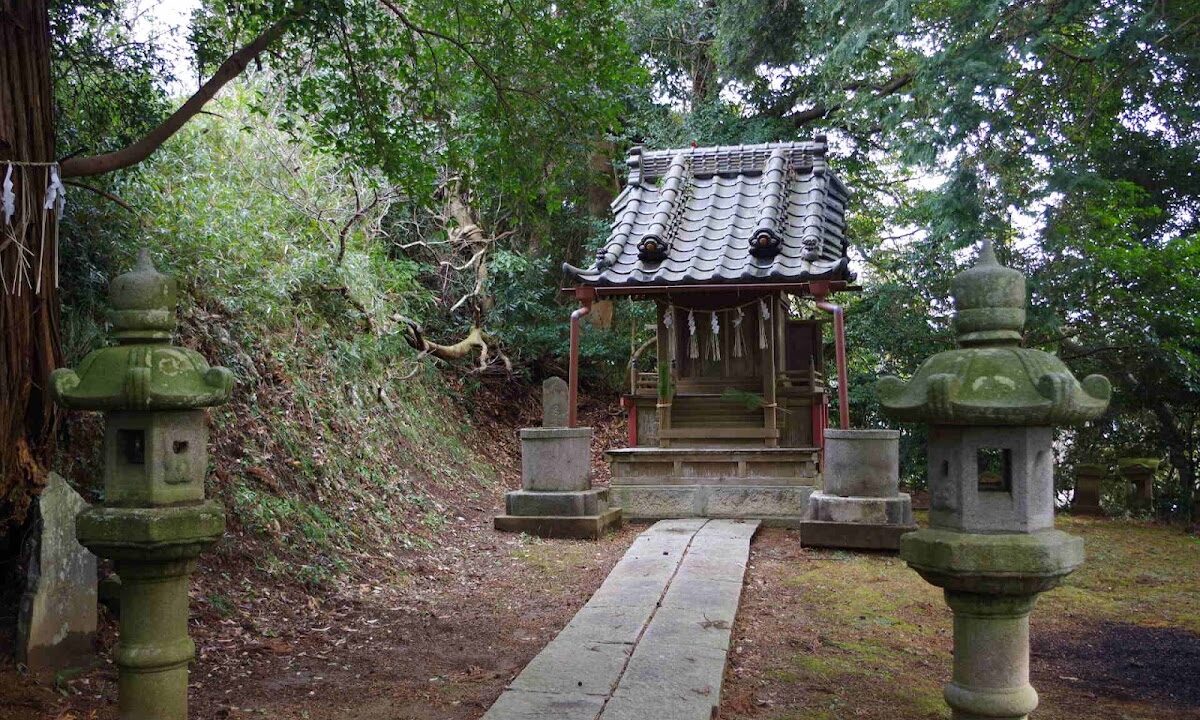
Hoshikatsu Shrine (Chiba Prefecture) Complete Guide | Benefits, Access, and Goshuin Information
Hoshikatsu Shrine, located in Chiba Prefecture, is a historically significant shrine deeply rooted in the community and beloved by many visitors. This article provides detailed information you should know before visiting, including the history of Hoshikatsu Shrine, its benefits, how to worship, access information, and Goshuin (shrine stamps).
What is Hoshikatsu Shrine?
Hoshikatsu Shrine is a shrine located in Chiba Prefecture and has a long history as a center of local faith. The name “Hoshikatsu” symbolizes the power of stars and victory, and it has been revered as a guardian deity by the local people since ancient times.
Hoshikatsu Shrine is located in Chiba Prefecture and has a long history as a center of local faith. ### Characteristics of the Shrine
The following are some of the characteristics of Hoshikatsu Shrine:
- Its role as a local guardian deity closely connected to the community
- A quiet and peaceful shrine grounds
- Careful maintenance by local residents
- Traditional seasonal festivals and events
History of Hoshikatsu Shrine
Founding and History
The founding date of Hoshikatsu Shrine is based on local traditions and records. Like many local shrines, it is believed to have been worshipped as a guardian deity of the region from ancient to medieval times.
The name of the shrine, “Hoshikatsu,” is presumed to be a combination of astronomical worship and a belief in military fortune and victory. In ancient Japan, there has been a belief in the sacredness of stars and celestial bodies, and the North Star and the Big Dipper, in particular, have been considered important as reference points for direction and as indicators for navigation and agriculture.
Historical Changes
Hoshikatsu Shrine has undergone the following changes over time:
Edo Period
It served as a local village shrine, attracting the faith of the villagers. In a lifestyle centered on agriculture, it is believed that the shrine played an important role as a place for praying for a bountiful harvest and warding off evil.
Meiji Era
During the Meiji era, the shrine system reforms led to a reorganization of the shrine’s position. While many shrines were consolidated or abolished during this period, Hoshikatsu Shrine survived as the center of local faith.
Modern Era
Even today, it is carefully preserved by local people as the guardian deity of the region. The shrine’s traditions are passed down through regular festivals and cleaning activities.
Deities and Benefits
Deities
The deities enshrined at Hoshikatsu Shrine are based on the shrine’s history and local traditions. Generally, the name “Hoshikatsu” suggests that the following deities may be enshrined there:
- Amenominakanushi-no-kami: The supreme deity residing at the center of the heavens
- Myoken Bosatsu (Deification of the North Star and Big Dipper): A syncretic deity associated with star worship
- Takemikazuchi-no-kami: God of victory and military fortune
- Local Guardian Deity: A deity protecting the land
Benefits
The benefits believed to be obtainable at Hoshikatsu Shrine include the following:
Victory and Guaranteed Success
As the character “勝” (victory) suggests, it is popular among those wishing for victory in various fields, such as passing exams, winning in sports, and succeeding in business.
Protection from Misfortune and Evil Spirits
Related to star worship, it is believed to have the power to ward off misfortune and evil spirits.
Good Fortune and Prosperity
It is believed to enhance one’s luck and attract good fortune.
Family Safety
As the local guardian deity, it is believed to protect the health and safety of families.
Business Prosperity
Many visitors come to pray for the success and prosperity of their businesses.
Safe Navigation and Traffic Safety
It is believed to protect travelers’ safety through the use of stars for direction confirmation.
Highlights of the Shrine Grounds
Main Hall and Worship Hall
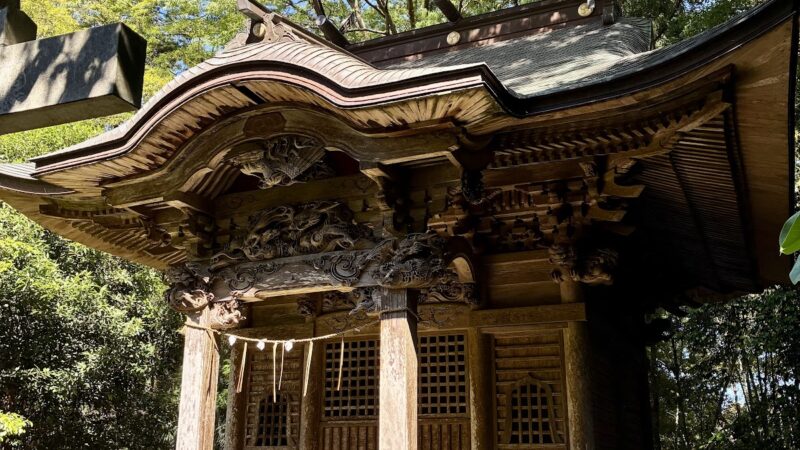
The main hall and worship hall of Hoshikatsu Shrine are built in the traditional style of shrine architecture. Although not large in scale, they are carefully maintained, reflecting the deep faith of the local people.
Torii Gate and Approach
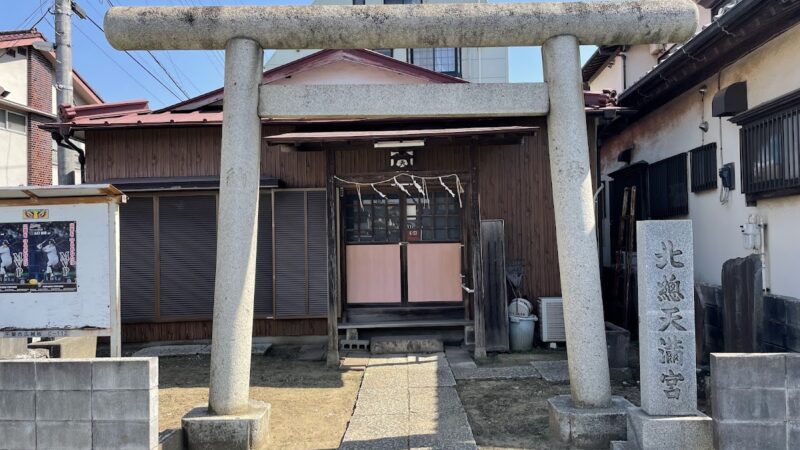
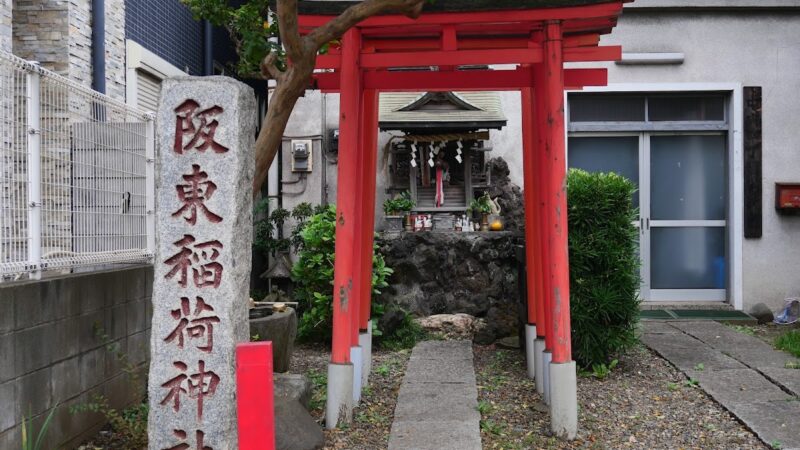
A torii gate stands at the entrance to the shrine, and the approach leads to the main hall. You can worship peacefully in a quiet environment.
Subsidiary Shrines
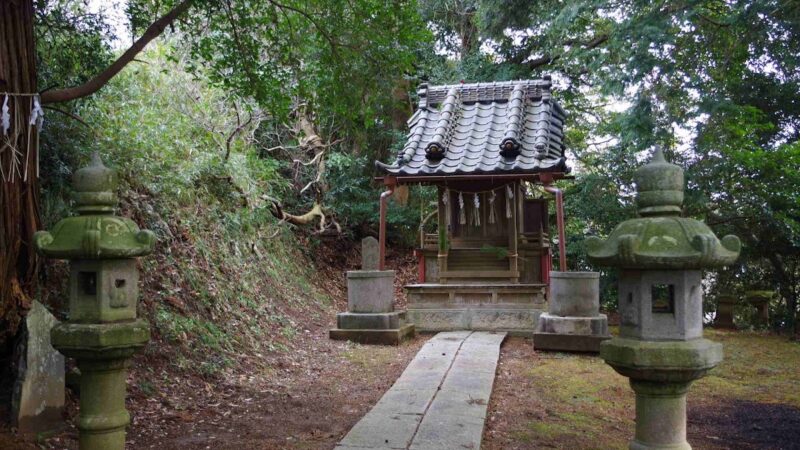
In addition to the main hall, there may be small shrines and subsidiary shrines within the grounds. These reflect the diversity of local beliefs.
Sacred Tree
Within the shrine grounds stands an ancient sacred tree, quietly telling the story of the shrine’s history. The trees, displaying different appearances with each season, are one of the pleasures of visiting the shrine.
How to Worship and Manners
Basic Worship Etiquette
When visiting Hoshikatsu Shrine, please observe the following basic etiquette:
1. Bow Before Passing Through the Torii Gate
Before entering the sacred area, bow before the torii gate. It is considered desirable to walk along the edge of the path.
2. Purifying at the Water Basin
If there is a water basin, purify yourself following these steps:
- Hold the ladle in your right hand and purify your left hand.
- Switch the ladle to your left hand and purify your right hand.
- Switch the ladle back to your right hand, receive water in your left hand, and rinse your mouth.
- Purify your left hand once more.
- Hold the ladle upright, purify the handle, and return it to its original position.
3. Worship at the Main Hall
- Place your offering in the offering box.
- Ring the bell if there is one.
- Worship using the two bows, two claps, and one bow ritual.
- Express your wishes sincerely.
4. Walking Around the Shrine Grounds
After visiting the main shrine, walk around the smaller shrines and sacred trees, offering your gratitude.
5. Bowing When Leaving the Torii Gate
When leaving the sacred area, turn around and bow towards the torii gate.
Points to Note When Visiting the Shrine
- Please pray quietly and refrain from speaking loudly.
- Please take photographs only within permitted areas.
- Please take all your trash with you.
- Please do not touch the plants or buildings on the shrine grounds.
- Please refrain from bringing pets, or observe proper etiquette.
Goshuin (Shrine Seal) Information
Issuance of Goshuin
Regarding the issuance of Goshuin at Hoshikatsu Shrine, it varies depending on the size of the shrine and whether or not there is a resident priest. For a typical small shrine, the following patterns are possible:
If there is a resident priest:
Goshuin can be issued at the shrine office. Please visit the shrine office after praying and request a Goshuin.
If there is no resident priest:
In the case of an unmanned shrine, Goshuin may not be issued. Alternatively, the priest may be responsible for issuing Goshuin at another shrine.
Manners for Receiving a Goshuin (Shrine Stamp)
- Always pray before receiving a Goshuin.
- Prepare a Goshuincho (stamp book) (avoid notebooks or paper).
- Prepare a Hatsuhoryo (offering fee, generally 300-500 yen).
- Request using polite language.
- Wait quietly while the stamp is being written.
- Receive with gratitude.
Annual Events and Festivals
Hoshikatsu Shrine holds various festivals and events throughout the year. As a local shrine, the following events are common:
Main Annual Events
New Year’s Day Festival (January 1st)
A festival to welcome the new year and pray for peace and prosperity throughout the year. It is bustling with worshippers visiting for the first shrine visit of the year.
Setsubun Festival (around February 3rd)
A festival to ward off evil and invite good fortune through events such as bean-throwing.
Spring Grand Festival (Spring)
A festival celebrating the arrival of spring and praying for a bountiful harvest.
Summer Purification Ceremony (June 30th)
A ceremony to purify oneself of the impurities accumulated over the past six months and pray for good health and protection from illness for the remaining half of the year.
Autumn Grand Festival (Autumn)
One of the most important festivals, expressing gratitude for the harvest and praying for the prosperity of the community. Portable shrines and floats may be featured.
Year-End Purification Ceremony (December 31st)
A ceremony to purify oneself of the impurities accumulated over the past year and prepare to welcome the new year with a refreshed heart.
How to Enjoy the Festival
Participating in local festivals allows you to experience the connection between the shrine and the community. There may be stalls and traditional performing arts, providing a great opportunity to experience local culture.
Access Information
Location
Hoshikatsu Shrine is located in Chiba Prefecture. For the specific address, we recommend checking the latest information before visiting. ### Access by Train
You can access the shrine on foot or by bus from the nearest station. The distance from the station and travel time vary depending on the specific location of the shrine.
General Access Patterns:
- Approximately 10-30 minutes on foot from the nearest station
- If using the bus from the station, a few minutes’ walk from the nearest bus stop
Access by Car
Access by car is also possible. Access is via general roads from the nearest interchange.
Parking:
The availability of dedicated parking varies depending on the size of the shrine. Smaller shrines may have limited parking space. During festivals, congestion is expected, so using public transportation is recommended.
Points to Note When Accessing the Shrine
- If visiting for the first time, use a map app or navigation system.
- If the shrine is located in a residential area, be mindful of noise.
- If driving on narrow roads, pay attention to oncoming traffic.
- Do not park anywhere other than the designated visitor parking area.
Nearby Tourist Attractions
When visiting Hoshikatsu Shrine, visiting nearby tourist attractions will make your trip even more fulfilling.
Nearby Shrines and Temples
Chiba Prefecture boasts numerous historical shrines and temples. In addition to visiting Hoshikatsu Shrine, you can also enjoy a “temple and shrine tour” of the surrounding area.
Natural Spots
Chiba Prefecture is blessed with abundant nature, and parks and nature trails are well-maintained. Refreshing yourself in nature after your visit is highly recommended.
Local Attractions
Each region has its own unique tourist attractions. Visiting historical buildings, museums, and roadside stations allows you to gain a deeper understanding of the local culture and history.
Best Time and Season for Visiting
Recommended Season
Spring (March-May)
The fresh greenery is beautiful, and the mild weather makes it ideal for visiting. The shrine grounds take on a vibrant atmosphere during cherry blossom season.
Autumn (September-November)
The autumn foliage is beautiful, and the weather is pleasant. You can experience the lively atmosphere of the region during the autumn festival season.
Hatsumode (January 1st-3rd)
This is a special time to visit shrines and pray with wishes for the new year. It is bustling with many worshippers.
Visiting Hours
While shrines are generally open 24 hours a day, please note the following:
- Consideration for local residents is necessary during early mornings and evenings.
- Visiting during the shrine office’s opening hours (usually 9:00 AM to 5:00 PM) will allow you to receive Goshuin (shrine stamps) and other items.
- On festival days and special events, specific times may be designated.
Tips for Avoiding Crowds
- Weekday mornings are relatively less crowded.
- Visiting during Hatsumode and festival days can be crowded, so allow ample time.
- Avoiding long holidays will allow for a more relaxed visit.
The Charm of Hoshikatsu Shrine
A Faith Rooted in the Community
The greatest charm of Hoshikatsu Shrine is that it is a place of faith deeply rooted in the community. Unlike large tourist shrines, it quietly stands as an object of daily faith for local people, offering a sense of peace and tranquility. ### A Tranquil Environment
One of the attractions is the opportunity to visit the shrine in a peaceful environment, away from the hustle and bustle of the city. You can forget the busyness of everyday life and have time to reflect on yourself.
Interacting with Local Culture
Through festivals and events, you can experience the traditional culture of the region. Through interaction with local people, you can feel the warmth unique to this place.
The Mystery of Star Worship
The mystical element of worship related to stars and celestial bodies, as indicated by the name “Hoshikatsu,” is also appealing. The reverence for the stars that people have gazed upon since ancient times still lives on in the shrine.
Visitor Feedback
Visitors to Hoshikatsu Shrine have shared the following impressions:
- “I was able to worship at my own pace in a quiet and peaceful atmosphere.”
- “I felt that this shrine is cherished by the local people.”
- “Although small, it is carefully maintained, and I felt refreshed.”
- “I was intrigued by its unusual history of star worship.”
- “I visited on a festival day and was able to feel the vitality of the community.”
Summary
Hoshikatsu Shrine, located in Chiba Prefecture, is a fascinating place with a long history and unique faith, deeply rooted in the local community. Its name, related to stars and victory, reflects the wishes and beliefs of people that have continued since ancient times.
Unlike large-scale tourist shrines, Hoshikatsu Shrine’s greatest appeal lies in its quiet and peaceful atmosphere, allowing for heartfelt worship. The shrine warmly welcomes visitors seeking various blessings, such as good fortune, protection from misfortune, and family safety.
When visiting Chiba Prefecture, be sure to visit Hoshikatsu Shrine. You will be able to spend a precious time quietly reflecting on yourself while immersing yourself in the local history and culture. When visiting the shrine, observing proper etiquette and visiting with a grateful heart will surely make for a more fulfilling experience.