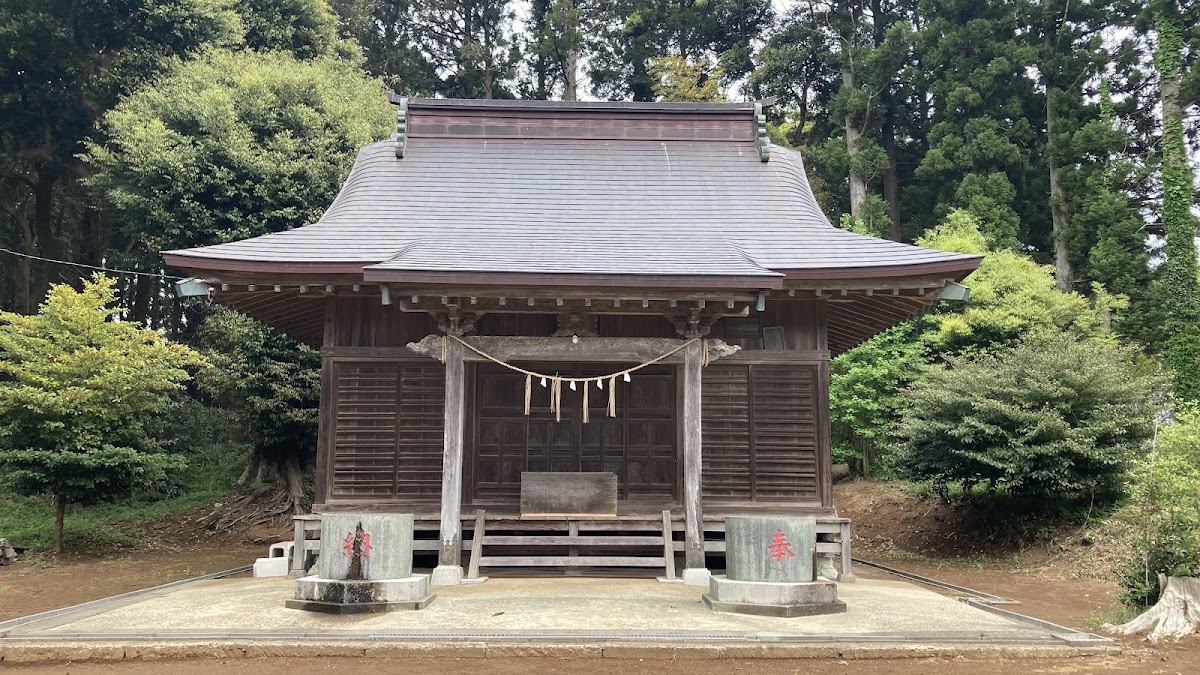
Amakatsu Shrine (Chiba Prefecture) Complete Guide | A Thorough Explanation of Deities, Benefits, Access, and History
Amakatsu Shrine, located in Tateyama City, Chiba Prefecture, is a shrine with a long history as a Shikinaisha (a shrine listed in the Engishiki, an ancient Japanese legal code) of Awa Province. Affectionately known locally as “Amakatsu-sama,” it remains a center of local faith, attracting many worshippers. This article provides a detailed explanation of Amakatsu Shrine, including its enshrined deities, benefits, history, highlights within the grounds, and access methods.
Basic Information on Amakatsu Shrine
Amakatsu Shrine is located in Oga, Tateyama City, Chiba Prefecture, and is one of the Shikinaisha of Awa Province listed in the Engishiki Jinmyocho (a list of shrines compiled in the Heian period). While its official name is “Amakatsu Shrine,” it is affectionately known locally as “Amakatsu-sama.”
Location and Basic Data
- Location: Oga, Tateyama City, Chiba Prefecture
- Former Shrine Rank: Shikinaisha (Shrine listed in the Engishiki), Gosha (Village Shrine)
- Deity Enshrined: Amenofutodama-no-Mikoto
- Annual Festival Date: Mid-October
- Subsidiary Shrines: Several subsidiary shrines and subsidiary shrines exist
Deity Enshrined and Divine Virtues
Amenofutodama-no-Mikoto
The main deity enshrined at Amakatsu Shrine is Amenofutodama-no-Mikoto. Amenofutodama-no-Mikoto is known as one of the gods who worked to open the rock cave when Amaterasu Omikami hid there. He is considered the ancestral deity of the Imbe clan, and Awa Province, in particular, has deep ties to the Imbe clan.
Amenofutodama-no-Mikoto is worshipped as a god who presides over rituals, and also as a god of industry and pioneering. According to tradition, the Imbe clan migrated to Awa Province and introduced techniques for cultivating hemp and grains, leading to the belief that the shrine offers divine blessings related to the development of agriculture and industry.
Divine Blessings
The following blessings are believed to be offered at Amakatsu Shrine:
- Abundant Harvest: Belief in the shrine as a god of agriculture
- Industrial Development: Prosperity in business and ventures
- Family Safety: Peace and health of the family
- Protection from Misfortune and Good Fortune: Warding off disasters and opening up good fortune
- Skill Improvement: Improvement of skills for craftsmen and technicians
History of Amakatsu Shrine
Founding and Ancient Beliefs
The founding date of Amakatsu Shrine is unclear, but it is listed as “Amakatsu Shrine, Awa District, Awa Province” in the Engishiki Jinmyocho (completed in 927), confirming its existence at least by the mid-Heian period.
Awa Province was one of the strongholds of the Imbe clan in ancient times. According to the *Kogo Shūi* (Collection of Ancient Words), Amenotomi-no-Mikoto is said to be the grandson of Amenotama-no-Mikoto, and is believed to have moved from Awa Province to Awa Province, where he spread the cultivation of hemp and grains. Amakatsu Shrine is thought to be deeply connected to this migration of the Imbe clan.
Medieval to Early Modern Period
During the medieval period, it is believed to have been revered by samurai families such as the Satomi clan, who ruled Awa Province. From the Sengoku period to the Edo period, it was a local shrine, attracting the faith of local people.
During the Edo period, its status as a Shikinaisha (a shrine listed in the Engishiki, an ancient Japanese legal text) of Awa Province was recognized. It played an important role as the center of local festivals and as a place of worship for people engaged in agriculture.
Modern Period and Beyond
With the establishment of the shrine system during the Meiji era, Amakatsu Shrine was ranked as a Gosha (village shrine). Even after World War II, its historical value as a local tutelary shrine and a Shikinaisha was recognized, and faith continues to this day.
Highlights of the Shrine Grounds
Main Hall and Worship Hall
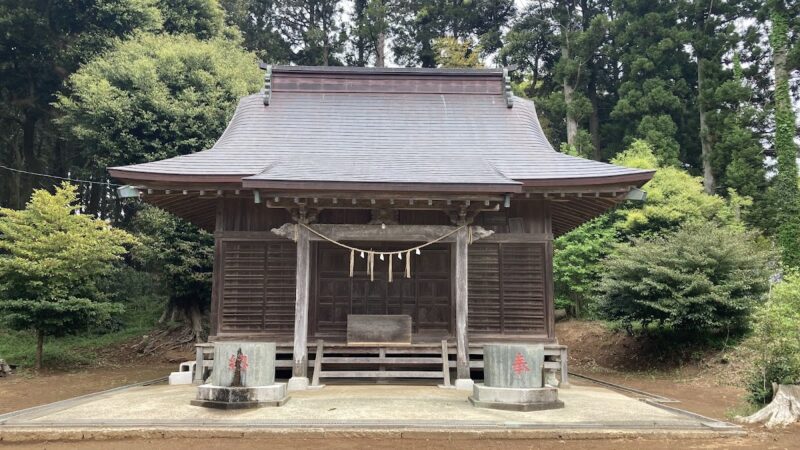
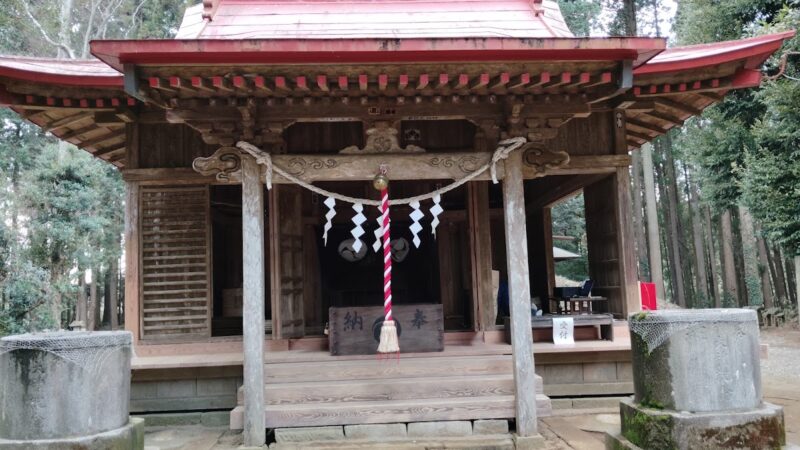
The shrine buildings of Amakatsu Shrine maintain the traditional style of shrine architecture. The main hall is protected by a protective structure, and worshippers can pray from the worship hall. A sacred forest surrounds the shrine, creating a tranquil atmosphere.
Subsidiary Shrines and Minor Shrines
Several subsidiary shrines and minor shrines are enshrined around the main hall. These smaller shrines also attract local deities and enshrine various gods.
Sacred Forest
The forest surrounding the shrine grounds retains its ancient natural state, creating a sacred atmosphere befitting a divine area. The trees along the approach to the shrine, in particular, exude a sense of history.
Stone Monuments and Memorials
Throughout the shrine grounds are numerous stone monuments and memorials commemorating past donations, offering insights into the shrine’s history and its connection to the local community.
Annual Events and Festivals
Grand Festival
The most important festival at Amakatsu Shrine is the Grand Festival, held in mid-October. This festival features a portable shrine procession and the dedication of sacred dances, attracting many people from the community. It is an important event to give thanks for a bountiful harvest and to pray for a good harvest in the coming year.
Monthly Festivals
Monthly festivals are also held, ensuring the continuation of the shrine’s daily rituals.
New Year’s Visit and Events
At the start of the New Year, worshippers visit the shrine for their first shrine visit of the year, praying for safety and well-being in the coming year. New Year’s rituals, such as the New Year’s Day Festival, are also held.
Etiquette and Manners for Visiting a Shrine
Basic Etiquette for Visiting a Shrine
- Bow before passing through the torii gate: Bow before entering the sacred area.
- Walk along the edge of the path: The center of the path is considered the path of the gods.
- Purify yourself at the water basin: Purify your left hand, then your right hand, then your mouth.
- Etiquette in front of the main hall: Two bows, two claps, and one bow are the basic rituals.
- Bow upon leaving: After leaving the torii gate, turn around and bow.
Attire for Visiting a Shrine
There are no specific dress code requirements, but it is desirable to wear clean and modest clothing, keeping in mind that it is a sacred place.
Access Methods
Access by Train and Bus
When using public transportation to Amakatsu Shrine, the following routes are possible:
- Nearest Station: JR Uchibo Line “Tateyama Station”
- Access from Station: Take a bus or taxi from Tateyama Station
- Travel Time: Approximately 15-20 minutes from Tateyama Station
While there are local buses from Tateyama Station, the number of services may be limited, so it is recommended to check the timetable in advance.
Access by Car
When traveling by car:
- Futtsu-Tateyama Expressway: Approximately 15 minutes from Tomiura IC
- National Route 127: From Tateyama city center towards Oga
- Parking: Parking spaces for visitors are available on or around the shrine grounds (limited number of spaces)
When using a car navigation system, please search for “Amakatsu Shrine” or the address “Oga, Tateyama City, Chiba Prefecture”.
Important Notes Regarding Access
- The surrounding area consists mainly of residential areas and farmland. Please be considerate of noise levels, etc.
- Some roads are narrow, so please drive carefully.
- Roads may be congested during festivals.
Nearby Tourist Attractions
Shrines and Temples in Tateyama City
After visiting Amakatsu Shrine, why not explore other shrines and temples in Tateyama City?
- Awa Shrine: A prestigious shrine known as the Ichinomiya (first-ranked shrine) of Awa Province.
- Suzaki Shrine: A shrine situated in a scenic spot facing the sea.
- Nagoji Temple: A pilgrimage site of the Bando Thirty-Three Kannon Pilgrimage.
Tourist Attractions in Tateyama
- Tateyama Castle: Open to the public as a branch of the Tateyama City Museum.
- Tateyama Bay: A beautiful coastline also known as “Kagami-ga-ura” (Mirror Bay).
- Shiroyama Park: A park known for its cherry blossoms.
- Tateyama City Museum: A facility where you can learn about the history and culture of the Awa region.
Gourmet Food and Souvenirs
Tateyama City is a region rich in seafood. There are numerous restaurants where you can enjoy dishes made with fresh seafood. Furthermore, there are plenty of facilities where you can purchase Boso Peninsula specialties as souvenirs.
Value as a Shikinaisha Shrine
Engishiki Jinmyocho and Shikinaisha Shrines
The Engishiki Jinmyocho is a list of shrines compiled in the mid-Heian period, listing historically significant shrines recognized by the imperial court at the time. Approximately 2,800 shrines are listed nationwide, and these shrines are called “Shikinaisha.”
Amakatsu Shrine is listed as one of the Shikinaisha shrines in Awa Province, proving its long history and prestige dating back to the Heian period.
Shikinaisha Shrines in Awa Province
Awa Province (present-day southern Chiba Prefecture) has several Shikinaisha shrines listed in the Engishiki Jinmyocho. Amakatsu Shrine is one of them, a valuable shrine that conveys the ancient beliefs of Awa Province to the present day.
The Imbe Clan and Amakatsu Shrine
About the Imbe Clan
The Imbe clan was one of the clans responsible for religious ceremonies in ancient Japan. Along with the Nakatomi clan (later the Fujiwara clan), they oversaw court rituals, particularly the production of sacred objects and the procurement of ceremonial supplies.
The Migration Legend of the Awa Imbe Clan
According to the *Kogo Shūi*, Amenotomi-no-Mikoto, as the grandson of Amenotama-no-Mikoto, migrated from Awa Province (present-day Tokushima Prefecture) to Awa Province and introduced techniques for cultivating hemp and grains. This legend indicates that the Imbe clan made a significant contribution to the development of Awa Province.
The “Ama” in Amakatsu Shrine is thought to mean hemp, suggesting a deep connection to hemp cultivation by the Imbe clan. The shrine’s name itself reflects the importance of hemp cultivation in this region.
Relationship with Awa Shrine
Awa Shrine, the Ichinomiya (first-ranked shrine) of Awa Province, also enshrines Amenotama-no-Mikoto as its main deity and has a deep connection to the Imbe clan. Amakatsu Shrine and Awa Shrine, both shrines based on the faith of the Imbe clan, occupy an important position in the ancient history of Awa Province.
Visitor Voices and Reputation
Visitors to Amakatsu Shrine have shared the following impressions:
- A quiet and peaceful atmosphere for worship
- A sense of historical weight as a Shikinaisha (shrine listed in the Engishiki)
- It’s clear that the shrine is cherished by the local people
- The natural beauty of the sacred forest is pleasant
- The sense of community during festivals is impressive
Modern Significance of Amakatsu Shrine
Center of the Local Community
Even today, Amakatsu Shrine remains a central presence in the local community. Through festivals and events, local residents gather, creating a place for intergenerational exchange.
Inheritance of Historical and Cultural Heritage
As a Shikinaisha, Amakatsu Shrine is a valuable entity that conveys ancient faith and culture to the present day. Maintaining the shrine and continuing its rituals plays a crucial role in passing on the region’s history and culture to future generations.
Inheritance of Historical and Cultural Heritage ### Value as a Tourist Resource
For tourists visiting Tateyama City, Amakatsu Shrine is one of the important spots for learning about the history of Awa Province. The number of visitors enjoying pilgrimages to Shikinaisha (shrines listed in the Engishiki) and other shrine visits is increasing, raising its value as a tourist resource.
Best Season for Visiting
Spring (March-May)
Spring is ideal for visiting, with its beautiful fresh greenery and pleasant weather. During cherry blossom season, you can also enjoy the surrounding Shiroyama Park.
Summer (June-August)
Summer is a season of lush greenery, and the shade of the shrine’s forest is pleasant. However, precautions against the heat are necessary.
Autumn (September-November)
Mid-October, when the annual festival is held, is the busiest time at the shrine. This is recommended for those who want to experience the atmosphere of the festival. It is also the season of autumn leaves, allowing you to enjoy the beauty of nature.
Winter (December to February)
Many worshippers visit during the New Year’s pilgrimage season. For those who wish to worship in peace, mid-January onwards is recommended.
Photography Guidelines
Photography Etiquette
Photography is generally permitted at shrines, but please observe the following etiquette:
- Avoid photographing in restricted areas such as inside the main hall.
- Refrain from or minimize photography during rituals.
- Be considerate of other worshippers.
- Use flash at your discretion depending on the situation.
- Obtain prior permission for commercial photography.
Recommended Photography Spots
- The view of the torii gate and approach to the shrine.
- The front of the worship hall.
- Ancient trees within the shrine grounds.
- Seasonal flowers and autumn leaves.
Summary
Amakatsu Shrine is a historical shrine located in Tateyama City, Chiba Prefecture. It enshrines Amenotama-no-Mikoto and, deeply connected to the migration of the Imbe clan to Awa Province, it continues to preserve ancient beliefs.
This shrine is believed to bring blessings of abundant harvests, industrial development, and family safety, and is affectionately known as “Amakatsu-sama” by the local people. Surrounded by a tranquil sacred forest, the shrine grounds offer an ideal environment for peaceful worship.
When visiting Tateyama City, be sure to stop by Amakatsu Shrine. You’ll experience both its historical value as a Shikinaisha (a shrine listed in the Engishiki, an ancient Japanese legal code) and its warm, community-oriented atmosphere. It’s a precious place to spend quiet time reflecting on the ancient history of Awa Province.