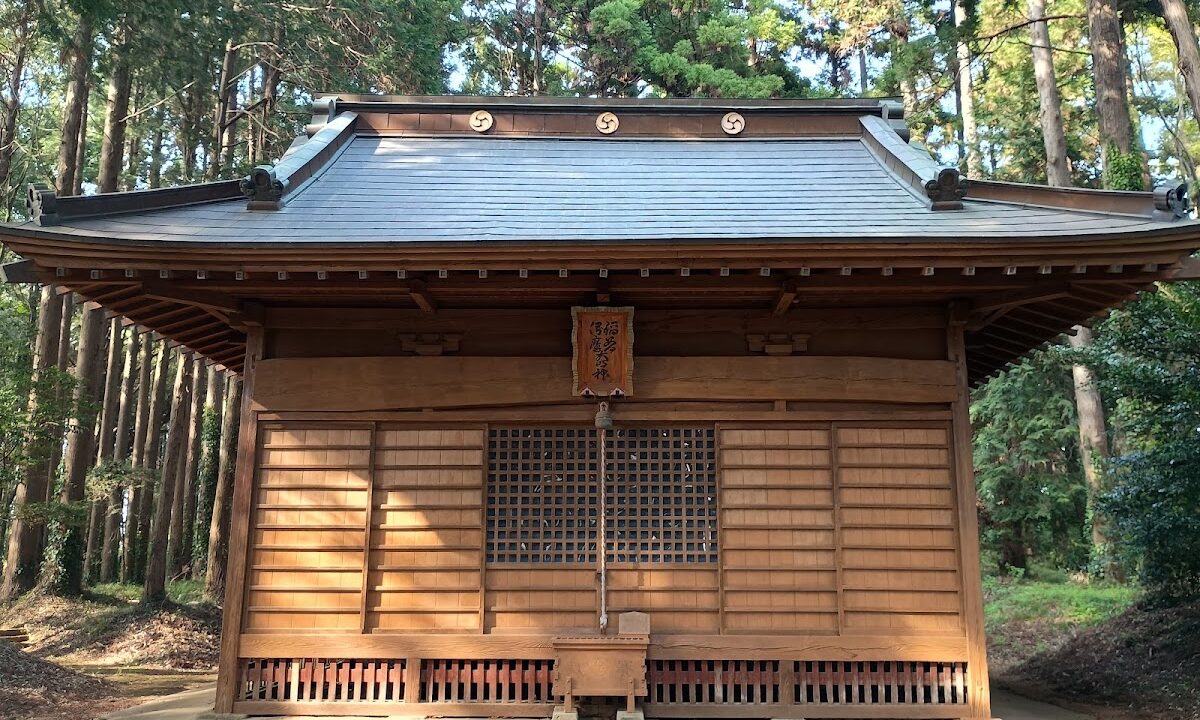
Sobataka Inari Gojinja Shrine (Chiba Prefecture) Complete Guide: A Thorough Explanation of History, Benefits, Access, and How to Worship
Sobatakai Inari Gojinja Shrine, located in Chiba Prefecture, is an Inari shrine that has long been cherished by the local people. This article comprehensively covers everything you need to know before visiting, from the shrine’s historical background and benefits to how to worship and access information.
What is Sobataka Inari Gojinja Shrine?
Sobatakai Inari Gojinja Shrine is an Inari shrine located in Chiba Prefecture, and has attracted the faith of local residents who pray for business prosperity and abundant harvests. The name “Gojinja” (合神社) indicates that multiple deities are enshrined together, and while Inari is the central deity, it also plays a role as a guardian deity of the region.
Characteristics of Inari Shrines
There are said to be approximately 30,000 Inari shrines nationwide, making it the most common type of shrine in Japan. Sobataka Inari Shrine is one such example, possessing the following characteristics:
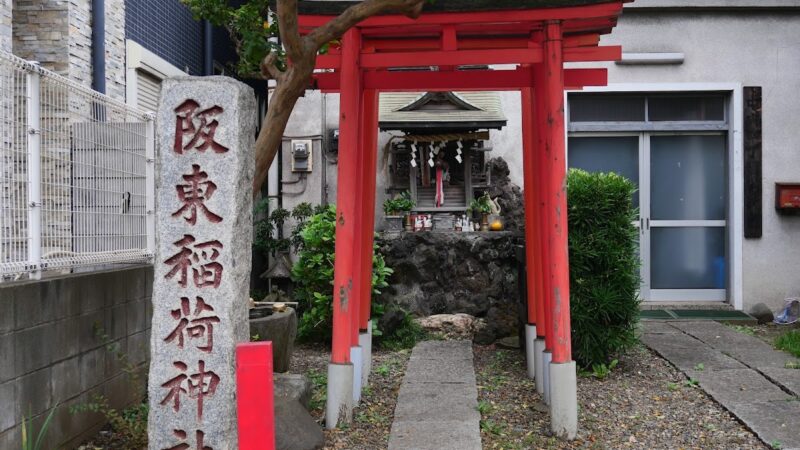
- Vermilion Torii Gate: A vermilion torii gate, a symbol of Inari shrines, stands along the approach to the shrine.
- Fox Statues: Statues of foxes, considered messengers of the Inari god, are placed within the shrine grounds.
- God of Business Prosperity: Many worshippers visit to pray for success in business and ventures.
- Community-Oriented: It plays a central role in local festivals and events.
History of Sobataka Inari Shrine
Origin of Founding
The exact founding date of Sobataka Inari Shrine is known through local historical documents and oral traditions, but it is believed to have been rooted in the community since before the Edo period. Chiba Prefecture has long been a region with thriving agriculture, and Inari worship, which prays for abundant harvests, naturally spread there.
Relationship with the Place Name “Sabadaka”
The place name “Sabadaka” is thought to originate from the topography and historical background. Chiba Prefecture has many unique place names, each imbued with the history and culture of the region. Sobataka Inari-gojinja Shrine, too, has walked hand in hand with the history of this region, deeply intertwined with the lives of the local people.
History of Combined Deities
As the name “Gojinja” (合神社) suggests, this shrine enshrines multiple deities. It is possible that the Meiji-era policy of shrine consolidation led to the integration of several small shrines and temples in the surrounding area. As a result, not only Inari, but also various other local beliefs were consolidated into a single shrine.
Deities and Benefits
Main Deity: Ukanomitama-no-kami
The main deity of Sobataka Inari-gojinja Shrine is Ukanomitama-no-kami, a representative deity of Inari shrines. This deity is known for the following blessings:
Business Prosperity
- Success and development of businesses
- Prosperity of stores and companies
- Smooth transactions
Abundant Harvest
- Abundant crops
- Blessings of food in general
- Stability of life
Industrial Development
- Prosperity of all industries
- Technological advancement
- Economic success
Other Deities Enshrined Together
As a combined shrine, the following deities may also be enshrined:
- Sarutahiko-no-kami: God of opening roads, traffic safety
- Oyamatsumi-no-kami: God of mountains, family safety
- Amaterasu-Omikami: Sun goddess, national peace and security
Modern Interpretation of Blessings
In modern times, worshippers visit with the following wishes:
- Entrepreneurial Success: Starting a new business
- Job Hunting/Career Change: Improved career luck
- Passing Qualification Exams: Academic success
- Family Safety: Health and peace for the family
- Good Fortune: Overall improvement of luck
Highlights of the Shrine Grounds
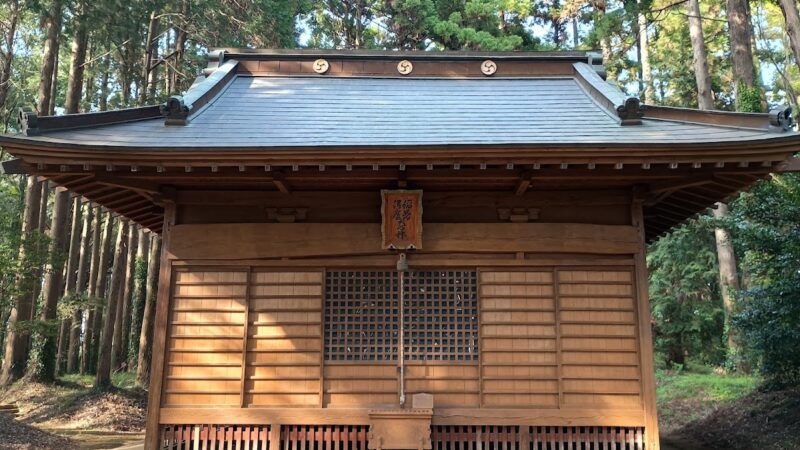
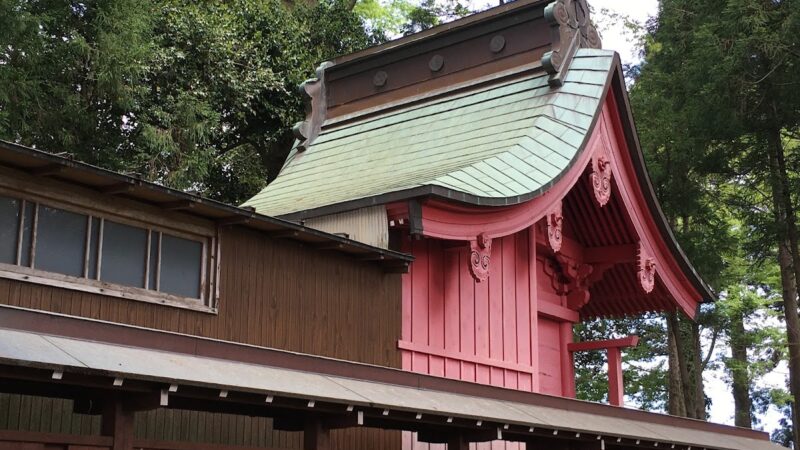
Main Hall
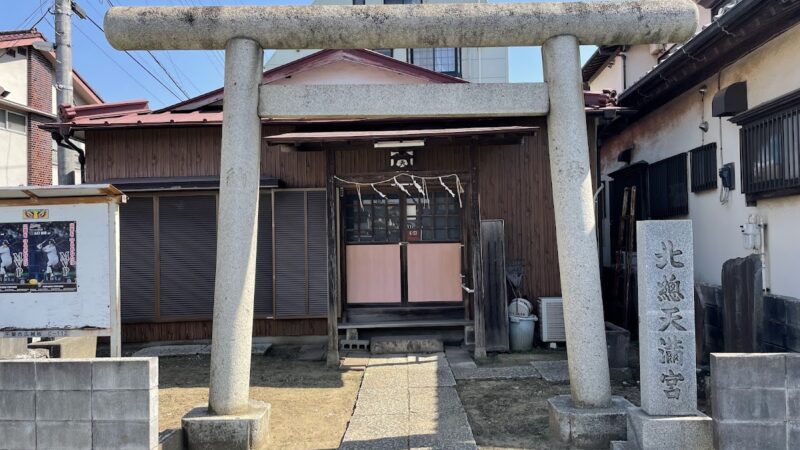
The main hall of Sobataka Inari Shrine follows the traditional style of shrine architecture. Although not large in scale, it is carefully maintained as the center of local faith.
Torii Gate and Approach
The vermilion torii gate, characteristic of Inari shrines, welcomes visitors. Walking along the approach, one’s mind shifts from everyday life to a sacred space.
Fox Statues
Statues of foxes, messengers of the Inari god, are placed throughout the shrine grounds. Typically, the fox on the right holds a jewel (sacred jewel), and the fox on the left holds a key; these symbolize the divine virtues of the Inari god.
Water Basin
There is a water basin for purifying oneself before worship. Please purify your hands and mouth according to the correct etiquette before worshipping.
Shrine Office/Gift Shop
This is where you can obtain amulets and Goshuin (shrine stamps). Depending on the size of the shrine, staff may not always be present, so it is recommended to check in advance.
Etiquette and Manners for Visiting a Shrine
Basic Worship Procedure
Worship at Sobataka Inari Shrine follows the general etiquette for visiting a shrine:
1. Bowing at the Torii Gate
- Bow before passing through the torii gate.
- Walk along the edge of the path, as the center is the path for the gods.
2. Hand-Washing Etiquette
- Hold the ladle in your right hand and wash your left hand.
- Switch the ladle to your left hand and wash your right hand.
- Switch the ladle back to your right hand, receive water in your left hand, and rinse your mouth.
- Finally, stand the ladle upright and wash the handle.
3. Worship at the Main Hall
- Gently place your offering in the offering box.
- Ring the bell if there is one.
- Worship using the two bows, two claps, and one bow method.
- Bow deeply twice.
- Clap your hands twice.
- Pray with all your heart.
- Finally, bow deeply once.
4. Bowing Upon Exit
- Turn around and bow before leaving the torii gate.
Points to Note When Visiting an Inari Shrine
At an Inari shrine, it is good to pay attention to the following points:
- Respect for Fox Statues: Foxes are messengers of the gods, so treat them respectfully.
- Offering of Fried Tofu: It is customary to offer fried tofu at Inari shrines (this varies depending on the shrine).
- Praying for Business Prosperity: Mentally convey your specific business details and goals.
Attire When Visiting
No special attire is required, but please consider the following points:
- Wear clean clothing.
- Avoid revealing clothing.
- Remove hats and sunglasses within the shrine grounds.
- Formal attire is preferable for formal visits.
Amulets and Goshuin (Shrine Seals)
Types of Amulets
At Sobako Inari Shrine, the following amulets may be available:
Business Prosperity Amulet
- Good Fortune and Prosperity Charm
- Often displayed in shops and offices.
Good Luck and Prosperity Charm
- A charm for general good fortune.
- Carried in a wallet or bag.
Traffic Safety Charm
- A charm for safe driving or cycling.
- Often hung in a car or attached to a bag.
Academic Success Charm
- A charm for passing exams or improving academic performance.
- Popular among students and business people.
About Goshuin (Shrine Seals)
Goshuin are calligraphic inscriptions and red seals given as proof of visiting a shrine. Goshuin may also be available at Sobako Inari Shrine.
Points to Note When Receiving a Goshuin (Shrine Stamp):
- It is generally best to receive it after your visit.
- Prepare your Goshuincho (stamp book).
- Prepare the offering fee (usually 300-500 yen).
- Check the shrine office’s opening hours in advance.
- Be mindful of polite language and demeanor.
How to Handle Amulets
Amulets are considered to possess the power of the gods, and should be handled as follows:
- Carry them carefully or display them.
- Do not let others touch them.
- Replace them with new ones approximately every year.
- Return old amulets to the shrine (by burning).
Access Information
Location
Sawataka Inari Shrine is located in Chiba Prefecture, but for the specific address, it is recommended to check the latest information before visiting. Detailed information can be obtained from the local tourism association or the official website of the city or town.
Access by Public Transportation
The following are common ways to access shrines in Chiba Prefecture:
Using Trains and Buses:
- Take the train to the nearest station.
- From the station, take a bus or walk to the shrine.
- Consider using a taxi.
Access Points:
- Check the route map and timetable in advance.
- Be aware that bus services may be infrequent.
- Confirm your return transportation options.
Access by Car
Advantages of Visiting by Car:
- Higher flexibility in time.
- Easy access to surrounding tourist attractions.
- Easier to carry luggage.
Points to Note:
- Utilize car navigation or smartphone map apps.
- Check the availability and number of parking spaces in advance.
- Drive carefully as some roads may be narrow.
- May be crowded on festival days.
Parking Information
The availability and number of parking spaces vary depending on the size of the shrine:
- Parking spaces may be available on the shrine grounds.
- Use nearby public parking lots.
- Temporary parking may be provided during festivals.
- Avoid street parking at all costs.
Notes for Visitors
Time of Day:
- While visiting is generally free, please check the opening hours of the shrine office.
- The shrine grounds may be dark in the early morning or after sunset.
- Allow ample time as it gets crowded on festival days.
Seasonal Precautions:
- Bring insect repellent and a hat in summer.
- Dress warmly in winter.
- Be careful as the ground can be slippery in rainy weather.
Annual Events and Festivals
Main Annual Events
At Sobako Inari Shrine, various Shinto rituals and festivals are held throughout the year:
Hatsuumasai (February)
- The most important festival of the Inari Shrine.
- Prayers for business prosperity on the first day of the horse.
- Bustling with many worshippers.
Spring Grand Festival (Spring)
- A festival praying for a spring harvest.
- Prayers for the safety and prosperity of the region
Summer Purification Ceremony (June 30th)
- A Shinto ritual to purify oneself of the impurities accumulated over the past six months
- Sometimes a ritual of passing through a ring of reeds is performed
Autumn Grand Festival (Autumn)
- A festival to give thanks for the harvest
- Sometimes a portable shrine procession and offering ceremonies are held
Niiname-sai Festival (November 23rd)
- A festival to give thanks for a bountiful harvest
- Offering of new grains to the gods
Great Purification Ceremony (December 31st)
- A Shinto ritual to purify oneself of the impurities accumulated over the year
- Preparation for welcoming the new year with a pure heart
First Shrine Visit of the New Year
The first shrine visit of the new year is a time when many worshippers visit Sobataka Inari Shrine:
Period of First Shrine Visit of the New Year:
- The busiest time is from January 1st to the 3rd
- It is common to visit during the Matsunouchi period (until January 7th)
- Visits in January are considered Hatsumode (first shrine visit of the year).
Prayers for Hatsumode:
- Business prosperity in the new year
- Family safety
- Good health
- Good fortune and prosperity
Tips for dealing with crowds during Hatsumode:
- It is especially crowded on the morning of New Year’s Day
- It is relatively less crowded in the early morning and evening
- It is often less crowded on the 2nd and 3rd than on New Year’s Day
- Dress warmly
Nearby Tourist Attractions
When visiting Sobako Inari Shrine, consider visiting nearby tourist attractions:
Attractions of Chiba Prefecture
Chiba Prefecture has diverse tourist resources:
Historical and Cultural Facilities:
- Other shrines and temples
- History museums
- Traditional craft experience facilities
Nature and Leisure:
- Boso Nature Parks
- Coastal driving routes
- Agricultural experience facilities
Gourmet:
- Fresh seafood from Chiba
- Dishes using local agricultural products
- Traditional regional cuisine
Nearby Shrines and Temples
Chiba Prefecture boasts numerous shrines and temples, offering ample opportunities for shrine pilgrimages:
- Katori Shrine (Ichinomiya of Shimosa Province)
- Awa Shrine (Ichinomiya of Awa Province)
- Tamasaki Shrine (Ichinomiya of Kazusa Province)
- Naritasan Shinshoji Temple
Visiting these famous shrines and temples together will enrich your religious journey.
The Charm of Sobataka Inari Shrine
A Faith Rooted in the Community
The greatest charm of Sobataka Inari Shrine lies in its deep roots in the local community. Unlike large-scale tourist shrines, it exudes a simple and warm atmosphere, closely intertwined with the lives of local people.
A Quiet Worship Environment
Compared to famous shrines in urban areas, its tranquil environment allows for peaceful worship. It provides time to quiet the mind and connect with the deities.
Experiencing Local History
The shrine’s appearance and the atmosphere of its grounds allow you to feel the history and culture of the region. Understanding how local people have cherished shrines allows us to understand traditional forms of Japanese faith.
Manners and Etiquette When Visiting a Shrine
Basic Manners
When visiting a shrine, please observe the following manners:
Behavior within the Shrine Grounds:
- Do not speak loudly
- Do not run around
- Put your mobile phone on silent mode
- Take photos only in permitted areas
- Take your trash with you
Respect for Sacred Places:
- Do not enter the main hall or worship hall without permission
- Do not interfere with the work of the Shinto priests
- Do not damage the plants or buildings on the shrine grounds
- Be considerate of other visitors
Manners for Photography
Places Where Photography is Permitted:
- Generally, the scenery within the shrine grounds is permitted to be photographed
- The exterior of the torii gate and main hall is usually acceptable
- If unsure, ask a Shinto priest
Places Where Photography is Prohibited:
- Inside the main hall
- During Shinto rituals
- Places with “No Photography” signs
Precautions When Taking Photos:
- Do not use flash
- Be considerate so as not to include other visitors in your photos
- Please be careful when posting on social media.
Planning a visit to Sobataka Inari Shrine
Preparations before your visit
For a fulfilling visit experience, please prepare the following:
Information gathering:
- Check basic information about the shrine
- Research access methods and travel time
- Check festival dates and events
- Gather information on nearby tourist attractions
What to bring:
- Goshuincho (stamp book) (if you wish to receive a Goshuin stamp)
- Hatsuhoryo (offering fee) (prepare small change)
- Camera (if you wish to take photos)
- Comfortable walking shoes
- Appropriate clothing and equipment for the season
Estimated time required for the visit
Estimated time required for a visit to Sobataka Inari Shrine:
- Simple worship only: 15-30 minutes
- Thoroughly exploring the grounds: 30-60 minutes
- Including receiving Goshuin stamps and amulets: 60-90 minutes
- Including exploring the surrounding area: 2-3 hours
Recommended Time to Visit
Spring (March-May):
- Mild weather, ideal for visiting
- Beautiful fresh greenery
- Spring Grand Festival is held
Summer (June-August):
- Shinto rituals such as the Summer Purification Ceremony are held
- Heat precautions are necessary
- Early morning or evening visits are recommended
Autumn (September-November):
- Beautiful autumn foliage
- Autumn Grand Festival is held
- Pleasant weather
Winter (December-February):
- Bustling with New Year’s visitors
- The Hatsuumasai Festival (February) is an important festival for Inari shrines
- Warm clothing is necessary
Deepening Your Understanding of Inari Faith
What is Inari-sama?
Inari-sama is one of the most widely worshipped deities in Japan. Understanding its origins and the spread of its worship will make your visit to Sobatake Inari Shrine even more meaningful.
Origin of Inari God:
- The name is said to originate from “Inari” (rice harvest).
- Originally a god of agriculture.
- Over time, it came to be worshipped as a god of commerce.
- In modern times, it is the guardian deity of all industries.
Characteristics of Inari Worship:
- Strong emphasis on worldly benefits.
- Believed to grant specific wishes.
- Deeply revered by merchants and business owners.
- Down-to-earth and approachable.
Relationship between Foxes and Inari God
Inari shrines almost always have statues of foxes. This fox is not a god, but a messenger of the gods:
Reasons why foxes are considered messengers:
- A beneficial animal that preys on mice during the rice harvest season
- Revered as a protector of agriculture
- Revered as a mystical animal
Meaning of the fox statues:
- Right fox: Holding a wish-granting jewel (Nyoi Hoju) in its mouth → Power to grant wishes
- Left fox: Holding a key in its mouth → Key to the rice storehouse, symbol of wealth
Inari Faith in Modern Times
Inari faith remains popular in modern times and is passed down in the following forms:
Inari Faith and Businesses:
- Many companies enshrine Inari shrines within their offices
- Faith of business owners praying for business prosperity
- Custom of employees visiting shrines during events such as the Hatsuumasai festival
Individual Faith:
- Praying for success when starting a business
- Visiting shrines before important business negotiations
- Praying for business prosperity at the beginning of the year
- Daily visits to express gratitude
Finding Peace of Mind at Sobataka Inari Shrine
Spiritual Effects of Shrine Visits
Shrine visits offer more than just wish-making; they have a calming effect on the mind:
Refreshing Effect:
- A sacred space away from daily life
- Calming the mind in nature
- Relaxation of mind and body with deep breaths
Opportunity for Introspection:
- Time to reflect on oneself
- Reaffirming life goals
- Recalling feelings of gratitude
Connection with Community:
- Interacting with local people
- Experiencing the continuation of traditional culture
- Feeling connected to society
Incorporating Shrine Visits into Your Life
By making regular shrine visits a habit, you can expect the following effects:
Mental Stability:
- Regular mental reset
- Stress reduction
- Maintaining a positive attitude
Awareness of Goal Achievement:
- Regularly reviewing goals
- Reporting progress to the gods
- Never forgetting gratitude
Experiencing the Changing Seasons:
- Experiencing the Seasons Through Annual Events
- Living in Harmony with Nature’s Rhythms
- Understanding Traditional Japanese Culture
Summary: The Value of Sobataka Inari Shrine
Sabatake Inari Shrine, a local Inari shrine in Chiba Prefecture, boasts a long history and tradition. Many people visit seeking various blessings, including business prosperity, abundant harvests, and good fortune.
Unlike large-scale tourist shrines, it is a shrine closely intertwined with the faith and lives of the local people, offering a simple and warm atmosphere. In this tranquil environment, you can slowly compose yourself and have time to connect with the deities.
If you have the opportunity to visit Chiba Prefecture, please do visit Sobataka Inari Shrine. By experiencing the region’s history and culture and offering heartfelt prayers, you are sure to feel refreshed.
The essence of Inari faith is gratitude for daily life and a wish for a better future. Through your visit to Sobataka Inari Shrine, reflect on yourself and gain the strength to take a new step forward.
For those wishing for business prosperity and success, those interested in local history and culture, those seeking a peaceful environment to calm their minds, and those wanting to experience Inari worship, Sobataka Inari Shrine is a shrine well worth visiting.
When visiting, please refer to the etiquette and manners introduced in this article and show respect to the deities. As you reflect on how the shrine has been carefully preserved by the local people, be mindful that you yourself are becoming a part of preserving Japanese traditional culture.
We hope that Sobataka Inari Shrine will become a place of solace for you, a place you will want to visit at important milestones in your life.