Complete Guide to Sotai Shrine (Chiba Prefecture) | Thorough Explanation of Deities, Blessings, Access, and History
Sotai Shrine, located in Chiba Prefecture, is a historically significant shrine deeply rooted in the community and beloved by many worshippers. This article provides a detailed explanation of everything you need to know before visiting, from the deities enshrined at Sotai Shrine, blessings, access methods, history, and highlights of the shrine grounds.
What is Sotai Shrine?
Sotai Shrine is a shrine located in Chiba Prefecture and has long been revered as the local guardian deity. Its tranquil grounds offer a peaceful retreat from the hustle and bustle of urban areas, providing solace to worshippers.
The name of the shrine, “Sotai,” means “all aspects” or “the form of all things,” representing the divine virtues of the deity that encompass all phenomena.
Deities and Divine Virtues
Main Deities
Regarding the deities enshrined at Sōtai Shrine, records vary depending on local traditions and the shrine’s history, but generally, the following deities are believed to be worshipped:
- Amaterasu Ōmikami: The supreme deity in Japanese mythology, the personification of the sun.
- Susanoo-no-Mikoto: Known as the deity who wards off evil and disasters.
- Local Guardian Deity: The deity who protects the land.
Divine Virtues and Benefits
Sōtai Shrine is believed to offer the following benefits:
- Family Safety: Protecting the health and peaceful life of the family
- Abundant Harvest: Praying for a bountiful harvest
- Business Prosperity: For the development and flourishing of business
- Protection from Misfortune and Disaster: Protecting oneself from all kinds of misfortunes
- Fulfillment of Wishes: Fulfillment of wishes
- Good Fortune and Prosperity: Bringing good luck and prosperity
History and Origins of Sotai Shrine
History of Founding
While there are no precise records regarding the founding date of Sotai Shrine, local traditions suggest it existed as far back as the Edo period.
It is believed to have begun when villagers at the time built a shrine to pray for a bountiful harvest and the safety of the village. Since then, it has been cherished and worshipped as the guardian deity of the region.
Changes Since the Meiji Era
Following the Meiji-era decree separating Shinto and Buddhism, many shrines were reorganized. Sōtai Shrine was officially recognized as a local shrine and developed into its current form.
Even after the turmoil of the post-war period, it was protected by the deep faith of the local residents and has been carefully maintained to this day.
Connection with the Community
Sōtai Shrine has functioned as a central presence in the local community. The festivals held throughout the year provide valuable opportunities for local residents to gather and play an important role as a place for intergenerational exchange.
Highlights of the Shrine Grounds
Main Hall
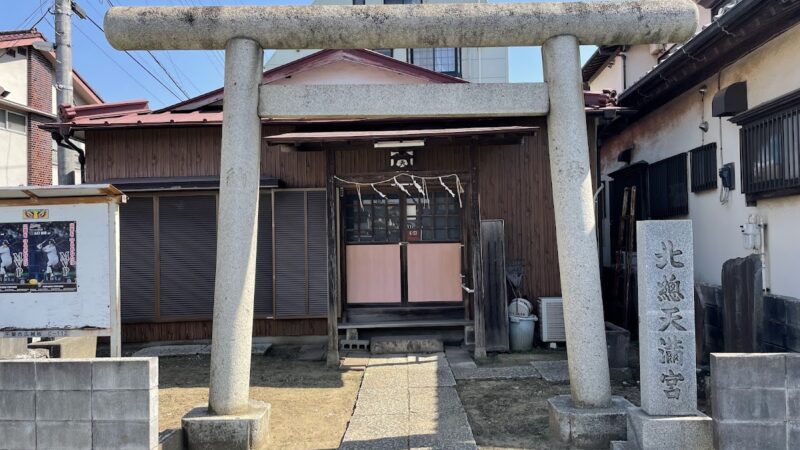
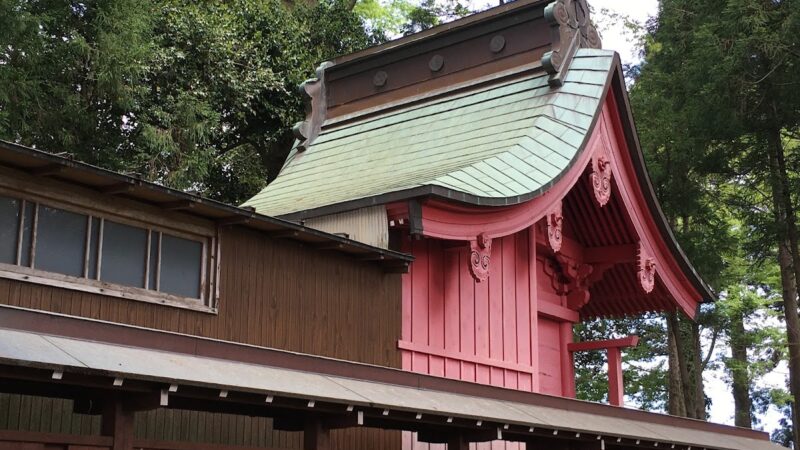
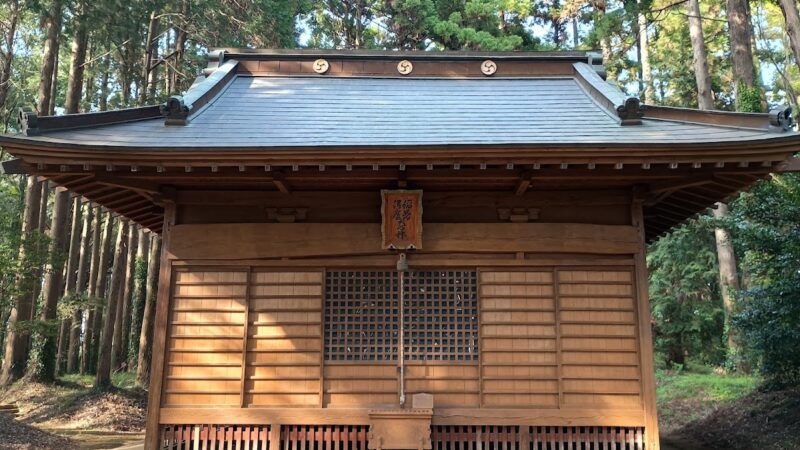
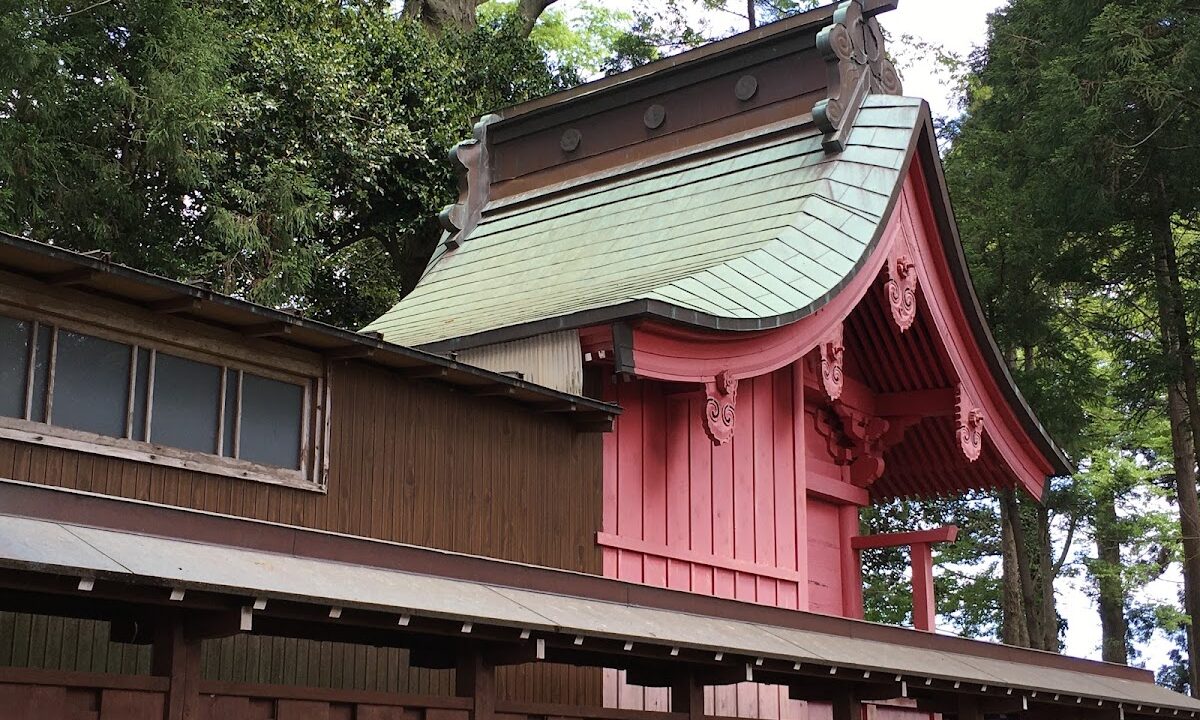
The main hall of Sōtai Shrine is built in the traditional shrine architectural style, characterized by its charming wooden appearance. Regular maintenance keeps it in beautiful condition.
Worship Hall
The worship hall, where worshippers offer their prayers, is located in front of the main hall. Simple yet solemn, it exudes a dignified atmosphere, providing a space for quiet reverence.
Water Basin
Near the entrance to the shrine grounds is a water basin where you can purify your body and mind before praying. Pure water springs forth; please purify yourself according to the proper etiquette for worship.
Subsidiary Shrines
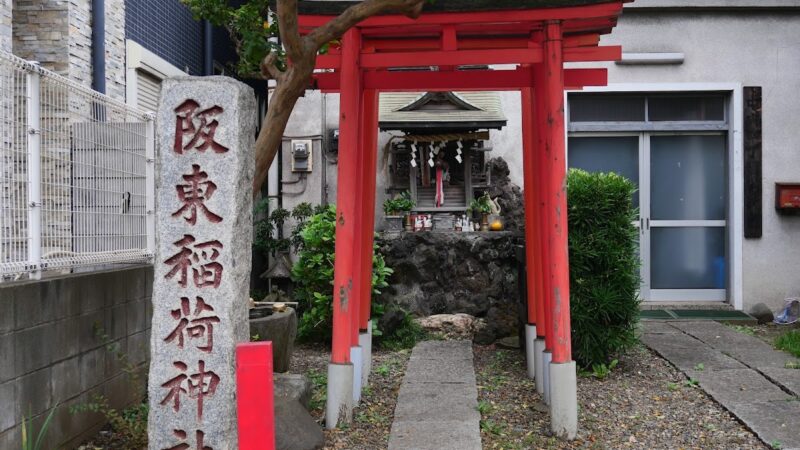
Several subsidiary shrines (absent shrines and minor shrines) are enshrined around the main hall. Each enshrines a deity with different divine virtues, catering to various wishes.
Sacred Trees
Throughout the shrine grounds stand magnificent trees that have stood for many years. These sacred trees are revered by worshippers as having watched over the history of the shrine.
Stone Monuments and Memorials
Stone monuments commemorating the history of the shrine and local events are erected within the grounds. Reading these monuments will allow you to gain a deeper understanding of the history of the shrine and the surrounding area.
Annual Events and Festivals
Sōtai Shrine holds various festivals and events throughout the year.
New Year’s Day Festival (January 1st)
A festival to welcome the new year and pray for peace and prosperity throughout the year. It is bustling with many visitors making their first shrine visit of the year.
Setsubun Festival (around February 3rd)
A traditional event where beans are scattered to ward off evil spirits and invite good fortune.
Spring Grand Festival
An important festival celebrating the arrival of spring and praying for a bountiful harvest.
Summer Purification Ceremony (June 30th)
A Shinto ritual to purify oneself of the impurities accumulated over the past six months. Sometimes, a ritual of passing through a ring of reeds is performed.
Autumn Grand Festival
An important autumn festival to give thanks for the harvest and offer offerings to the gods. Traditional local performing arts are sometimes offered.
Year-End Purification Ceremony (December 31st)
A Shinto ritual to purify oneself of the impurities accumulated over the year and welcome the new year with a fresh start.
Etiquette and Manners for Visiting a Shrine
Basic Etiquette for Visiting a Shrine
- Passing Through the Torii Gate: Bow before entering the shrine grounds.
- Purifying at the Water Basin: Purify your left hand, right hand, and mouth in that order.
- Walking Along the Path: The center is the path for the gods, so walk along the sides.
- Etiquette at the Main Hall: Two bows, two claps, and one bow are the basic rituals.
- When Leaving: After exiting the torii gate, turn around and bow.
Attire for Visiting a Shrine
No special formal attire is required, but clean and subdued clothing is desirable. Avoid excessive exposure or flashy clothing.
Photography
Photography is generally permitted on the shrine grounds, but photography inside the main hall or during festivals may be discouraged. Please check with the shrine office if you have any questions.
Access Information
Location
It is recommended to confirm the exact location of Sotai Shrine in advance. Located within Chiba Prefecture, please check the official shrine information or local tourist guides for the exact address.
Access by Train
Access is by foot or bus from the nearest station. We recommend checking transportation information in advance for specific routes and travel times.
Access by Car
Access is possible from major roads. Please enter the shrine name or address into your car navigation system and search.
Parking
We recommend checking in advance whether there is parking space for visitors. During festival periods, congestion is expected, so please consider using public transportation.
Nearby Tourist Attractions
Shrines and Temples in Chiba Prefecture
When visiting Sotai Shrine, we recommend visiting other shrines and temples in the surrounding area. Chiba Prefecture has many historical temples and shrines.
Nature Spots
Chiba Prefecture is blessed with abundant nature. You can enjoy nature walks in conjunction with visiting the shrine.
Gourmet Information
There are many restaurants where you can enjoy local specialties and regional cuisine. Enjoying local cuisine after visiting a shrine is one of the pleasures of travel.
About Goshuin (Shrine Seals)
Issuance of Goshuin
It is recommended to check in advance whether Goshuin are issued at Sotai Shrine. Many shrines issue Goshuin as proof of worship, but the opening hours and availability of the shrine office vary from shrine to shrine.
Goshuincho (Shrine Seal Book)
Some shrines offer original Goshuincho. Purchasing one as a souvenir is a good idea.
Manners for Receiving a Goshuin
- Complete your prayers before receiving the Goshuin.
- Present your Goshuincho with both hands.
- Have the offering ready (usually around 300-500 yen).
- Use polite language.
Amulets and Items Offered
Various Amulets
Sotai Shrine may offer amulets corresponding to various blessings.
- Family Safety Amulet: Protects the safety of your family
- Traffic Safety Amulet: Protects you from traffic accidents
- Academic Success Amulet: Wishes for academic improvement
- Health Amulet: Protects your health
- Exorcism Amulet: Wards off misfortune
Ema (Votive Tablet)
Ema (votive tablets) are often available for writing wishes and offering them to the gods. Write your wish with sincerity and offer it to the gods.
Ofuda (Shinto Talismans)
Ofuda are also given for enshrining in your home shrine. By enshrining the gods at home, you can receive daily blessings.
Best Time of Day for Visiting
Seasonal Charms
Spring: Beautiful fresh greenery and refreshing air for your visit.
Summer: Cool shade and summer festivals.
Autumn: Beautiful autumn foliage and harvest festivals.
Winter: A tranquil atmosphere in the temple grounds allows for peaceful prayer.
Recommended Time of Day
Visiting early in the morning allows for quiet prayer in refreshing air. The temple grounds at dusk also offer a unique and mystical experience.
Visitor Voices and Reviews
Voices of Local Residents
“This is a shrine I’ve been visiting for New Year’s prayers since I was a child. The atmosphere is calm and peaceful; it feels like my soul is being cleansed.”
“Many people gather here for local festivals, and you can feel the traditions of yesteryear.”
Voices of Tourists
“It was a quiet and charming shrine. I was able to forget the hustle and bustle of the city and pray at my own pace.”
“I was able to experience Chiba’s culture in the historical grounds.”
Cultural Value of Sōtai Shrine
Preservation of Local Culture
Sōtai Shrine is not merely a religious facility, but also an important place for preserving the traditional culture of the region. Through festivals and events, ancient customs and values are passed down to the next generation.
Community Bonding
Community activities centered around the shrine play a role in deepening the bonds between residents. In modern society, the existence of such a community is invaluable.
Centers of Spiritual Culture
In today’s world, where material wealth is highly valued, shrines play a vital role as spiritual havens. They are places where one can reaffirm inner peace and gratitude through worship.
Points to Note When Visiting
Manners on the Shrine Grounds
- Refrain from loud conversations
- Always take your trash with you
- Be mindful that this is a sacred place
- Check in advance whether pets are allowed
- Observe the no-smoking policy
Safety Precautions
- Be careful of stairs and uneven surfaces on the shrine grounds
- Be careful as the ground can be slippery in rainy weather
- Remember to take precautions against heatstroke in summer
- Dress warmly in winter
Precautions When Participating in Festivals
When participating in festivals, please behave respectfully as a general worshipper. Please follow instructions to avoid disrupting the proceedings of the Shinto rituals.
The Significance of Visiting Shrines
Cultivating a Heart of Gratitude
Visiting a shrine is an act of expressing gratitude for daily life. It’s important not only to make wishes, but also to remember to be grateful for what you have.
Purification of the Mind
Spending time in the quiet grounds, away from the hustle and bustle of everyday life, has the effect of purifying and refreshing the mind.
Understanding Traditional Culture
Through visiting shrines, you can deepen your understanding of Japanese traditional culture and spirituality.
Summary
Sōtai Shrine, a historic shrine located in Chiba Prefecture, has been cherished and carefully preserved by the local community. It is believed to offer various blessings, including family safety, abundant harvests, and business prosperity, attracting many worshippers.
The tranquil grounds offer a healing space away from the hustle and bustle of urban areas, open to those seeking peace of mind. While appreciating the beauty of nature throughout the seasons, you can quietly offer prayers following traditional worship rituals, gaining gratitude for your daily life and renewed energy for tomorrow.
When visiting Chiba Prefecture, be sure to visit Sōtai Shrine and experience its history and culture. You will surely feel the warmth unique to a shrine rooted in the community and experience traditional Japanese spiritual culture.
Before your visit, we recommend checking access methods, opening hours, and festival schedules in advance and planning your visit with ample time. We hope your heartfelt visit will be a meaningful experience for you.