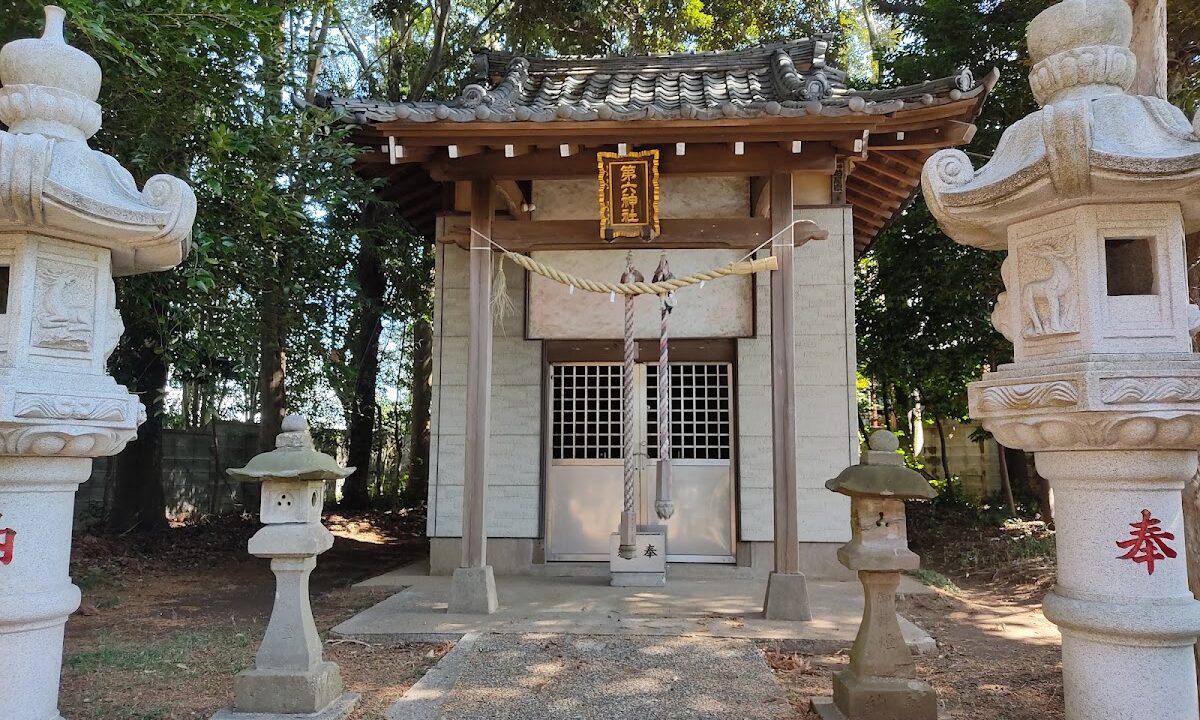
History and Divine Virtues of Dairokudaijin (Hanamigawa Ward, Chiba Prefecture) | Origins of the Dairokuten Faith and a Guide to Visiting the Shrine
What is Dairokudaijin?
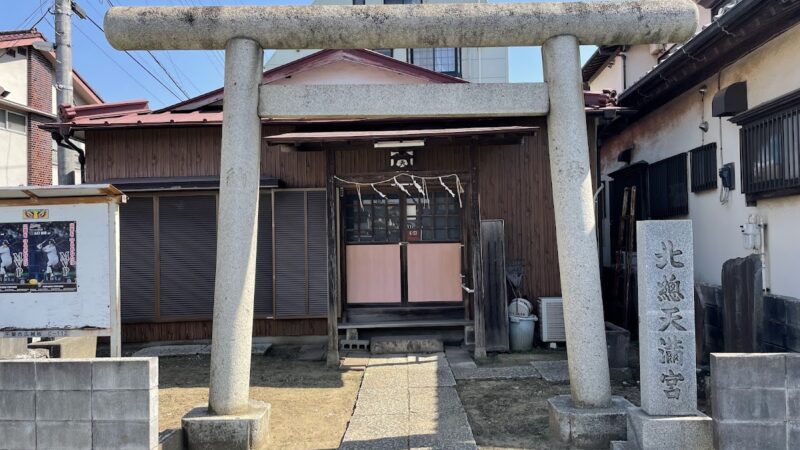
Dairokudaijin (Dairokudaijin) is a shrine located in Uchiyama-cho, Hanamigawa Ward, Chiba City. Also known as “Dairokuten Shrine” or “Dairokuten Shrine,” it has been cherished by local people since ancient times as one of the shrines of the Dairokuten faith, which is widely worshipped mainly in the Kanto region.
While there are many Dairokuten-related shrines in Chiba Prefecture, Dairokudaijin in Hanamigawa Ward has a history of playing an important role as the guardian shrine of the region. Even today, it is deeply revered by local residents, and traditional events and festivals are passed down.
Origins and History of the Dairokuten Faith
Dairokuten Maō Faith in the Era of Shinto-Buddhist Syncretism
The origins of the Dairokuten faith can be traced back to the worship of Dairokuten Maō (Taika Jizaiten) in Buddhism. In the Buddhist worldview, the Sixth Heaven Demon King is considered a demon king residing in the paradoxical heaven of the desire realm, and was seen as an obstacle to the Buddhist path, leading many followers.
However, in folk beliefs, he was believed to possess the power to seize the pleasures of others, and came to be revered as a powerful guardian deity. This unique form of worship merged with Shinto during the era of syncretism of Shinto and Buddhism, spreading as the Sixth Heaven Shrine, mainly in the Kanto region.
Separation of Shinto and Buddhism and Change of Deities in the Meiji Era
With the arrival of the Meiji era, the government implemented a policy of separating Shinto and Buddhism. At this time, many Sixth Heaven Shrines were forced to remove Buddhist elements from their names and change their enshrined deities.
The enshrinement of Omodaru-no-Mikoto and Ayakashikone-no-Mikoto, the sixth generation of deities in the Seven Generations of the Age of the Gods, as new deities is a result of this change. While retaining the name “Sixth,” the shrines shifted to worshipping Shinto deities.
Due to this historical background, the current Rokuten Shrines (Dairokudaijin and Dairokutenjinja) retain remnants of the syncretic Shinto-Buddhist beliefs while functioning as Shinto shrines.
Characteristics of Rokuten Faith in Chiba Prefecture
Distribution in the Kanto Region and Chiba Prefecture’s Position
Rokuten faith is a form of belief characteristic of the Kanto region, centered on the former Musashi Province. Chiba Prefecture, corresponding to the former Shimosa, Kazusa, and Awa Provinces, is a region adjacent to Musashi Province, and this faith became widely prevalent there.
Rokutenjinja and Dairokutenjinja shrines are scattered throughout the prefecture, including in Hanamigawa Ward of Chiba City, each possessing its own unique traditions and history. These shrines function as centers of local communities and have played an important role in the transmission of regional culture through traditional events such as festivals and Kagura (sacred dance).
Background of a Faith Supported by the People
The existence of many Rokutenjinja shrines in Chiba Prefecture stems from the faith of the people. The Sixth Heavenly Demon King is considered a powerful deity, believed to bestow blessings such as protection from evil, good fortune, and business prosperity, becoming an object of worship deeply intertwined with the lives of ordinary people.
In this region, where agriculture flourished, it also functioned as a place for praying for bountiful harvests and abundant grains, serving as an important spiritual pillar for the community. From the Showa era to the Heisei era and up to the present day, this faith has been passed down, albeit in altered forms.
Deities and Divine Blessings of the Sixth Great God
About the Deities
At the Sixth Great God shrine in Hanamigawa Ward, since the separation of Shinto and Buddhism, Omo-taru-no-Mikoto and Kashikone-no-Mikoto have been enshrined as the main deities. These two deities are considered a married couple and are important gods, representing the sixth generation of the seven generations of the divine age.
Omo-taru-no-Mikoto means “well-proportioned,” and Kashikone-no-Mikoto is said to represent “a fearful and humble heart.” These two deities symbolize the harmony of yin and yang and are worshipped as gods who govern the creation and development of all things.
Divine Virtues and Practice of Faith
The divine virtues of the Sixth Great God are diverse:
- Protection from Evil and Disaster: Since ancient times, it has been believed to be a powerful guardian deity, protecting people from various calamities.
- Good Fortune and Prosperity: Believed to bring good fortune and happiness.
- Business Prosperity: Faith is practiced to pray for business success and prosperity.
- Family Safety: Worshipped as a deity protecting the health and peace of families.
- Matchmaking: As it enshrines a married couple of deities, it is also believed to grant blessings for successful relationships.
Local residents continue to pray for these divine virtues through annual festivals and daily visits.
Grounds and Shrine of the Sixth Great God
Atmosphere and Characteristics of the Grounds
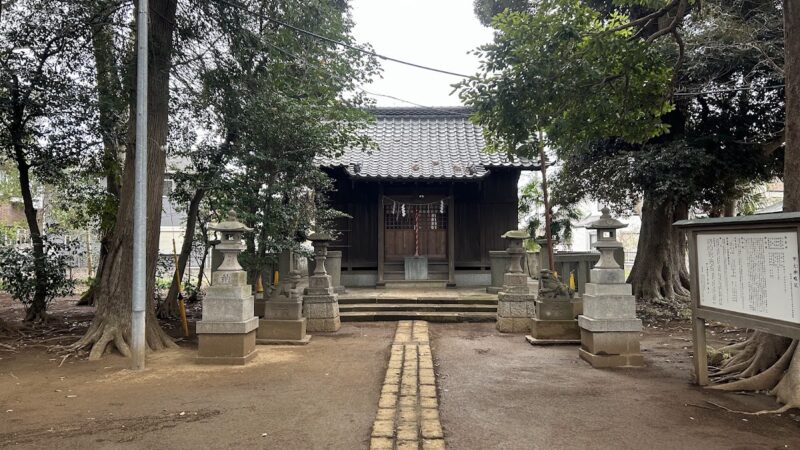
The grounds of the Sixth Great God maintain a tranquil atmosphere despite being located in a residential area. Surrounded by ancient trees, the shrine grounds retain the atmosphere of a place of worship from ancient times, even in today’s increasingly urbanized environment.
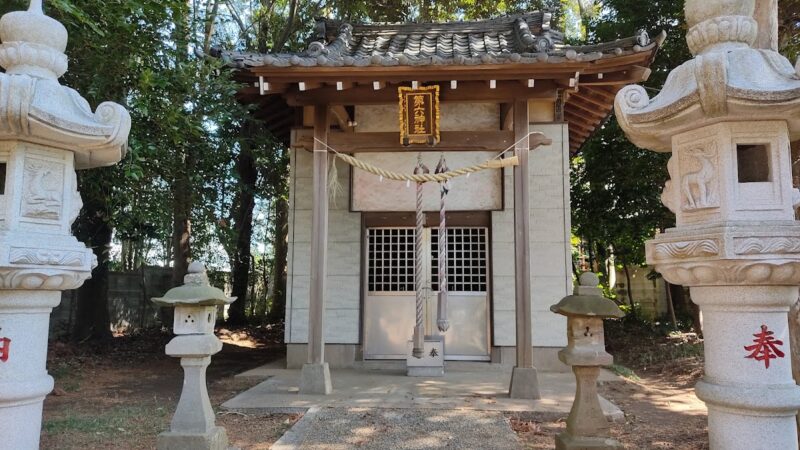
The shrine building, though simple, is meticulously maintained, reflecting the deep faith of the local people. The grounds also feature a purification fountain and guardian lion-dogs, completing the basic elements of a Shinto shrine.
Position in the Region
Dairokudaijin Shrine serves as the guardian shrine of Uchiyama-cho, Hanamigawa Ward, and is the spiritual center of the region. While other shrines, such as Kemigawa Shrine, exist nearby, each possesses its own unique history and sphere of influence, shaping the diverse religious culture of the area.
Festivals and Traditional Events
Annual Events and Festivals
Dairokudaijin Shrine holds regular festivals every year. During the annual grand festival, local residents gather, and traditional performing arts such as Kagura (sacred dance) and Hayashi (traditional music) are sometimes offered.
Among the Rokuten-related shrines in Chiba City, there are traditional events designated as city cultural properties, such as the “Dairokuten Shrine Music,” demonstrating the continued vitality of folk performing arts linked to the Rokuten faith.
Connection with the Local Community
Festivals are not merely religious events; they are important opportunities to strengthen the bonds of the local community. From preparation to operation on the day of the festival, local residents cooperate, fostering intergenerational exchange and ensuring the continuation of traditions.
Even as times have changed from the Showa era to Heisei and Reiwa eras, the role of shrines as places to nurture these community bonds remains unchanged.
Access and Visiting Information for Rokuten Shrine
Location and Transportation Access
Location: Uchiyama-cho, Hanamigawa-ku, Chiba City
If using public transportation, it is convenient to take a bus or taxi from the nearest station. While it is possible to visit by private car, parking space on the shrine grounds is limited, so using public transportation is recommended, especially during festivals.
Points to Note When Visiting
Dairokudaijin is a small local shrine, and there may not be a resident priest. While visiting is generally permitted, please note the following:
- Visiting Hours: Visiting during daylight hours is recommended.
- Manners: The shrine grounds are a sacred area for the community. Please worship quietly and maintain cleanliness.
- Goshuin (Shrine Seal): If there is no resident priest, Goshuin may not be available.
- Photography: Commemorative photos of your visit are permitted, but please be considerate of other worshippers.
Shrine Culture of Hanamigawa Ward, Chiba City
Major Shrines of Hanamigawa Ward
Besides the Sixth Great Shrine, there are many other shrines in Hanamigawa Ward:
- Kemigawa Shrine: A shrine with a long history as the guardian shrine of the region.
- Rokuten Shrine: Another shrine based on the Rokuten faith (located elsewhere).
- Sansha Shrine: A shrine worshipped as the guardian deity of the region.
- Shinmei Shrine: A shrine dedicated to Amaterasu Omikami.
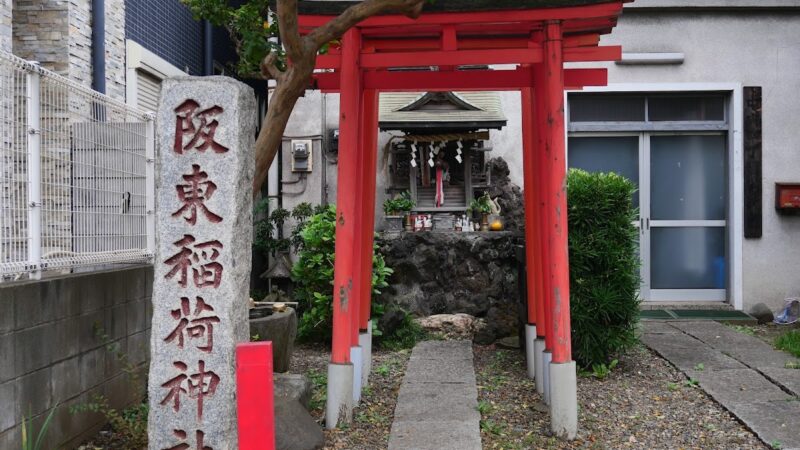
- Inari Shrine: A shrine popular as the god of business prosperity.
Each of these shrines has its own unique history and divine virtues, forming a diverse religious culture in the region.
Characteristics of Local Belief Culture
The shrine culture of Hanamigawa Ward is characterized by its continued preservation of tradition even amidst urbanization. Small shrines scattered throughout residential areas serve as the core of each local community, providing spiritual anchors for residents.
Deeply intertwined with place names and local history, visiting these shrines allows one to experience the history of the area.
The Modern Significance of the Sixth Heaven Belief
Inheritance of Traditional Beliefs
The Sixth Heaven belief, which has continued since the era of syncretism of Shinto and Buddhism, is a valuable example demonstrating the multi-layered nature of Japanese religious culture. The process by which Buddhism and Shinto merged, and further developed through connection with folk beliefs, is an important subject of study in the history of Japanese religion.
The fact that small local shrines like the Sixth Great God have preserved this historical form of belief to the present day is of great cultural significance.
As a Core of Local Identity
Currently, the Sixth Great God has transcended being merely a religious facility and has become an important element in forming the local identity. Amidst increasing urbanization and concerns about the weakening of local communities, traditional events and festivals centered around shrines provide valuable opportunities to strengthen bonds among residents.
While passing on traditions to younger generations remains a challenge, the significance of shrines is being re-recognized along with growing interest in local history and culture.
Surrounding Historical and Cultural Facilities
Cultural Properties and Historic Sites in Chiba City
When visiting Rokushō-Ōkami, visiting surrounding historical and cultural facilities will allow you to gain a deeper understanding of the region’s history.
Chiba City is dotted with numerous cultural properties and historical sites, allowing you to feel the accumulation of history from ancient times. The Chiba City official website publishes information on cultural properties within the city, which is useful for gathering information before your visit.
Shrine Pilgrimage in Chiba Prefecture
Throughout Chiba Prefecture, there are several shrines related to the number “six,” such as Shimōsa-Fuchu Rokushō Shrine (Ichikawa City), the main shrine of Shimōsa Province, and Rokushō-Ōkami in Tako Town. By visiting these sites, you can discover the diversity and commonalities of Chiba Prefecture’s shrine culture.
Summary: The Charm and Value of Visiting Rokudaijin Shrine
Rokudaijin Shrine in Hanamigawa Ward, Chiba City, though small in scale, is a valuable shrine that preserves the history of Rokuten faith, which has continued since the era of syncretism of Shinto and Buddhism. Despite undergoing the major transformation of the Meiji era’s separation of Shinto and Buddhism, it has continued to function as a center of local faith.
The divine virtues of Rokuten faith, which have been supported by the people since ancient times, continue to attract many worshippers today. As a place for prayers closely tied to people’s daily lives—such as protection from evil, good fortune, and business prosperity—the faith has been passed down through the Showa, Heisei, and Reiwa eras.
Even in today’s increasingly urbanized world, Rokudaijin Shrine continues to play an important role as a spiritual pillar of the local community and as a place for the transmission of traditional culture. When you visit Hanamigawa Ward, be sure to stop by this historic shrine, find peace in its tranquil atmosphere, and feel the spirit of faith nurtured over its long history.
There you will find a simple and warm form of faith that can only be felt at a small local shrine. The Sixth Great God is an indispensable presence when understanding the shrine culture of Chiba Prefecture.