Complete Guide to Kobo-ji Temples | History, Access, and Highlights Explained in Detail
There are several temples named “Kobo-ji” throughout Japan, each with its own unique history and culture. This article focuses on two particularly famous temples: Kobo-ji in Mita, Minato-ku, Tokyo, and Mamayama Kobo-ji in Ichikawa City, Chiba Prefecture. We will explain in detail their deep connection to Kobo Daishi Kukai, the characteristics of each temple, access methods, and highlights.
What is Kobo-ji? Temples Associated with Kobo Daishi Spread Across Japan
The name “Kobo-ji” originates from Kobo Daishi Kukai, the founder of the Shingon sect of Buddhism, and can be found throughout Japan. While each Kobo-ji temple has a different sect and historical background, they share a common thread of faith in and connection to Kobo Daishi Kukai.
The following are some of the major Kobo-ji temples:
- Kobo-ji Temple in Mita, Minato-ku, Tokyo (Shingon sect, head temple)
- Mamayama Kobo-ji Temple in Ichikawa City, Chiba Prefecture (Nichiren sect, head temple)
- Koyasan Kobo-ji Temple in Wakayama Prefecture (Koyasan Shingon sect)
- Nojiyama Kobo-ji Temple in Kusatsu City, Shiga Prefecture (Ionjo Kobo-ji Temple)
Understanding the unique history and culture of each temple allows you to appreciate the diversity of Japanese Buddhism and the immense influence of Kobo Daishi Kukai.
Kobo-ji Temple in Mita, Minato-ku, Tokyo: A head temple with a 1200-year history
History and Founding
Kobo-ji Temple, located in Mita, Minato-ku, Tokyo, is said to have originated in 816 (Kōnin 7) when Kobo Daishi Kukai founded Koyasan in Wakayama, establishing it as a training hall for Buddhist chanting (Shōmyō).
Shomyo is a form of ceremonial music in Buddhism, a traditional chanting style used to praise scriptures and the virtues of Buddha. Kobo-ji Temple was founded around the same time as the founding of Koyasan and has preserved its Buddhist traditions for over 1200 years.
In the mid-Meiji period, it was relocated to Mita, Tokyo, by a nun named Watanabe Teijōni. This relocation allowed the temple to maintain its traditional architecture and spirituality while situated in a prime location in the heart of Tokyo.
Location and Access
Kobo-ji Temple is adjacent to Keio University and surrounded by numerous embassies, creating an international environment. Despite its prime location in Tokyo, it maintains a tranquil atmosphere, providing a peaceful space for visitors.
Access Information:
- Approximately 8 minutes on foot from Tamachi Station on the JR Yamanote Line and Keihin-Tohoku Line
- Approximately 5 minutes on foot from Mita Station on the Toei Mita Line and Asakusa Line
- Approximately 10 minutes on foot from Akabanebashi Station on the Toei Oedo Line
Open year-round, its convenient location in the heart of Tokyo makes it easily accessible for worshippers.
Highlights of the Main Hall and Temple Grounds
The main hall of Kobo-ji Temple enshrines Kobo Daishi Kukai as its principal deity. While maintaining traditional architectural styles, the facility also accommodates modern activities.
The temple grounds offer over 200 events and learning opportunities annually, including religious services and ceremonies, as well as various lectures and events relevant to modern society. Through these activities, the temple aims to contribute to the happiness of each individual and the realization of a better society.
Columbarium “Karouto Tokyo”
The columbarium “Karouto Tokyo,” operated by Kobo-ji Temple, is attracting attention as a facility where people can respectfully commemorate their loved ones in a serene environment, despite its prime location in Mita, Minato-ku, Tokyo. It combines the spirituality of a traditional temple with the convenience of a modern columbarium.
Unique Initiatives such as “Temple Bread”
Kobo-ji Temple engages in unique initiatives that blend tradition and innovation, such as selling bread called “Temple Bread.” These activities are one way to make the temple more accessible and to make Buddhist teachings easier to incorporate into modern life.
Mamayama Kobo-ji Temple, Ichikawa City, Chiba Prefecture: Head Temple of the Nichiren Sect
History and the Legend of Tekona
Mamayama Kobo-ji Temple, located in Mama 4-chome, Ichikawa City, Chiba Prefecture, is a head temple (historical temple) of the Nichiren sect. Its history dates back to the Nara period.
In 737 (Tenpyō 9), when Gyōki Bodhisattva visited this area, he heard the tragic story of a girl named Tekona of Mama. Tekona was a beautiful girl who received many marriage proposals, but believing that choosing one would sadden others, she threw herself into the Mama Inlet.
Gyōki Bodhisattva was deeply moved by this sad story and built a temple to commemorate Tekona’s spirit, naming it “Guhōji.” Later, during the Heian period, Kūkai, Kōbō Daishi, visited the area and renamed it “Kōbōji.”
During the Kamakura period, Nichiren Shōnin visited, and it has remained a Nichiren Buddhist temple to this day.
Access and Location
Mamayama Kōbōji is located on a hill on Mamayama, approximately a 15-minute walk from JR Ichikawa Station. From the hilltop, you can enjoy a panoramic view of Ichikawa city, and it is characterized by its quiet environment surrounded by nature that changes with the seasons.
Access Information:
- Approximately 15 minutes on foot from Ichikawa Station on the JR Sobu Line
- Approximately 10 minutes on foot from Ichikawa-Mama Station on the Keisei Main Line
Highlights of the Temple Grounds
Famous Cherry Blossom Spot
In spring, the cherry blossoms that surround the temple grounds bloom magnificently, making it a famous cherry blossom spot in Ichikawa City. The contrast between the historical buildings and the cherry blossoms captivates many worshippers and tourists.
Stone Steps and Niomon Gate
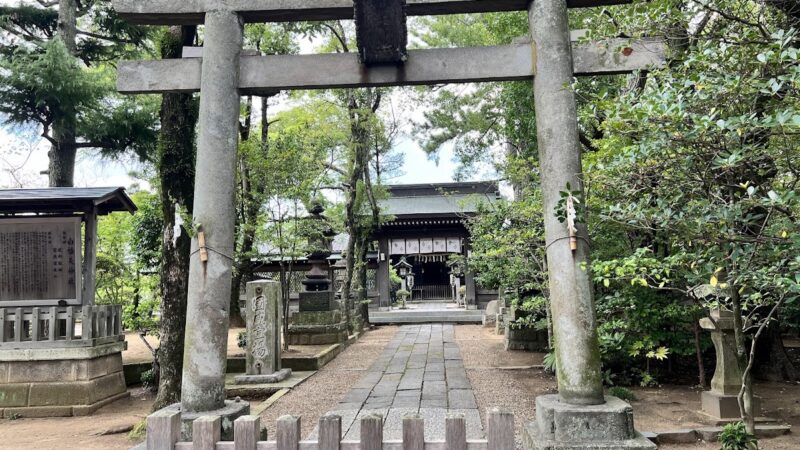
To access Kobo-ji Temple, which stands on a hill on Mamayama, you climb a long stone staircase. These stone steps and the Niomon Gate are important elements that create the solemn atmosphere of the temple.
Main Hall and Other Buildings
The main hall and other buildings maintain the traditional architectural style of the Nichiren sect and are carefully preserved as buildings of high historical value.
Cemetery and Memorial Services
Mamayama Kobo-ji Temple operates a temple cemetery based on the danka system, where you can commemorate your loved ones in a peaceful environment. The environment, surrounded by nature in all four seasons and historical buildings, is ideal as a place for memorial services.
Kobo-ji Temple, the Western Koyasan of Wakayama Prefecture
In Wakayama Prefecture, there is a Koyasan Shingon sect temple known as “Kobo-ji Temple, the Western Koyasan.” The existing memorial tablet of the seventh head priest is said to be over 600 years old, making it a temple with a long history.
Although the temple was destroyed by natural disasters such as floods at one point, it was rebuilt during the Meiji era. While preserving the traditions of the Koyasan Shingon sect, it functions as a center of faith in the region.
Nojiyama Kobo-ji Temple (Ionejo Kobo-ji Temple), Kusatsu City, Shiga Prefecture
In Kusatsu City, Shiga Prefecture, there is Nojiyama Ionejo Kobo-ji Temple. This temple is located on a sacred mountain where Kobo Daishi Kukai is said to have climbed twice, at the ages of 19 and 49, and dedicated himself to ascetic training in a cave.
It has a history as a training ground for Kukai and still maintains its character as a training center for Shingon Esoteric Buddhism.
The Relationship Between Kobo Daishi Kukai and Kobo-ji Temple
Kobo Daishi Kukai (774-835) was a Buddhist monk in the early Heian period and is known as the founder of the Shingon sect. He traveled to China (Tang Dynasty) to study Esoteric Buddhism, and after returning to Japan, he founded Mount Koya, laying the foundation for Esoteric Buddhism in Japan.
Kukai left outstanding achievements not only as a religious figure but also as a calligrapher, educator, and civil engineer, and had such a profound influence on Japanese culture that he gave rise to various sayings and legends such as “Even Kobo makes mistakes with his brush.”
Kobo-ji temples throughout Japan have a direct or indirect connection to Kukai and inherit his teachings and spirit. Not only are there Shingon temples, but there are also Nichiren Buddhist temples, such as Kobo-ji Temple in Ichikawa, Chiba, which changed their names based on the legend that Kukai visited them, demonstrating respect for Kukai across sectarian boundaries.
Main Events and Services Held at Kobo-ji Temples
Various events and services are held throughout the year at each Kobo-ji temple.
Main Events at Kobo-ji Temple in Mita, Minato-ku, Tokyo
- Spring Equinox Memorial Service: An ancestral memorial service held around the spring equinox
- Flower Festival Special Memorial Service: A memorial service celebrating the birth of Buddha on April 8th
- Children’s Day Special Service: A service held on May 5th to pray for the healthy growth of children
- Autumn Equinox Memorial Service: A memorial service held around the autumn equinox
- Various Courses and Events: Over 200 learning opportunities per year
Events at Mamayama Kobo-ji Temple in Ichikawa, Chiba
- Spring and Autumn Equinox Services
- Oeshiki: A memorial service held on the anniversary of Nichiren Shonin’s death
- Cherry Blossom Festival: An event timed to coincide with the cherry blossom season in spring
Etiquette and Manners for Visiting Kobo-ji Temple
When visiting a temple, it is important to observe the following basic manners.
- Attire: Please wear clean and understated clothing.
- Greetings: Bow when passing through the temple gate.
- Worship at the Main Hall: Quietly join your hands in prayer and offer your prayers with sincerity.
- Photography: Refrain from taking photos in areas where photography is prohibited.
- Behavior on the Temple Grounds: Behave quietly and considerately of other visitors.
Tourist Spots Around Kobo-ji Temple
Around Mita, Minato-ku, Tokyo
- Keio University: Stroll through the historic university campus.
- Shiba Park & Tokyo Tower: Tourist attractions within walking distance.
- Zojo-ji Temple: A major Jodo sect temple known as the Tokugawa family’s ancestral temple.
Around Ichikawa City, Chiba Prefecture
- Mama no Tsugibashi Bridge & Tekona Reijindo: A place associated with the Tekona legend.
- Satomi Park: A scenic spot overlooking the Edogawa River.
- Ichikawa City Zoological and Botanical Garden: A popular spot for families.
Donations to Kobo-ji Temples and the Danka System
Many Kobo-ji temples accept donations and maintain the temple’s traditions and the continuation of its religious legacy. Becoming a danka allows access to support such as participation in memorial services, use of cemeteries, and various consultations.
In modern times, an increasing number of temples allow participation in worship and events without being a danka, resulting in more open temple management.
Summary: Finding Peace of Mind at Kobo-ji Temples
Kobo-ji temples, scattered throughout Japan, each possess their own unique history and culture, while inheriting the teachings and spirit of Kobo Daishi Kukai. From Kobo-ji Temple in Mita, Minato-ku, Tokyo, located in a prime location in the city center, to Mamayama Kobo-ji Temple in Ichikawa, Chiba, known for the Tekona legend and its cherry blossoms, each temple remains an important spiritual anchor in modern society.
Many temples are open year-round and easily accessible, making them convenient for daily visits. Whether you choose to participate in traditional services and ceremonies, or simply stroll through the temple grounds to find peace of mind, you can spend a meaningful time at any Kobo-ji temple.
Each individual engaging with the temple in a way that suits them, and living a fulfilling life through Buddhist teachings, will contribute to the realization of the happy society that Kobo-ji aims for. Why not visit a Kobo-ji temple near you?