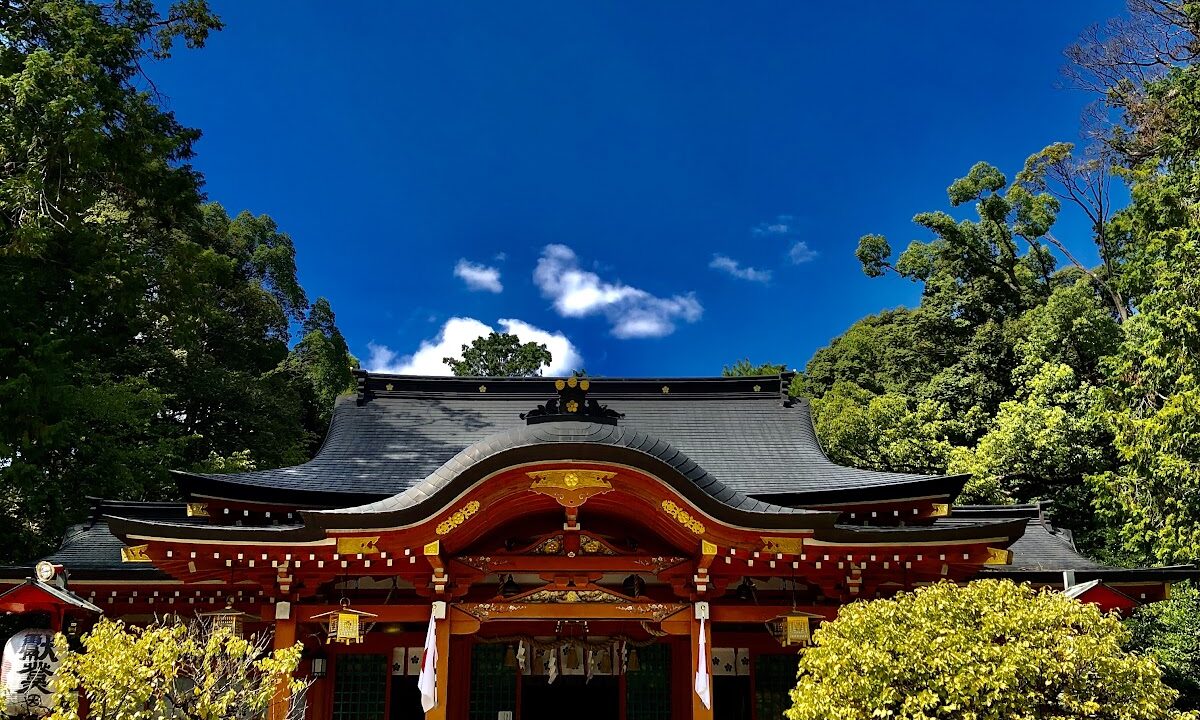
Nagaoka Tenmangu Shrine (Kyoto Prefecture) Complete Guide | History, Highlights, Access, and Surrounding Area Information
Nagaoka Tenmangu Shrine, located in Nagaokakyo City, Kyoto Prefecture, is a historic shrine dedicated to Sugawara no Michizane, a nationally renowned deity of learning. Founded on a site deeply connected to Michizane, where he enjoyed poetry, music, and other arts with Ariwara no Narihira and others during his lifetime, it is now bustling with worshippers praying for academic success and tourists enjoying the beautiful nature throughout the seasons. It is particularly famous for its Kirishima azaleas, and every spring, the crimson corridor captivates visitors.
This article comprehensively covers everything you need to know before visiting Nagaoka Tenmangu Shrine, from its historical background and highlights within the grounds to access methods, recommended nearby spots, and gourmet information.
History and Origins of Nagaoka Tenmangu Shrine
The Deep Connection Between Sugawara no Michizane and Nagaoka
The area of Nagaoka where Nagaoka Tenmangu Shrine is located is known as a place frequently visited by Sugawara no Michizane and Ariwara no Narihira, one of the Six Poetic Geniuses, during the Heian period, where they enjoyed poetry, music, and other arts. For Michizane, this place was not merely a place of amusement, but a special place where he could find cultural exchange and peace of mind.
In 901 AD, when Michizane was exiled to Dazaifu in Kyushu, he stopped in Nagaoka. It is said that at that time, he lamented his departure, saying, “My soul shall remain in this place forever,” and left behind a wooden statue he had made himself. The enshrinement of this wooden statue as the sacred object is considered the origin of the founding of Nagaoka Tenmangu Shrine.
The Evolution of Nagaoka Tenmangu Shrine
Since its founding, Nagaoka Tenmangu Shrine has attracted the faith of the local people. As it enshrines Michizane, known as the god of learning, many visitors come to pray for academic success and passing exams.
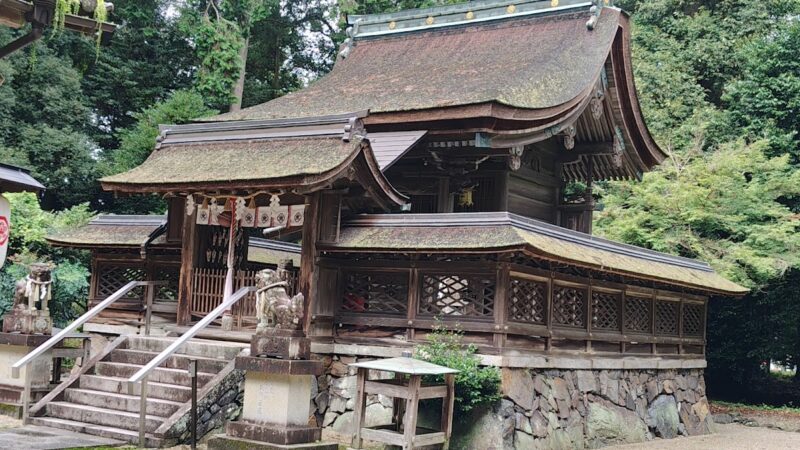
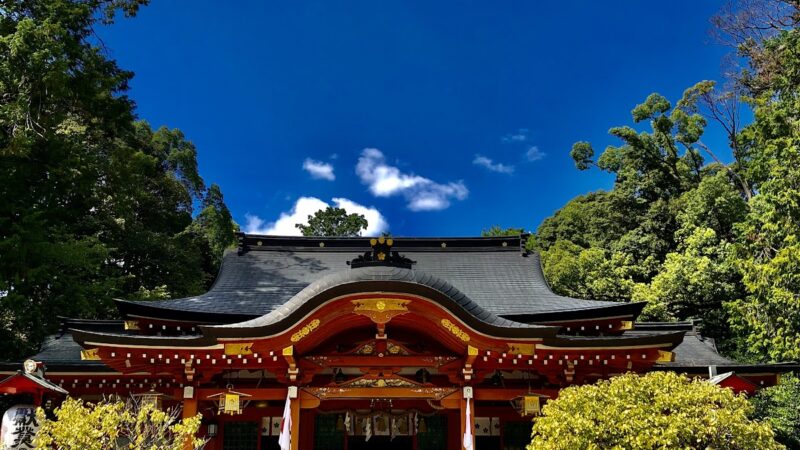
The current shrine buildings (main hall, prayer hall, and lattice fence) were received and relocated from the former main hall of Heian Jingu Shrine in Kyoto in 1941. Inheriting the dignified architectural style of Heian Jingu Shrine, it exudes a solemn atmosphere. This relocation has made Nagaoka Tenmangu Shrine even more appealing, possessing both historical value and architectural beauty.
Highlights of Nagaoka Tenmangu Shrine
The Crimson Corridor of Kirishima Azaleas
The greatest highlight of Nagaoka Tenmangu Shrine is undoubtedly the Kirishima azaleas. Along the approximately 70-meter-long embankment of Hachijo-ga-ike Pond, Kirishima azaleas exceeding 2.5 meters in height are planted on both sides, blooming simultaneously from late April to early May. When in full bloom, the crimson flowers completely cover the central embankment, creating a spectacular scene resembling a red corridor. This sight, known as the “Crimson Corridor,” captivates visitors with its breathtaking beauty. The contrast between the vibrant red of the Kirishima azaleas and the surface of Hachijo-ga-ike Pond is a popular photography spot, attracting many camera enthusiasts and tourists.
The Kirishima azalea is a variety that has been cultivated since the Edo period and has been carefully preserved as a symbol of Nagaoka Tenmangu Shrine. Every year during the blooming season, it is bustling with many worshippers and is widely known as one of Kyoto’s representative spring flower viewing spots.
Seasonal Scenery of Hachijo-ga-ike Pond
Hachijo-ga-ike Pond, spread across the spacious grounds, is another major attraction of Nagaoka Tenmangu Shrine. This pond was constructed in 1638 by Prince Hachijo-no-miya Tomohito, which is the origin of its name.
You can enjoy the beautiful scenery of each season, from the Kirishima azaleas in spring, to the fresh greenery reflected on the water in summer, the vibrant autumn leaves coloring the pond, and the tranquil snowscape in winter. A drum bridge spans the pond’s central embankment, offering a spectacular view.
A walking path is maintained around the pond, allowing you to enjoy nature at a leisurely pace. Many wild birds visit the area, and you can often see people enjoying birdwatching.
Highlights of the Main Shrine and Grounds
The main shrine, relocated from Heian Jingu Shrine, is characterized by its beautiful vermilion-painted architecture. When visiting, first purify your body and mind at the water basin before proceeding to the main shrine.
Numerous ema (votive tablets) praying for academic success are dedicated within the grounds, reflecting the sincere wishes of students and their families. Furthermore, historical sites and monuments related to Sugawara no Michizane are scattered throughout the grounds, allowing you to stroll and feel the history. At the shrine office, you can receive amulets and Goshuin (stamped seals). Amulets for academic success are particularly popular, and many visitors seek them during exam season.
Plum Blossoms and Sugawara no Michizane
Sugawara no Michizane is famously associated with plum blossoms. Nagaoka Tenmangu Shrine also has plum trees planted on its grounds, which bloom with lovely flowers in early spring. Michizane’s poem, “When the east wind blows, send forth your fragrance, plum blossoms; do not forget spring, even though your master is absent,” is widely known, and it reflects the deep connection between plum blossoms and Michizane.
The plum blossom season is from mid-February to early March, and you can enjoy a different kind of beauty compared to the Kirishima azaleas.
Basic Information about Nagaoka Tenmangu Shrine
Address and Contact Information
- Address: 2-15-13 Tenjin, Nagaokakyo City, Kyoto Prefecture 617-0824
- Phone: 075-951-1025
- Shrine Office Hours: 9:00 AM – 5:00 PM
Admission Fee
- Free Admission to the Grounds: Entry to the grounds is free. Anyone can freely visit.
Visiting Hours
- Grounds: Open all day (Evening visits are possible, but the shrine office closes at 5:00 PM)
- Shrine Office: 9:00 AM – 5:00 PM
*Please note that these hours may change due to events and festivals. It is recommended to check official information in advance.
Access Methods
Access by Train
Nagaoka Tenmangu Shrine is easily accessible by train.
If using the Hankyu Kyoto Line
- Get off at Nagaoka-Tenjin Station on the Hankyu Kyoto Line, approximately 10 minutes on foot from the West Exit.
Nagaoka-Tenjin Station is on the Hankyu Kyoto Line, approximately 15 minutes by limited express from Kyoto Kawaramachi Station and approximately 30 minutes by limited express from Osaka Umeda Station. From the station, exit the West Exit and walk straight through the shopping street to reach Nagaoka Tenmangu Shrine. There are signs along the way, so even first-time visitors can arrive without getting lost.
If using the JR Tokaido Main Line
- Get off at Nagaokakyo Station on the JR Tokaido Main Line (Kyoto Line), approximately 20 minutes on foot from the West Exit.
JR Nagaokakyo Station is a station where the Special Rapid Service also stops, approximately 12 minutes from Kyoto Station and approximately 30 minutes from Osaka Station. From the station, exit the West Exit and head west. It is a bit further than Hankyu Nagaoka-Tenjin Station, but still within walking distance. If you have time, we recommend taking a stroll through the town to enjoy the scenery.
Access by Bus
You can also use the Nagaokakyo City community bus, “Happy Bus,” from JR Nagaokakyo Station or Hankyu Nagaoka Tenjin Station. However, since the number of buses is limited, we recommend checking the timetable in advance.
Access by Car
- Approximately 20 minutes from Meishin Expressway “Kyoto Minami IC”
- Approximately 10 minutes from Meishin Expressway “Oyamazaki IC”
There is a parking lot for visitors on the shrine grounds, but it is expected to be crowded during peak seasons such as the blooming season of Kirishima azaleas and New Year’s. If the parking lot is full, you will need to use nearby paid parking lots. We recommend using public transportation during peak seasons.
Annual Events and Festivals
Nagaoka Tenmangu Shrine holds various events and festivals throughout the year.
Main Annual Events
- January 1st: Saitansai (New Year’s Day Festival)
- January 25th: Hatsutenjinsai (Festival held on the monthly anniversary of Michizane’s death)
- February 3rd: Setsubunsai (Bean-throwing ritual)
- Late April to Early May: Best time to see Kirishima azaleas
- June 25th: Natsukoshi Tenjinsai (Summer Purification Ceremony)
- July: Summer Festival
- October: Autumn Grand Festival
- December: Shimai Tenjinsai (Last Tenjin Festival)
- December 31st: Joyasai (New Year’s Eve Festival)
Especially on the 25th of each month, which is the monthly anniversary of Michizane’s death, a special festival is held as Tenjin-san Day. Many worshippers visit on this day, and the temple grounds are bustling with activity.
Recommended Spots Around Nagaoka Tenmangu Shrine
When visiting Nagaoka Tenmangu Shrine, you can enjoy a more fulfilling trip by also visiting the surrounding tourist spots.
Otokuni-dera Temple
Located about a 15-minute walk from Nagaoka Tenmangu Shrine, Otokuni-dera Temple is an ancient temple of the Shingon sect. Founded during the Nara period, it is a historical temple and is also known as the place where the young Kukai (Kobo Daishi) trained in the early Heian period.
In spring, approximately 2,000 peony plants bloom on the temple grounds, earning it the nickname “Peony Temple.” The best time to see the peonies is from late April to early May, coinciding with the blooming of the Kirishima azaleas at Nagaoka Tenmangu Shrine, so visiting both is recommended.
Komyoji Temple
Located in Nagaokakyo City, Komyoji Temple is the head temple of the Jodo sect. Known as a famous spot for autumn foliage, the “Maple Path” leading to the temple is dyed a brilliant red in the fall, attracting many tourists. The tunnel of autumn leaves stretching along both sides of the stone steps leading from the main gate to the main hall is breathtakingly beautiful.
Nagaoka-kyo Ruins
Nagaoka-kyo, the origin of the name of Nagaoka-kyo City, was the capital city to which Emperor Kanmu moved the capital from Heijo-kyo in 784. Because the capital was moved to Heian-kyo after only 10 years, it is also called the “phantom capital.” Historical sites of Nagaoka-kyo are scattered throughout the city, allowing visitors to enjoy historical walks.
Suntory Kyoto Beer Factory
At the Suntory Kyoto Beer Factory in Nagaoka-kyo City, you can tour the beer manufacturing process (reservations required). After the tour, you can enjoy a tasting of freshly brewed beer (soft drinks are available for drivers and children). The factory tour is free, making it a popular spot for families.
Recommended Restaurants Around Nagaoka Tenmangu Shrine
After visiting the shrine, we recommend enjoying a meal at one of the nearby restaurants.
Kikuharu
A long-established Japanese confectionery shop near Nagaoka Tenjin Station. Their specialty, “Tenjin Manju,” is a famous confection named after Sugawara no Michizane and makes a perfect souvenir. It features a refined sweetness from the red bean paste and is perfect with tea. Seasonal Japanese sweets are also sold in the shop, so you can discover new flavors each time you visit.
Unir Main Store
A bakery cafe located in Nagaokakyo City. Their bread, made with homemade natural yeast, is popular, and their croissants and baguettes are especially delicious. There is also an eat-in space where you can relax with freshly baked bread and coffee.
Ippukutei
A soba restaurant near Nagaoka Tenmangu Shrine. They pride themselves on their handmade soba noodles, offering thin, smooth noodles. The restaurant offers classic dishes such as tempura soba and zaru soba. With its calm atmosphere, it’s perfect for a meal after visiting the shrine.
Local Cuisine of Nagaoka, Kyoto
Nagaokakyo City is also famous as a production area for “Kyoto bamboo shoots.” In spring, you can enjoy bamboo shoot dishes at local restaurants. Kyoto bamboo shoots, which are soft and have little bitterness, can be enjoyed in various dishes such as stews, tempura, and bamboo shoot rice.
Recommended Visiting Season and Model Course
Recommended Visiting Season
Nagaoka Tenmangu Shrine is beautiful in every season, but the following times are especially recommended:
Spring (Late April to Early May)
This is the time when the Kirishima azaleas are in full bloom, attracting the most tourists. The crimson corridor is breathtakingly beautiful. The peonies at Otokuni-dera Temple are also in full bloom around the same time, so it’s a good idea to visit both.
Autumn (Mid-November to Early December)
The autumn foliage is beautiful, with the trees around Hachijo-ga-ike Pond changing color. It’s recommended to enjoy it in conjunction with the autumn leaves at the nearby Komyoji Temple.
Early Spring (Mid-February to Early March)
This is the time when plum blossoms bloom, allowing for a quiet appreciation of the plum trees associated with Sugawara no Michizane. There are relatively few tourists, allowing for a peaceful visit.
Half-Day Model Course
We introduce a model course for a half-day sightseeing trip centered around Nagaoka Tenmangu Shrine.
10:00 Arrive at Hankyu Nagaoka-Tenjin Station
10:15 Visit Nagaoka Tenmangu Shrine, admire the Kirishima azaleas, and stroll around Hachijo-ga-ike Pond
11:30 Lunch at a nearby cafe or bakery
13:00 Travel to Otokuni-dera Temple and admire the peonies
14:00 Purchase Japanese sweets as souvenirs at Kikuharu
14:30 Depart from Nagaoka-Tenjin Station
This course allows you to efficiently visit both Nagaoka Tenmangu Shrine and Otokuni-dera Temple.
One-Day Model Course
For those with more time, a full-day course exploring Nagaokakyo City in depth is also recommended.
9:30 Arrive at JR Nagaokakyo Station
10:00 Suntory Kyoto Beer Factory Tour (Reservation Required)
12:00 Lunch at a local restaurant (bamboo shoot dishes, etc.)
13:30 Visit Nagaoka Tenmangu Shrine
15:00 Visit Otokuni-dera Temple
16:00 Tour of Nagaokakyo Historical Sites
17:00 Purchase souvenirs around Nagaoka Tenjin Station
17:30 Departure
Points to Note and Manners When Visiting a Shrine
Shrine Visit Manners
Please observe basic manners when visiting a shrine.
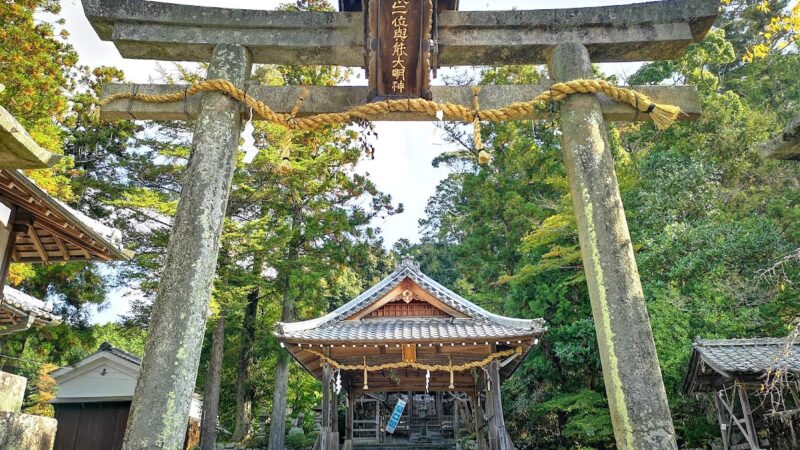
- When passing through the torii gate: Bow before passing through. Since the center of the approach to the shrine is considered the path of the gods, it is preferable to walk along the side.
- Procedure at the Water Basin: Hold the ladle in your right hand and purify your left hand. Then, switch the ladle to your left hand and purify your right hand. Switch the ladle back to your right hand, receive water in your left hand, rinse your mouth, and finally, hold the ladle upright to purify the handle.
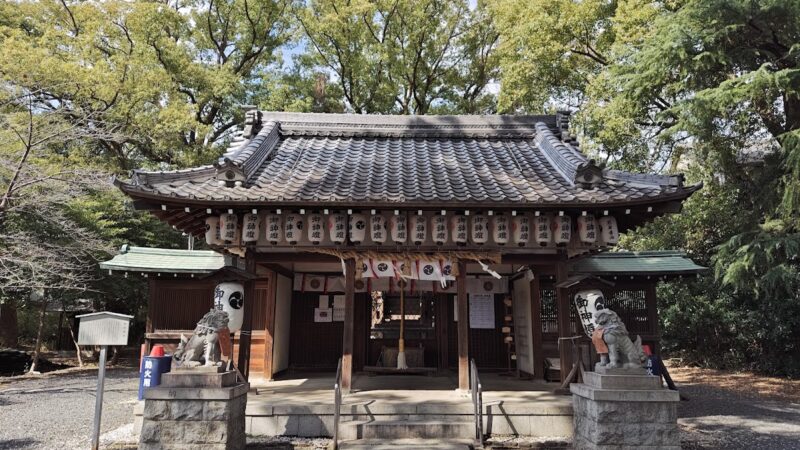
- Worship at the Main Hall: The basic procedure is two bows, two claps, and one bow. Place your offering in the offering box, ring the bell, bow deeply twice, clap twice, and finally bow deeply once.
Photography
Photography is generally permitted on the temple grounds, but may be restricted during festivals and religious ceremonies. Please be considerate of other worshippers. Permission may be required for the use of tripods or commercial photography.
Dress Code
There are no specific dress code regulations, but it is desirable to dress appropriately for a sacred place. Avoid overly revealing clothing, even in summer.
Precautions During Crowded Times
The shrine grounds become extremely crowded during peak seasons such as the Kirishima azalea blooming season and New Year’s. Please allow ample time for your visit and be careful to avoid accidents and troubles in the crowds. Those with small children should be especially careful.
Goshuin (Shrine Seals) and Amulets at Nagaoka Tenmangu Shrine
Goshuin (Shrine Seals)
At Nagaoka Tenmangu Shrine, you can receive a goshuin at the shrine office. Reception hours are 9:00 AM to 5:00 PM. You can bring your own goshuincho (seal book) or purchase one on-site.
The goshuin at Nagaoka Tenmangu Shrine features the calligraphy and red seal of “Nagaoka Tenmangu.” Seasonal limited-edition goshuin are sometimes available, allowing you to enjoy different designs depending on the time of year you visit.
Amulets
At Nagaoka Tenmangu Shrine, which enshrines the god of learning, amulets for academic success and passing exams are particularly popular.
- Academic Success Amulet: A popular amulet among students and those taking entrance exams.
- Passing Exam Amulet: An amulet for wishing success in exams.
- Academic Pencil: A pencil for wishing academic improvement.
- Traffic Safety Amulet: An amulet for wishing traffic safety.
- Exorcism Amulet: An amulet for warding off evil.
In addition, various other types of amulets are available, including those for family safety and good health.
To fully enjoy the charm of Nagaoka Tenmangu Shrine
Nagaoka Tenmangu Shrine is one of Kyoto Prefecture’s representative shrines, where historical significance and natural beauty harmonize. The elegant history of Sugawara no Michizane and Ariwara no Narihira enjoying poetry, music, and dance, the dignified shrine buildings relocated from Heian Jingu Shrine, and above all, the crimson corridor of Kirishima azaleas and the seasonal scenery of Hachijo-ga-ike Pond deeply impress visitors.
Nagaoka Tenmangu Shrine offers a variety of ways to enjoy your visit, from praying for academic success to enjoying nature walks, taking photos, and exploring the surrounding tourist attractions and local cuisine. Why not spend some relaxing time in Nagaokakyo City, a little removed from the hustle and bustle of Kyoto City?
During the spring azalea season, we highly recommend visiting early in the day to enjoy the crimson corridor illuminated by the morning sun. Furthermore, visiting multiple times in different seasons will allow you to appreciate the ever-changing face of Nagaoka Tenmangu Shrine.
We hope your visit to Nagaoka Tenmangu Shrine will be a memorable and wonderful experience.