Ubuta Shrine (Kumano City, Mie Prefecture) Complete Guide | Goshuin (Shrine Seal), Access, and a Sacred Site for Safe Childbirth Prayers
What is Ubuta Shrine?
Ubuta Shrine is an ancient shrine located in Arima-cho, Kumano City, Mie Prefecture. The name “Ubuta” means “birthplace,” and it has been revered since the Yayoi period as a sacred site where Izanami-no-Mikoto is said to have given birth to Kagutsuchi-no-Mikoto, the god of fire, in Japanese mythology.
An alternative version of the first volume of the “Age of the Gods” in the *Nihon Shoki* states that Izanami-no-Mikoto died from burns while giving birth to Kagutsuchi and was buried in Arima Village, Kumano, Kii Province. Uta Shrine is considered the very place of birth. While Hana-no-Iwaya Shrine is the mausoleum of Izanami-no-Mikoto, Uta Shrine is considered the birthplace of the god, forming a pair with it.
Since ancient times, it has been revered as a god of safe childbirth and fertility, and is still known today as a power spot visited by many worshippers.
Deities and History of Uta Shrine
Deities
The following two deities are enshrined at Uta Shrine:
Main Deity:
- Izanami-no-Mikoto – Goddess of creation of the land and gods
- Kagutsuchi-no-Kami – God of fire
In Japanese mythology, Izanami-no-Mikoto, together with Izanagi-no-Mikoto, created the land and gave birth to many gods; she is the mother goddess. However, it is said that she lost her life when she gave birth to Kagutsuchi-no-Mikoto, the god of fire, and was burned by the resulting fire.
History of the Shrine
The exact founding date of Uta Shrine is unclear, but it is considered an ancient shrine dating back to the Yayoi period. This area is also known as the “ancient homeland of the gods” where the gods lived, and holds significant meaning as a setting in Japanese mythology.
According to the Kumano Chronicle, there is a record that Emperor Sutoku visited Uta Shrine in 1132 (Chōshō 1), suggesting that it was already an important shrine for the imperial court during the Heian period.
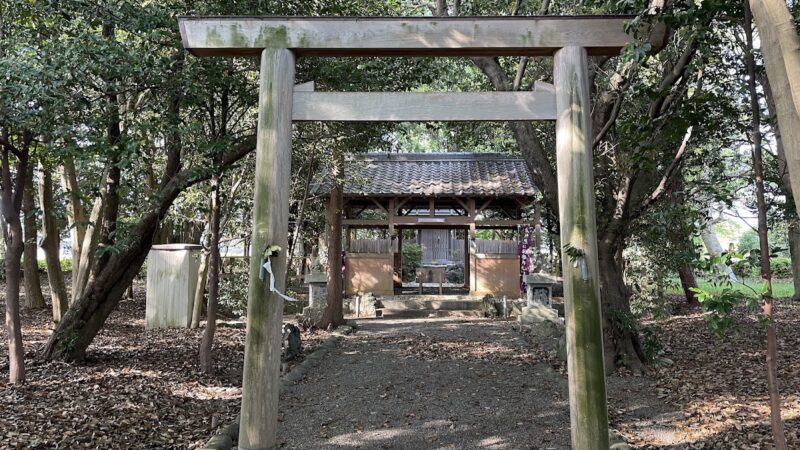
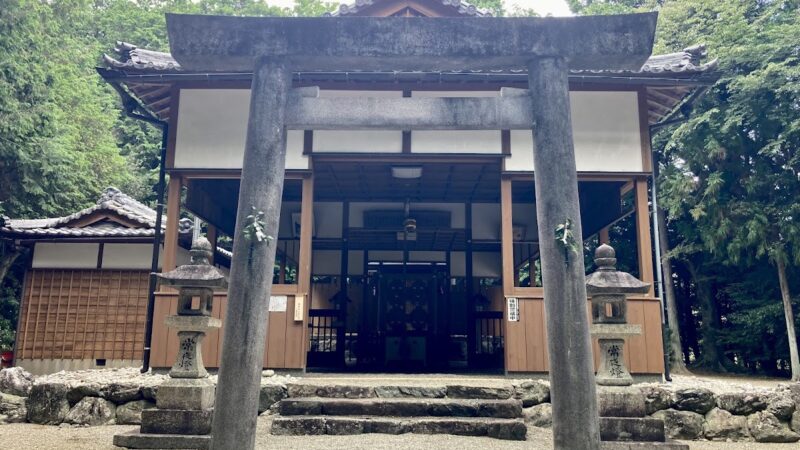
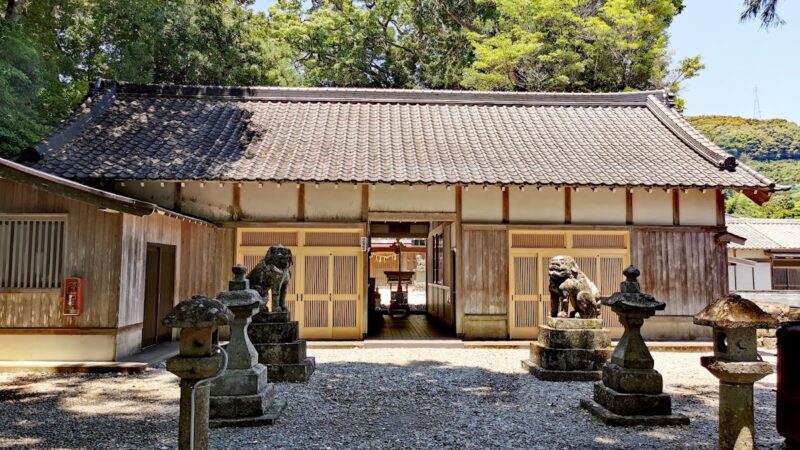
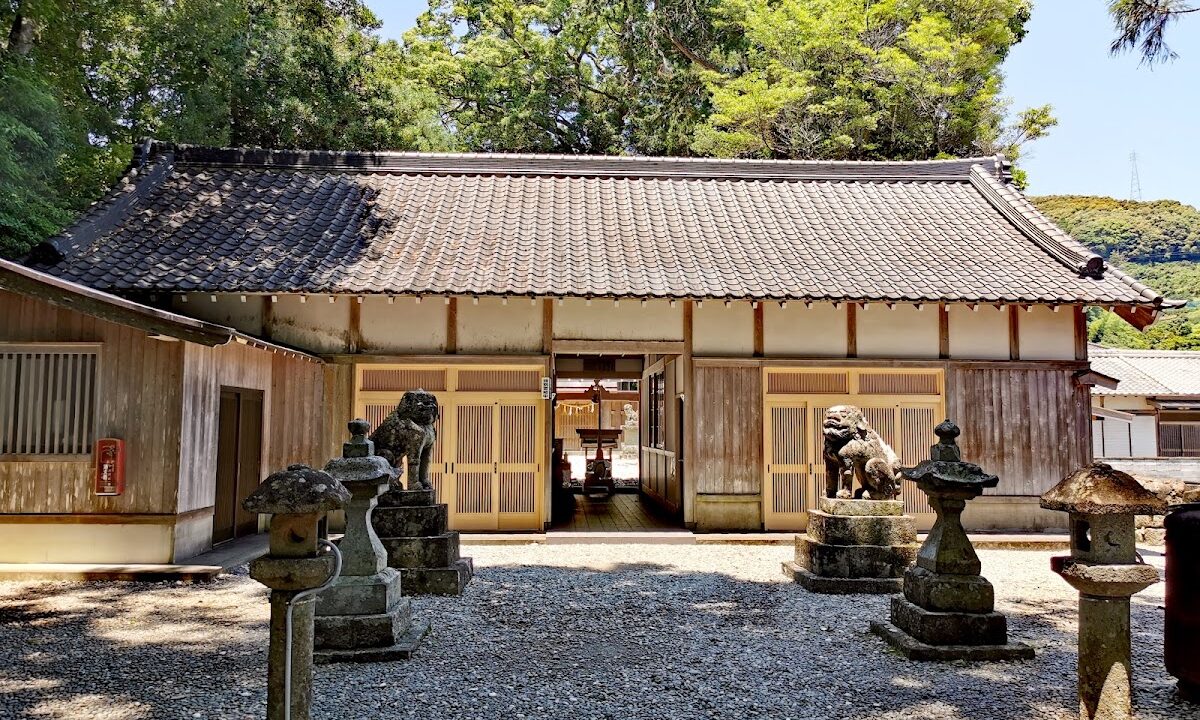
The current shrine building is in the Shinmei-zukuri style and was rebuilt in 1929 (Showa 4). The simple yet solemn atmosphere of the shrine gives visitors a sacred impression.
Benefits and Etiquette of Worship at Uta Shrine
Main Benefits
Uta Shrine, as its name suggests, is known for its benefits related to “birth” (ubu).
- Prayer for Safe Childbirth – Praying for the safety of those expecting a baby
- Prayer for Conception – Many couples praying for children visit
- Protection for Child-Rearing – Praying for the healthy growth of children
- Matchmaking – Seeking to benefit from the power to create new life
The Legend of the White Stones
There is a unique legend at Uta Shrine. It is said that if a couple who has conceived a child visits Uta Shrine and picks up a white stone laid out in front of the shrine while facing away from it, the shape of the stone will reveal the gender of the child.
- Round Stone – A girl will be born
- Long, Narrow Stone – A boy will be born
This custom continues to this day, and many pregnant women can be seen visiting and picking up stones.
Grand Festival and Houhan
The Grand Festival of Uta Shrine is held every year on January 10th. At this festival, bone-in saury called “Houhan” is offered to the gods as a prayer for safe childbirth and successful child-rearing. This is a unique custom of the Kumano region, reflecting the deep-rooted faith of the community.
Goshuin (Shrine Seal) and Goshuincho (Shrine Seal Book) Information
About Goshuin
You can receive a Goshuin at Uta Shrine. It is typically a simple yet powerful calligraphic inscription of “Uta Shrine” with the shrine’s seal stamped on it.
Goshuin Reception Information:
- Reception Location – Shrine Office (Prior confirmation is recommended as the priest may be absent)
- Reception Hours – Approximately 9:00 AM to 4:00 PM (approximate)
- Offering Fee – Approximately 300 to 500 yen
*Please note that the priest may be absent, so if you definitely want a Goshuin, it is recommended to call ahead to confirm.
Goshuincho (Shrine Seal Book)
For information on Uta Shrine’s original Goshuincho, please inquire at the shrine office. When visiting shrines in the Kumano region, collecting Goshuin (stamps) from places like the Kumano Sanzan and Hana-no-Iwaya Shrine is one of the pleasures of the trip.
Highlights of the Shrine Grounds
Shrine Building
The Shinto shrine building, built in the same style as Ise Grand Shrine, exudes a simple yet sacred atmosphere. Since its reconstruction in 1929 (Showa 4), it has been carefully preserved by the local people.
White Stone Path
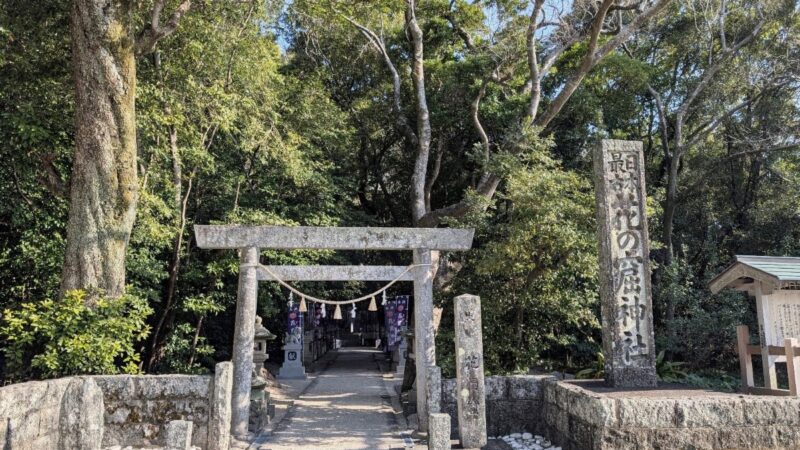
The path in front of the shrine is covered with white gravel, and there is a custom of picking up stones from it while facing backward. These white stones hold special meaning for worshippers and symbolize prayers for safe childbirth.
Atmosphere of the Shrine Grounds
The grounds of Uta Shrine are small but offer a tranquil space surrounded by ancient trees. It is a beloved place for many worshippers, offering a respite from the hustle and bustle of the city and a chance to reflect on the age of mythology.
Detailed Information
Basic Information
Shrine Name: Ubuta Shrine
Location: 1814 Arima-cho, Kumano City, Mie Prefecture 519-4324
Deities Enshrined: Izanami-no-Mikoto, Kagutsuchi-no-Mikoto
Shrine Rank: Village Shrine
Annual Festival Date: January 10th (Grand Festival)
Visiting Hours: 24-hour worship available (Shrine office open approximately 9:00 AM to 4:00 PM)
Admission Fee: Free
Parking: Available (Free, several spaces)
Inquiries: Kumano City Tourism Association TEL: 0597-89-0100
Access Method
Access by Train:
- Approximately 15 minutes on foot from JR Kisei Main Line “Arii Station”
- Approximately 10 minutes by car from JR Kisei Main Line “Kumano City Station”
Access by car:
- Approximately 5 minutes from Kumano-Owase Road “Kumano-Otomari IC”
- Approximately 3 minutes by car from Hananoiwaya Shrine along National Route 42
Access by bus:
- Immediately after alighting at the Mie Kotsu Bus “Sata Shrine Mae” bus stop
Parking Information
Sata Shrine has a free parking lot. While the capacity is limited to only a few cars, parking is usually not a problem. During major festivals and other events, congestion is expected, so please consider using public transportation.
Nearby Tourist Attractions
Hananoiwaya Shrine (within walking distance)
Located approximately 15 minutes on foot and 3 minutes by car from Sata Shrine, Hananoiwaya Shrine is a shrine where a massive rock face, believed to be the mausoleum of Izanami-no-Mikoto, serves as the sacred object of worship. Registered as part of the World Heritage Site “Sacred Sites and Pilgrimage Routes in the Kii Mountain Range,” it is recommended to visit it together with Uta Shrine.
Shishiiwa (Lion Rock)
Located very close to Hana-no-Iwaya Shrine, Shishiiwa is a gigantic, strangely shaped rock resembling a lion roaring towards the sea. Designated as a National Scenic Spot and Natural Monument, it is one of Kumano City’s representative landscapes.
Onigajo (Demon Castle)
Onigajo, stretching along the coastline of Kumano City, is a scenic spot registered as a World Heritage Site. The cliffs and strangely shaped rocks, carved by rough waves, offer a chance to appreciate the beauty of natural formations. It is about a 15-minute drive from Uta Shrine.
Shichiri-Mihama (Seven Ri Beach)
Known as Japan’s longest sandy beach, Shichiri-Mihama stretches for approximately 22 km from Kumano City to Kiho Town. A drive along the beautiful coastline is exceptional.
Points to Note When Visiting Uta Shrine
Recommended Time to Visit
Uta Shrine can be visited throughout the year, but the following times are particularly recommended:
January 10th (Grand Festival): The annual grand festival is held, bringing together local people. This is a valuable opportunity to witness a traditional festival.
Spring (March-May): The mild climate makes visiting easy, and the surrounding nature is beautiful.
Autumn (September-November): The pleasant weather makes it ideal for visiting in conjunction with a walk along the Kumano Kodo pilgrimage route.
Time Required for Visit
Uta Shrine’s grounds are compact, so the visit itself can be completed in about 15-20 minutes. However, if you plan to visit nearby tourist spots such as Hana-no-Iwaya Shrine or Shishiiwa Rock, it’s best to allow 2-3 hours.
Clothing and Items to Bring
There are no specific dress code requirements, but please wear clean clothing appropriate for visiting a shrine. During the summer months, the sun is strong, so we recommend bringing a hat and sunscreen. Also, if you plan to receive a Goshuin (temple/shrine stamp), don’t forget your Goshuincho (stamp book).
The Relationship Between Uta Shrine and Hana-no-Iwaya Shrine
Understanding Uta Shrine, its relationship with Hana-no-Iwaya Shrine is essential.
Hana-no-Iwaya Shrine – The mausoleum (place of death) where Izanami-no-Mikoto was buried after her death.
Uta Shrine – The place where Izanami-no-Mikoto gave birth to Kagutsuchi-no-Kami (place of birth).
These two shrines, while representing contrasting meanings of life and death, birth and end, function as a pair of sacred sites. To deeply understand the myth of Izanami-no-Mikoto, visiting both shrines will allow you to experience a more complete story.
Since both shrines are within walking distance of each other, please visit both if you have the time.
The History of Kumano City and Uta Shrine
Kumano City has flourished since ancient times as one of the centers of Kumano faith. The Kumano Kodo pilgrimage route to the Kumano Sanzan (Three Grand Shrines of Kumano) passes through the area, attracting many pilgrims.
Uta Shrine is considered a source of this Kumano faith. As the setting for the myths of creation of Japan and the gods, it embodies why Kumano is called the “homeland of the gods.”
During the Heian period, members of the imperial family and nobility visited the shrine, and during the Edo period, it became widely known among commoners as a shrine for praying for safe childbirth. Even today, this faith continues to be passed down without interruption.
Photography at Uta Shrine
Photography at Uta Shrine is generally permitted, but please note the following points:
- Please refrain from taking photos inside the shrine.
- Please be considerate of other worshippers.
- Please avoid using flash photography.
- Please assess the surrounding environment before using a tripod.
The white stone-paved path within the shrine grounds and the shrine building surrounded by trees are popular spots for social media photos. However, please remember that this is a sacred place and take photos with respect.
Inquiries about Uta Shrine
Uta Shrine is a small shrine, so there may not be a permanent shrine office. If you would like to inquire about Goshuin (shrine stamps) or prayers, please contact the following:
Kumano City Tourism Association
- TEL: 0597-89-0100
- Business Hours: 9:00 AM – 5:00 PM
Kumano City Tourism, Sports and Exchange Division
- TEL: 0597-89-4111 (Main)
By contacting in advance, you may be able to confirm the priest’s attendance hours.
Recommended Shrines in Mie Prefecture
When visiting Uta Shrine, it is recommended to also visit other famous shrines in Mie Prefecture.
Ise Grand Shrine (Ise City)
Ise Grand Shrine, the most prestigious shrine in Japan, consists of the Inner Shrine (Naiku), which enshrines Amaterasu Omikami, and the Outer Shrine (Geku), which enshrines Toyouke Omikami. It features the same Shinmei-zukuri architectural style as Uta Shrine.
Hana-no-Iwaya Shrine (Kumano City)
As mentioned above, this World Heritage site is a paired shrine with Uta Shrine. It has a unique form, with a massive rock face serving as its sacred object.
Futami Okitama Shrine (Ise City)
This shrine is famous for its Meoto-iwa (Married Couple Rocks) and is believed to bring blessings for matchmaking and marital harmony. There is a tradition of visiting this shrine before visiting Ise Grand Shrine (“Hama-sangu”).
Frequently Asked Questions (FAQ)
Q1: How do you pronounce Uta Shrine?
A: Ubuta Shrine is pronounced “Ubuta Jinja.” “Ubuta” is derived from “Ubudokoro,” meaning the place where a god was born.
Q2: Where can I get a Goshuin (shrine stamp) at Ubuta Shrine?
A: You can get a Goshuin at the shrine office, but the head priest may not always be there. If you want to be sure to get one, we recommend contacting the Kumano City Tourism Association (0597-89-0100) in advance to confirm the priest’s availability.
Q3: Is there parking?
A: Yes, Ubuta Shrine has free parking. While the capacity is limited to only a few cars, it’s usually not a problem. It may be crowded on days with major festivals or other events.
Q4: When is the best time to go for a safe delivery prayer?
A: While prayers for a safe delivery are generally performed on the Day of the Dog in the fifth month of pregnancy, there are no specific date restrictions at Uta Shrine. Please choose a day when you feel well to visit. Formal prayers may also be available if you contact the shrine in advance.
Q5: Can I visit Uta Shrine and Hana-no-Iwaya Shrine together?
A: Yes, Hana-no-Iwaya Shrine is about a 15-minute walk or a 3-minute drive from Uta Shrine. Since the two shrines are related in the myth of Izanami-no-Mikoto, visiting them together is recommended. If you have time, you should also visit Shishiiwa (Lion Rock).
Q6: Is it okay to take a white stone from Uta Shrine?
A: There is a custom of picking up the white stone backwards to predict the baby’s gender, but generally, you should refrain from taking stones from the shrine grounds. After the divination, please return it to its original location or check with the shrine office.
Q7: How do I get there from the nearest station?
A: It’s about a 15-minute walk from JR Kisei Main Line “Arii Station”. It’s about a 10-minute drive from “Kumano City Station,” and taxis are also available. There’s also a Mie Kotsu bus stop, “Uta Shrine Mae,” although the number of buses is limited.
Q8: When is the Uta Shrine Grand Festival?
A: The Uta Shrine Grand Festival is held annually on January 10th. On this day, a traditional Shinto ritual takes place where bone-in saury called “Houhan” is offered as a prayer for safe childbirth and successful child-rearing.
Summary
Uta Shrine is a sacred site that served as the setting for Japanese mythology, and it has a long history dating back to the Yayoi period. As the place where Izanami-no-Mikoto is said to have given birth to the fire god Kagutsuchi-no-Kami, it attracts many worshippers seeking safe childbirth and fertility, and even today, many visitors come to pray there.
As a pair with Hana-no-Iwaya Shrine, this sacred site holds contrasting meanings of life and death, birth and end, offering a precious opportunity to experience the roots of Kumano faith. When visiting the Kumano Kodo World Heritage Site, be sure to also visit Uta Shrine, the setting of this myth.
Uta Shrine is a place where unique traditions still thrive, such as the custom of collecting white stones and the grand festival held on January 10th. It is a must-see spot when visiting Kumano City, Mie Prefecture, and promises a memorable pilgrimage experience.