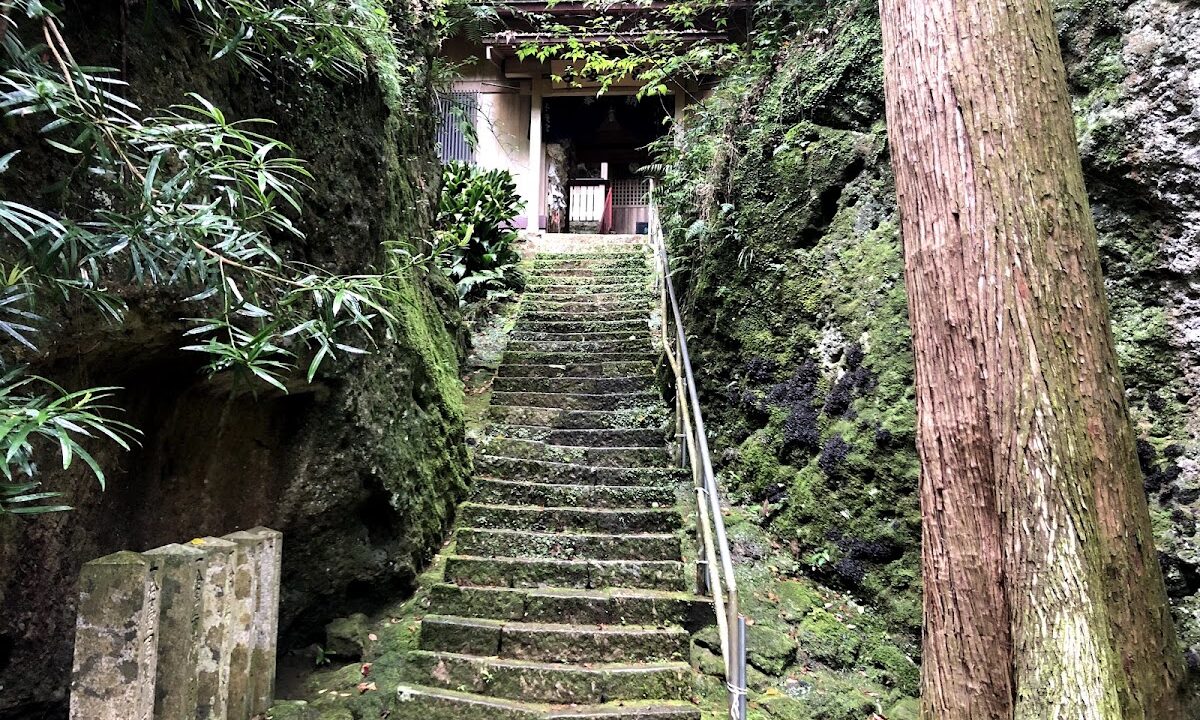
Kannai Shrine (Mie Prefecture) Complete Guide: History, Benefits, and Access Information Explained in Detail
Kannai Shrine, located in Mie Prefecture, is a shrine that has been cherished by the local people for centuries. This article comprehensively provides useful information for those considering visiting Kannai Shrine, including its historical background, enshrined deities and benefits, highlights of the grounds, access methods, and annual events.
What is Kannai Shrine?
Kannai Shrine (also known as Jinnai Jinja or Jinnai Jinja) is a shrine located in Mie Prefecture with a long history as a guardian deity of the region. The place name “Kannai” is said to originate from a word meaning the inside of a shrine, or a sacred area, suggesting that it has been revered as a sacred place since ancient times.
Mie Prefecture is known as the “Land of the Gods,” with numerous shrines scattered throughout, most notably Ise Grand Shrine. Among them, Kannai Shrine has served as a place of faith rooted in the community, a spiritual anchor for parishioners and visitors.
History and Origins of Kannai Shrine
Founding History
While there are no clear records regarding the founding date of Kannai Shrine, local traditions and historical documents suggest it dates back to a very ancient period. Like many shrines in Mie Prefecture, it is presumed to have been founded during the ancient to medieval period as a place to pray for abundant harvests and peace in the region, alongside the development of local settlement and agriculture.
Historical Changes
Kannai Shrine has experienced various changes throughout history. While it may have been affected by warfare during the Sengoku period, it was established as a local tutelary shrine during the Edo period, and after the Meiji Restoration’s separation of Shinto and Buddhism, it reached its current form.
Descriptions of Kannai Shrine can be found scattered throughout local history books and ancient documents, confirming its important role in the local community. Especially in areas where agriculture was thriving, the shrine was celebrated with grand events such as the spring harvest festival and the autumn harvest festival, as a place to pray for abundant harvests.
Connections to the Community
Kaminai Shrine has not only served as a religious facility but also as a central hub for the local community. During festivals, local residents participate in preparations, and the shrine has functioned as a place to watch over the growth of children and to pass on local traditional culture.
Deities and Benefits
Deities
The deities enshrined at Kaminai Shrine are determined by the characteristics and historical background of the region. Like many local shrines, the following deities may be enshrined:
- Amaterasu Omikami: The supreme deity of Japanese mythology, also the principal deity of Ise Grand Shrine
- Toyouke Omikami: The deity who presides over food and grains
- Ujigami: The deity who protects the region
- Other Deities: Deities corresponding to the history and beliefs of the region
Due to its geographical location in Mie Prefecture, the home of Ise Grand Shrine, many shrines enshrine Amaterasu Omikami.
Benefits
The benefits you can expect at Kannai Shrine vary depending on the nature of the enshrined deity, but generally, the following benefits are believed to be offered:
- Abundant Harvest and Business Prosperity: Praying for the development of agriculture and commerce
- Family Safety: Praying for the health and peace of the family
- Protection from Misfortune and Good Fortune: Avoiding disaster and improving one’s luck
- Safe Childbirth and Child-Rearing: Praying for the health of mother and child and the healthy growth of the child
- Academic Success: Praying for academic improvement
- Traffic Safety: Praying for safe travels
As the local guardian deity, this shrine accepts all kinds of wishes related to people’s daily lives.
Highlights of the Shrine Grounds
Shrine Building
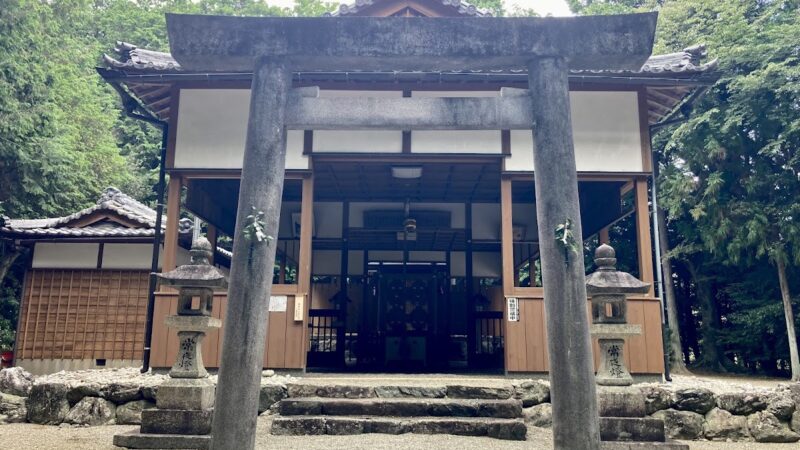
The shrine building of Kannai Shrine exhibits characteristics of local shrine architecture. While not large in scale, the carefully maintained building reflects the faith of the local people.
The main shrine building is constructed in traditional Shinto architectural styles such as Shinmei-zukuri and Nagare-zukuri, and together with the worship hall, it forms a sacred space.
Torii Gate and Approach
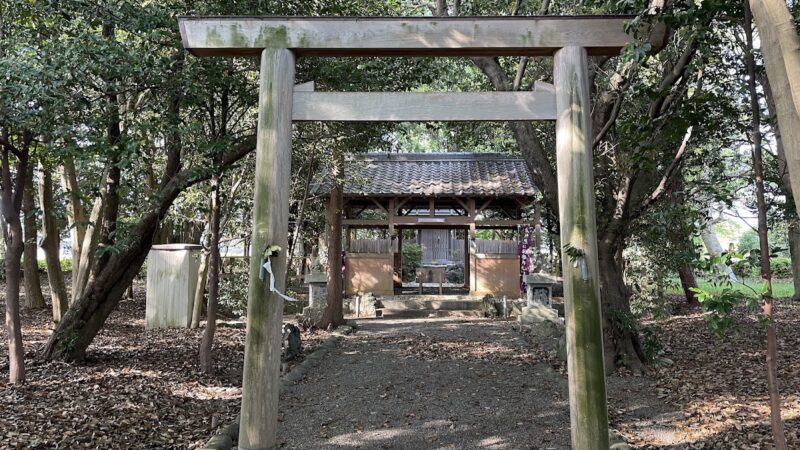
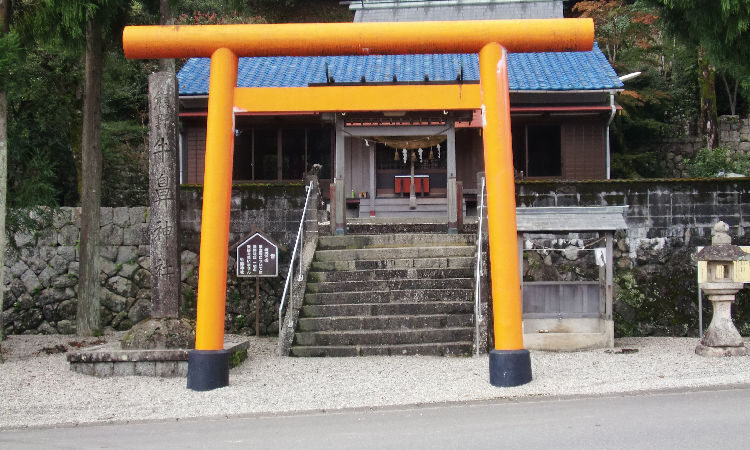
The torii gate, standing at the entrance of the shrine, serves as a boundary separating the secular world from the sacred realm. Passing through the torii gate and proceeding along the approach purifies the heart and prepares one to welcome the gods.
The approach shows a different face with each season. You can enjoy the beauty of each season: fresh greenery in spring, deep green in summer, autumn leaves in fall, and a tranquil atmosphere in winter.
Water Basin
The water basin (chozuya), where you purify your mind and body before worship, is also an important element of visiting a shrine. By purifying your hands and mouth with the correct etiquette, you can face the gods with a pure heart.
Subsidiary Shrines
Several subsidiary shrines (sessha/massha) may be enshrined around the main shrine building. Each shrine enshrines a different deity, and visitors can pray for various blessings.
Sacred Trees and Nature
Many shrines have sacred trees hundreds of years old, and ancient trees may also exist at shrines within the shrine grounds. These trees are living witnesses that have watched over the history of the shrine, and their very existence is revered as sacred.
Etiquette and Manners for Worship
Basic Worship Etiquette
There are certain manners to observe when visiting a shrine. Follow these steps when visiting a shrine:
- Bow before the torii gate: Bow slightly before passing through the torii gate.
- Walk along the edge of the path: The center of the path is considered the path of the gods, so walk along the edge.
- Purify yourself at the water basin:
- Hold the ladle in your right hand and purify your left hand.
- Switch the ladle to your left hand and purify your right hand.
- Switch the ladle back to your right hand, receive water in your left hand, and rinse your mouth.
- Purify your left hand once more.
- Hold the ladle upright and purify the handle.
- Pray in front of the main hall:
- Quietly place your offering in the offering box.
- Ring the bell if there is one.
- Bow twice, clap twice, and bow once.
- Bow again when leaving: Turn around and bow once after leaving the torii gate.
Manners when visiting a shrine
- Attire: Avoid revealing clothing and wear clean attire when visiting the shrine.
- Photography: Photography is often permitted on the shrine grounds, but please refrain from taking photos inside the shrine buildings or in areas where photography is prohibited.
- Quietness: This is a sacred place, so please refrain from speaking loudly or making noise.
- Pets: Please check in advance whether pets are allowed.
Access Information
Location
To find the exact location of Kannai Shrine, you will need to check the specific city or town within Mie Prefecture. Since there may be multiple places named “Kannai” in Mie Prefecture, it is recommended to confirm the exact address before visiting.
Access by Public Transportation
Access to shrines in Mie Prefecture varies greatly depending on the area:
- Train: Take a bus or taxi from the nearest station.
- Bus: Local community buses or regular bus routes may be available.
- Walking: Some shrines are within walking distance from stations or bus stops.
Since public transportation is limited in some areas, it is recommended to check the timetable in advance.
Access by Car
Access by car is often convenient:
- Highway: Take local roads from the nearest interchange.
- Car Navigation: Search by shrine name or address.
- Parking: Parking is often available on the shrine grounds or nearby, but spaces may be limited.
Visiting Hours
Visiting the shrine is generally recommended during daylight hours. You can receive Goshuin (shrine stamps) and amulets during the shrine office’s opening hours (usually 9:00 AM to 5:00 PM).
Annual Events and Festivals
Main Annual Events
At Kannai Shrine, various Shinto rituals and festivals are held throughout the year:
January
- Hatsumode: The most important event to pray for happiness in the new year
- Saitansai: A festival celebrating the new year held on New Year’s Day
February
- Setsubunsai: An event to ward off evil and invite good fortune
- Kinensai: A grand spring festival praying for a bountiful harvest
Spring
- Spring Grand Festival: Celebrating the arrival of spring and praying for a good harvest
Summer
- Natsukoshi no Oharae: A Shinto ritual to purify and cleanse away the sins and impurities accumulated over the past six months
- Natsumatsuri: A lively festival where local people gather
Autumn
- Autumn Grand Festival: The most important festival to express gratitude for the harvest
- Niiname-sai: A festival of thanksgiving where the new harvest is offered to the gods.
Winter
- Toshikoshi no Oharae: A ceremony to purify oneself of the sins and impurities of the past year and prepare for the New Year.
Regional Festivals
In some regions, unique traditional events and festivals are still observed. These offer valuable opportunities to experience local culture, such as lion dances, Kagura (sacred dance), and children’s portable shrines.
Goshuin (Shrine Seals) and Amulets
Goshuin (Shrine Seals)
Goshuin may be available at Kannai Shrine. Goshuin are popular among many worshippers as proof of their visit and as a memento of their trip.
Manners for Receiving a Goshuin (Shrine Stamp):
- Receive the stamp after completing your prayers.
- Prepare a Goshuincho (stamp book) (sometimes available for purchase at the shrine).
- Prepare the offering fee (usually 300-500 yen).
- Visit during the shrine office’s reception hours.
- Request the stamp using polite language.
Amulets and Souvenirs
Kaminai Shrine may offer a variety of amulets and souvenirs:
- Traffic Safety Amulet: Protects the safety of cars and bicycles.
- Academic Success Amulet: Helps improve academic performance.
- Health Amulet: Helps with recovery from illness and maintains good health.
- Exorcism Amulet: Protects against misfortune.
- Matchmaking Amulet: Attracts good relationships.
- Safe Childbirth Amulet: Protects the safety of mother and child.
It is recommended to replace your amulet with a new one every year. Return old amulets to the shrine for burning.
Nearby Tourist Attractions
Charms of Mie Prefecture
When visiting Kannai Shrine, combining your visit with other tourist spots in Mie Prefecture will make your trip even more fulfilling:
Ise Grand Shrine
Ise Grand Shrine, often called the spiritual home of the Japanese people, is a sacred place you must visit when you come to Mie Prefecture. Visiting both the Inner Shrine and the Outer Shrine is highly recommended.
Okage Yokocho & Oharai-machi
This charming town developed as a temple town for Ise Grand Shrine offers a chance to enjoy local delicacies such as Akabuku mochi and Ise udon.
Toba Aquarium
One of Japan’s largest aquariums, where you can enjoy encounters with marine life.
Shima Spain Village
A theme park where you can experience the atmosphere of Spain, popular with families.
Kumano Kodo
A historic pilgrimage route, registered as a World Heritage Site, where you can feel nature and history.
Local Cuisine
Mie Prefecture is blessed with abundant nature and rich in mountain and sea delicacies:
- Matsusaka Beef: World-famous high-grade Japanese beef
- Ise Lobster: A representative of fresh seafood
- Tekone Sushi: A local dish popular among fishermen
- Ise Udon: Thick and soft noodles with a unique texture
- Akabuku Mochi: A classic Japanese confectionary souvenir from Ise
Best Season for Visiting Kannai Shrine
Spring (March-May)
Spring is the perfect season for visiting the shrine, with its beautiful fresh greenery and pleasant weather. The shrine grounds are enveloped in a vibrant atmosphere when the cherry blossoms bloom. It is also the time of the Spring Grand Festival, allowing you to feel the energy of the community.
Summer (June-August)
In summer, the greenery deepens, and the shrine grounds have a cool atmosphere. During the summer festival, you can experience the enthusiasm and traditions of the local people. However, heat protection and insect repellent are essential.
Autumn (September-November)
Autumn is a time of beautiful autumn foliage, and the Autumn Grand Festival, a celebration of gratitude for the harvest, is held. The weather is mild, making it a season to enjoy a leisurely visit.
Winter (December-February)
Winter offers a tranquil atmosphere for worship. While the shrine is bustling with many visitors during the New Year’s period, it is peaceful at other times. Be sure to take proper precautions against the cold.
Visitor Voices and Experiences
Voices of Local People
For the local people, Kannai Shrine is an integral part of their lives. Comments such as, “I’ve been coming here for New Year’s since I was a child,” and “I always visit for important life events like baby blessings and Shichi-Go-San (a traditional Japanese rite of passage for children),” are frequently heard.
Tourist Impressions
Visitors from outside the prefecture have commented, “The quiet and peaceful atmosphere is nice,” “I felt the warmth of a shrine rooted in the community,” and “It has a simple charm that is different from large shrines.”
The Significance and Mindset of Shrine Visits
Why Visit Shrines?
Shrine visits are not simply for sightseeing or making wishes. This place embodies the Japanese spirit and culture, and has the following significance:
- Expressing Gratitude: Expressing gratitude for daily blessings
- Purifying the Mind: Stepping away from daily life and calming the mind
- Self-Reflection: Introspecting in a quiet environment
- Experiencing Traditional Culture: Learning about Japanese history and culture
- Connecting with the Community: Feeling a bond with the local community
Mindset When Visiting a Shrine
When visiting a shrine, it is important to have the following mindset:
- Humility: Be humble before the gods
- Gratitude: Express gratitude, not just making wishes
- Purity: Visit with a clean heart
- Respect: Show respect for the shrine and the local culture
People Supporting the Kannai Shrine
Chief Priests and Other Shinto Priests
Chief priests and other Shinto priests who protect shrines and perform religious ceremonies often have inherited their roles from generations, and they are involved in the operation of the shrine with deep knowledge and faith.
Parishioners and Worshippers
Local parishioners (ujiko) support the shrine by cooperating in its maintenance and the operation of festivals. The shrine is protected by the dedicated efforts of many people, including cleaning activities and festival preparations.
Responsibility to Pass on to Future Generations
Shrines are precious cultural heritage that our ancestors have protected and passed down. Each of us has a responsibility to support the shrine through worship and to pass it on to future generations.
Shrine Worship and Japanese Culture
Basic Principles of Shinto
Shinto is a religion unique to Japan, based on nature worship and ancestor worship. The idea that there are eight million gods and that gods reside in nature is at the root of the Japanese view of nature and aesthetic sense.
Shrines and Local Communities
Shrines are not merely religious institutions; they have historically functioned as centers of local communities. Festivals provide opportunities for local people to gather and serve as venues for the transmission of traditional culture.
The Role of Shrines in Modern Times
In modern society, shrines play a vital role as spiritual havens and places to experience traditional culture. Even amidst urbanization and changing lifestyles, shrines continue to welcome people as an unchanging presence.
Summary: A Recommendation to Visit Kannai Shrine
Kannai Shrine, located in Mie Prefecture, is a precious place with a long history and tradition, deeply rooted in the local community. Unlike large-scale tourist shrines, it offers a simple and warm atmosphere where you can pray in peace.
Through worship, experiencing traditional Japanese culture, purifying your heart, and offering daily gratitude holds great significance for us living in the modern age. When visiting Mie Prefecture, be sure to visit Kannai Shrine and experience the region’s history, culture, and the faith of its people.
Visiting a shrine is not merely sightseeing; it’s a precious opportunity to reflect on yourself and find peace of mind. The time spent in the tranquil grounds will bring you peace and renewed energy.
—
Notes for Visitors:
- We recommend checking the latest opening hours and event schedule in advance.
- The condition of the shrine grounds may change depending on the weather and season.
- Please observe proper etiquette, as this is also a living space for local residents.
- Please take photographs only within permitted areas.
May Kannai Shrine be a place of peace and tranquility for all visitors.