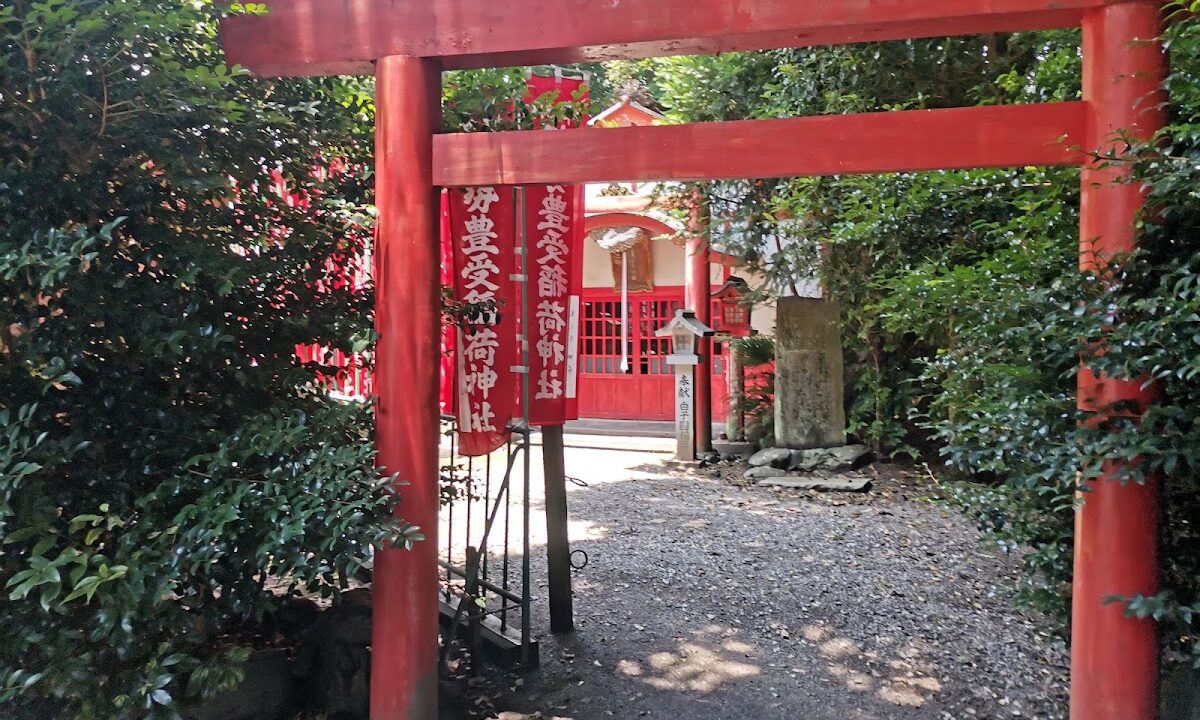
Complete Guide to Minonakamatsubara Shrine (Ise City, Mie Prefecture)
Minonakamatsubara Shrine, located in Iwabuchi, Ise City, Mie Prefecture, is a shrine that has long been revered by local residents in the Yamada district, which flourished as a temple town for the Outer Shrine of Ise Grand Shrine. It is one of the eight tutelary shrines of Yamada and is known as a valuable shrine that maintains a tranquil atmosphere despite its convenient location just a 2-minute walk from Kintetsu Ujiyamada Station.
This article comprehensively introduces information useful for visiting Minonakamatsubara Shrine, including its history, enshrined deities, highlights of the grounds, information on goshuin (shrine stamps), and access methods.
Basic Information on Minonakamatsubara Shrine
Official Name: Minonakamatsubara Shrine
Reading: Minonakamatsubara Jinja
Location: 1-14-25 Iwabuchi, Ise City, Mie Prefecture 516-0037
Former Shrine Rank: Prefectural Shrine
Deities Enshrined: The main deity is Ootoshi-no-kami, and 18 other deities are enshrined, including Wakaikazuchi-no-kami, Oyamatsumi-no-kami, Ukanomitama-no-kami, Hiruko-no-kami, Takehitanagata-no-kami, Takeminakata-no-kami, Kasuga-no-Okami, Yama-no-kami, Itsukishima-no-kami, Yamato-hime-no-mikoto, and Sugawara no Michizane.
Former Names: Ootoshi-sha, Nakamatsubara-sha, Mino-sha, Minonaka-sha
History of Minonakamatsubara Shrine
A Place of Ancient Worship
While the exact founding date of Minokuchi Nakamatsubara Shrine is unclear, it has long been a deeply rooted local shrine dedicated to the deity Otoshi-no-kami. Otoshi-no-kami is the god who presides over abundant harvests and has been devoutly worshipped by people whose lives revolve around agriculture.
Role as one of the Eight Yamada Ubusunagami Shrines
The Yamada district, which developed as a temple town for the Outer Shrine of Ise Grand Shrine, has eight shrines revered as local tutelary deities. These are collectively known as the “Eight Yamada Ubusunagami Shrines.” Minokuchi Nakamatsubara Shrine is one of these, deeply intertwined with the daily lives of the people of Yamada.
Ubusunagami are deities who protect the people born in a particular land, and were the most familiar objects of worship for the local residents. Each of the Eight Yamada Ubusunagami Shrines protects a different region, functioning as a place to pray for the peace and prosperity of its inhabitants.
Changes in Shrine Name
Throughout its history, this shrine has been known by various names. Originally, it was called “Ōtoshi-sha,” bearing the name of its principal deity, Ōtoshi-no-kami. Over time, it was also known as “Nakamatsubara-sha,” “Mino-sha,” and “Minokuchi-sha.”
It is believed that these multiple names were merged to form the current name, “Minokuchi Nakamatsubara Shrine.” This long name reflects the shrine’s history and the process by which multiple beliefs in the region have merged.
Promotion to Prefectural Shrine
In the modern shrine ranking system of the Meiji era, Minokuchi Nakamatsubara Shrine was designated a Prefectural Shrine. A Prefectural Shrine refers to a shrine of high status among those managed by prefectures, signifying official recognition of its importance in the region.
About the Enshrined Deities
Minokuchi Nakamatsubara Shrine enshrines 18 deities, including its principal deity, Ōtoshi-no-kami. This is the result of the integration of surrounding small shrines and subsidiary shrines over a long history, and is also evidence that the shrine has functioned as the center of local faith.
Main Deity: Otoshi-no-kami
Otoshi-no-kami is considered a child of Susanoo-no-Mikoto and is widely worshipped as the god of abundant harvests and industrial development. “Toshi” means grain, especially rice, and the deity has been revered since ancient times as the guardian deity of agriculture. In Ise, a rice-growing region, the worship of Otoshi-no-kami was indispensable to people’s lives.
Other Deities Enshrined
- Wakaikazuchi-no-kami: God of thunder and agriculture, bringing rain
- Oyamatsumi-no-kami: God of mountains, guardian deity of agriculture, fishing, and commerce
- Ukanomitama-no-kami: God of food and business prosperity, known as Inari-sama
- Hiruko-no-kami: God of business prosperity and maritime safety, affectionately known as Ebisu-sama
- Takehinikata-no-kami: Guardian deity of the region
- Takeminakata-no-kami: Deity enshrined at Suwa Grand Shrine, god of martial prowess
- Kasuga-no-Okami: Deities of Kasuga Grand Shrine, god of national peace and security
- Yama-no-kami: Objects of Mountain Worship
- Itsukishima-no-kami: The deity of Itsukushima Shrine, god of maritime safety and traffic safety
- Yamato-hime-no-mikoto: Princess involved in the founding of Ise Grand Shrine
- Sugawara-no-Michizane: God of learning
- Jigo-sha, Minokuchi-sha, Ai-sha, Kashiwagi-sha, Oda-sha, Kagami-miya: A collection of small local shrines
The presence of these diverse deities indicates that Minokuchi Nakamatsubara Shrine has welcomed worshippers seeking a wide range of blessings, including abundant harvests, business prosperity, academic success, and traffic safety.
Highlights of the Shrine Grounds
Shrine Building
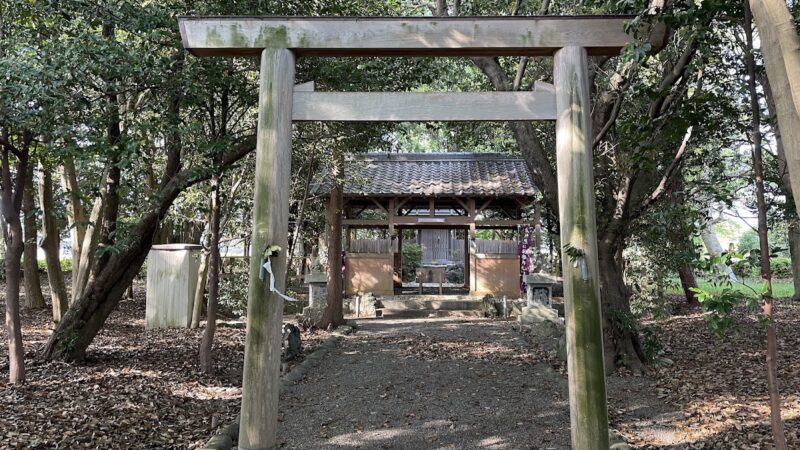
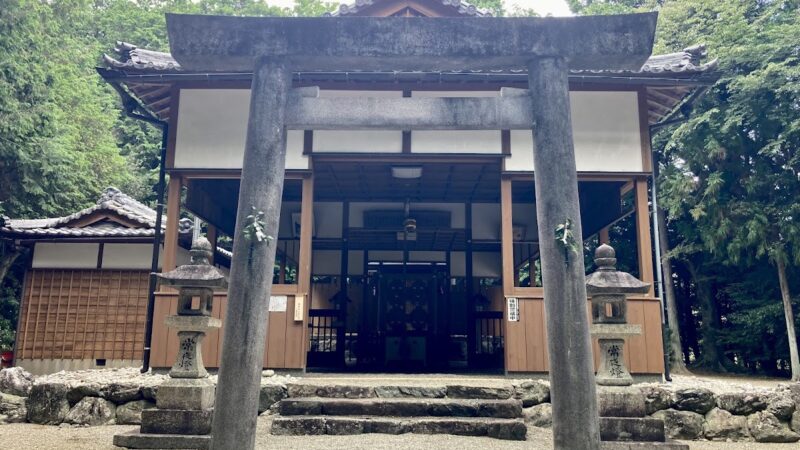
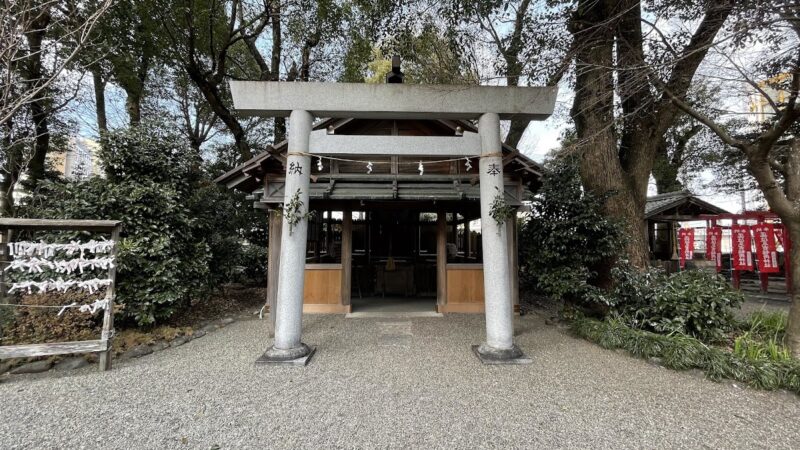
The shrine building of Minokuchi Nakamatsubara Shrine retains the characteristics of traditional shrine architecture in the Ise region. Despite its urban location near a train station, the shrine grounds maintain a quiet and peaceful atmosphere, allowing visitors to escape the hustle and bustle of everyday life and pray in tranquility.
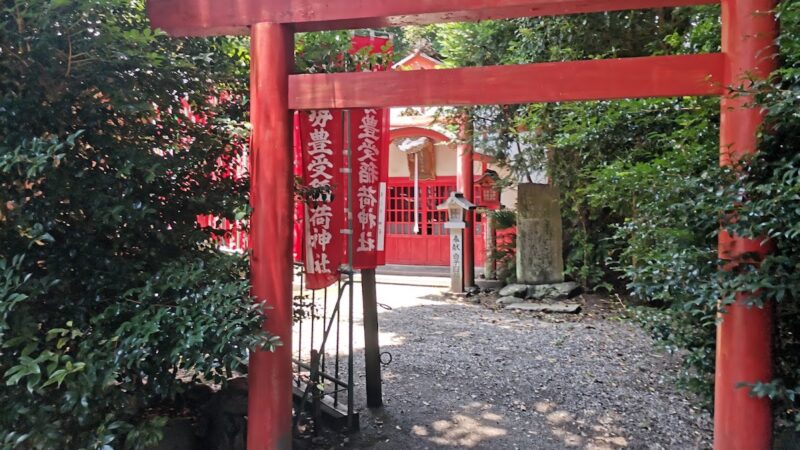
Shrine within the Grounds: Ise Toyouke Inari Shrine
The Ise Toyouke Inari Shrine is located within the grounds. Inari worship is a popular folk belief throughout Japan, praying for business prosperity and abundant harvests, and this shrine within the grounds also enjoys fervent devotion from local residents.
The enshrined deity, Ukanomitama-no-kami, is also worshipped in the main hall, but having a separate shrine building for the Inari Shrine makes it a more accessible object of worship.
Sacred Camphor Tree
A large camphor tree, estimated to be several hundred years old, stands tall within the grounds. This sacred tree is a living witness to the long history of the shrine, and its majestic presence leaves a deep impression on visitors.
Camphor trees have been considered sacred trees since ancient times and have been widely planted on the grounds of shrines. The large camphor tree at Minokuchi Nakamatsubara Shrine is also carefully protected as a symbol of the sacred area.
Atmosphere of the Shrine Grounds
Despite its location just a two-minute walk from Ujiyamada Station, the shrine grounds are enveloped in tranquility. Its convenient location, just across the intersection in front of the station, makes it easily accessible for worship, yet stepping onto the grounds reveals a sacred space far removed from the hustle and bustle of the city.
This contrast symbolizes the role of shrines in modern urban areas, making it a valuable place for those seeking peace of mind in their daily lives.
About Goshuin (Shrine Seals)
Issuance of Goshuin
Minokuchi Nakamatsubara Shrine offers goshuin (shrine seals). Goshuin are popular among worshippers as proof of worship and a tangible representation of their connection to the shrine.
The goshuin includes the calligraphy of “Minokuchi Nakamatsubara Shrine,” the shrine’s seal, and the date of visit. The simple yet dignified design reflects the prestige of a prefectural shrine.
Points to Note When Receiving a Goshuin (Shrine Seal)
Since shrine priests are not always present during certain hours, it is recommended to check the visiting hours in advance if you wish to be sure to receive a goshuin. Also, as a goshuin is proof of your visit, it is proper etiquette to receive it only after completing your prayers.
Please bring your goshuincho (seal book) and make your request respectfully.
Access Information
Access by Train
Minokuchi Nakamatsubara Shrine is easily accessible by public transportation.
From Kintetsu Yamada Line/Toba Line “Ujiyamada Station”
- Approximately 2 minutes on foot (approx. 164m)
- After exiting the ticket gate, cross the intersection in front of the station and you will immediately see the shrine.
From Kintetsu Yamada Line/Toba Line/JR Sangū Line “Ise-shi Station”
- Approximately 6 minutes on foot (approx. 469m)
- Walk towards Ujiyamada Station, and the shrine is right in front of the station.
Access by Car
From Ise Expressway “Ise IC”
- Approximately 10 minutes
- Via National Route 23 to the city center
Parking Information
Since the shrine’s dedicated parking is limited, we recommend using nearby coin parking lots if you are visiting by car. There are several parking lots around Ujiyamada Station.
Nearby Tourist Attractions
Minokuchi Nakamatsubara Shrine is located approximately 1.5km from Ise Grand Shrine’s Outer Shrine, making it ideal to visit in conjunction with a visit to the Outer Shrine. Furthermore, the following are some points of interest around Ise City Station and Ujiyamada Station:
- Ise Grand Shrine Outer Shrine (Toyouke Daijingu): Approximately 15 minutes on foot
- Outer Shrine Approach: Lined with restaurants and souvenir shops
- Sengu Museum: A museum where you can learn about the Shikinen Sengu (periodic rebuilding of the shrine)
- Yamada Magistrate’s Office Memorial Hall: Learn about the history of Ise during the Edo period
Points for Visiting a Shrine
Etiquette for Visiting a Shrine
The basic etiquette for visiting a shrine is as follows:
- Bow before the Torii Gate: Before entering the sacred area, bow lightly before the torii gate.
- Purify at the Water Basin: Purify your left hand, right hand, and mouth in that order.
- Worship at the Main Shrine: Worship using the two bows, two claps, and one bow ritual.
- Visit the Shrines within the Grounds: If you have time, visit the shrines within the grounds as well.
Recommended Visiting Time
Minokuchi Nakamatsubara Shrine is located in front of the station, so you can visit from early morning until evening. The quiet early morning hours, in particular, offer a more sacred atmosphere.
It’s also recommended to visit before or after visiting the Outer Shrine. A good style of worship would be to pay your respects to the local guardian deity before heading to the Outer Shrine, and then visit again afterwards to express gratitude for a safe journey.
Festivals and Events
Minokuchi Nakamatsubara Shrine holds various festivals throughout the year. Especially during the annual festival, local residents gather and traditional Shinto rituals are performed. It is recommended to check the festival dates when you visit or inquire in advance.
Pilgrimage to the Eight Yamada Guardian Shrines
Minokuchi Nakamatsubara Shrine is one of the eight Yamada guardian shrines. Those with ample time are encouraged to try the “Guardian Shrine Pilgrimage,” visiting all eight shrines.
Each of the eight Yamada guardian shrines protects a different area of the Yamada district. By visiting all eight, you can gain a deeper understanding of the history and culture of Yamada, which flourished as a temple town for the Outer Shrine of Ise Grand Shrine.
The shrines are relatively close to each other, making it possible to visit them on foot or by bicycle. By visiting all eight, you can truly feel the depth of faith of the people of Ise who prayed for the protection of their entire region.
Connection to Ise Grand Shrine
Minokuchi Nakamatsubara Shrine is also known as a historical site related to Ise Grand Shrine. One of the main deities enshrined here, Princess Yamato-hime, was a princess deeply involved in the founding of Ise Grand Shrine, demonstrating the historical connection between this region and Ise Grand Shrine.
The Yamada district developed as a temple town for the Outer Shrine, bustling with people serving the shrine and pilgrims. Minokuchi Nakamatsubara Shrine played a crucial role as a tutelary deity supporting the daily lives of these people, within the religious sphere centered around Ise Grand Shrine.
Visiting local shrines like this when visiting Ise Grand Shrine allows one to understand the multifaceted nature of the faith nurtured in the Ise region.
Cultural Properties and Materials
Detailed history and cultural properties of Minokuchi Nakamatsubara Shrine are recorded in documents such as the “Ise City History” and “Shrine Overview.” Furthermore, materials related to the eight tutelary shrines of Yamada can be viewed at the local history museums of Mie Prefecture and Ise City.
Those who wish to learn more about the history of the shrine and its role in the region can gain a richer understanding by referring to these materials. ## Precautions When Visiting a Shrine
Attire and Manners
Shrines are sacred places, so please dress appropriately for worship. Avoid overly revealing clothing or dirty clothing.
Also, please refrain from speaking loudly or running around on the shrine grounds, and worship quietly. Photography is permitted, but please be considerate of other worshippers.
Bringing Pets
Some shrines restrict the presence of pets. If you plan to bring a pet, it is recommended to check in advance.
Eating and Drinking on the Shrine Grounds
Please refrain from eating and drinking on the shrine grounds. Eating and drinking are strictly prohibited, especially in sacred areas such as in front of the main hall.
Summary
Minokuchi Nakamatsubara Shrine is conveniently located just a 2-minute walk from Ujiyamada Station in Ise City, Mie Prefecture, yet it continues to preserve its long history and traditions. This shrine, with Ōtoshi-no-kami as its principal deity and enshrining 18 other gods, has long been revered by local residents as one of the eight tutelary shrines of Yamada.
When visiting Ise Grand Shrine, be sure to also visit Minokuchi Nakamatsubara Shrine, the tutelary shrine of this region, and experience the multifaceted world of faith nurtured in the land of Ise. While conveniently located near the station, the shrine grounds are filled with a quiet and sacred atmosphere, offering a peaceful and tranquil experience.
Goshuin (shrine stamps) are also available; please consider receiving one as a memento of your visit and a tangible symbol of your connection to the shrine.
Enjoy your visit to Minokuchi Nakamatsubara Shrine while feeling the history of faith rooted in the land of Ise.