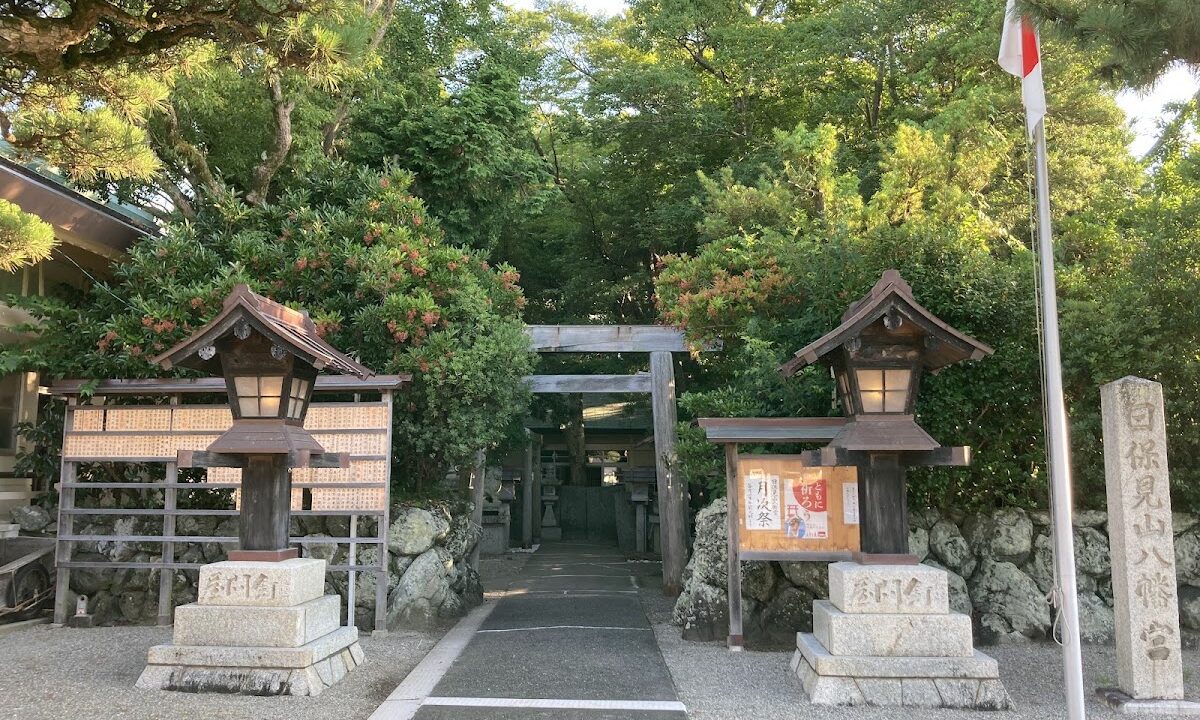
Complete Guide to Hihomiya Hachimangu Shrine (Ise City, Mie Prefecture) | Thorough Explanation of History, Deities, and Shrine Grounds Highlights
Hihomiya Hachimangu Shrine, located in Ōminato-chō, Ise City, Mie Prefecture, is a historical shrine that has been revered by the local people as the tutelary deity of the Ōminato area since ancient times. As the guardian deity of Ōminato, a port town near the Outer Shrine of Ise Grand Shrine, it has attracted the faith of people who live and breathe the sea.
This article provides a detailed explanation of everything you need to know before visiting Hihomiya Hachimangu Shrine, including its history, enshrined deities, shrine grounds highlights, annual events, and access methods.
What is Hihomiya Hachimangu Shrine?
Hihomiya Hachimangu Shrine is a shrine located at 786 Ōminato-chō, Ise City, Mie Prefecture, and is a Hachiman faith shrine with Emperor Ōjin as its main deity. Ōminato has flourished since ancient times as a port town close to the Outer Shrine of Ise Grand Shrine, and our shrine has played an important role as the central shrine of the region.
The shrine’s name, “Hibomiyama,” has a deep meaning. It means “Sun-Viewing Mountain” or “Tide-Viewing Mountain,” referring to a mountain used to observe the weather and tides before setting sail. This name reflects the geographical characteristics of the port town of Ōminato and tells the story of the region’s history, deeply intertwined with maritime transport.
History of Hibomiyama Hachimangu Shrine
History of Founding
Since detailed records of our shrine’s founding are not available, the exact founding date is unknown. However, there is a record of a plaque bearing the inscription “Iwashimizu Hachimangu Shrine,” handwritten by Emperor Go-Yōzei (reigned 1588-1611), being preserved as a treasure, suggesting that it was an old shrine existing at least before the Azuchi-Momoyama period.
Iwashimizu Hachimangu Shrine, located in Yawata City, Kyoto Prefecture, is one of the head shrines of all Hachimangu shrines nationwide. The deep connection our shrine had with this historically significant shrine is evident from the calligraphy of Emperor Go-Yōzei himself. The existence of this treasure indicates that our shrine was a prestigious shrine with long-standing ties to the imperial court.
As the Guardian Deity of Ōminato
Hibomiyama Hachimangu Shrine has long been revered by the local people as the guardian deity of Ōminato. A guardian deity is the protector of a land, believed to protect those born in that land throughout their lives. Having grown alongside the development of the port town of Ōminato, our shrine has received various wishes from the local people, including prayers for safety at sea, abundant catches, and business prosperity.
Changes in the Shrine’s Name
Traditionally, our shrine was simply called “Hachimangu” or “Ōminato Hachimangu.” In July 1871 (Meiji 4), the shrine was renamed “Hibomiyama Hachimangu,” taking its old place name. This renaming was part of the Meiji government’s reorganization of the shrine system, resulting in a unique name that reflected the characteristics of the region.
As mentioned earlier, the name “Hibomiyama” means “weather-watching mountain” or “tide-watching mountain,” indicating that it was a lookout point where sailors checked the weather and tides. This name symbolizes the deep connection between the history of the port town of Ominato and our shrine.
Changes since the Meiji Period
Due to the Meiji-era shrine consolidation policy, several surrounding shrines were merged into our shrine. These merged shrines include Inari Shrine, Yahashira Shrine, Mase Shrine, Sugawara Shrine, Hiyori Shrine, Minokuchi Shrine, Suhara Taisha, and Ima Shrine. The beliefs and histories of these shrines were also inherited by Hibomiyama Hachimangu.
Through this consolidation, our shrine developed from a simple Hachiman worship shrine into a comprehensive shrine that integrated various regional beliefs. The deities enshrined at each individual shrine were also incorporated, resulting in a shrine with a wider range of divine virtues.
Enshrined Deities
Main Deity
The main deity enshrined at Hifumiyama Hachimangu Shrine is Emperor Ōjin. Emperor Ōjin was the 15th Emperor of Japan and is enshrined as Hachiman-sama at Hachiman shrines throughout the country. He is revered as a god of military fortune and national protection, and is also worshipped as a god of culture and learning.
It is said that Emperor Ōjin was born in Tsukushi (present-day Fukuoka Prefecture) on the return journey of his mother, Empress Jingū, from her conquest of the Three Kingdoms of Korea. Due to his bravery and virtue, he later became an object of syncretism of Shinto and Buddhism as Hachiman Daibosatsu, and was particularly devoutly worshipped as a guardian deity of samurai families.
Deities Enshrined Together
Due to the shrine consolidation during the Meiji period, the deities of the following shrines are also enshrined here:
- Deity of Inari Shrine: Ukanomitama-no-kami – God of abundant harvests and business prosperity
- Deity of Yahashira Shrine: Enshrines multiple deities
- Deity of Mase Shrine: Guardian deity of horses
- Deity of Sugawara Shrine: Sugawara no Michizane – God of learning
- Deity of Hiyori Shrine: God of safe voyages and weather
- Deity of Minokuchi Shrine: Guardian deity of the region
- Deity of Suhara Grand Shrine: Deities of ancient local shrines
- Current Deities of this Shrine: Guardian Deities of the Region
With these diverse deities enshrined, Hifumiyama Hachimangu Shrine is a shrine with a wide range of divine blessings, including military success, academic achievement, business prosperity, safe voyages, and abundant harvests.
Highlights of the Shrine Grounds
Shrine Buildings
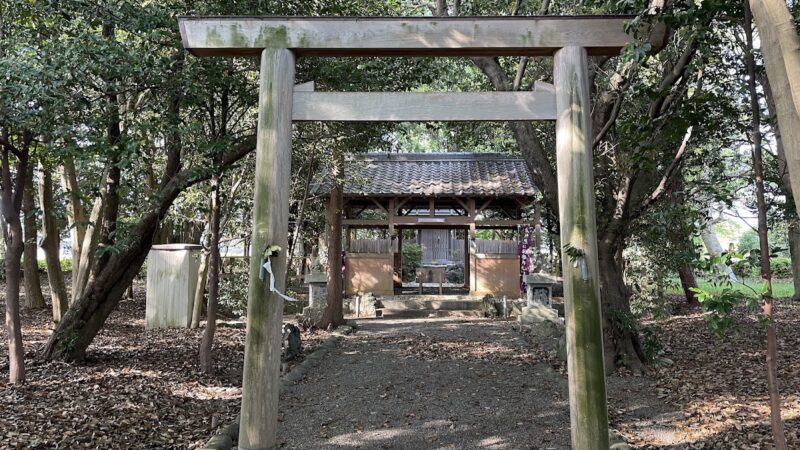
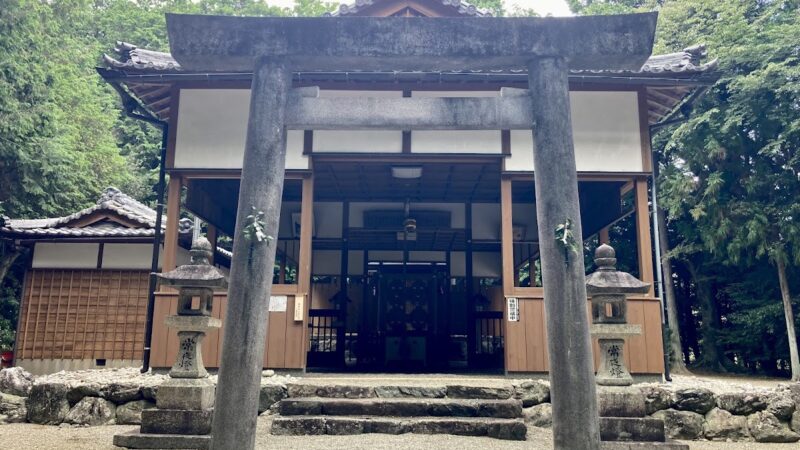
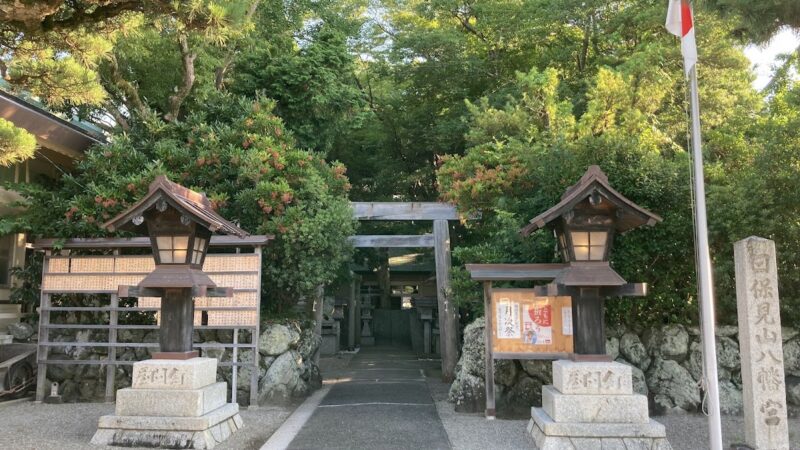
The shrine buildings of Hifumiyama Hachimangu Shrine maintain the traditional style of shrine architecture while serving as the center of local faith. The main hall, worship hall, and torii gate are well-maintained, welcoming visitors.
The shrine grounds are enveloped in a tranquil atmosphere, providing a precious space for peaceful worship amidst the increasing urbanization of Ise City.
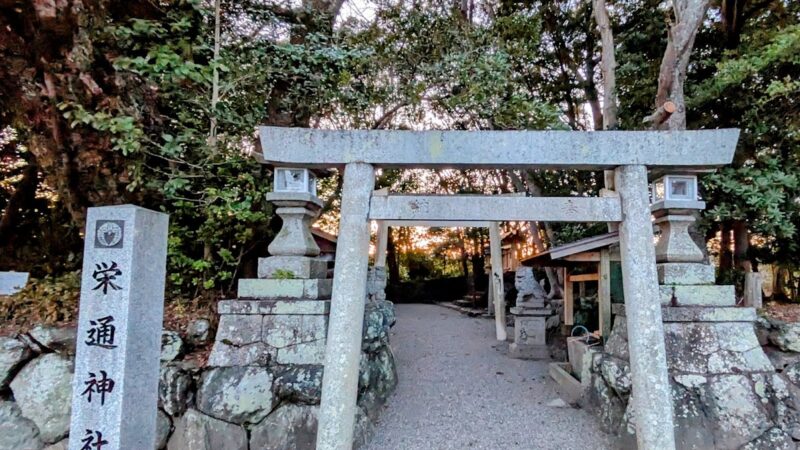
Approach to the Shrine and Torii Gate
The approach to the shrine connects to local roads, creating a familiar space used daily by local residents. Large trees line the left side of the approach, preserving a rich natural environment.
Passing through the torii gate, you can experience a sense of transition from the secular world to a sacred realm.
Yasaka Pine
Within the shrine grounds stands a magnificent pine tree called “Yasaka Pine.” This pine is cherished as a symbol of the region, and its long-term growth speaks to the long history of the shrine.
Yasaka means “to prosper ever more,” a name that embodies the hopes of people for the prosperity and development of the region.
Miae Shrine
Within the shrine grounds also stands a subsidiary shrine called Miae Shrine. Miae Shrine is dedicated to the god of water and is important to Ōminato, a port town. For those involved in shipping and fishing, faith in the god of water was indispensable.
The existence of Miae Shrine indicates that Hibomiyama Hachimangu Shrine encompasses not only Hachiman worship but also a diverse range of beliefs closely tied to the lives of the local community.
Passing Through the Chinowa Ring
Every summer, a Chinowa (a ring made of reeds) is set up. Passing through the Chinowa is part of the Nagoshi no Harae (summer purification ritual), a traditional Japanese event to purify oneself of the impurities accumulated over the past six months and pray for good health and protection from illness for the remaining half of the year.
It is believed that by passing through the Chinowa three times in a figure-eight pattern, one can purify the mind and body and ward off misfortune. Not only local people, but also worshippers from far away visit to participate in the Chinowa-kuguri ritual.
Annual Events
Hibomiyama Hachimangu Shrine holds various festivals throughout the year.
Grand Festival
The Grand Festival, held every autumn, is the most important festival of our shrine. Local people gather, and the town of Ominato is enveloped in the festive atmosphere of the festival, with a portable shrine procession and dedication ceremonies taking place.
Summer Purification Ceremony (Passing Through a Ring of Reeds)
From the end of June to the beginning of July, the Summer Purification Ceremony is held. A ring of reeds is set up, and worshippers pass through it to purify themselves of the impurities accumulated over the past six months and pray for health and happiness for the remaining half of the year.
New Year’s Visit
At the start of the new year, many local residents visit the shrine for their first shrine visit of the year, praying for peace and happiness throughout the year. As the tutelary shrine of Ominato, it is an indispensable New Year’s event for the local people.
Goshuin (Shrine Seals) and Other Items
Goshuin (shrine seals) are available at Hibomiyama Hachimangu Shrine (it is recommended to check the hours in advance).
In addition, items such as amulets and talismans are available, which can be received as a memento of your visit or as daily protection.
Access and Visiting Information
Location
Address: 786 Ominato-cho, Ise City, Mie Prefecture 516-0001
Phone Number: 0596-36-1874
Transportation Access
Access by Train
- Approximately 15-20 minutes on foot from Kintetsu Yamada Line “Isuzugaoka Station”
- Approximately 15 minutes by taxi from JR Sangū Line/Kintetsu Yamada Line “Ise-shi Station”
Access by Car
- Approximately 10 minutes from Ise Expressway “Ise-Nishi IC”
- Approximately 5 minutes from Ise Jingu Outer Shrine
Parking
There is parking space for visitors on the shrine grounds (spaces are limited, so it may be crowded during festivals).
Visiting Hours
The shrine grounds are generally open for free visits. However, the hours for receiving Goshuin (shrine stamps) at the shrine office may be limited, so it is recommended to check in advance.
Nearby Attractions
Ise Grand Shrine Outer Shrine (Toyouke Daijingu)
Located about a 5-minute drive from Hibomiyama Hachimangu Shrine, the Ise Grand Shrine Outer Shrine is one of Japan’s most representative shrines. When visiting Ise Grand Shrine, be sure to also visit Hibomiyama Hachimangu Shrine.
The Townscape of Ominato
Ominato is an ancient port town, retaining a historical atmosphere. You can enjoy a stroll through the town in conjunction with your shrine visit.
Shihoya Shrine
Shihoya Shrine, a subsidiary shrine of the Ise Grand Shrine Outer Shrine, is also nearby and can be visited together.
The Charm of Hibomiyama Hachimangu Shrine
A Faith Rooted in the Community
The greatest charm of Hibomiyama Hachimangu Shrine is its long-standing reputation as the tutelary deity of Ominato, attracting a deep-rooted community faith. Unlike touristy shrines, it remains a cherished place of daily worship for the local people.
Shrine Name that Conveys the History of a Port Town
The shrine’s name, “Hibomiyama,” means a mountain where one can observe the weather and tides for setting sail, conveying the history and culture of the port town of Ōminato to the present day. This unique name is a distinctive feature of our shrine, unlike other Hachiman shrines.
Diverse Divine Virtues
Due to the consolidation of shrines during the Meiji period, our shrine now enshrines not only Hachiman but also Inari, the god of learning, the god of safe voyages, and other diverse deities. It is revered as a shrine that grants various wishes.
Tranquil Worship Environment
Despite being close to Ise Grand Shrine, it is rarely crowded with tourists, maintaining a quiet environment for worship. It is a precious space where one can calmly face the gods.
Worship Manners
When visiting a shrine, please observe the following basic manners:
- Bow before the Torii Gate: The torii gate is the entrance to the sacred area. Bow before passing through it.
- Walk along the edge of the approach to the shrine: The center of the approach is considered the path for the gods.
- Purify yourself at the water basin: If there is a water basin, purify your hands and mouth before praying.
- Two bows, two claps, one bow: In front of the main hall, bow twice, clap your hands twice, and finally bow once.
- Pray quietly: This is a sacred place, so pray quietly and with sincerity.
Summary
Hibomiyama Hachimangu Shrine is a historic shrine located in Ōminato-chō, Ise City, Mie Prefecture. It has long been revered by the local people as the tutelary deity of Ōminato. The fact that a plaque bearing the inscription “Iwashimizu Hachimangu,” handwritten by Emperor Go-Yōzei, is preserved as a treasure demonstrates its ancient history and high status.
The shrine’s name, “Hibomiyama,” means “Sunny Day Mountain” and “Tide-Watching Mountain,” and is deeply connected to the history of the port town of Ōminato. While Emperor Ōjin is the principal deity, the shrine also enshrines the deities of many other shrines due to the Meiji-era consolidation of temples, resulting in a shrine with diverse divine virtues.
Within the grounds, there are points of interest such as the Yasaka Pine and the Mizue Shrine, and in summer, a ritual of passing through a straw ring is held. Despite its proximity to the Outer Shrine of Ise Grand Shrine, it maintains a tranquil environment for worship, making it a shrine where one can pray with peace of mind.
When visiting Ise Grand Shrine or Mie Prefecture, be sure to also visit Hibomiyama Hachimangu Shrine. You will be able to experience the deeply rooted faith of the region and the history of the port town.