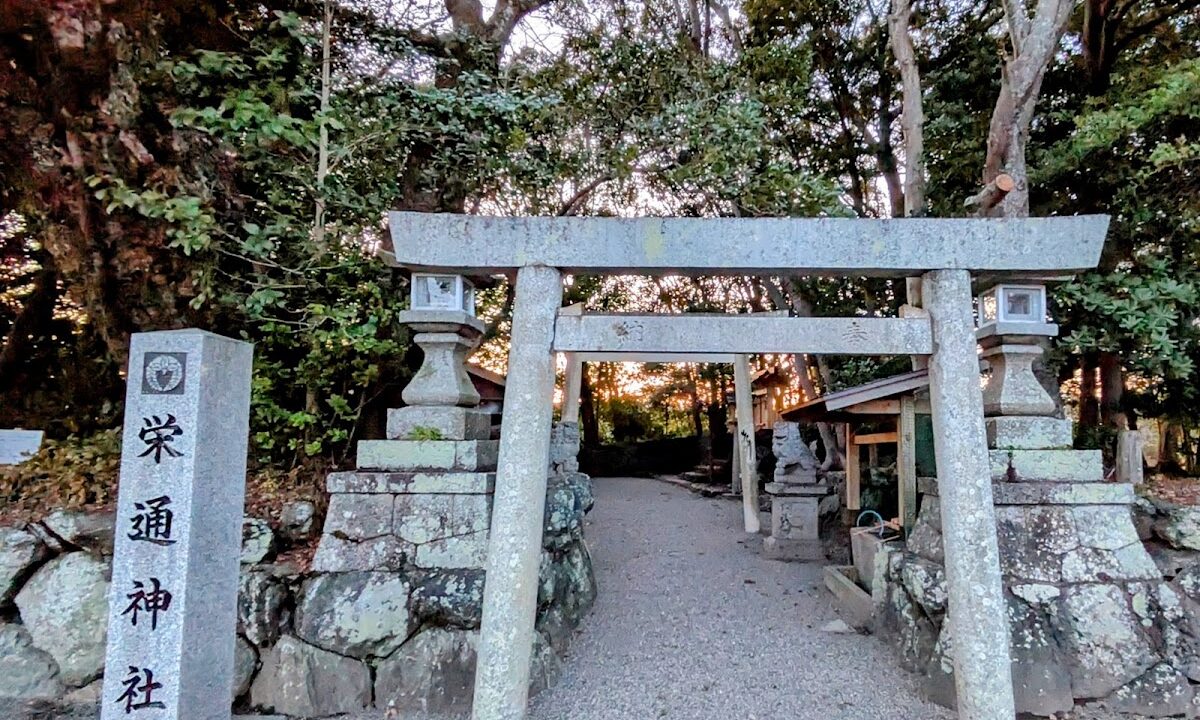
Hamago Shrine (Mie Prefecture) Complete Guide | History, Deities, Goshuin (Shrine Seal), and Access Information
Located in Ise City, Mie Prefecture, Hamago Shrine is a historical shrine that has attracted the faith of the local community due to its location near Ise Grand Shrine. This article provides detailed information useful for those considering visiting Hamago Shrine, including its history, deities, goshuin (shrine seal), worship methods, and access information.
What is Hamago Shrine?
Hamago Shrine (Hamago Jinja) is a shrine located in Ise City, Mie Prefecture, and is affectionately known as “Hamago-san” by local residents. Situated midway between the Outer and Inner Shrines of Ise Grand Shrine, it has long been a popular stop for pilgrims on their way to Ise.
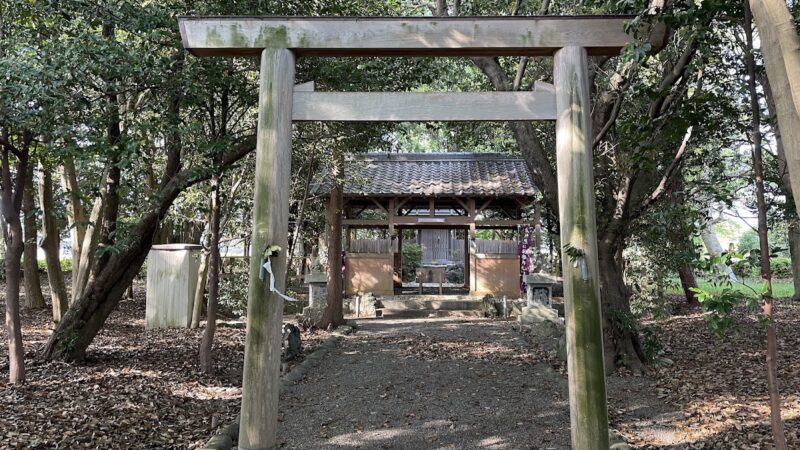
The shrine grounds are enveloped in a tranquil atmosphere, offering a peaceful space away from the hustle and bustle of the city. As the local guardian shrine, it attracts many visitors for important life events such as New Year’s visits, Shichi-Go-San (a traditional rite of passage for children), and exorcisms.
History and Origins of Hamago Shrine
Origin of Founding
There are various theories regarding the founding date of Hamago Shrine, but it is believed to have been located in the Ise region since ancient times. It has deep ties to Ise Grand Shrine and has developed as a center of local faith alongside the history of the Grand Shrine.
The place name “Hamago” is said to originate from the fact that this area was once close to the sea and was a village on the beach. As a region facing Ise Bay, a faith praying for safety at sea and a bountiful catch also developed.
Prosperity in the Edo Period
During the Edo period, “pilgrimages to Ise” became extremely popular among common people, and many pilgrims from all over the country aimed for Ise Grand Shrine. Hamago Shrine, located along the pilgrimage route, also flourished as a shrine visited by many pilgrims.
According to records from that time, it seems to have been used as a place for travelers on the Ise pilgrimage to pray for safe passage and to express gratitude after successfully completing their pilgrimage.
Prosperity in the Edo Period
During the Edo period, “pilgrimages to Ise” became extremely popular among common people, and many pilgrims from all over the country aimed for Ise Grand Shrine. Hamago Shrine, located along the pilgrimage route, also became a bustling shrine where many pilgrims stopped.
According to records from that time, it seems to have been used as a place for travelers on the Ise pilgrimage to pray for safe passage and to offer prayers of gratitude after successfully completing their pilgrimage.
Changes Since the Meiji Era
Due to the reform of the shrine system during the Meiji era, Hamago Shrine was officially recognized as a local shrine. Even after the war, it has been supported by the fervent faith of local residents and has been carefully preserved to this day.
In recent years, its value as a local cultural asset has also been recognized, and preservation activities are underway as an important place that conveys the history of Ise City.
Deities and Divine Virtues
Main Deities
The deities enshrined at Hamago Shrine are mainly those worshipped as guardian deities of the region. Due to its connection with Ise Grand Shrine, there is also worship of deities connected to Amaterasu Omikami.
For specific information on the enshrined deities, we recommend contacting the shrine directly. Traditions may differ depending on the region, and obtaining accurate information from shrine officials is the most reliable method.
Divine Blessings (Benefits)
The main divine blessings that can be received at Hamago Shrine include the following:
- Family Safety: Protection of family health and peaceful living
- Business Prosperity: Prayers for the development and prosperity of business
- Traffic Safety: Safe travel and protection from accidents
- Exorcism: Protection from misfortune and living a pure life
- Academic Success: Improvement of academics and passing examinations
- Maritime Safety: Safety for those involved in fishing and other sea-related work
Due to its location in Ise, many visitors come to pray for overall good fortune and successful relationships.
Highlights of the Shrine Grounds
Main Hall and Worship Hall
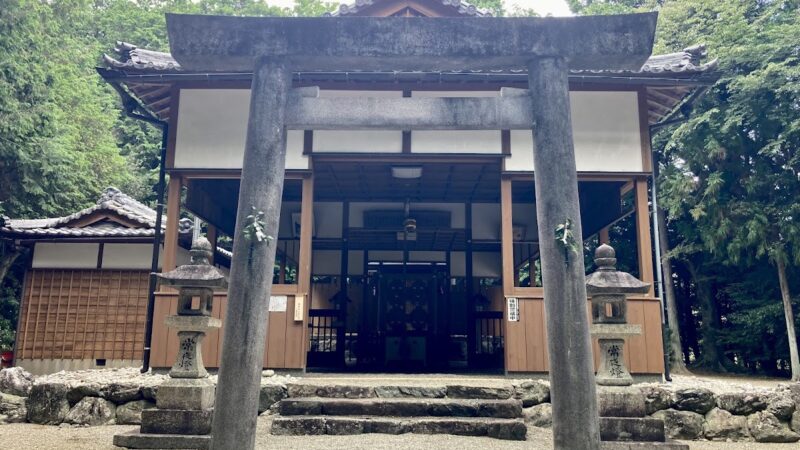
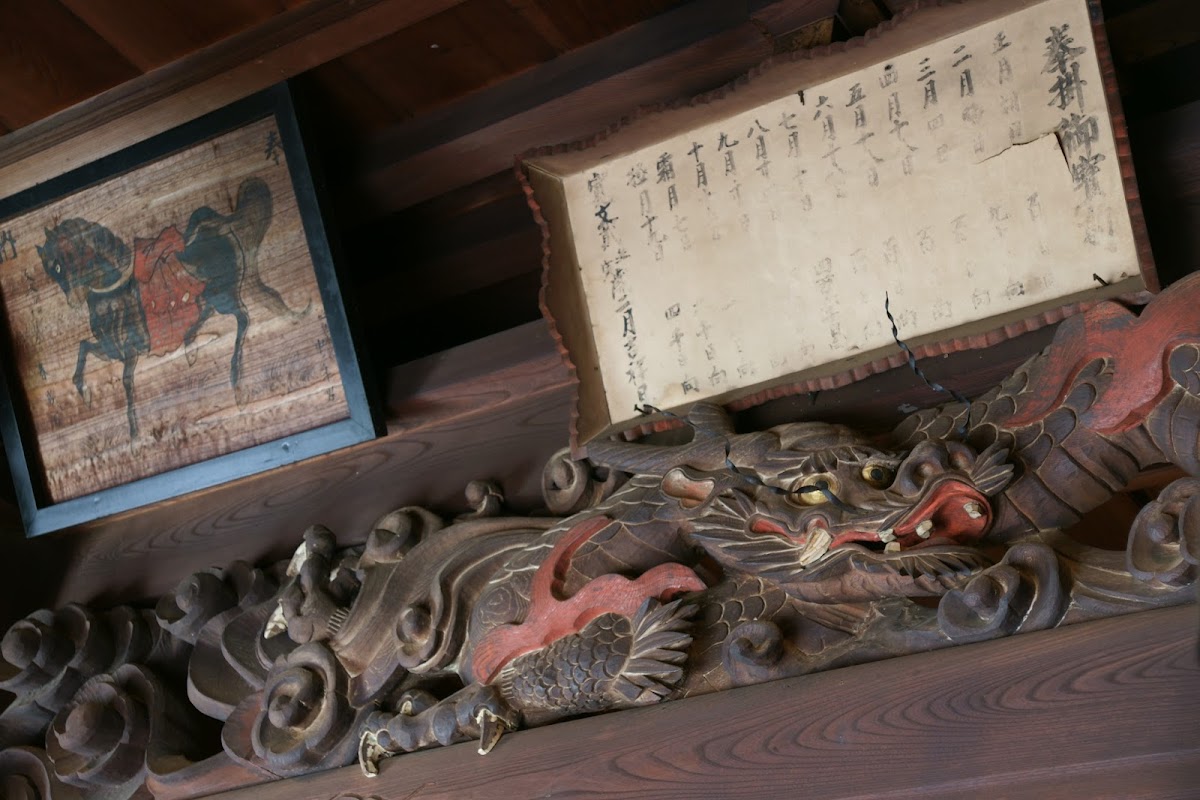
The main hall of Hamago Shrine maintains a traditional shrine architectural style, characterized by its beautiful wooden structure. Visitors can quietly offer prayers in the worship hall.
The architectural style incorporates elements unique to the Ise region, making it a fascinating sight for those interested in shrine architecture.
Shrine Precincts
Several subsidiary shrines (Auxiliary Shrines and Subsidiary Shrines) are enshrined around the main hall. Each enshrines a different deity, catering to various wishes.
Visiting each shrine while exploring the grounds will enhance your pilgrimage experience.
Sacred Trees and Nature
The grounds boast magnificent, ancient sacred trees, creating a sacred atmosphere. The changing seasons and the natural beauty of the grounds are also part of Hamago Shrine’s charm.
You can enjoy the beauty of each season: cherry blossoms in spring, lush greenery in summer, vibrant autumn leaves, and crisp winter air.
Goshuin (Shrine Seal) Information
About Goshuin Receipts
Goshuin can be obtained at Hamago Shrine. Goshuin are popular as proof of worship and as a memento of your trip.
Granting Hours: Grants are usually given during the shrine office’s opening hours. However, since the priest may be absent, it is recommended to contact the shrine in advance if you are certain you will receive a goshuin (shrine stamp).
Offering Fee: Generally around 300-500 yen, but this may change.
Manners for Receiving a Goshuin (Shrine/Temple Stamp)
When receiving a Goshuin, please observe the following manners:
- Always pray first: A Goshuin is proof of your visit, not a stamp rally.
- Prepare a Goshuincho (Shrine/Temple Stamp Book): Use a dedicated Goshuincho, not a notebook or piece of paper.
- Prepare the exact amount: Prepare the offering so that no change is needed.
- Use polite language: Request politely, saying, “May I receive a Goshuin?”
- Waiting posture: Wait quietly while the Goshuin is being written.
Annual Events and Festivals
Main Annual Events
Hamago Shrine holds various Shinto rituals and festivals throughout the year.
January
- New Year’s Day Festival/First Shrine Visit of the Year: The shrine is bustling with worshippers praying for happiness in the new year.
February
- Setsubun Festival: A ritual involving bean-throwing and other ceremonies to ward off evil spirits.
Spring/Autumn
- Grand Festival: The most important festival of the shrine. A grand celebration attended by local residents.
November
- Shichi-Go-San: Many worshippers visit to celebrate the growth of children.
December
- Great Purification Ceremony: A Shinto ritual to cleanse away the impurities of the past year.
Specific dates may vary from year to year; please contact the shrine directly for details.
Special Rituals
Sometimes, unique rituals rooted in the local community or festivals specific to the Ise region are held. These traditions are preserved with the cooperation of local residents.
Worship Methods and Manners
Basic Worship Etiquette
Knowing the correct way to worship at a shrine will allow for a more heartfelt visit.
Before Passing Through the Torii Gate
- Bow lightly before entering the shrine grounds.
- Walk along the edge of the path, as the center is the path for the gods.
How to Purify Yourself at the Water Basin
- Hold the ladle in your right hand and purify your left hand.
- Switch the ladle to your left hand and purify your right hand.
- Switch the ladle back to your right hand, receive water in your left hand, and rinse your mouth.
- Purify your left hand once more.
- Hold the ladle upright, purify the handle, and return it to its original position.
Worship at the Main Hall
- Gently place your offering in the offering box.
- Ring the bell if there is one.
- Perform the two bows, two claps, and one bow (bowing deeply twice, clapping twice, bowing deeply once).
- Recite your wish silently in your heart.
Regarding Attire
It is acceptable to visit in everyday clothes, but please note the following:
- Aim for clean and presentable attire.
- Avoid revealing clothing.
- For formal prayers, please wear formal attire if possible.
- Remove hats and sunglasses in front of the main hall.
Access Information
Location
Address: Ise City, Mie Prefecture (Please contact the shrine directly for the exact address)
Access by Public Transportation
By Train
- From JR/Kintetsu “Ise-shi Station” or Kintetsu “Ujiyamada Station”:
- Use a local bus or taxi.
- Walking is possible, so allow ample time.
By Bus
- Use Mie Kotsu bus routes.
- A few minutes to ten minutes walk from the nearest bus stop.
- We recommend checking the bus timetable in advance.
Access by Car
From the Expressway
- From Ise Expressway “Ise IC” or “Ise-Nishi IC”
- Take National Route 23 to Ise City.
- Enter the shrine name or address into your car navigation system.
Parking
- We recommend checking in advance whether there is a dedicated parking lot for the shrine.
- There may be coin-operated parking lots nearby.
- During New Year’s visits and festivals, congestion is expected, so consider using public transportation.
Points to Note When Accessing
- If visiting in conjunction with a visit to Ise Grand Shrine, pay attention to your time allocation.
- Roads will be congested during tourist seasons (especially New Year’s, Golden Week, and autumn foliage season).
- Check the latest traffic information before departure.
Nearby Tourist Spots
Ise Grand Shrine (Naiku and Geku)
If you visit Hamago Shrine, be sure to also visit Ise Grand Shrine. Ise Grand Shrine, often called the spiritual home of the Japanese people, consists of the Naiku (Kotai Jingu) and Geku (Toyouke Daijingu), and visiting both is considered the proper procedure.
Order of Visit: Geku → Naiku is considered the proper order.
Okage Yokocho & Oharai-machi
Oharai-machi, which developed as a temple town in front of the Inner Shrine of Ise Grand Shrine, and Okage Yokocho, located in its center, are tourist spots that recreate the streetscape of the Edo period.
- Akabuku Main Store, a famous Ise specialty
- Famous Ise Udon restaurant
- Rows of souvenir shops
- Abundant street food options
Futami Okitama Shrine and Meotoiwa (Married Couple Rocks)
Futami Okitama Shrine, located in Futami-cho, Ise City, is a shrine famous for its Meotoiwa (Married Couple Rocks). Since ancient times, it has been customary to purify oneself at Futamiura before visiting Ise Grand Shrine, and many worshippers still visit today.
- Known for its blessings of matchmaking
- Meotoiwa are a famous spot for sunrises
- Many frog figurines, also believed to bring blessings of “safe return”
Ise-Shima Skyline
A 16.3km long driveway connecting Ise and Toba. From the mountaintop observation deck, you can enjoy a spectacular view of Ise Bay, the Chita Peninsula, and even Mount Fuji (if conditions are right).
Toba Aquarium
This is one of Japan’s largest aquariums, where you can see rare marine life such as dugongs and sea otters. It’s especially recommended for families.
Checklist of Items to Bring When Visiting the Shrine
For a comfortable visit, it’s helpful to prepare the following:
Essential Items
- Small change for offerings
- Goshuincho (stamp book) (if you want to receive a Goshuin stamp)
- Hatsuhoryo (offering fee) (if receiving a Goshuin stamp or prayer)
Useful Items
- Handkerchief/towel (for wiping hands at the purification fountain)
- Camera (if photography is permitted on the shrine grounds)
- Drinks (especially in summer)
- Rain gear (during periods of unpredictable weather)
- Comfortable walking shoes
- Sunscreen/hat (in summer)
- Warm clothing (in winter)
How to Enjoy Visiting Hamago Shrine
Seasonal Attractions
Spring (March-May)
- Particularly beautiful during cherry blossom season
- A refreshing season with lush greenery
- Pleasant weather, ideal for visiting
Summer (June-August)
- The lush green grounds offer a cool and refreshing atmosphere
- Early morning visits are recommended (cool and quiet)
- There may be events such as summer festivals.
Autumn (September-November)
- A season of beautiful autumn foliage
- The annual autumn festival may be held
- Bustling with Shichi-Go-San (children’s festival) visitors
Winter (December-February)
- Visiting in a crisp, clear atmosphere
- Bustling with many visitors for Hatsumode (first shrine visit of the year)
- A magical atmosphere if it snows
Photography Tips
Please observe the following manners when taking photos at the shrine:
- Do not take photos in areas where photography is prohibited, such as inside the main hall
- Be considerate of other visitors
- Refrain from taking photos during Shinto rituals or prayers
- Avoid using flash photography
- When posting on social media, accurately state the location and name of the shrine
Recommended Photo Spots
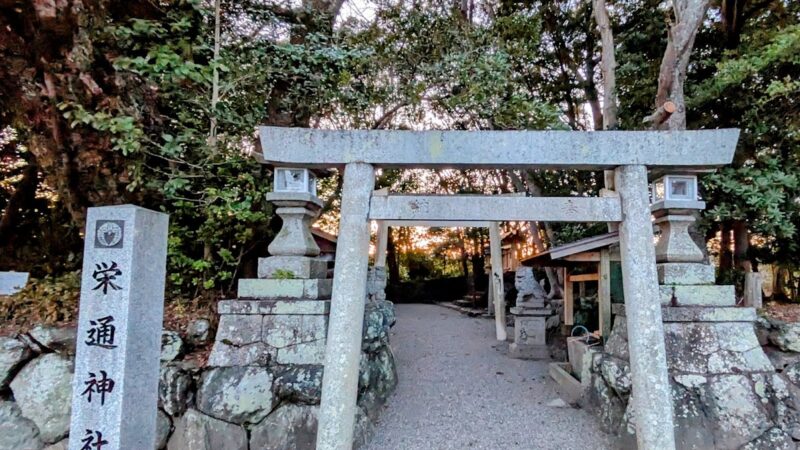
- Torii gate and approach
- In front of the main hall
- Sacred tree
- Seasonal flowers
Ise Pilgrimage and Hamago Shrine
History of Pilgrimage to Ise
During the Edo period, visiting Ise Grand Shrine was a dream for ordinary people, so much so that it was said, “A pilgrimage to Ise should be done at least once in a lifetime.” The pilgrimage was not merely a religious act, but a major event that also included elements of sightseeing and recreation.
The Role of Hamago Shrine
Hamago Shrine, located in the Ise region, is also deeply connected to this culture of the Ise pilgrimage. It has played an important role as the local guardian deity and as a shrine watching over the safety of travelers.
Even today, visiting Hamago Shrine in conjunction with a visit to Ise Grand Shrine allows one to experience a deeper aspect of Ise’s faith and culture.
Frequently Asked Questions
Visiting Hours
Hamago Shrine is generally open to visitors, but the shrine office has limited opening hours. If you wish to receive a Goshuin (shrine stamp) or prayers, it is recommended to inquire in advance.
Generally, visits are possible from early morning to evening, but since the grounds become dark at night, visiting during daylight hours is safer.
About Prayers
You can receive prayers for protection against misfortune, family safety, business prosperity, and more. If you wish to receive prayers, it is recommended to contact the shrine in advance to make a reservation.
Prayer Procedure
- Apply at the shrine office
- Pay the prayer fee
- Receive prayers in the main hall or prayer hall
- Receive amulets or talismans
About Bringing Pets
Rules regarding bringing pets vary by shrine. For Hamago Shrine, it is recommended to check in advance.
Generally:
- Carry your pet or put it in a carrier
- Hold the leash securely
- Always take away pet waste
- Do not bring pets near the main hall
These considerations are required.
Accessibility Information
Please contact the shrine directly to inquire about wheelchair accessibility, the presence of steps, etc. Older shrines often have steps within their grounds, so prior confirmation is important.
Ise’s Food Culture and Gourmet Food Around Hamago Shrine
Ise Specialties
Specialty Dishes You Should Try When Visiting Ise:
Akabukumochi
- A representative confection of Ise
- A simple yet exquisite Japanese sweet: mochi wrapped in sweet bean paste
Ise Udon
- Characterized by its extra-thick, soft noodles
- A rich sauce based on tamari soy sauce
Tekone Sushi
- A local dish originating from fishermen’s cuisine
- Sushi with marinated bonito or tuna on top of vinegared rice
Ise Lobster
- A high-class ingredient from Ise-Shima
- In season from September to April
Matoya Oyster
- Oysters cultivated in Matoya Bay on the Shima Peninsula
- A rich and creamy flavor
Restaurants in the Area
There are many restaurants around Hamago Shrine and in Ise City. Enjoying local flavors before or after visiting the shrine is one of the great pleasures of traveling to Ise.
Accommodation in Ise
Ryokans & Hotels
Ise City offers numerous accommodations convenient for visiting Ise Grand Shrine:
- Ryokans & Hotels near Ise Grand Shrine
- Accommodations with Hot Springs
- Business Hotels
- Guesthouses
Staying overnight allows you to enjoy early morning visits to the shrine or the quiet atmosphere of Ise at night.
Day Trip Hot Springs
There are also day-trip hot spring facilities nearby where you can relax after your pilgrimage. The Ise-Shima area boasts many hot springs that can be enjoyed in conjunction with sightseeing.
Guidelines for Shrine Visits
The Significance of Shrine Visits
Shrine visits are not simply a place to make wishes. They are also an opportunity to express gratitude, purify the heart, and reflect on oneself.
Through a visit to Hamago Shrine:
- Find peace of mind away from the hustle and bustle of everyday life
- Enrich your sensibilities by experiencing nature and history
- Understand local culture and beliefs
- Have time to reflect on yourself
These experiences represent the true value of shrine visits.
Continuous Faith
While a one-time visit is fine, repeatedly visiting in different seasons allows you to feel a deeper connection with the shrine.
Like the locals, visiting Hamago Shrine at significant life events will make it a spiritual anchor for you.
Summary
Hamago Shrine is a deeply rooted local shrine situated in Ise, a land steeped in history and faith. Visiting it in conjunction with a visit to Ise Grand Shrine allows you to experience the richer faith and culture of Ise.
In its tranquil grounds, you can find peace of mind, express gratitude for daily life, and pray for safety and happiness in the future. Hamago Shrine will continue to welcome many people as a place where you can spend such peaceful time.
When you visit Ise, be sure to also visit Hamago Shrine. It will surely be a memorable pilgrimage experience.
Things to check before your visit
- Check the latest visiting hours and event schedule directly with the shrine.
- Check the weather and traffic conditions in advance.
- Observe proper etiquette and show respect during your visit.
- Enjoy sightseeing and local cuisine in the surrounding area for a fulfilling trip to Ise.
May your visit to Hamago Shrine be fruitful.