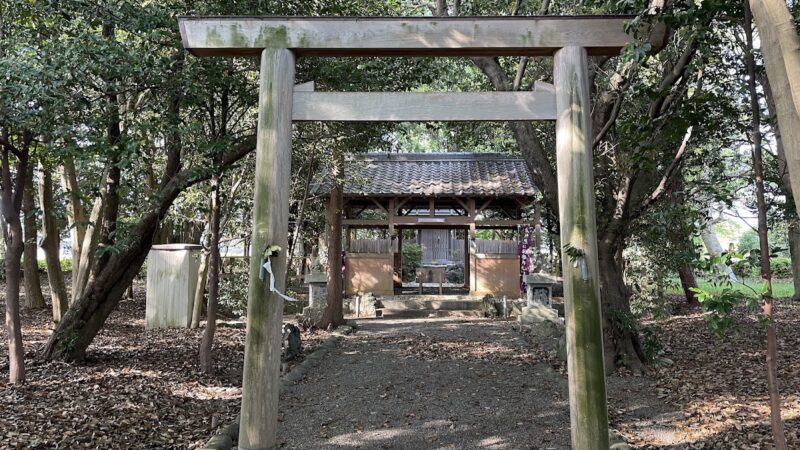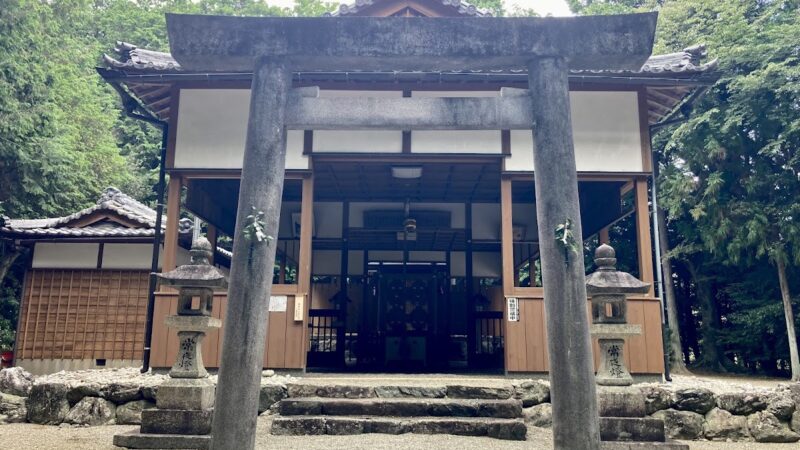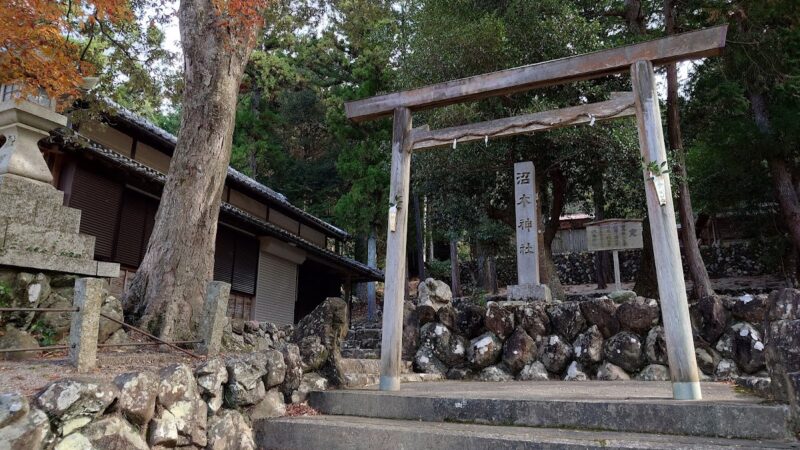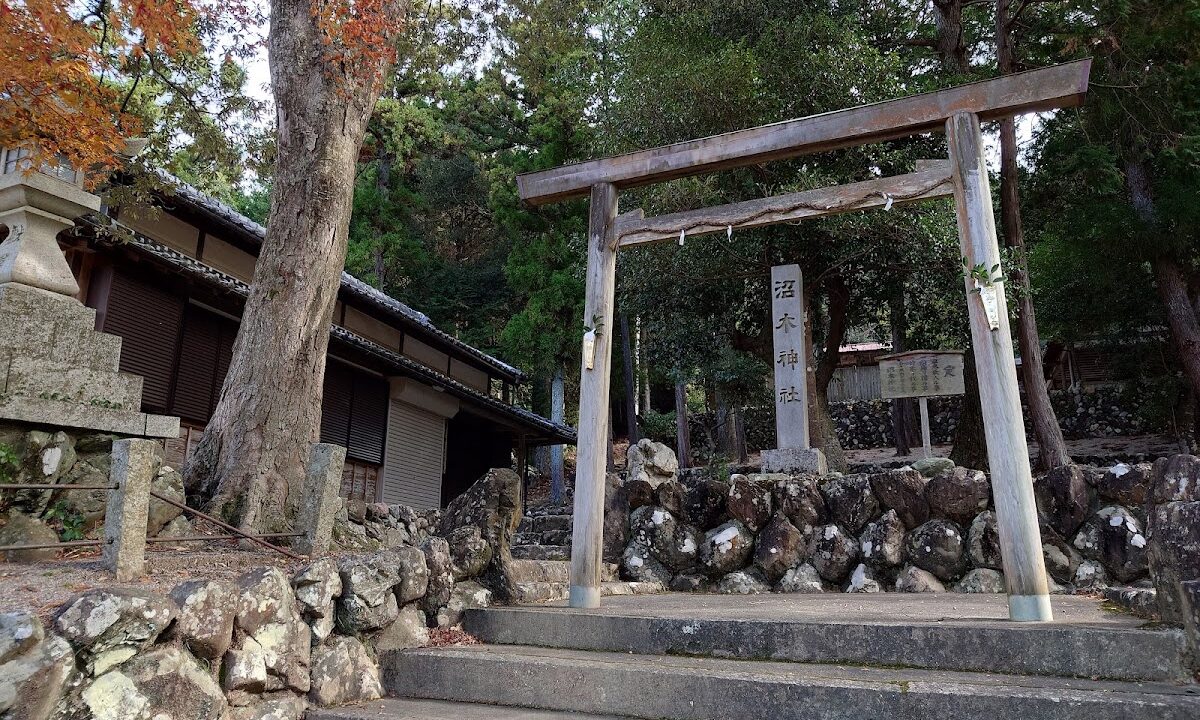
Numaki Shrine (Mie Prefecture) Complete Guide: History, Benefits, Access, and Festivals Explained in Detail
Numaki Shrine, located in Tsu City, Mie Prefecture, is a shrine deeply rooted in local history and faith. Due to the Meiji-era shrine consolidation policy, several village shrines were merged, and it remains a beloved spiritual center for local residents. This article provides a detailed explanation of Numaki Shrine’s historical background, enshrined deities, benefits, festivals, and worship methods, incorporating a local perspective.
Basic Information on Numaki Shrine
Numaki Shrine is located in Ueno-cho, Tsu City, Mie Prefecture, and is one of the shrines belonging to the Mie Prefecture Shrine Association. Tsu City is known as the capital of Mie Prefecture and boasts excellent access to major cities such as Ise, Matsusaka, Suzuka, and Yokkaichi.
Location: Ueno-cho, Tsu City, Mie Prefecture
Shrine Rank: Former Village Shrine
Main Deity: Multiple deities (see below)
Founded: 1869 (as Yahashira Shrine)
Relocation to Current Location: February 25, 1912
A unique characteristic of Numaki Shrine is that it is not a single shrine, but rather a historical site formed by the integration of multiple village shrines. This stems from the Meiji-era shrine consolidation policy, and it has been passed down to the present day as a center of local faith.
History and Origins of Numaki Shrine
Meiji-era Shrine Consolidation Policy
During the Meiji era, the consolidation and reorganization of shrines progressed throughout Japan. This policy, based on the principle of “one shrine per village,” was actively promoted in Mie Prefecture as well. Numaki Shrine is one of the shrines greatly affected by this policy.
Founding as Yahashira Shrine
The history of Numaki Shrine dates back to 1869. Initially, it was enshrined as “Yahashira Shrine” in Shimo-oki, Ueno Village. During this period, Japan was in the turbulent era of the Meiji Restoration, and the environment surrounding shrines was undergoing significant changes due to the establishment of Shinto as the state religion and the separation of Shinto and Buddhism.
Integration of Five Village Shrines
Numaki Shrine took its current form through the consolidation of shrines from the following five villages:
- Shrine of Yamochi Village
- Shrine of Yokowa Village
- Shrine of Ueno Village
- Shrine of Kamizono Village
- Shrine of Enza Village
These villages constitute the present-day Numaki district of Tsu City, and the shrines worshipped as guardian deities in each village were integrated into one. While this consolidation was carried out in response to national and prefectural policies, it held significant meaning for the local residents as it unified the history of faith in each village.
Renaming and Relocation of Numaki Shrine
On February 25, 1912 (Meiji 45), the merged shrines were officially established as “Numaki Shrine,” a village shrine, in the present-day Ueno-cho area. This relocation meant that it assumed the role of the tutelary deity for the entire Numaki district, and it continues to serve as the spiritual center of the region to this day.
Deities Enshrined at Numaki Shrine
Numaki Shrine enshrines the deities originally worshipped at each of the five merged village shrines. While the specific details of the enshrined deities are based on local traditions, it is generally believed that the following deities are included:
- Gods of Agriculture: Deities who preside over abundant harvests
- Ujigami (Clan Deities): Guardian deities of each village
- Ubusunagami (Local Deities): Deities of the land
Due to the history of the merger of multiple shrines, there are multiple enshrined deities, each closely linked to the history of the region.
Benefits of Numaki Shrine
Numaki Shrine is revered in the region as a “miraculous shrine” and is believed to offer the following benefits:
Prosperity of Descendants
Many worshippers visit the shrine praying for the prosperity of their family lineage and for the blessing of many children. As the guardian deity of the region, it is revered as a guardian presence that has watched over the growth of families for generations.
Abundant Harvest
Reflecting the region’s history of agriculture as its livelihood, it is believed to offer blessings for a bountiful harvest. It continues to attract worshippers from those involved in agriculture.
Marital Harmony
It is believed to deepen the bond between spouses and maintain harmony in the home, and many couples visit the shrine on their wedding anniversaries and other life milestones.
Family Safety
It offers blessings for the health and safety of all family members, and is visited on various occasions such as New Year’s Day and for protection against misfortune during unlucky years.
Protection of the Region
Due to its history of integrating the shrines of five villages, it also plays a role as a guardian deity watching over the entire Numaki district. This shrine holds an important position as a place to pray for the peace and prosperity of the region.
Annual Festivals of Numaki Shrine
Shrines hold various festivals throughout the year. At Numaki Shrine, it is believed that the following festivals are held while preserving local traditions:
Spring Grand Festival
Held with the arrival of spring, the grand festival prays for a bountiful harvest and the prosperity of the region. It is an important festival timed to coincide with the peak of agricultural work.
Autumn Grand Festival
The autumn grand festival, offering thanks for the harvest season, is one of the most important festivals of the year. Local residents gather, and sometimes portable shrines and offerings are made.
Monthly Festival
This is a regularly held monthly festival where Shinto priests offer prayers.
New Year’s Visit/New Year’s Day Festival
As the new year begins, the shrine is bustling with worshippers praying for safety and prosperity throughout the year.
For specific festival dates, we recommend checking with the Numaki Community Development Association or local bulletin boards.
Relationship between Numaki District and the Shrine
Collaboration with the Numaki Community Development Association
Numaki Shrine is positioned as an important cultural asset and tourist resource of the region by the Numaki Community Development Association. The association is committed to regional revitalization and the preservation of traditional culture, and Numaki Shrine is central to its activities.
Center of the Local Community
The shrine functions not only as a place of worship but also as a place for interaction where local residents gather. Many residents participate in festivals, fostering intergenerational exchange.
Place to Tell the History of the Region
Numaki Shrine, with its history of being formed by the consolidation of five village shrines, is a valuable resource that tells the story of the region’s transformation. It also has value as a living educational tool that conveys the historical background of the Meiji-era shrine consolidation policy.
Access to Numaki Shrine
Location
Located in Ueno-cho, Tsu City, Mie Prefecture. For detailed address information, please check the Numaki Community Development Council website or the Mie Prefecture Shrine Association’s list of shrines.
Access by Car
The shrine is approximately 20-30 minutes by car from the center of Tsu City. The nearest interchange is the Tsu Interchange on the Ise Expressway.
Travel time from major cities:
- From the center of Tsu City: Approximately 20-30 minutes
- From Ise City: Approximately 40-50 minutes
- From Matsusaka City: Approximately 30-40 minutes
- From Yokkaichi City: Approximately 50-60 minutes
- From Suzuka City: Approximately 40-50 minutes
Access by Public Transportation
You will need to take a bus or taxi from the nearest station. Since public transportation services are limited, it is recommended to check the timetable in advance.
Parking
There may be parking spaces for visitors near the shrine, but congestion is expected during festivals.
Etiquette and Manners for Visiting a Shrine
Basic Etiquette for Visiting a Shrine
When visiting a shrine, please observe the following basic etiquette:
- Bow before passing through the torii gate: This is a courtesy before entering the sacred area.
- Avoid the center of the approach: The center is considered the path of the gods.
- Purify yourself at the water basin: Purify your left hand, then your right hand, then your mouth.
- Worship at the main hall: Two bows, two claps, and one bow is the basic procedure.
Consideration for a Local Shrine
Numaki Shrine is a shrine closely connected to the lives of local residents. When visiting, please consider the following points:
- Be mindful of noise if it is close to a residential area.
- When parking, please do not disturb nearby residents.
- Maintain cleanliness of the shrine grounds.
- Take photographs with moderation.
Shrine Culture in Mie Prefecture and Numaki Shrine
Characteristics of Shrines in Mie Prefecture
Mie Prefecture is known as a “sacred place of Shinto,” home to Ise Grand Shrine. The Mie Prefectural Association of Shinto Shrines comprises approximately 815 shrines, and a rich Shinto culture flourishes throughout the prefecture.
Areas with a concentration of major shrines:
- Ise City: Ise Grand Shrine (Kotai Jingu – Inner Shrine, Toyouke Daijingu – Outer Shrine)
- Tsu City: Mie Prefecture Gokoku Shrine, Yuki Shrine, etc.
- Kuwana City: Kuwana Sōsha (Kasuga Shrine)
- Inabe City: Tado Taisha Shrine
- Yokkaichi City: Tsubaki Grand Shrine
- Suzuka City: Tsubakinakato Shrine
- Kameyama City: Nobono Shrine
- Iga City: Akuni Shrine
- Nabari City: Urufushine Shrine
- Matsusaka City: Matsusaka Shrine
The Position of Numaki Shrine
Although Numaki Shrine is small in scale compared to the large shrines in the prefecture, it plays an important role as a place of worship rooted in the community. Its historical background of shrine consolidation during the Meiji era makes it a valuable case study in discussing the history of shrines in Mie Prefecture.
Organization of the Association of Shinto Shrines and the Mie Prefecture Association of Shinto Shrines
The Mie Prefecture Association of Shinto Shrines is a local organization of the Association of Shinto Shrines, encompassing all shrines within the prefecture. Its main activities include:
- Encouraging visits to Ise Grand Shrine
- Training and education of Shinto priests
- Holding workshops for shrine personnel
- Promoting public relations activities related to shrines
- Reporting administrative matters to the Association of Shinto Shrines
Numaki Shrine is also a member of this organization, continuing its efforts to preserve Shinto culture and contribute to the local community.
Attractions around Numaki Shrine
Landmarks in the Numaki Area
When visiting Numaki Shrine, we recommend exploring the surrounding attractions in the Numaki area. The Numaki Community Development Association also provides information on local tourism resources.
Tourist Attractions in Tsu City
Tsu City has many attractions besides Numaki Shrine:
- Tsu Castle Ruins: Remains of a castle built by Todo Takatora
- Yuki Shrine: Famous for its weeping plum blossoms
- Sakakibara Onsen: A hot spring resort known for its “beauty-enhancing waters”
- Aoyama Plateau: A landscape lined with wind turbines for wind power generation
Guidelines for Visiting Numaki Shrine
Why Visit Shrines?
Visiting a shrine is not just about sightseeing or seeking blessings; it has the following meanings:
- Expressing Gratitude: Gratitude for daily life
- Calming the Mind: Time to quiet the mind away from daily life
- Connection with the Community: An opportunity to learn about the history and culture of the region
- Inheriting Tradition: The role of passing on faith to the next generation
The Significance of Continuous Visits
Visiting shrines not only for New Year’s, but also at milestones in life and on a regular basis, fosters a deeper sense of faith. Numaki Shrine, a local shrine, is a familiar presence that can be visited anytime.
The Future and Preservation Activities of Numaki Shrine
Preservation Activities by the Community
Continued maintenance and preservation activities are essential to passing on local shrines to future generations. Local organizations, including the Numaki Community Development Council, are at the forefront of preserving the shrine.
What Visitors Can Do
There are things we, as visitors to the shrine, can do:
- Support through regular visits
- Participation in cleaning activities on the shrine grounds
- Participation in and cooperation with festivals
- Learning about and sharing the history and culture of the shrine
Passing on Local Culture
Numaki Shrine is not merely a building; it is a condensed representation of the region’s history and culture. It holds many stories, including the circumstances surrounding the integration of five village shrines, the shrine policies of the Meiji era, and the faith of the local residents. Passing these on to future generations is our responsibility.
Summary: The Charm and Value of Numaki Shrine
Numaki Shrine, located in Tsu City, Mie Prefecture, has a unique history, having been formed by the consolidation of five village shrines during the Meiji era’s shrine consolidation policy. It is known as a highly revered shrine, attracting the faith of local residents and offering blessings for prosperity of descendants, abundant harvests, marital harmony, and family safety.
Founded in 1869 as Hachibashira Shrine, it was established as the village shrine Numaki Shrine on February 25, 1912, and has continued to exist as a spiritual pillar of the region for over 100 years.
Mie Prefecture is a center of Shinto culture, home to Ise Grand Shrine, and has approximately 815 shrines belonging to the Mie Prefectural Shrine Association. Among them, Numaki Shrine occupies an important position as a place of worship deeply rooted in the community and as a shrine with historical value that conveys the Meiji era’s shrine policy.
When visiting the Numaki area, be sure to visit Numaki Shrine and experience the region’s history and culture. The website of the Numaki Community Development Association introduces local landmarks, including shrines, allowing you to learn more about the Numaki area.
Tsu City, the capital of Mie Prefecture, has excellent access to Ise City, Matsusaka City, Yokkaichi City, Suzuka City, and other areas. Why not visit Numaki Shrine as part of a shrine tour in Mie Prefecture, or when sightseeing in Tsu City? You’re sure to feel the warmth of the community and the weight of its history.