Uji Shrine | Kyoto’s Oldest Shrine, Affectionately Known as “Ashigami-san”
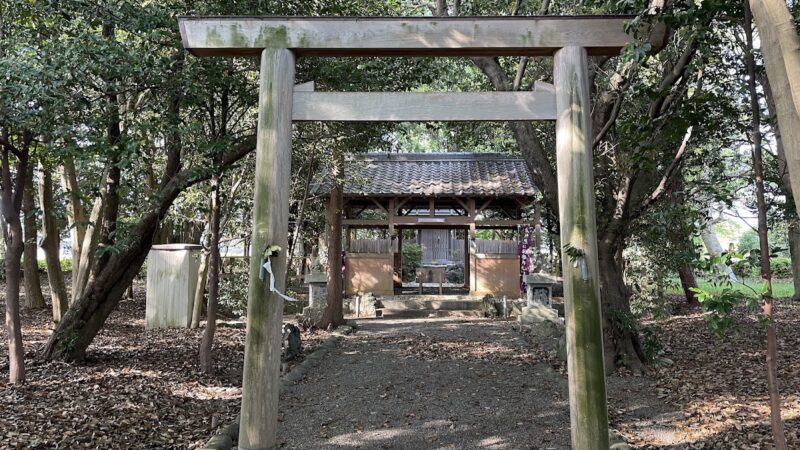
Uji Shrine (Uji Jinja) is an ancient shrine located in Uji City, Kyoto Prefecture, and is affectionately known locally as “Ashigami-san.” Adjacent to the World Heritage site Ujigami Shrine, it is a historical shrine that once attracted worshippers as a single entity.
History and Origins of Uji Shrine
Founding and Deity
The founding of Uji Shrine is not clearly established, but it is believed to date back to before the Heian period. The enshrined deity is Uji no Wakiratsuko no Mikoto, a figure known as the son of Emperor Ojin.
The Nihon Shoki (Chronicles of Japan) records a beautiful story of Uji no Wakiratsuko no Mikoto taking his own life to relinquish the throne to his older brother, Oosazaki no Mikoto (later Emperor Nintoku), and he is known for his high level of scholarship and virtue.
Relationship with Ujigami Shrine
Uji Shrine and Ujigami Shrine were originally a single shrine known as “Uji Rikyu Myojin.” Due to the separation of Shinto and Buddhism during the Meiji era, they were divided into two shrines. Currently, Ujigami Shrine is considered the main shrine, and Uji Shrine the imperial villa. Ujigami Shrine possesses a National Treasure main hall and is a component of the World Heritage Site “Historic Monuments of Ancient Kyoto.”
Origin and Benefits of “Ashigami-san”
Why is it called Ashigami-san?
There are several theories as to why Uji Shrine is called “Ashigami-san,” but the most plausible is a legend related to the enshrined deity, Uji no Wakiiratsuko no Mikoto. Legend says that when he visited Uji, he got lost, and a rabbit appeared and guided him.
From this legend of the “Looking Back Rabbit,” it is believed that the shrine offers benefits such as health of the legs and hips and guidance to the right path, attracting many worshippers praying for healing of foot ailments and safe travels.
Main Benefits
- Healthy Legs and Lower Back/Healing from Illness: Recovery from leg injuries and illnesses
- Safe Travel and Traffic Safety: Protection for safe journeys
- Academic Success: Because the enshrined deity excelled in academics
- Protection from Evil and Good Fortune: As a god who guides you to the right path
Points to Note When Visiting
The Looking-Back Rabbit
There are several statues of the Looking-Back Rabbit said to have guided the enshrined deity within the shrine grounds. You can see rabbit motifs throughout the grounds, such as the guardian rabbits in front of the main hall and the rabbits at the purification fountain.
In particular, the “guardian rabbits” in front of the main hall (instead of guardian dogs) are adorable with their looking-back poses, and it is said that stroking them will strengthen your legs and lower back. Be sure to look for them when you visit.
Fortune Slips and Amulets
The Looking-Back Rabbit Fortune Slip is popular at Uji Shrine. A cute ceramic rabbit contains a fortune slip, which you can take home and display.
Also, amulets for leg and back health and safe travel are available, making them particularly popular with marathon runners, mountain climbing enthusiasts, and the elderly.
Goshuin (Shrine Seal)
Goshuin are available at the shrine office. They feature a charming design with a stamp of a rabbit looking back, and many visitors combine them with a visit to Ujigami Shrine.
Highlights of the Shrine Grounds
Main Hall (Important Cultural Property)
The main hall, built in the early Kamakura period (13th century), is an elegant example of one-bay nagare-zukuri architecture. Its cypress bark roof and vermilion-painted pillars are beautiful, and it is designated as a National Important Cultural Property.
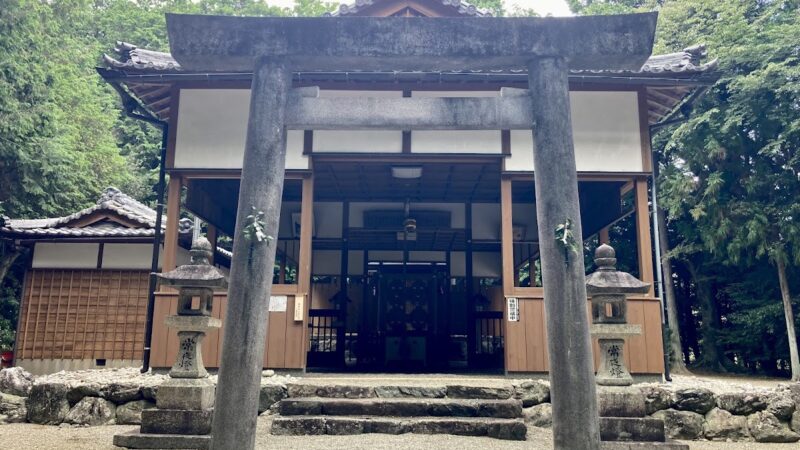
Worship Hall
The worship hall is a late Kamakura period building, a simple yet dignified structure with a gable roof and cypress bark roofing. It is also designated as an Important Cultural Property.
Kirihara-sui (Kirihara Spring)
Within the temple grounds is a spring called “Kirihara-sui,” which was counted as one of the seven famous springs of Uji. Although it is currently dried up, it was once known as a famous spring used in the tea ceremony.
Access Information
Access by Train
- Approximately 10 minutes on foot from JR Nara Line “Uji Station”
- Approximately 5 minutes on foot from Keihan Uji Line “Uji Station”
Keihan Uji Station is closer, and you can enjoy the scenery along the Uji River while walking.
Access by Car
- Approximately 10 minutes from Keiji Bypass “Uji-Higashi IC”
- Approximately 20 minutes from Meishin Expressway “Kyoto-Minami IC”
Parking: There is no dedicated parking lot. Please use nearby paid parking lots (such as the Uji City Municipal Parking Lot).
Visiting Hours and Admission Fee
- Visiting Hours: Grounds are freely accessible (Shrine office is open from approximately 9:00 to 16:00)
- Admission Fee: Free
- Closed Days: None
Nearby Tourist Attractions
Ujigami Shrine (3-minute walk)
Ujigami Shrine, a World Heritage Site, houses the main hall (National Treasure), considered the oldest shrine architecture in Japan. Visiting it together with Uji Shrine is recommended.
Byodo-in Temple (10-minute walk)
Byodo-in Phoenix Hall, known for its design on the 10-yen coin, is a representative World Heritage Site of Uji. You can enjoy the architectural beauty of this paradise, built by Fujiwara Yorimichi.
Uji River and Uji Bridge
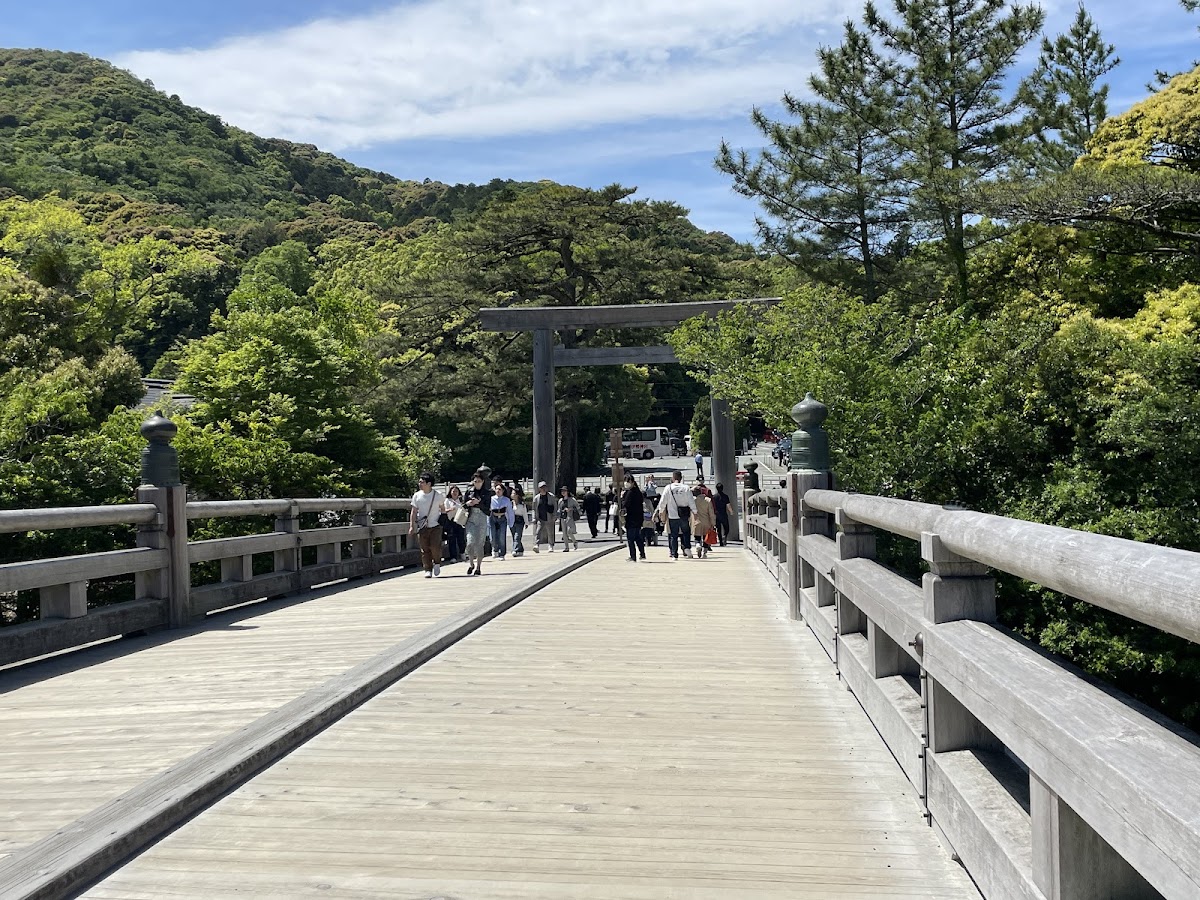
The area around Uji Bridge, considered one of Japan’s three oldest bridges, is also known as a famous spot for cherry blossoms and autumn leaves. The riverside promenade offers beautiful scenery throughout the seasons.
Summary
Uji Shrine is a beloved ancient shrine in the local area, known as “Ashigami-san” (God of Feet), and is constantly visited by worshippers praying for healthy legs and safe travels. It offers plenty to see, including its adorable “Looking Back Rabbit” statue, its important cultural property architecture, and its historical connection to Ujigami Shrine.
When you visit Uji, be sure to visit Uji Shrine along with Byodo-in Temple and Ujigami Shrine.