Complete Guide to Mie Prefecture Gokoku Shrine | A Thorough Explanation of History, Deities, Prayers, and Grounds
Mie Prefecture Gokoku Shrine (Mie-ken Gokoku Jinja), located in Tsu City, Mie Prefecture, is a shrine dedicated to over 60,300 war heroes from Mie Prefecture who sacrificed their lives for the nation from the Meiji Restoration to the Greater East Asia War. Conveniently located just a 5-minute walk from the west exit of Kintetsu and JR Tsu Station, it is a popular destination for locals seeking various prayers, including New Year’s visits, Shichi-Go-San (a traditional rite of passage for children), and prayers for safe childbirth. This article provides a detailed explanation of Mie Prefecture Gokoku Shrine, from its history to its grounds and various prayers.
What is Mie Prefecture Gokoku Shrine?
Mie Prefecture Gokoku Shrine is a Gokoku Shrine located in Hiroaki-cho, Tsu City, Mie Prefecture. Its official name is “Mie Prefecture Gokoku Shrine,” and it enshrines those who died in battles related to Mie Prefecture from the Kinmon Incident and the Boshin War to World War II.
Role and Significance of Gokoku Shrines
Gokoku shrines play an important role in comforting the spirits of those who sacrificed their precious lives for the country and passing on their achievements to future generations. Mie Prefecture Gokoku Shrine is a place where many worshippers, including the bereaved families of war dead, offer prayers for peace.
In modern times, in addition to being a place of remembrance, it also accepts various prayers for important life events such as safe childbirth, first shrine visits for newborns, Shichi-Go-San (7-5-3) festivals, exorcisms, and car blessings, and is a beloved shrine rooted in the community.
History of Mie Prefecture Gokoku Shrine
From Founding to the Hyōchūsha Era
The history of Mie Prefecture Gokoku Shrine dates back to Meiji 2 (1869). The origin of this shrine dates back to when Lord Todo Takayuki, the 11th lord of the Tsu Domain, erected a small shrine within the grounds of Tsu Hachimangu Shrine to enshrine the spirits of the samurai who died in the Boshin War. This small shrine, known as “Hyochusha,” was established as a place to commemorate the loyalty of the samurai.
Lord Todo Takayuki, as the last lord of the Tsu Domain, led the domain through the turbulent period of the Meiji Restoration. He fought on the side of the new government forces in the Boshin War, and many samurai lost their lives. Hyochusha was built to mourn these victims and to pass on their achievements to future generations.
Elevation to a Gokoku Shrine
In 1939 (Showa 14), it officially became the “Mie Prefecture Gokoku Shrine” as a Gokoku Shrine designated by the Minister of Home Affairs. During this period, the development of Gokoku Shrines progressed nationwide, and Gokoku Shrines were established in each prefecture.
Even after the war, the shrine has continued to receive deep reverence from bereaved families and residents of Mie Prefecture as a place to enshrine those who died in the war from Mie. Currently, it enshrines over 63,000 war dead, making it a central place of remembrance in Mie Prefecture.
About the Enshrined Deities
Mie Prefectural Gokoku Shrine enshrines over 63,000 war dead from Mie Prefecture who sacrificed their lives for the nation, from the Kinmon Incident (1864) to the Greater East Asia War (World War II, which ended in 1945).
Wars Commemorated
- Kinmon Incident (Genji 1, 1864): A battle that took place around the Kyoto Imperial Palace
- Boshin War (Keio 4 – Meiji 2, 1868-1869): A battle between the new government forces and the former shogunate forces during the Meiji Restoration
- Satsuma Rebellion (Meiji 10, 1877): A rebellion by samurai led by Saigo Takamori
- First Sino-Japanese War (Meiji 27-28, 1894-1895)
- Russo-Japanese War (Meiji 37-38, 1904-1905)
- World War I (Taisho 3-7, 1914-1918)
- Manchurian Incident/Second Sino-Japanese War (Showa 6-20, 1931-1945)
- The Greater East Asia War (World War II) (1941-1945)
The spirits of those from Mie Prefecture, or those with ties to Mie Prefecture, who lost their lives in these wars are enshrined here.
About the Ancestral Shrine
Within the grounds of Mie Prefecture Gokoku Shrine, there is also an Ancestral Shrine. The Ancestral Shrine is a shrine dedicated to the spirits of ordinary people and is used as a place for ancestor worship.
Highlights of the Shrine Grounds
Shrine Building and Worship Hall
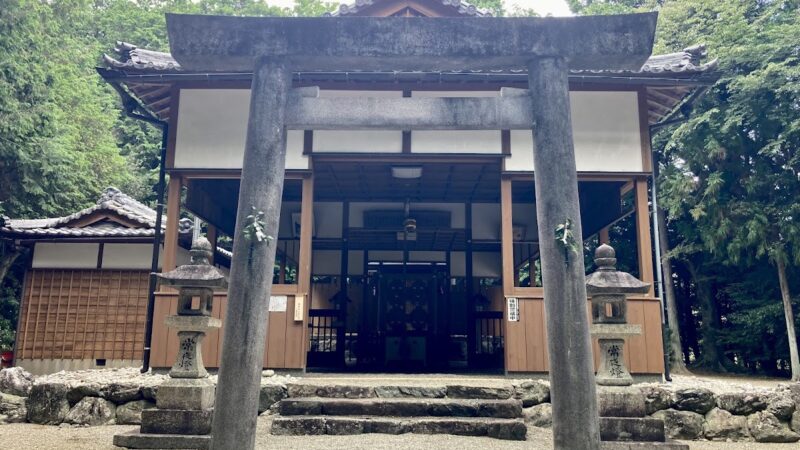
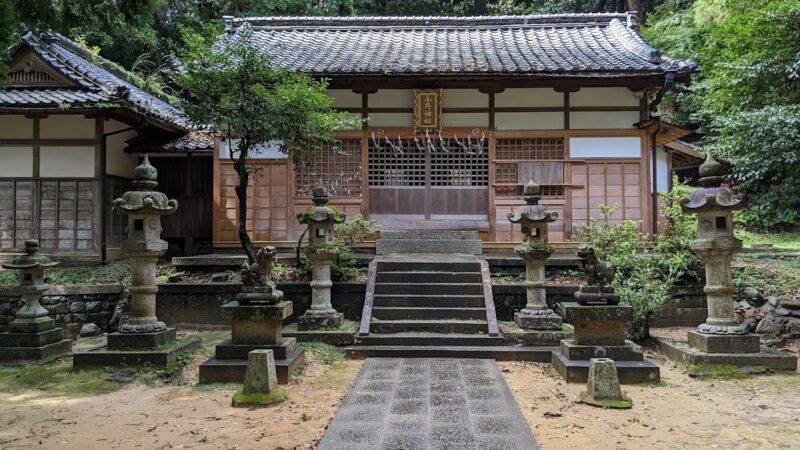
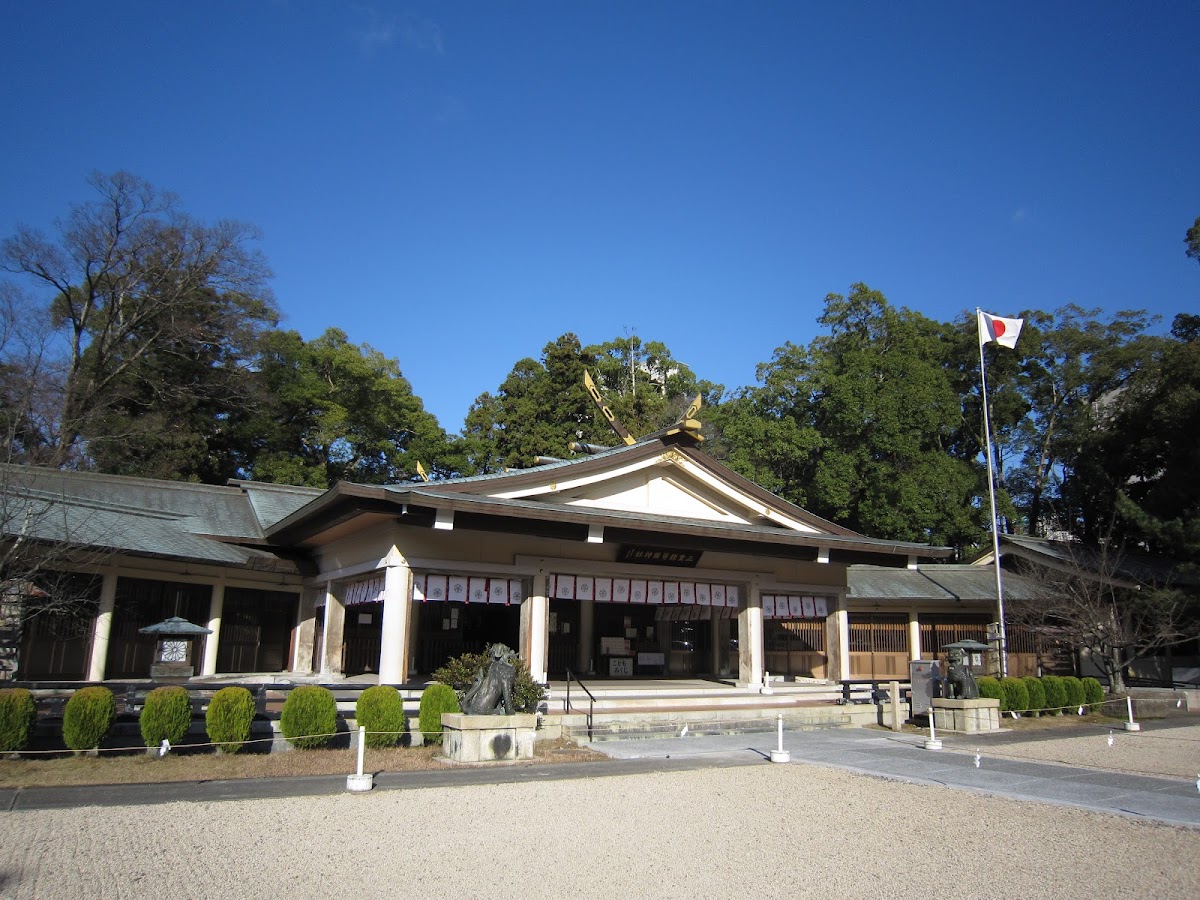
The shrine building of Mie Prefecture Gokoku Shrine is a traditional shrine architecture that exudes a solemn atmosphere. Many worshippers offer prayers for peace in the worship hall every day. It is especially crowded with worshippers during the New Year’s period and serves as a center of local faith.
Facilities on the Shrine Grounds
Within the shrine grounds are the assembly hall and the shrine office, where various prayers and wedding ceremonies are held. The assembly hall can also be used for meals after prayers, making it a place to celebrate life’s milestones.
Atmosphere of the Shrine Grounds
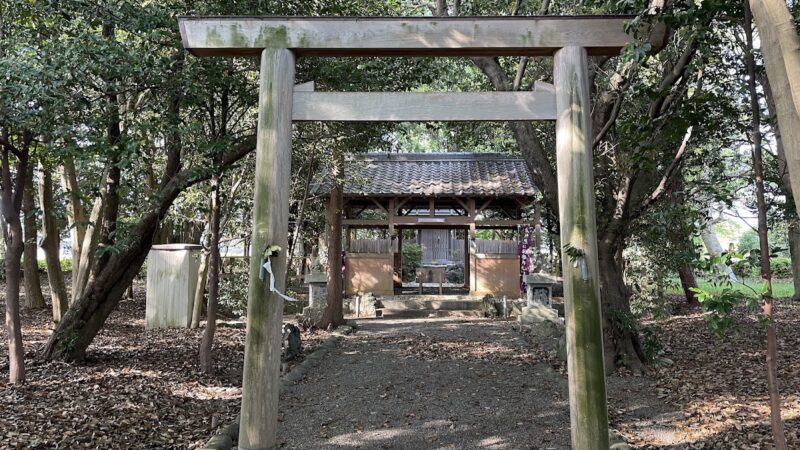
Despite being located in an urban area just a 5-minute walk from Tsu Station, the shrine grounds are enveloped in a tranquil atmosphere. Surrounded by trees, the grounds offer a healing space that allows you to forget the hustle and bustle of the city.
Access
Mie Prefecture Gokoku Shrine is conveniently located and easily accessible by public transportation.
Access by Train
- Kintetsu Nagoya Line “Tsu Station”: Approximately 5-minute walk from the West Exit
- JR Kisei Main Line “Tsu Station”: Approximately 5-minute walk from the West Exit
Tsu Station is served by both Kintetsu and JR lines, providing excellent access from Nagoya, Ise, and Osaka. Because of its proximity to the station, even first-time visitors can easily find their way there.
Access by Car
- Approximately 10 minutes from the Tsu IC on the Ise Expressway
- Also accessible from National Route 23
Parking is available, so you can visit by car. However, during busy periods such as New Year’s Day and the annual festival, we recommend using public transportation.
Address
323 Hiroaki-cho, Tsu City, Mie Prefecture 514-0004
Information on Various Prayers and Festivals
Mie Prefectural Gokoku Shrine accepts prayers for various milestones in life. We strive to provide courteous service based on official guidelines.
Prayer for Safe Childbirth
This is generally performed on the Day of the Dog in the fifth month of pregnancy. Prayers are offered for the health of mother and child and for a safe delivery. We also accept prayers for maternity belts, and many pregnant women visit for this service.
First Shrine Visit (Omiyamairi)
This is a ceremony to thank the gods for the safe birth of a baby and to pray for their healthy growth. It is customary for boys to visit on the 31st day after birth and girls on the 32nd day, but the date can be decided considering the mother and child’s health and the weather.
Shichi-Go-San Ceremony
This ceremony celebrates the growth of children at ages 3, 5, and 7, and prays for their future health and happiness. Around November 15th each year, it is bustling with many families. The atmosphere of the shrine grounds is perfect for commemorative photos, creating precious memories.
Exorcism (Yakuyoke)
This ceremony prays for the protection of misfortune for those entering their unlucky years and for a peaceful year. For men, the unlucky years are 25, 42, and 61; for women, 19, 33, and 37.
Car Blessing (Prayer for Traffic Safety)
We offer car blessings for new car purchases and for praying for traffic safety. You can drive your car onto the shrine grounds for the blessing, and you will receive a safe driving amulet.
Weddings
Traditional Shinto wedding ceremonies are also held. You can celebrate the start of a new life in a solemn atmosphere. Advance reservations and consultations are required.
Other Prayers
- Prayer for Success in Exams
- Prayers for Business Prosperity
- Family Safety
- Recovery from Illness
- Fulfillment of Wishes
We offer a variety of prayers. Please inquire at the shrine office for details.
Annual Events and Festivals
Mie Prefecture Gokoku Shrine holds various festivals throughout the year.
New Year’s Day Festival (January 1st)
This festival welcomes the new year and prays for the peace and prosperity of the nation and the Imperial Family. The shrine is bustling with many visitors praying for peace in the new year.
Spring Grand Festival (April)
This is one of the important festivals dedicated to the enshrined deities. Many attendees, including bereaved families, gather to offer their gratitude and prayers for the war dead.
Children’s Warrior Pilgrimage (May 5th, Boys’ Festival)
Every year on May 5th, Boys’ Festival, the Children’s Warrior Pilgrimage is held. Children dressed as warriors visit the shrine, praying for their healthy growth. This traditional event is popular for photography and attracts many families.
Mitama Festival (Summer)
In the summer, the Mitama Festival is held to comfort the spirits of the enshrined deities. Lanterns are lit, creating a mystical atmosphere for the memorial service.
Autumn Grand Festival (October)
This is an important festival, alongside the Spring Grand Festival. A ceremony is held to express gratitude for the bountiful autumn harvest and to report and give thanks to the enshrined deities.
Great Purification Ceremony (June and December)
The Great Purification Ceremony is held twice a year, on June 30th and December 31st. This Shinto ritual purifies the sins and impurities accumulated over the past six months, allowing one to enter the next six months in a pure state of mind and body.
Items and Amulets
Mie Prefecture Gokoku Shrine offers a variety of amulets and items.
Various Amulets
- Traffic Safety Amulet: A type that can be placed on a car’s dashboard, etc.
- Exorcism Amulet: An amulet for those in their unlucky year
- Safe Childbirth Amulet: Given to those who have received prayers for safe childbirth
- Academic Success Amulet: For students and those taking exams
- Health Amulet: For recovery from illness and prayers for good health
Goshuin (Shrine Seal)
Goshuin are available at the shrine office. Many people receive a Goshuin as a memento of their visit. We also sell Goshuincho (stamp books).
Ema (votive tablets)
Ema, on which you can write various wishes, are also available. You can dedicate them at the ema rack within the shrine grounds.
Manners and Etiquette for Visiting a Shrine
Let’s review the basic manners for visiting a shrine.
How to Pass Through a Torii Gate
The torii gate is the entrance to the sacred area. Bow before passing through the torii gate, and avoid walking in the center of the path. The center is considered the path of the gods.
How to Purify Yourself at the Water Basin
- Hold the ladle in your right hand and purify your left hand.
- Switch the ladle to your left hand and purify your right hand.
- Switch the ladle back to your right hand, receive water in your left hand, and rinse your mouth.
- Purify your left hand once more.
- Hold the ladle upright and purify the handle.
How to Worship at the Main Hall
- Place your offering in the offering box.
- Ring the bell.
- Bow twice (two deep bows).
- Clap twice (two claps).
- Pray sincerely.
- Bow once (one deep bow).
This is the basic worship etiquette known as “two bows, two claps, one bow.”
Nearby Tourist Attractions
When visiting Mie Prefecture Gokoku Shrine, why not also explore other tourist attractions in Tsu City?
Tsu Castle Ruins (Castle Park)
The site of Tsu Castle, built by Todo Takatora, is now a park. Known for its cherry blossoms, it attracts many visitors in spring. It’s within walking distance of Mie Prefecture Gokoku Shrine.
Shitennoji Temple
An ancient temple said to have been founded by Prince Shotoku, it offers a glimpse into the history of Tsu City.
Tsu Kannon (Eijitsuzan Kannonji Temple)
A historic temple considered one of Japan’s three most important Kannon temples. It’s bustling with many worshippers on the 18th of each month.
Tsu Nagisamachi
A complex facility developed in Tsu City’s port area, offering shopping and dining options.
The Modern Role of Mie Prefecture Gokoku Shrine
As a Place for Peace Education
Mie Prefecture Gokoku Shrine plays a vital role as a place to convey the history of war and learn about the preciousness of peace. It has a particular mission to convey the tragedy of war and the importance of peace to younger generations. ### Center of the Local Community
This shrine serves as a gathering place for local residents throughout the year, for events such as New Year’s visits, Shichi-Go-San (a traditional rite of passage for children), and children’s warrior pilgrimages. As a shrine deeply rooted in the community, it plays a role in strengthening bonds among people.
Place for Cultural Inheritance
It is also important as a place for inheriting traditional Japanese culture, including traditional shrine architecture, ritual practices, and annual events. Through life ceremonies such as weddings, it passes on traditional Japanese culture to the next generation.
Notes for Visitors
Reception Hours
The reception hours for prayers are generally from 9:00 AM to 4:00 PM, but these may change depending on festivals and events. Please check the official announcements in advance or contact the shrine office.
Dress Code
When receiving prayers, clean and subdued attire is preferred. Formal attire is especially required for weddings and formal visits.
Photography
Photography is generally permitted on the shrine grounds, but may be restricted during festivals or inside the shrine buildings. Please observe proper etiquette when taking photos.
Bringing Pets
As this is a sacred site, it is recommended to check in advance regarding bringing pets.
How to Check Official Information
The latest information on Mie Prefecture Gokoku Shrine can be found on its official website and official social media (Instagram, etc.). Information on festival dates, prayer reception hours, and temporary closures is posted there, so it is recommended to check before visiting.
Also, information on Mie Prefecture Gokoku Shrine is available on the Tsu City Tourism Association website, where you can check it along with information on surrounding tourist attractions.
Summary
Mie Prefecture Gokoku Shrine is a historical shrine that has been enshrining the spirits of those who died in Mie Prefecture for over 150 years since its founding in 1869 (Meiji 2). With over 63,000 deities enshrined, this shrine serves as a place to offer prayers for peace and is cherished by the local community as a place that accompanies them through various prayers such as prayers for safe childbirth, Shichi-Go-San (a traditional rite of passage for children), exorcism, and car blessings, marking important milestones in their lives.
Despite its convenient location just a 5-minute walk from Kintetsu and JR Tsu Stations, the shrine grounds are enveloped in a tranquil atmosphere, offering a peaceful space for worship away from the hustle and bustle of the city. Various festivals and events are held throughout the year, with the Children’s Warrior Pilgrimage on May 5th being a particularly well-established local tradition.
If you are visiting Mie Prefecture, or if you live in Tsu City, we highly recommend visiting Mie Prefecture Gokoku Shrine to offer your gratitude and prayers for peace. It is a valuable place where you can learn about history, experience traditional culture, and find inner peace.