About Uji Bridge
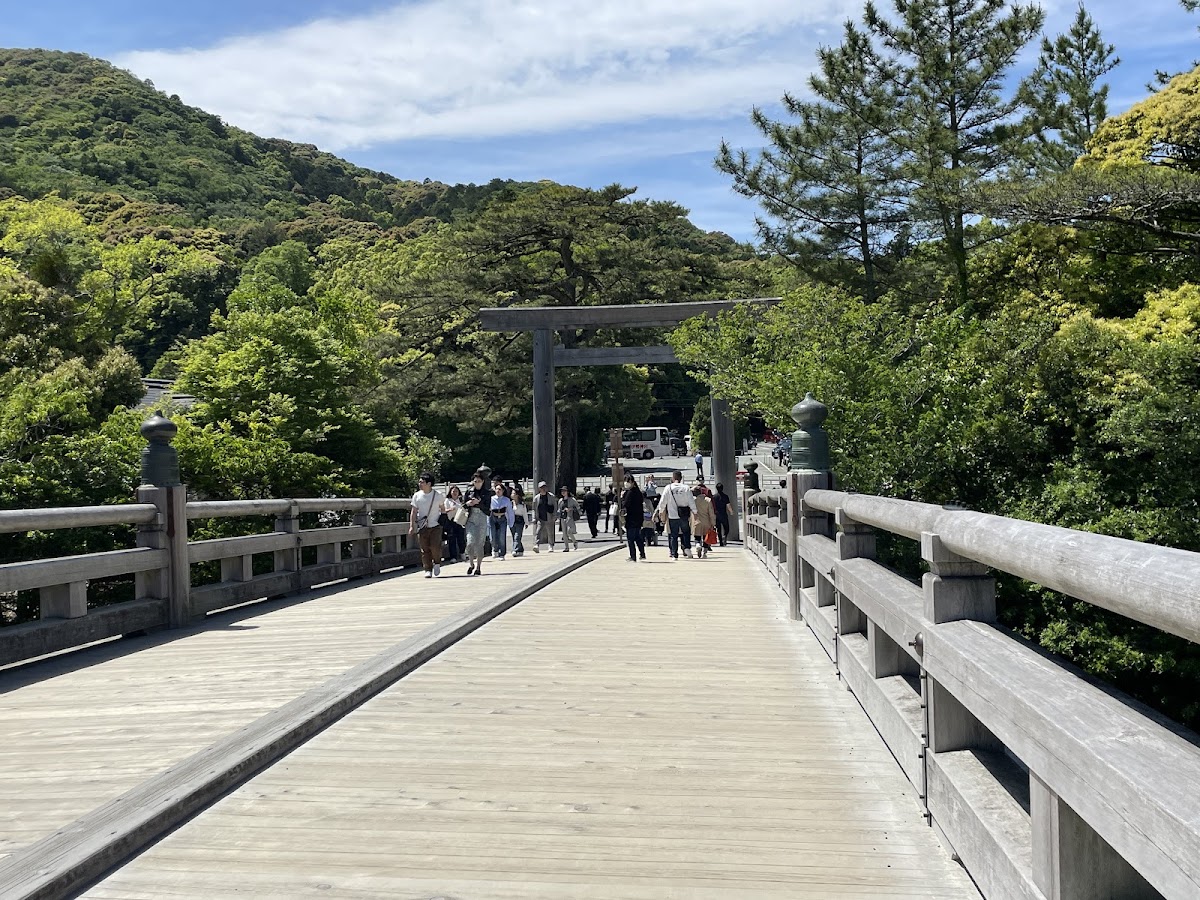
Uji Bridge is a cypress wood bridge located at the entrance to the Inner Shrine (Naiku) of Ise Grand Shrine in Ise City, Mie Prefecture. This bridge, spanning the Isuzu River, is 101.8m long and 8.42m wide, and is considered a sacred place where worshippers first cross, marking the boundary between the secular and sacred worlds.
Shikinen Sengu and Bridge Reconstruction
Uji Bridge is rebuilt every 20 years in conjunction with the Shikinen Sengu (periodic rebuilding and relocation ceremony) of Ise Grand Shrine. The most recent reconstruction took place in 2013 (Heisei 25). The cypress wood used comes from trees over 300 years old, and there is a tradition of reusing materials from the old bridge in torii gates and other structures at shrines throughout Japan.
Points to Note When Visiting
Etiquette for Crossing the Bridge
When crossing the Uji Bridge, the following etiquette is recommended:
- Stay on the Right Side: The center of the bridge is considered the path of the gods, so visitors should walk on the right side.
- Bow Before Crossing: Bowing at the foot of the bridge before crossing is considered a more respectful way to pray.
- Do Not Stop: Especially during crowded times, please move smoothly without stopping on the bridge.
The Great Torii Gate (First Torii Gate)
At both ends of the bridge stand Great Torii Gates, each 7.44 meters tall. These gates are rebuilt every 20 years, using the main pillars from the previous Inner Shrine’s main hall. The view of the torii gates and bridge illuminated by the morning sun is particularly renowned for its beauty.
Photo Spot
The view of the clear waters of the Isuzu River and the surrounding nature from the middle of the bridge is an excellent photo spot. However, during crowded times, please be considerate of other visitors.
Benefits and Spiritual Meaning
Purification and Rebirth
Crossing the Uji Bridge is believed to have the meaning of misogi (purification ritual), cleansing the impurities of daily life and purifying the mind and body. The act of crossing the bridge itself is a ritual of shifting one’s mind from the secular world to the sacred realm.
Symbol of a New Beginning
The bridge’s reconstruction every 20 years embodies the Shinto concept of “tokowaka” (eternal youth), which means maintaining a constantly new and pure state. It is believed that visiting the bridge at life’s turning points or when wishing to make a new start brings special blessings.
Access and Basic Information
Access by Train
- Approximately 20 minutes by Mie Kotsu bus bound for “Naiku-mae” from Kintetsu/JR Ise-shi Station, get off at the last stop.
- Approximately 15 minutes by Mie Kotsu bus bound for “Naiku-mae” from Kintetsu Ujiyamada Station, get off at the last stop.
- Approximately 30 minutes on foot (approx. 2.5 km) from Kintetsu Isuzugawa Station.
Access by Car
- Approximately 5 minutes from Ise-Nishi IC on the Ise Expressway.
- Paid parking available around Naiku (Public transportation is recommended during peak seasons due to congestion).
Visiting Hours
- January-April, September: 5:00 AM – 6:00 PM
- May-August: 5:00 AM – 7:00 PM
- October-December: 5:00 AM – 5:00 PM
- Open all year round, free admission.
Nearby Facilities
Beyond the Uji Bridge, you’ll find the purification fountain, the Isuzu River Mitarashi (purification area), and the path leading to the Inner Shrine’s main sanctuary. Okage Yokocho and Oharaimachi are also within walking distance, allowing you to enjoy a stroll after your visit.