Miroku-ji Temple (Aoba-ku, Sendai City, Miyagi Prefecture) Complete Guide: A Thorough Explanation of History, Access, and Surrounding Area Information
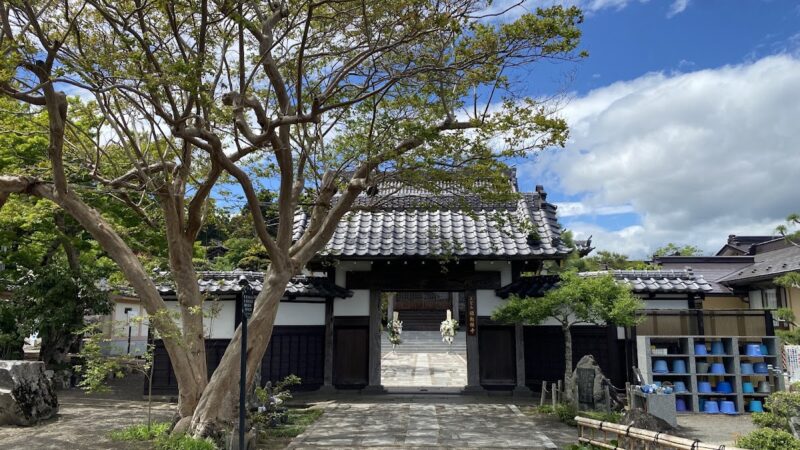
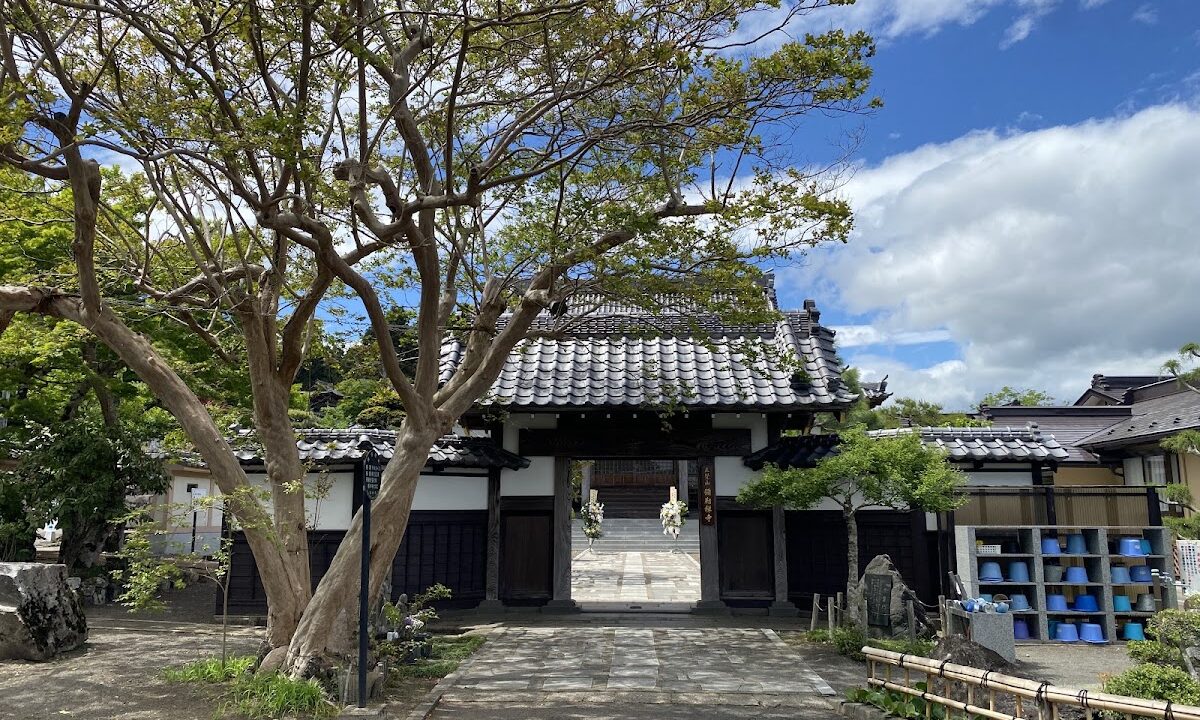
Located in the Shimo-Aiko district of Aoba-ku, Sendai City, Miyagi Prefecture, Miroku-ji Temple is a Soto Zen Buddhist temple deeply rooted in the community and boasts a long history. This article provides a detailed explanation of Miroku-ji Temple, from basic information and access methods to its historical background, characteristics of the Soto Zen sect, and surrounding attractions, for those considering a visit or interested in local history.
Basic Information about Miroku-ji Temple
Location and Contact Information
Miroku-ji Temple is located in Shimo-Aiko, Aoba-ku, Sendai City, Miyagi Prefecture. The exact address is “28” or “30” Shimo-Aiko, Aoba-ku, Sendai City, Miyagi Prefecture,” and the postal code is “〒989-3125.” This area is located in the western part of Sendai City and is a quiet place surrounded by a rich natural environment.
Sect and Temple Status
Miroku-ji Temple belongs to the Soto Zen sect. The Soto Zen sect is a branch of Zen Buddhism in Japan, founded by Zen Master Dogen, and is characterized by its emphasis on seated meditation (“shikantaza”). It is one of the largest Buddhist sects in Japan, with over 14,000 temples nationwide.
In Soto Zen temples, daily life itself is considered a form of spiritual practice, and actions such as cleaning and eating are also valued as Zen practices. Miroku-ji Temple inherits this Soto Zen tradition and functions as a place of worship for the local people.
Origin of the Temple Name
The name “Miroku-ji” originates from Miroku Bodhisattva, the future Buddha in Buddhism. Miroku Bodhisattva is a bodhisattva who is said to appear in this world 5.67 billion years after the death of Shakyamuni Buddha to save humanity. The belief in Miroku (Maitreya) is widespread throughout Japan, and temples named Miroku-ji exist in various locations.
In Miyagi Prefecture, there are several Miroku-ji temples. In particular, “Chotokuzan Kanki-in Miroku-ji” in Nakada-cho, Tome City, is a famous Shingon Buddhist temple known as one of the “Three Great Miroku Temples of Japan.” However, it is a different temple from the Miroku-ji in Shimo-Aiko, Aoba-ku, so care should be taken not to confuse them.
Access and Surrounding Environment
Access by Public Transportation
The nearest station to Miroku-ji is Rikuzen-Ochiai Station on the JR Senzan Line. It is approximately a 5-minute walk or taxi ride from the station. It is also accessible from JR Senzan Line’s Aiko Station and Kuzuoka Station, but Rikuzen-Ochiai Station is the closest.
The JR Senzan Line connects Sendai Station and Yamagata Station and is a major mode of transportation when traveling west from central Sendai. The area around Rikuzen-Ochiai Station is characterized by a harmonious blend of residential areas and nature, offering a quiet environment.
Access by Car
When accessing by car, the most common route is to head west from central Sendai on National Route 48 (Sakunami Kaido) towards the Shimo-Aiko area. It’s approximately a 30-minute drive from Sendai Station.
It is recommended to check with the temple in advance regarding parking availability. Especially during memorial services and events, congestion is expected, so considering public transportation is advisable.
Geographical Characteristics of the Surrounding Area
The Shimo-Aiko area is located in the western part of Aoba Ward, Sendai City, in the upper reaches of the Hirose River. The surrounding area is rich in forests, offering an environment where you can enjoy nature throughout the seasons. The scenery is particularly beautiful during the autumn foliage season.
This region has historically been located along the road connecting Sendai and Yamagata, making it a historically important location. Even today, it remains a popular stopover point for many people heading to tourist destinations such as Sakunami Onsen.
History and Origins of Miroku-ji Temple
Background of Founding
While detailed records regarding the exact founding date of Miroku-ji Temple are limited, it is known to have a long and rooted history as a Soto Zen temple in the region. As a temple dating back to the Sendai Domain era, it has played a central role in the faith of the local residents.
The Soto Zen sect was introduced to Japan by Zen Master Dogen during the Kamakura period and subsequently spread throughout the country. Many Soto Zen temples were established in the Tohoku region, and it is believed that Miroku-ji Temple was supported by the local people within this context.
Connection with the Community
The Shimo-Aiko district is a relatively sparsely populated area within Sendai City, but it is dotted with ancient settlements where life has centered on agriculture and forestry. Miroku-ji Temple has maintained deep ties with the residents as a spiritual pillar of this community through funerals, memorial services, and annual events.
Temples in the Tohoku region, in particular, have played a role as a spiritual haven for people amidst a harsh natural environment. Miroku-ji Temple also holds an important position as a place for transmitting the history and culture of the region.
Changes Since the Modern Era
Japanese temples have experienced various changes, such as the anti-Buddhist movement of the Meiji era and the religious system reforms after World War II. Miroku-ji Temple has also weathered these storms, continuing to preserve its Buddhist traditions to this day.
In modern times, while facing challenges such as changes in the danka system (parishioner system) and depopulation, it continues to explore its role as a temple open to the community.
Teachings and Practices of the Soto Zen School
Basic Principles of the Soto Zen School
The Soto Zen school upholds “authentic Buddhist teachings” and emphasizes practice centered on zazen (seated meditation). Its founder, Zen Master Dogen, through works such as the *Shobogenzo*, expounded the idea of “practice and enlightenment as one,” stating that zazen itself is enlightenment.
The characteristics of the Soto Zen school are as follows:
- Shikan Taza: Simply and wholeheartedly practicing seated meditation
- Shinjin Datsuraku: A state of being free from attachment to mind and body
- Gyoji Dokan: The belief that all daily actions are practice
Practice in Daily Life
In the Soto Zen school, not only seated meditation but all daily activities are considered practice. The idea is that by carefully performing daily activities such as cleaning, eating, and sleeping, one can practice the Buddhist path.
This philosophy of “daily life as practice” has been accepted by many people because it allows them to embody the teachings of Buddha in their daily lives without needing special training.
Annual Events and Memorial Services
Soto Zen temples hold various events and memorial services throughout the year:
- Spring and Autumn Equinoxes: Important periods for ancestor worship
- Obon (Urabon-e): Events to welcome the spirits of ancestors
- Birth Day (Hanamatsuri): Memorial service celebrating the birth of Shakyamuni Buddha
- Enlightenment Day: Memorial service commemorating Shakyamuni Buddha’s enlightenment
- Nirvana Day: Memorial service commemorating Shakyamuni Buddha’s death
These events are also held at Miroku-ji Temple, providing opportunities for parishioners and local residents to participate.
About Cemeteries and Columbariums
Overview of Cemetery Facilities
Miroku-ji Temple has an attached cemetery, which is used as a burial place for parishioners and the general public. Temple cemeteries have the advantage of being managed by monks on a daily basis and having regular memorial services performed.
In recent years, there has been a growing demand for diverse forms of burial, including not only traditional family graves but also individual graves, couple graves, and even tree burials and columbariums.
What is a Tree Burial?
Tree burial is a new burial method that uses a tree as a grave marker instead of a tombstone. It is chosen by those who wish to return to nature or who are concerned about the maintenance of tombstones.
Features of Tree Burial:
- Harmony with Nature: You can rest in a natural environment.
- No Successor Required: In many cases, perpetual care is included.
- Cost-Effective: Often less expensive than traditional tombstones.
- Environmentally Friendly: Since no stone is used, the environmental impact is low.
The number of temples and cemeteries offering tree burials is increasing in Aoba Ward, Sendai City, and Miroku-ji Temple may also offer this service. Please contact the temple directly for details.
About Natural Burials
Natural burials is a general term for burial methods that aim to return to nature, including tree burials. Ocean scattering and forest scattering are also forms of natural burials.
Points to Note When Choosing a Natural Burial:
- Confirmation of Laws and Regulations is Necessary
- Understanding and Agreement of the Bereaved Family is Important
- Consider How Visits Will Be Made in the Future
- Choose a Reliable Service Provider or Temple
In Aoba Ward, Sendai City, there are natural burial options that take advantage of the rich natural environment, and the environment around Miroku-ji Temple is said to be suitable for such needs.
Procedures for Using the Cemetery
When using the cemetery at Miroku-ji Temple, the following procedures are generally required:
- Consultation with the Temple: Start by consulting by phone or in person
- Site Visit: Actually visit the cemetery and check the environment
- Confirmation of Costs: Get an estimate for perpetual use fee, management fee, tombstone cost, etc.
- Contract: Confirm the terms of use and conclude a contract
- Tombstone Construction: Choose a stonemason and construct a tombstone (not necessary for tree burials)
Regarding acceptance and conditions for non-parishioners, these vary depending on the temple, so prior confirmation is necessary.
Nearby Attractions and Facilities
Tourist Spots in the Aiko Area
The Aiko and Shimo-Aiko area, where Miroku-ji Temple is located, has several attractions:
Sakunami Onsen: A historic hot spring resort located about 20 minutes by car from Miroku-ji Temple. Several hot spring inns line the Hirose River, and day trips for bathing are also available.
Nikka Whisky Miyagikyo Distillery: About 10 minutes by car from Aiko Station. A popular tourist facility where you can tour the whisky production process.
Okura Dam: A dam located further west from Shimo-Aiko. The surrounding area is rich in nature and is a popular driving route.
Nearby Temples and Shrines
There are many temples and shrines within Aoba Ward:
Jogi Nyorai Saihoji Temple: A Jodo sect temple located in Okura, Aoba Ward. Affectionately known as “Jogi-san,” it attracts many worshippers.
Aoba Shrine: A shrine dedicated to Date Masamune, the founder of the Sendai Domain. Located in the heart of Sendai City.
Osaki Hachimangu Shrine: One of Sendai’s representative shrines, boasting a shrine building designated as a National Treasure.
Visiting these temples and shrines is a popular way to enjoy sightseeing in Sendai.
Living Facilities and Access
The Shimo-Aiko area has developed as a residential area and has all the necessary facilities for daily life:
- Supermarkets: Several located around Aiko Station
- Medical Facilities: Clinics and dental offices are scattered throughout the area
- Educational Facilities: Elementary and junior high schools are located within the area
Access to the center of Sendai City is also good, approximately 30 minutes by JR Senzan Line. It can be said to be a livable area with a good balance of natural environment and urban functions.
History and Culture of Aoba Ward, Sendai City
Origin of Aoba Ward
Aoba Ward in Sendai City is an administrative district that was created in 1989 when the city became a designated city. The area was named “Aoba Ward” because it is the site of the former Sendai Castle (Aoba Castle).
Aoba Ward encompasses a wide area from the center of Sendai City to the mountainous western region, and is the largest administrative district in the city with a population of approximately 310,000. The Shimo-Aiko district is located in the western part of Aoba Ward and is characterized by its rich natural environment.
Date Masamune and the History of Sendai
Indispensable to understanding the history of Sendai is Date Masamune, the founder of the Sendai Domain. He built Sendai Castle in 1601 and developed the castle town, laying the foundation for present-day Sendai City.
Masamune protected Buddhism and established or relocated many temples. Numerous temples associated with Masamune still exist in Sendai City, and they continue to convey Sendai’s history and culture today.
Cultural Facilities in Aoba Ward
Aoba Ward has many cultural facilities:
Sendai City Museum: Exhibits the history and culture of Sendai
Miyagi Museum of Art: Collections focusing on modern and contemporary art
Sendai Mediatheque: A complex facility combining a library and art/film cultural facilities
At these facilities, you can learn about the history and culture of Sendai and Miyagi Prefecture.
Manners and Etiquette for Visiting a Temple
Basic Manners for Visiting a Temple
When visiting Miroku-ji Temple, please observe the following basic manners:
- Attire: Please wear clean, understated clothing.
- Greetings: Bow at the temple gate before entering the grounds.
- Quietness: Please remain quiet within the temple grounds.
- Photography: Do not take photographs without permission (especially inside the main hall).
- Offerings: Offer respectfully.
Points to Note When Participating in a Memorial Service
When participating in a memorial service, please note the following:
- Punctuality: Arrive 10-15 minutes before the start time.
- Bring Prayer Beads: It is desirable to bring prayer beads to Buddhist memorial services.
- Offering: Confirm the amount and wrapping method beforehand.
- Incense Offering Procedure: In the Soto Zen sect, incense is generally offered twice.
Etiquette for Visiting a Grave
Basic Procedure for Visiting a Grave at a Cemetery:
- Purify Your Hands: If there is a water basin, purify your hands.
- Cleaning the Gravestone: Remove weeds and clean the gravestone.
- Offerings: Offer flowers, incense, and other offerings.
- Praying and Bowing: Quietly put your hands together and remember the deceased.
- Clean Up: It is customary to take your offerings home.
Contacting Miroku-ji Temple
Matters to Confirm in Advance
Before visiting Miroku-ji Temple, we recommend confirming the following:
- Visiting Hours: The hours during which general visitors are allowed.
- Memorial Service Schedule: General visits may be restricted on days with major memorial services.
- Parking: Availability and number of parking spaces.
- Cemetery Tour: If you wish to tour the cemetery, it is advisable to contact us in advance.
- Goshuin (Temple Seal): Availability of Goshuin varies by temple.
Contact Methods
For specific contact information, please check online, in the phone book, or by visiting directly. For important inquiries, especially regarding cemetery use or memorial service requests, it is advisable to make an appointment by phone before visiting.
Summary
Miroku-ji Temple, located in Shimo-Aiko, Aoba-ku, Sendai City, Miyagi Prefecture, is a community-based temple that transmits the teachings of the Soto Zen sect. It is conveniently located near Rikuzen-Ochiai Station on the JR Senzan Line and easily accessible from central Sendai.
Based on the Soto Zen teaching of “Shikantaza” (just sitting), it plays an important role as a place of worship for local residents and as a temple with a cemetery. Nearby attractions include Sakunami Onsen and Nikka Whisky Miyagikyo Distillery, which can be enjoyed during a visit.
The temple is expected to respond to the needs of the times regarding cemetery use and new forms of memorial services such as tree burial and natural burial. For details, please contact the temple directly.
Nestled amidst the rich natural environment of Aoba Ward in Sendai City, Miroku-ji Temple quietly continues to transmit the Buddhist teachings. As a historical temple, it will undoubtedly continue to be a spiritual haven for the people of the region.
Those considering visiting the temple or its cemetery are advised to contact the temple in advance and observe proper etiquette. A peaceful time at Miroku-ji Temple is sure to bring peace of mind.