Hirohara Shrine (Miyazaki Prefecture, Miyazaki City) Complete Guide | A Thorough Explanation of History, Deities, Blessings, and Visiting Information
Hirohara Shrine, located in the Sumiyoshi district of Miyazaki City, Miyazaki Prefecture, is a historical shrine affectionately known locally as “Sanno-sama.” With a history dating back to the Kamakura period, it continues to be a spiritual center for local residents. This article provides a detailed explanation of Hirohara Shrine’s history, deities, blessings, and visiting information.
Overview and Basic Information of Hirohara Shrine
Hirohara Shrine is located in Hirohara, Sumiyoshi district, Miyazaki City, and has long been revered as the guardian shrine of the region. Even today, it is affectionately called “Sanno-sama” by parishioners and local residents, demonstrating the enduring faith rooted in the community.
Basic Data
- Official Name: Hirohara Shrine
- Location: Hirohara, Miyazaki City, Miyazaki Prefecture
- Former Name: Sanno Shrine
- Shrine Rank: Village Shrine
- Annual Festival Day: Local festivals are held throughout the year
History and Origins of Hirohara Shrine
Origin of Founding and the Kamakura Period
The exact founding date of Hirohara Shrine is unclear, but since the founding of its affiliated temple, Gokuraku-ji Temple, is thought to have been during the Kamakura period, it is presumed that Hirohara Shrine was also established around that time as a shrine to protect Gokuraku-ji Temple. The Kamakura period was a time when the samurai government was established and temples and shrines were developed throughout the country. The fact that a shrine was founded in Hirohara alongside a Buddhist temple speaks to the religious policies and regional development of the time.
The relationship with Gokuraku-ji Temple demonstrates the unique Japanese religious form of Shinto-Buddhist syncretism. The historical context in which Shinto shrines and Buddhist temples were worshipped together is strongly reflected in the origins of Hirohara Shrine.
History as Sanno Shrine
Before the Meiji Restoration, Hirohara Shrine was called “Sanno Shrine.” Sanno worship is a faith that enshrines Hiyoshi Taisha (Sanno Gongen), the guardian deity of Enryaku-ji Temple on Mount Hiei, and Sanno shrines were built throughout Japan. In Hirohara, this Sanno worship was also accepted and became a spiritual anchor for the local people.
Even today, the fact that parishioners and local residents continue to call it “Sanno-sama” is evidence that the faith from before the Edo period has been passed down without interruption. This name embodies the faith and affection for the region that has been passed down through generations.
Development in the Edo Period and the Guardian Shrine of Hirohara Village
From the Edo period onward, Hirohara Shrine established its position as the guardian shrine of Hirohara Village. The “Sōchinju” (general guardian shrine) was the central shrine protecting the entire village, playing a vital role as a place where villagers prayed for their lives, agriculture, and safety.
In Hirohara Village at that time, various festivals were held at Hirohara Shrine throughout the year, from prayers for a bountiful harvest in spring to thanksgiving for the harvest in autumn, and it also functioned as a place to foster a sense of community within the village.
Village Mergers in the Meiji Era and the Present
In 1889 (Meiji 22), Hirohara Village merged with the five former villages of Yoshi, Shimanouchi, Shinmeizume, and Shioji to form Sumiyoshi Village. This change in administrative boundaries meant that Hirohara Shrine became the guardian shrine of Hirohara, a district of Sumiyoshi Village.
Even amidst the significant changes of the village merger, Hirohara Shrine remained the unwavering center of faith for the people of Hirohara. To this day, it continues to be revered by the residents and serves as a spiritual pillar of the local community.
Deities and Divine Virtues
Main Deity
The deities enshrined at Hirohara Shrine are based on the Sanno faith. In Sanno faith, Oyamakui-no-kami is generally considered the main deity, representing the mountain god and guardian deity of the region.
Divine Virtues and Blessings
The main blessings you can expect at Hirohara Shrine are as follows:
- Family Safety: Protection of family health and peaceful living
- Abundant Harvest: Agricultural development and abundant harvests
- Regional Peace and Security: Peace and prosperity for the entire region
- Protection from Misfortune and Bringing Good Fortune: Warding off disasters and inviting good fortune
- Business Prosperity: Business development and success
As the guardian shrine of the region, it has been worshipped as a shrine protecting all aspects of the lives of the residents.
Highlights and Information about the Shrine Grounds
Features of the Shrine Building
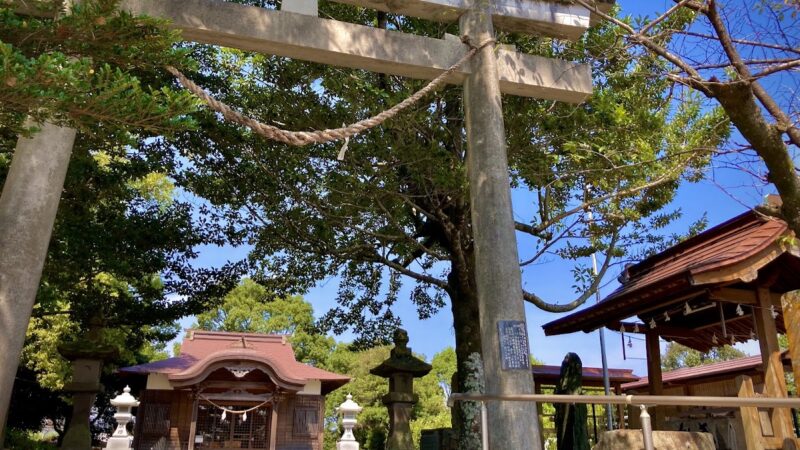
The shrine building of Hirohara Shrine exhibits a tranquil appearance befitting a local shrine. Having been carefully preserved by the local people throughout its long history, the shrine building exudes a simple yet solemn atmosphere.
Atmosphere of the Shrine Grounds
The grounds of Hirohara Shrine are a quiet space blended into the local community. Away from the hustle and bustle of the city, it provides an environment where one can pray in peace. Walking along the approach to the shrine, you can feel the history of the shrine that has protected this land for centuries and the faith of the local people.
Annual Events and Festivals
Annual Festival
Hirohara Shrine holds various festivals rooted in the local community throughout the year. Especially during the annual festival, parishioners and local residents gather, deepening the bonds of the community centered around the shrine.
New Year’s Visit
At the start of the new year, local people visit the shrine for their first visit of the year, praying for safety throughout the year and the health of their families. Enjoy a warm and welcoming atmosphere at this locally-focused shrine.
Shichi-Go-San and Omiyamairi (Shrine Visit for Newborns)
Hirohara Shrine also hosts Shichi-Go-San and Omiyamairi ceremonies, celebrating the growth of local children. For families who have lived in this area for generations, reporting milestones in their children’s growth to the local guardian deity is an important tradition.
Access and Visiting Information
Location
Address: Hirohara, Miyazaki City, Miyazaki Prefecture
Transportation Access
Access by Car
Approximately 15-20 minutes by car from the center of Miyazaki City. The Sumiyoshi area is located in the southern part of Miyazaki City and is easily accessible from national and major roads.
Access by Public Transportation
Within walking distance from the nearest bus stop. For detailed access information, it is recommended to check local guides and maps in advance.
Parking
Parking spaces are available for visitors, but may be crowded during festivals.
Visiting Hours
While visiting the shrine grounds is generally free, the shrine office’s operating hours may be limited. Those wishing to receive a Goshuin (shrine stamp) or prayers are advised to check in advance.
Nearby Tourist Attractions
Major Shrines in Miyazaki City
When visiting Hirohara Shrine, we also recommend visiting other shrines in Miyazaki City:
- Miyazaki Jingu: A representative shrine of Miyazaki Prefecture, dedicated to Emperor Jimmu
- Aoshima Shrine: A seaside shrine famous for matchmaking
- Eda Shrine: An ancient shrine considered to be the birthplace of Japanese mythology
Charms of the Sumiyoshi District
The Sumiyoshi district is located in the southern part of Miyazaki City and is a region where rural areas and residential areas harmoniously coexist. You can experience a blend of the atmosphere of an old settlement and modern life.
Guidelines for Visiting Hirohara Shrine
Shrine Visit Manners
Please observe basic shrine visit manners and offer your prayers with sincerity:
- Bow before passing through the torii gate: This is a courtesy before entering the sacred area.
- Walk along the edge of the path: The center is considered the path of the gods.
- Purify your body and mind at the water basin: Purify your left hand, right hand, and mouth in that order.
- Two bows, two claps, one bow: This is the basic way to pray at the main hall.
Cherishing Local Shrines
Hirohara Shrine is a shrine that has been protected by the local people. When visiting as a worshipper, it is important to respect the local faith and traditions and pray quietly and sincerely.
The Charm and Value of Hirohara Shrine
Inheritance of Locally Rooted Faith
The greatest charm of Hirohara Shrine lies in its long history dating back to the Kamakura period and the local faith that has been continuously passed down to the present day. The continued use of the name “Sanno-sama” indicates that this shrine is not merely a historical building, but a living place of worship.
Role as a Community Center
In modern society, where community ties are weakening, Hirohara Shrine still plays a vital role in connecting local people. Through its festivals, it fosters intergenerational exchange and serves as a place where local traditions and culture are passed down to future generations.
A Quiet Place of Worship
Unlike large, touristy shrines, Hirohara Shrine offers a quiet place of worship that is integrated into the daily lives of local people. It is an ideal environment for those who wish to escape the hustle and bustle and offer prayers in peace.
Miyazaki City’s Shrine Culture and Hirohara Shrine
The Role of Shrines in Miyazaki City
While Miyazaki City boasts nationally renowned shrines such as Miyazaki Jingu and Aoshima Shrine, it also has numerous community-oriented shrines like Hirohara Shrine. These local shrines have different roles than large-scale shrines, functioning as places of worship closely intertwined with the daily lives of residents.
A History of Shinto-Buddhist Syncretism
The relationship with Gokuraku-ji Temple and the background of Sanno worship make this a valuable example of the history of Shinto-Buddhist syncretism in Japanese religious history. The history of Hirohara Shrine is also important for understanding the religious views of Japan before the Meiji-era separation of Shinto and Buddhism.
Recommended Points for Visitors
Recommended for:
- Those interested in local history and culture: You can feel the history that has continued since the Kamakura period.
- Those who want to worship quietly: You can find peace of mind in a tranquil atmosphere.
- Those visiting shrines in Miyazaki City: You can discover a different kind of charm than famous shrines.
- Those who want to cherish local traditional culture: You can experience a living place of worship.
Points to Note When Visiting
Hirohara Shrine is a shrine deeply rooted in the lives of the local community, so many parishioners gather during festivals and local events. During such times, please respect the faith of the local people and strive to worship quietly.
Summary: History and Faith at Hirohara Shrine
Hirohara Shrine is a historic shrine located in the Sumiyoshi district of Miyazaki City, Miyazaki Prefecture. It is believed to have been founded during the Kamakura period as a guardian shrine for Gokuraku-ji Temple. Before the Meiji Restoration, it was known as Sanno-sha, and from the Edo period onward, it served as the guardian shrine of Hirohara Village, attracting the faith of the local people.
Even today, it is affectionately known as “Sanno-sama” and is revered by the residents of Hirohara as their guardian shrine. The strong ties with the community cultivated over its long history remain undiminished in modern times; rather, its importance as a spiritual pillar of the local community has only increased.
When visiting Miyazaki City, be sure to visit not only famous tourist shrines, but also locally rooted shrines like Hirohara Shrine. There, you will find a genuine example of faith deeply intertwined with the lives of the local people, something not found in tourist guides. As you pray in the quiet grounds, you will feel the weight of history dating back to the Kamakura period and the vibrant faith of the community that still thrives today.
We hope that your visit to Hirohara Shrine will allow you to rediscover the richness of Japan’s regional culture and the significant social role that shrines have played.