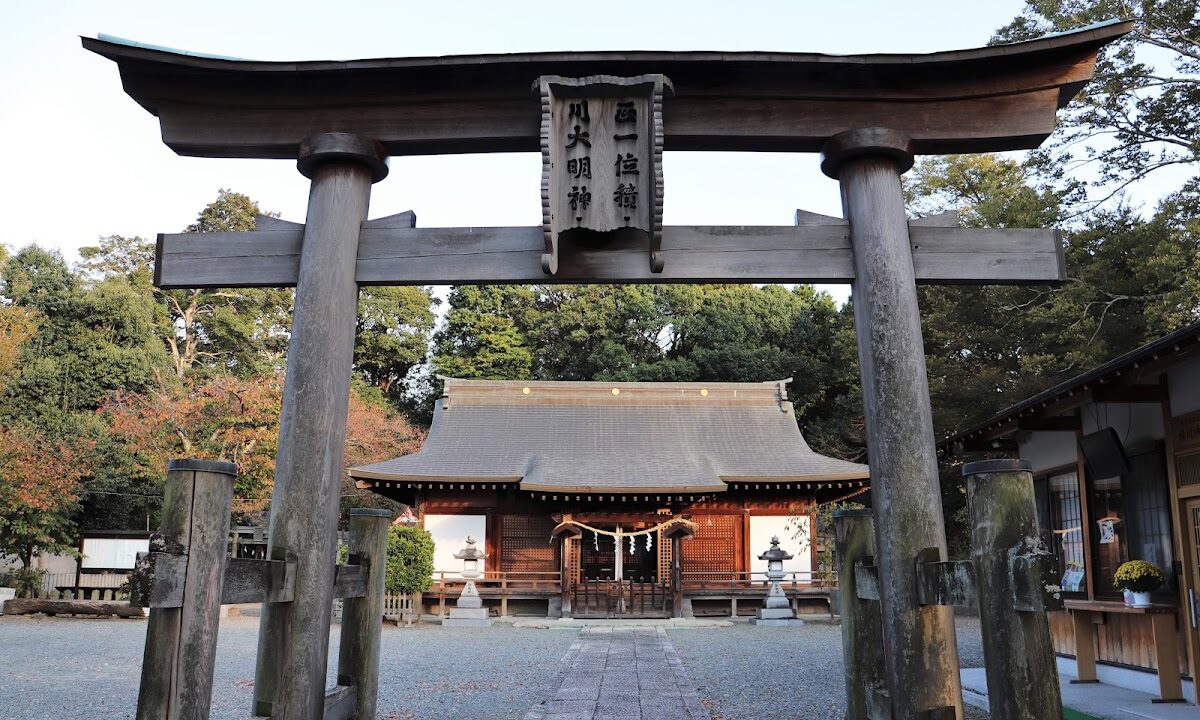
Complete Guide to Tsumikawa Shrine (Osaka Prefecture) | Exploring the History of the Five Shrines of Izumi and National Treasure-Class Cultural Properties
Located in Tsumikawa-cho, Kishiwada City, Osaka Prefecture, Tsumikawa Shrine has been revered since ancient times as one of the most prestigious shrines in Izumi Province. It is a Shikinaisha (a shrine listed in the Engishiki Jinmyocho), one of the Five Shrines of Izumi, and the Fourth Shrine of Izumi Province, making it an important shrine that conveys the history and culture of the region to the present day. It possesses numerous valuable cultural properties, including the main hall rebuilt by Toyotomi Hideyori, attracting considerable interest from history enthusiasts and worshippers alike.
Basic Information about Sekikawa Shrine
Address: 350 Sekikawa-cho, Kishiwada City, Osaka Prefecture
Phone: 072-479-0134
Shrine Rank: Shikinaisha (Engishiki Minor Shrine), Former Village Shrine, Fourth Shrine of Izumi Province
Annual Festival: October 8th
Goshuin (Shrine Seal): Available (Granted at the shrine office)
Parking: Available (Parking space for visitors near the shrine grounds)
Access: Approximately 5 minutes on foot from the “Sekikawa” bus stop (Nankai Bus) from Kishiwada Station or Izumi-Omiya Station on the Nankai Main Line
Sekikawa Shrine is located in the upper reaches of the Ushiyaki River and has long been revered by local residents as a water god. Even today, it stands quietly in a mountainous environment, retaining a strong historical atmosphere.
Deities Enshrined at Sekikawa Shrine
Five deities are enshrined at Sekikawa Shrine.
Main Deities
- Ikui-no-kami
- Sakai-no-kami
- Tsunagai-no-kami
- Asuha-no-kami
- Hahiki-no-kami
These deities are all known as gods associated with water and wells, and have been revered since ancient times as beings who govern water, the source of life. In particular, Sekikawa Shrine, located upstream of the Ushiyaki River, played a crucial role as a water management deity, ensuring the availability of water for agriculture and daily life, and was closely intertwined with the lives of the local residents.
During severe droughts, prayers for rain were offered, and its miraculous powers were widely known. This history of faith formed the foundation for Sekikawa Shrine’s development into one of the leading shrines in Izumi Province.
History of Sekikawa Shrine
Founding and Ancient Times
Sekikawa Shrine is said to have been founded during the reign of Emperor Sujin (circa 97 BC to 30 BC). Emperor Sujin is known as “Hatsukunishirasumeramikoto” and is considered the emperor who laid the foundation for the Japanese state. The tradition that it was founded during this period speaks to the ancient history and high status of Sekikawa Shrine.
The Engishiki Jinmyocho (compiled in 927 AD) lists it as “Sekikawa Shrine, Minami-gun, Izumi Province,” indicating that it was already a Shikinaisha (a shrine listed in the Engishiki) recognized by the imperial court during the Heian period. Before the medieval period, it was one of the leading shrines in Izumi Province, counted as one of the Five Shrines of Izumi, and held the high rank of Izumi Province’s Fourth Shrine.
Izumi Five Shrines and Izumi Province’s Fourth Shrine
The Izumi Five Shrines refer to five shrines of particularly high status in Izumi Province. Sekikawa Shrine, as one of these shrines, has been positioned as one of the four major shrines of Izumi Province, alongside Izumi Inoue Shrine (Ichinomiya), Izumi Anashi Shrine (Ninomiya), and Hijiri Shrine (Sannomiya). This rank indicates that it was not merely a local shrine, but also an important entity recognized by the provincial government.
Status as an Imperial Prayer Shrine
Sekikawa Shrine is also known as an Imperial Prayer Shrine. An Imperial Prayer Shrine is a shrine where prayers for national peace and the prosperity of the Imperial family are offered by imperial command of the Emperor or Retired Emperor. Retired Emperor Shirakawa (1053-1129) was deeply devoted to Sekikawa Shrine and dedicated a wooden plaque inscribed with his own calligraphy. This “Wooden Plaque Inscribed with Shirakawa’s Calligraphy” is still preserved as a designated cultural property of Osaka Prefecture and is a valuable historical document that proves Sekikawa Shrine’s deep connection with the Imperial Court.
From the Medieval to the Early Modern Period
Throughout the medieval period, Sekikawa Shrine remained the center of local faith. It is believed that the shrine temporarily declined due to the wars of the Sengoku period, but it underwent a major turning point during the Toyotomi regime.
Between 1602 and 1605, the main hall was rebuilt by Toyotomi Hideyori. Hideyori, as the son of Toyotomi Hideyoshi, maintained his power from Osaka Castle, and the reconstruction of Sekikawa Shrine was one of the projects demonstrating the authority of the Toyotomi clan. This main hall still remains today and is protected as a nationally designated important cultural property.
Furthermore, it is said that Hideyori’s mother, Yodo-dono (Chacha), was deeply devoted to Sekikawa Shrine and donated a portable shrine. This portable shrine is also a prefecturally designated cultural property, and it continues to convey the deep connection between the Toyotomi family and Sekikawa Shrine.
Modern Era
Under the Meiji era’s shrine ranking system, it was ranked as a local shrine. Although the shrine ranking system was abolished after the war, Tsumikawa Shrine continues to attract many worshippers as the local tutelary shrine and as a shrine possessing historical cultural assets.
Main Hall, a Nationally Designated Important Cultural Property
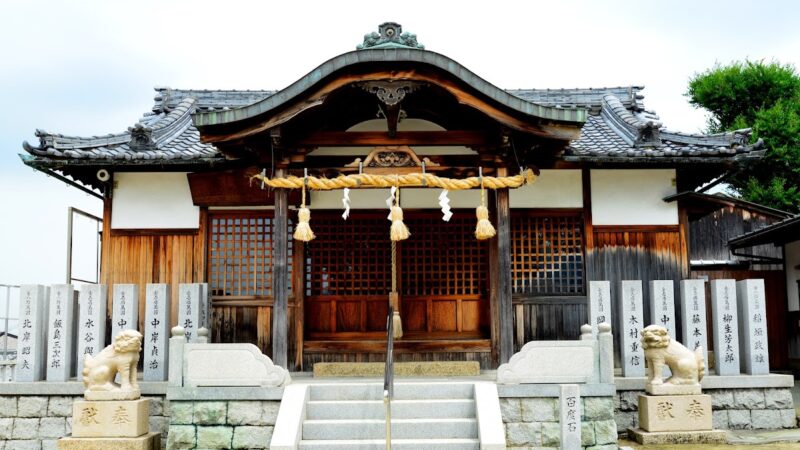
The greatest highlight of Tsumikawa Shrine is its main hall, a nationally designated Important Cultural Property.
Architectural Style
The main hall is built in the Sangensha Nagare-zukuri style. A Sangensha is a shrine building with a front measuring three bays (approximately 5.4 meters), making it a relatively large main hall style. Nagare-zukuri is a style where the front of the roof extends long to cover the portico, and it is one of the most common styles in Japanese shrine architecture.
The front of the main hall is adorned with a Chidori-hafu, enhancing its decorative appeal. A Chidori-hafu is a triangular gable placed midway along the roof, a design used in high-status architecture.
The roof is finished with cypress bark roofing. Cypress bark roofing is a traditional method of layering cypress bark and is considered the most prestigious roofing method in shrine architecture.
Construction Period and Features
It is believed to have been built between 1602 and 1605, and is said to have been rebuilt by Toyotomi Hideyori. It is a valuable historical structure that conveys the architectural style of the Momoyama and early Edo periods, and is a building that embodies the pinnacle of shrine architecture technology of the time.
The intricate carvings and decorations in the details demonstrate the wealth and technical prowess of the Toyotomi regime. Even after more than 400 years, it continues to maintain its beautiful appearance and is passed down to future generations through regular repairs.
Other Cultural Assets
Besides the main hall, Tsumikawa Shrine preserves many other valuable cultural assets.
Wooden Statues of Male and Female Deities (Prefectural Designated Cultural Property)
Wooden statues of male and female deities are enshrined within the main hall. These are believed to be from the Kamakura period (around the 13th century) and are designated as a cultural property of Osaka Prefecture. The pair of statues are worshipped as divine bodies and are highly valued in art history as excellent examples of medieval divine sculpture.
The statues are usually not open to the public, but may be viewed on special occasions. Kamakura period divine statues are rare nationwide and are cultural assets that speak to the depth of the history of Sekikawa Shrine.
Wooden Plaque with Calligraphy by Emperor Shirakawa (Prefectural Designated Cultural Property)
A plaque inscribed by Emperor Shirakawa himself is preserved as a cultural property of Osaka Prefecture. Emperor Shirakawa is known as the emperor who initiated the cloistered government system and was a devout believer in Shinto and Buddhism, frequently making pilgrimages to Kumano.
This plaque is direct evidence that Emperor Shirakawa considered Sekikawa Shrine to be an imperial prayer shrine, and as a late Heian period calligraphy piece, it possesses extremely high historical value.
Portable Shrine (Prefectural Designated Cultural Property)
The portable shrine, said to have been donated by Yodo-dono, is also a designated cultural property of Osaka Prefecture. Adorned with the lavish decorations of the Momoyama period, this shrine demonstrates the high level of craftsmanship of the time and is a cultural asset symbolizing the power of the Toyotomi family.
This portable shrine is used during the annual festival, adding color to the local traditional event.
Remote Worship Site on the Kumano Kodo
One of the unique features of Sekikawa Shrine is the existence of a remote worship site located along the Kumano Kodo (Kumano Ancient Road).
What is a Remote Worship Site?
A remote worship site is a worship facility located some distance from the main shrine, from which one can pray facing the direction of the main shrine. The remote worship site for Sekikawa Shrine was located along the Kumano Kodo pilgrimage route, allowing pilgrims to pay their respects to Sekikawa Shrine from afar during their journey to Kumano.
Relationship with the Kumano Kodo
The Kumano Kodo was a pilgrimage route leading from Kyoto and Osaka to the Kumano Sanzan shrines. From the Heian period onward, many nobles and commoners made pilgrimages to Kumano. The presence of a remote worship site along this route indicates that Sekikawa Shrine was an important object of worship along the Kumano pilgrimage route.
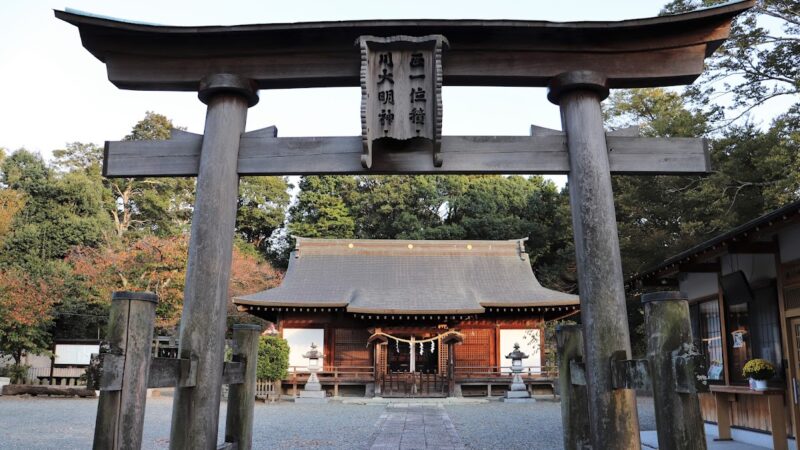
The remote worship torii gate still remains today, forming a historical landscape. For history enthusiasts visiting the Kumano Kodo, the remote worship site of Sekikawa Shrine is a must-see spot.
Highlights of the Shrine Grounds
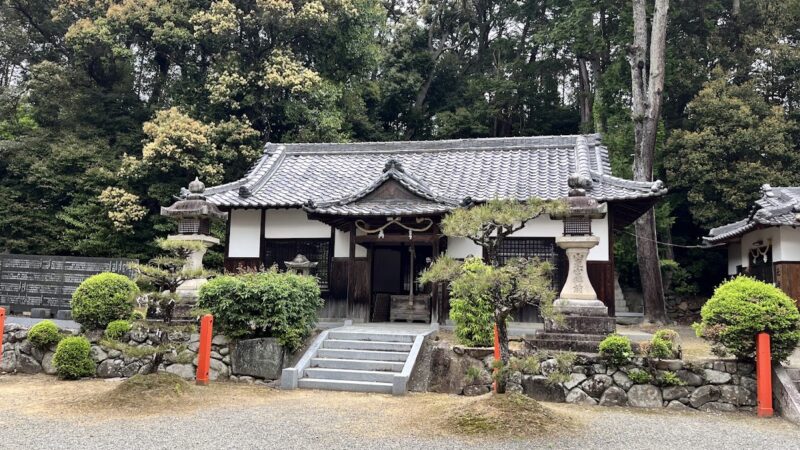
The grounds of Sekikawa Shrine are situated in a quiet mountainous environment, surrounded by abundant nature.
Approach and Torii Gate
The approach to the shrine grounds has a tranquil atmosphere, covered in greenery. Passing through the torii gate, a space imbued with historical significance unfolds. ### Worship Hall
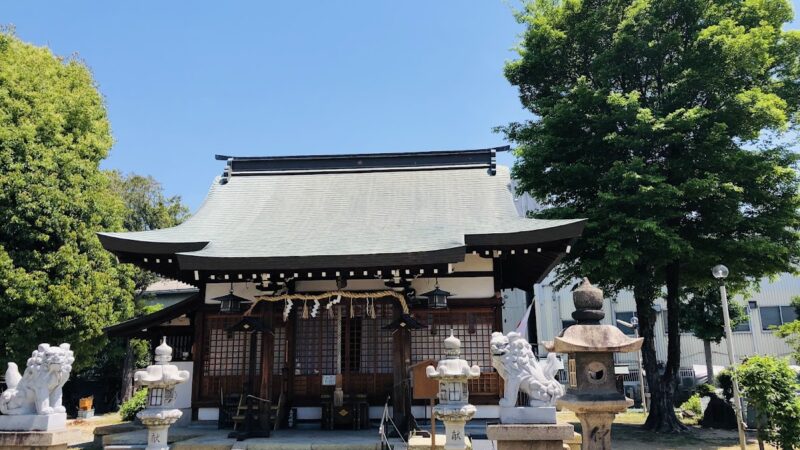
A worship hall is located in front of the main shrine, where worshippers offer their prayers. From the worship hall, one can see the main shrine, a nationally designated important cultural property, and feel the breath of history in its majestic appearance.
Shrine Office
At the shrine office, you can receive Goshuin (shrine stamps), amulets, ema (votive tablets), and other items. Many people receive Goshuin as a memento of their visit, and the courteous service is well-regarded.
Natural Environment
Summerged in the rich nature of the upper reaches of the Ushiyaki River, Tsumikawa Shrine offers beautiful scenery throughout the seasons. The harmony between the beautiful nature and historical buildings is particularly stunning during the seasons of fresh greenery and autumn leaves.
Festivals and Annual Events
Annual Festival (October 8th)
The annual festival of Tsumikawa Shrine is held every year on October 8th. This is the most important festival for the shrine, and a solemn procession of the portable shrine and Shinto rituals take place. Local parishioners and devotees gather to pray for a bountiful harvest and the safety of the community.
Sometimes, a portable shrine designated as a prefectural cultural property, said to have been donated by Yodo-dono, is used, offering a valuable opportunity to experience the atmosphere of a historical festival.
Other Events
Various Shinto rituals are performed throughout the year, functioning as the center of the community’s religious life. Personal prayers such as New Year’s visits, Shichi-Go-San (a traditional rite of passage for children), and exorcisms are also accepted, making it a spiritual haven for local residents.
Access to Sekikawa Shrine
Public Transportation
- Take a Nankai Bus from Nankai Main Line “Kishiwada Station” or “Izumi-Omiya Station”
- Get off at the “Sekikawa” bus stop and walk for approximately 5 minutes.
Since bus services are limited, it is recommended to check the timetable in advance.
By Car
- Approximately 15 minutes from the Kishiwada-Izumi Interchange on the Hanwa Expressway
- Parking available for visitors near the temple grounds
Due to its mountainous location, some roads are narrow. Please drive with caution.
Nearby Tourist Attractions
Ushiyakiyama Daiitoku-ji Temple
An ancient temple located about 10 minutes by car from Sekikawa Shrine. Known for its beautiful autumn foliage, the temple boasts stunning natural scenery along the Ushiyaki River.
Kishiwada Castle
A castle located in the heart of Kishiwada City. From the castle tower, you can enjoy panoramic views of the city and Osaka Bay, and learn about the history of Kishiwada.
Danjiri Hall
A facility introducing the history and culture of the Kishiwada Danjiri Festival. It displays actual danjiri floats, allowing visitors to experience Kishiwada’s traditional culture.
Points and Manners for Visiting the Shrine
Proper Way to Visit
- Bow before passing through the torii gate.
- Cleanse your hands and mouth at the water basin.
- Bow twice, clap twice, and bow once in front of the main hall.
- Walk quietly around the shrine grounds.
Photography
Photography is generally permitted on the shrine grounds, but photography inside the main hall or during Shinto rituals may be restricted. Please check with the shrine office if you have any questions.
Attire
There are no specific dress code requirements, but it is desirable to wear modest attire that reflects the sacred nature of the place.
Summary of the Charms of Tsumikawa Shrine
Tsumikawa Shrine is not merely a tourist spot; it is a representative shrine of Izumi Province, boasting a history of faith dating back to ancient times and possessing valuable cultural assets, including nationally designated important cultural properties.
The majestic appearance of the main hall rebuilt by Toyotomi Hideyori, the plaque inscribed by Emperor Shirakawa, and the portable shrine donated by Yodo-dono are just some of its many charms, highlighting its deep connections with famous historical figures. Nestled in the tranquil environment of the upper reaches of the Ushiyaki River, the history of this shrine, revered by local residents as a water deity, continues to thrive even today.
Why not visit Sekikawa Shrine as part of a pilgrimage to the five shrines of Izumi Province, a tour of the Kumano Kodo historical sites, or a historical exploration of Kishiwada City? The time spent quietly praying in the shrine grounds, enveloped in the weight of history and a serene atmosphere, will surely be a memorable experience.
Located at 350 Sekikawa-cho, Kishiwada City, Osaka Prefecture, Sekikawa Shrine is equally valuable to history buffs and those seeking a peaceful visit. Please visit and experience the prestige and history of this fourth-ranked shrine of Izumi Province.