Umemiya Shrine (Otsu City, Shiga Prefecture) Complete Guide | Thorough Explanation of Deities, Blessings, Access, and History
Umemiya Shrine, located in Otsu City, Shiga Prefecture, is a historical shrine deeply rooted in the community and has been cherished by local people for centuries. This article provides detailed information useful for those considering a visit, including the deities enshrined at Umemiya Shrine, blessings, highlights of the grounds, access methods, and historical background.
Basic Information about Umemiya Shrine
Umemiya Shrine is located in Otsu City, Shiga Prefecture, and has been revered as the local guardian deity for many years. The shrine buildings, nestled in a tranquil environment, offer peace of mind to visitors.
Location and Contact Information
Location: Otsu City, Shiga Prefecture
Umemiya Shrine is located in Otsu City and functions as a center of faith for local residents. The surrounding area is a harmonious blend of residential areas and nature, allowing for a peaceful atmosphere for worship.
Visiting Hours and Admission Fee
The shrine grounds are generally open to visitors. Like most shrines, you can visit from early morning until evening, but the shrine office’s operating hours may be limited, so it’s recommended to check in advance if you wish to obtain a goshuin (shrine stamp) or amulet.
There is no entrance fee, and anyone is welcome to visit.
Deities and Blessings of Umemiya Shrine
About the Deities
The deities enshrined at Umemiya Shrine are gods who have been revered as guardian deities of the region. Given the name “Umemiya,” it’s possible that deities associated with plums or those related to Umemiya Taisha Shrine in Kyoto are enshrined here.
Generally, the following deities are often enshrined at Umemiya Shrine:
- Sakatoke-no-kami
- Sakatoke-ko-no-kami
- Oyamatsumi-no-kami
- Ninigi-no-mikoto
These deities are known for their blessings related to safe childbirth, fertility, and protection from evil.
Main Blessings
The main blessings you can expect at Umemiya Shrine include:
Safe Childbirth and Fertility
Umemiya Shrine is traditionally known for its blessings related to safe childbirth and fertility. This stems from the mythology of the enshrined deities, and many women visit to pray for safe childbirth.
Protection from Evil and Good Fortune
Many visitors come to ward off evil during their unlucky years, to dispel misfortunes in daily life, and to pray for good fortune.
Family Safety
As the guardian deity of the region, it is worshipped as a god that protects the health of families and the peace of the home.
Fulfillment of Wishes
As a god that grants various wishes, it attracts worshippers with diverse desires.
History and Origins of Umemiya Shrine
History of Founding
The founding date of Umemiya Shrine is based on old local records and traditions. Like many local shrines, it is believed to have been founded as a guardian deity of the region from ancient to medieval times.
Shiga Prefecture flourished from ancient times as Omi Province and was an important region close to the capital. Otsu City, in particular, developed as a key point where the water transport of Lake Biwa and the land routes of the Tokaido and Nakasendo intersected, and many shrines and temples were built.
Origin of the Name of Umemiya Shrine
The name “Umemiya” has several possible origins:
- Connection to Umemiya Taisha Shrine in Kyoto: Possibility that a分霊 (bunrei, a divided spirit) from Umemiya Taisha Shrine in Ukyo-ku, Kyoto City was invited to the shrine.
- Connection to Plum Trees: Possibility that the name originates from the fact that plum trees were planted on the shrine grounds.
- Place Name Origin: Possibility that the name originates from an old place name of the surrounding area.
Plum blossoms are cherished in Japanese culture as an auspicious flower that heralds the arrival of spring, and have often been planted on shrine grounds.
Connection to the Community
Umemiya Shrine has been deeply intertwined with the lives of the residents as the local guardian deity. It has a history of playing a central role in the community through festivals and annual events.
Highlights of the Shrine Grounds
Main Hall and Worship Hall
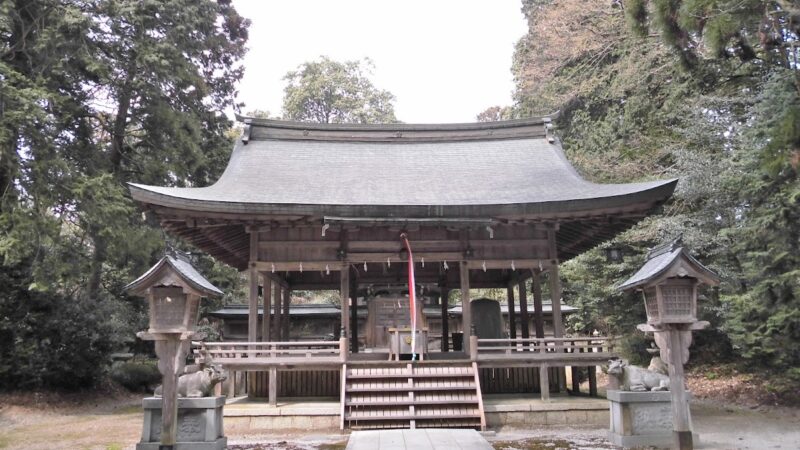
The main hall and worship hall of Umemiya Shrine are built in the style of traditional shrine architecture. Although not large in scale, the carefully maintained shrine buildings reflect the faith of the local people.
When visiting the shrine, please pray respectfully using the proper etiquette of two bows, two claps, and one bow.
Subsidiary Shrines and Auxiliary Shrines
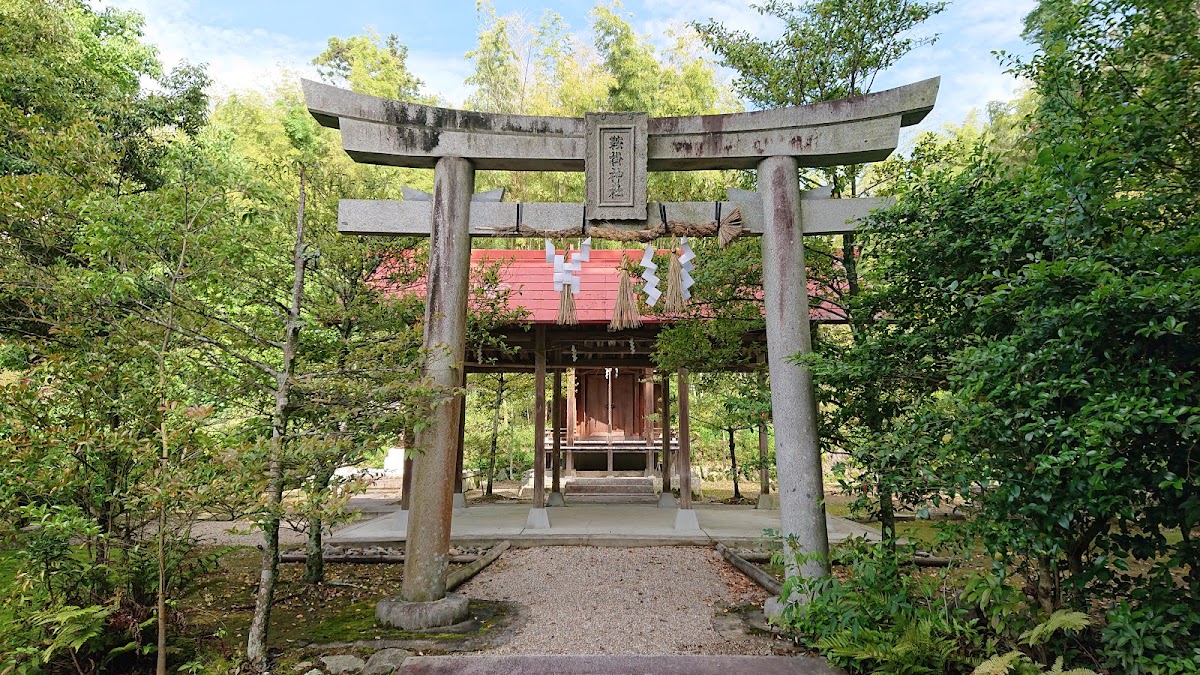
Like many shrines, Umemiya Shrine likely has subsidiary shrines and auxiliary shrines within its grounds. Each of these small shrines enshrines a different deity, and visitors come seeking specific blessings.
Plum Trees and Natural Environment
Since the shrine’s name includes “ume” (plum), it’s highly probable that plum trees are planted on the grounds. During the plum blossom season (around February to March), you can enjoy the beautiful flowers.
The natural environment within the shrine grounds provides a tranquil space despite its urban location, offering peace of mind to visitors.
Water Basin for Purification
A water basin for purification is also provided for cleansing the body and mind before praying. When visiting the shrine, please purify yourself using the following procedure:
- Hold the ladle in your right hand and purify your left hand.
- Switch the ladle to your left hand and purify your right hand.
- Switch the ladle back to your right hand, receive water in your left hand, and rinse your mouth.
- Purify your left hand once more.
- Hold the ladle upright, purify the handle, and return it to its original position.
How to Access Umenomiya Shrine
Access by Public Transportation
Umenomiya Shrine in Otsu City can be accessed using public transportation.
If using JR lines
Otsu Station or Ishiyama Station on the JR Biwako Line (Tokaido Main Line) are likely to be the nearest stations. From the stations, you can access the shrine by bus or on foot.
If using Keihan Railway lines
All stations on the Keihan Ishiyama-Sakamoto Line are also accessible. The specific nearest station depends on the exact location of the shrine.
If using buses
You can also use local buses operating within Otsu City. It’s within walking distance from the nearest bus stop.
Access by Car
From the Meishin Expressway
- From Otsu IC towards Otsu city center
- It’s also relatively close from Kyoto East IC.
Parking Information
Depending on the size of the shrine, there may not be a dedicated parking lot. When visiting, we recommend using nearby coin parking or public transportation.
Nearby Tourist Attractions
Otsu City has many tourist attractions:
Ishiyama-dera Temple
A historic temple associated with Murasaki Shikibu, known as the place where The Tale of Genji was written.
Mii-dera Temple (Onjo-ji Temple)
The head temple of the Tendai Jimon sect, housing numerous national treasures and important cultural properties.
Enryaku-ji Temple on Mount Hiei
The head temple of the Tendai sect, registered as a World Cultural Heritage site.
Lake Biwa
Japan’s largest lake, where you can enjoy sightseeing boats and water sports.
Omi Jingu Shrine
This shrine is dedicated to Emperor Tenji and is also known as a sacred site for karuta (a Japanese card game).
By visiting these tourist spots in conjunction with a visit to Umenomiya Shrine, you can fully enjoy the charm of Otsu.
Annual Events and Festivals
Main Annual Events
Umenomiya Shrine holds various Shinto rituals and festivals throughout the year.
Hatsumode (January 1st-3rd)
The shrine is bustling with worshippers who come to welcome the new year and pray for safety and happiness throughout the year.
Setsubun Festival (around February 3rd)
Events such as bean-throwing are held, and prayers are offered for protection against evil.
Plum Blossom Season (late February-early March)
The time when the plum blossoms in the shrine grounds are in bloom is a special season to visit while admiring the flowers.
Spring Festival
The grand festival held in spring brings together local residents to express gratitude to the gods and pray for the prosperity of the community.
Summer Purification Ceremony (June 30th)
This Shinto ritual purifies the impurities accumulated over the past six months and prays for good health and protection from illness for the remaining half of the year.
Autumn Festival
This important festival expresses gratitude for the autumn harvest and prays for the peace and security of the community.
Shichi-Go-San (around November 15th)
This festival celebrates the growth of children and prays for their healthy development.
Characteristics of the Festival
As a local shrine, Umemiya Shrine’s festivals are characterized by strong ties with local residents. Parishioners and local people cooperate in holding the festivals, creating a place for intergenerational exchange.
Goshuin (Shrine Seals) and Gifts
About Goshuin
Umemiya Shrine may offer Goshuin (shrine seals). A Goshuin (temple/shrine stamp) serves as proof of your visit and is an important symbol of your connection with the shrine.
Points to note when receiving a Goshuin:
- Always complete your prayers before receiving a Goshuin.
- Bring your Goshuincho (stamp book) with you (pre-printed stamps may be available).
- Prepare a donation (approximately 300-500 yen).
- Check the shrine office’s operating hours in advance.
- Be polite and respectful in your language and demeanor.
Items Offered (Amulets and Talismans)
Umemiya Shrine is believed to offer a variety of items:
Safe Childbirth Amulet
Amulet unique to Umemiya Shrine, known for its blessings of safe childbirth.
Childbearing Amulet
Amulet for those wishing to conceive.
Exorcism Amulet
Amulet for those in their unlucky year or those wishing to avoid misfortune.
Traffic Safety Amulet
Amulet for safe driving and cycling.
Academic Success Charm
This charm is for students and those taking exams, wishing for academic success.
Family Safety Charm
This charm is displayed in the home to pray for the safety and happiness of the family.
Manners and Etiquette for Visiting a Shrine
Basic Shrine Visit Etiquette
There are basic manners to observe when visiting a shrine. When visiting Umenomiya Shrine, please observe the following etiquette.
How to Pass Through the Torii Gate
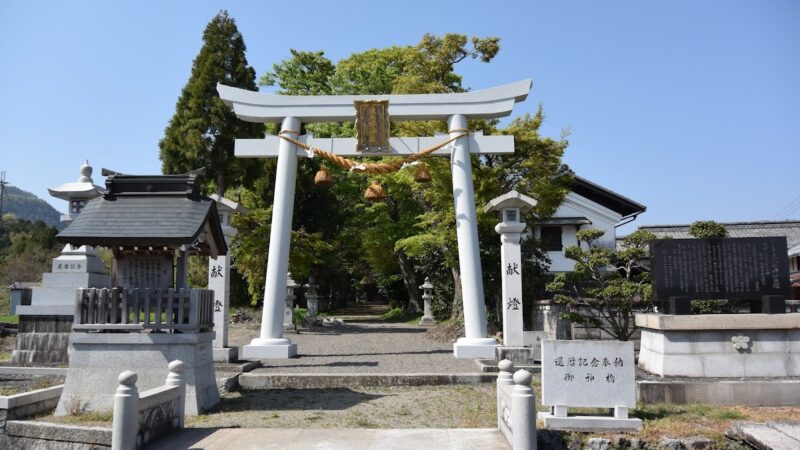
- Bow before passing through the torii gate.
- Walk along the side of the path, as the center is the path for the gods.
How to Purify Yourself at the Water Basin
Follow the purification method described above.
Procedure for Worshiping at the Main Hall
- Gently place your offering in the offering box.
- If there is a bell, ring it.
- Bow twice (two deep bows).
- Clap your hands twice.
- Pray sincerely.
- Bow once (one deep bow).
Attire for Worship
Everyday clothes are acceptable, but please note the following:
- Dress neatly.
- Avoid revealing clothing.
- Remove hats and sunglasses in front of the main hall.
- Formal attire is recommended if receiving a formal prayer.
Photography
Photography is generally permitted on the shrine grounds, but please observe the following manners:
- Do not take photos in areas where photography is prohibited, such as inside the main hall.
- Be considerate of other worshippers.
- Remember that this is a sacred place and take photos with respect.
- Use flash sparingly.
The Charm and Characteristics of Umenomiya Shrine
A Faith Rooted in the Community
The greatest charm of Umemiya Shrine lies in its deep-rooted connection to the local community. Unlike large-scale tourist shrines, it exudes a warm atmosphere closely intertwined with the daily lives of the local people.
A Tranquil Worship Environment
Despite its urban location, the shrine grounds are enveloped in a quiet and peaceful atmosphere. This environment, where one can escape the hustle and bustle and offer heartfelt prayers, is a precious space for modern people.
Nature Through the Seasons
Especially in early spring when the plum blossoms bloom, the shrine grounds are adorned with beautiful flowers, making for a visually enjoyable visit. Worshiping while surrounded by the fragrance of plum blossoms will be a special experience.
Easy Access
Located within Otsu City, it is easily accessible from Kyoto and Osaka, making it easy to combine a visit with other tourist attractions.
Nearby Dining and Rest Spots
Otsu City’s Local Cuisine
Enjoying Otsu City’s local cuisine before or after visiting Umemiya Shrine is highly recommended.
Funazushi
A traditional fermented food from Shiga Prefecture, characterized by its unique flavor.
Omi Beef
One of Japan’s three major wagyu beef brands, with numerous restaurants serving Omi beef in Otsu City.
Lake Biwa Fish Dishes
Enjoy fresh fish dishes caught in Lake Biwa, such as ayu (sweetfish) and Biwa trout.
Otsu Soba
Numerous soba noodle restaurants beloved by locals are scattered throughout the area.
Cafes and Rest Spots
There are cafes and sweet shops nearby where you can relax after visiting the shrine. Enjoying tea time while overlooking Lake Biwa is a special experience.
Points to Know Before Visiting
Best Time to Visit
To Enjoy Plum Blossoms: Late February to Early March
Visiting during the plum blossom season allows you to enjoy the beautiful flowers while visiting the shrine.
For a peaceful visit: Weekday mornings
Visiting during less crowded times allows for a more relaxed visit.
For experiencing a festival: During the annual festival period
You can experience the traditional local festival.
Estimated time required
Depending on the size of the shrine grounds, a simple visit takes about 15-30 minutes. If you plan to receive a Goshuin (shrine stamp) or stroll around the grounds, allow about an hour.
Useful items to bring
- Goshuincho (stamp book) (if you plan to receive a Goshuin)
- Small change (for offerings and donations)
- Camera (to photograph the beautiful scenery of the shrine grounds)
- Rain gear or parasol depending on the weather
How to enjoy visiting Umenomiya Shrine
How to enjoy each season
Spring (March-May)
Starting with plum blossoms, this is a beautiful season of fresh greenery. The mild climate makes for a pleasant visit.
Summer (June-August)
There are Shinto rituals such as the Natsukoshi no Harae (summer purification ceremony). You can enjoy the coolness of the lush green grounds.
Autumn (September-November)
This is the time for the Autumn Festival, and you may be able to enjoy the autumn foliage. It is also the season for Shichi-Go-San (a traditional Japanese rite of passage for children).
Winter (December-February)
The shrine is bustling with people visiting for Hatsumode (the first shrine visit of the New Year). Visiting in the cold weather is a solemn experience.
Combining with Other Shrines and Temples
We also recommend combining your visit with other shrines and temples in Otsu City or the surrounding area:
- Combining with Ishiyama-dera Temple (a journey of literature and faith)
- Combining with Mii-dera Temple (historical exploration)
- Combining with Omi Jingu Shrine (shrine pilgrimage)
- Combining with Enryaku-ji Temple on Mount Hiei (a full-fledged temple and shrine pilgrimage)
Experiencing Local Culture
Through a visit to Umenomiya Shrine, you can experience the local culture and history of Otsu City. Interacting with locals and participating in festivals (if possible) will enrich your travel memories.
Summary: A Recommendation for Visiting Umemiya Shrine
Umemiya Shrine in Otsu City, Shiga Prefecture, is a warm and welcoming shrine deeply rooted in the community. It’s recommended not only for those seeking blessings for safe childbirth, fertility, and protection from evil, but also for those seeking a peaceful environment to calm their minds and those who want to enjoy the plum blossoms.
Despite its convenient location in Otsu City, Umemiya Shrine offers a tranquil space away from the hustle and bustle of the city. It can be easily combined with sightseeing around Lake Biwa or Kyoto.
When visiting, observe basic shrine etiquette and remember to show respect to the deities. Keep in mind that this is a place of faith cherished and protected by the local people, and strive for a respectful visit.
While early spring, when the plum blossoms are in bloom, is especially recommended, the shrine grounds offer new discoveries with each passing season. Please do visit Umemiya Shrine and experience its tranquil charm.
A journey through the history and culture of Otsu City, and the faith of its local people, will be a wonderful and memorable experience. May your visit to Umemiya Shrine be a meaningful one.