Complete Guide to Kurakake Shrine (Otsu City, Shiga Prefecture) | History and Visiting Information Related to Emperor Kobun
Kurakake Shrine, located in Koromogawa, Otsu City, Shiga Prefecture, is a historic shrine that conveys the tragic history of ancient Japan. It is considered the final resting place of Emperor Kobun (Prince Otomo), who was defeated in the Jinshin War. With a history of over 1100 years, this shrine holds the memory of an event that marked a crucial turning point in Japanese history.
This article comprehensively introduces all the information you need to know before visiting Kurakake Shrine, including its detailed history, enshrined deities, highlights within the grounds, access methods, and points to consider when visiting.
Basic Information about Kurakake Shrine
Location: 2-28-1 Kinugawa, Otsu City, Shiga Prefecture
Deity Enshrined: Emperor Kobun (Prince Otomo)
Founded: 882 (Genkei 6)
Shrine Rank: Former Village Shrine
Annual Festival Day: Second Sunday of October
Nearest Station: Approximately 14 minutes on foot from Katata Station on the JR Kosei Line
Parking: Limited space available on the shrine grounds
Visiting Hours: Open all day (Please check the hours of the shrine office)
Kurakake Shrine is an officially registered shrine of the Shiga Prefectural Shrine Association and is known as a shrine of particularly high historical value among the 132 shrines in Otsu City.
History and Origins of Kurakake Shrine
The Jinshin War and the Tragedy of Emperor Kobun
The Jinshin War, which occurred in 672, is indispensable when discussing the history of Kurakake Shrine. This largest civil war in ancient Japan took place after the death of Emperor Tenji, between his son, Prince Otomo (later Emperor Kobun), and Emperor Tenji’s younger brother, Prince Oama (later Emperor Tenmu), over the succession to the throne.
The war ended in victory for Prince Oama’s side, with Prince Otomo’s army suffering defeats at the Battles of Seta and Awazu. According to legend, the defeated Prince Otomo fled with his retainers to the Koromogawa area and took refuge in a detached palace there (the Honda Imperial Villa).
The Legend of the Willow Tree with the Saddle
The name of Kurakake Shrine originates from the scene of Prince Otomo’s final moments. It is said that upon arriving at the Koromogawa Imperial Villa, the prince hung the saddle of his horse on a willow tree, where he met his tragic end. This act of “hanging the saddle” became the origin of the shrine’s name.
The retainers who accompanied the prince returned to farming in this area after his death and enshrined the emperor’s spirit. Their descendants continued to live in this area for generations, serving the spirit daily.
Construction of the New Shrine and Formal Founding in 882
Approximately 210 years after the death of Prince Otomo, in 882 (Genkei 6), a formal shrine building was constructed by imperial decree of Emperor Yozei, the 57th emperor. This is considered the official founding of Kurakake Shrine.
At this time, the shrine’s name, “Kurakake,” was officially adopted for the first time, and for over 1100 years thereafter, it has been known by this name by the local people. The fact that it was founded by imperial decree indicates that this shrine was considered nationally important.
Historical Evaluation of Emperor Kobun
Because Prince Otomo was defeated in the Jinshin War, he was not officially recognized as emperor for a long time. However, in 1870 (Meiji 3), Emperor Meiji bestowed upon him the posthumous title of “Emperor Kōbun,” officially recognizing him as the 39th Emperor.
This posthumous title solidified Kurakake Shrine’s status as a shrine dedicated to the Emperor, further increasing its historical importance.
Deities and Divine Virtues of Kurakake Shrine
About Emperor Kōbun (Prince Ōtomo)
Birth and Death Dates: 648 (4th year of Taika) – 672 (1st year of Emperor Tenmu)
Reign: 671 – 672 (There are various theories regarding his accession to the throne)
Father: Emperor Tenji
Mother: Iga no Umenosuke Takako-musume
Emperor Kōbun was a member of the imperial family during the Asuka period, born as the first son of Emperor Tenji. He was intelligent, academically gifted, and highly regarded by his father, Emperor Tenji. However, he became embroiled in a struggle for the imperial succession and passed away at the young age of 25.
Divine Virtues (Benefits)
The divine virtues believed to be obtained by visiting Kurakake Shrine include the following:
- Academic Achievement: Wishing for academic improvement, inspired by the intelligent Emperor Kōbun
- Family Safety: Praying for the peace and well-being of the family as the guardian deity of the region
- Protection from Misfortune and Disaster: Receiving the strength to overcome difficult situations
- Protection of the Hometown: Watching over the peace and prosperity of the region
Local people have continued to visit the shrine for generations, believing in these divine virtues. Especially during exam season, many visitors come to pray for academic success.
Highlights and Features of the Shrine Grounds
Style of the Shrine Building
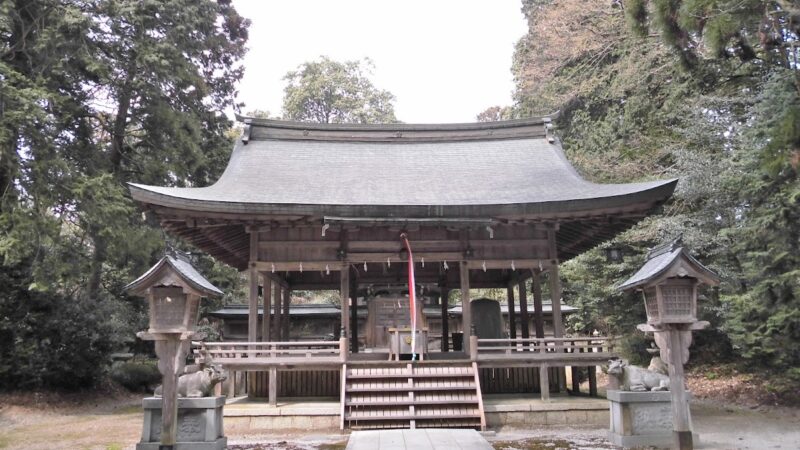
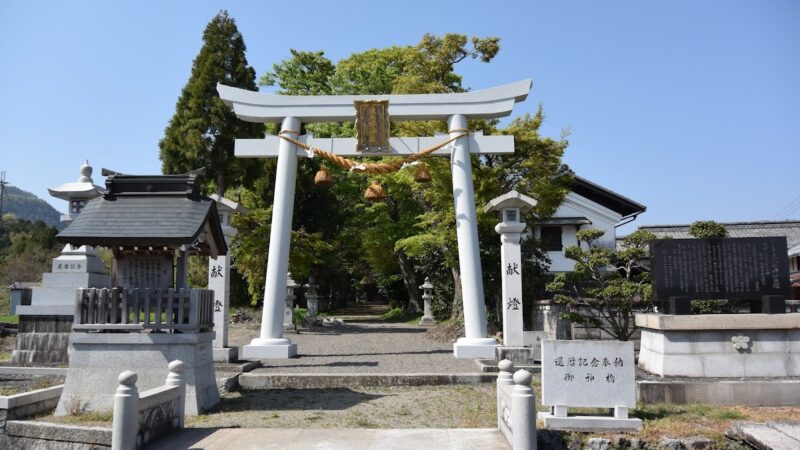
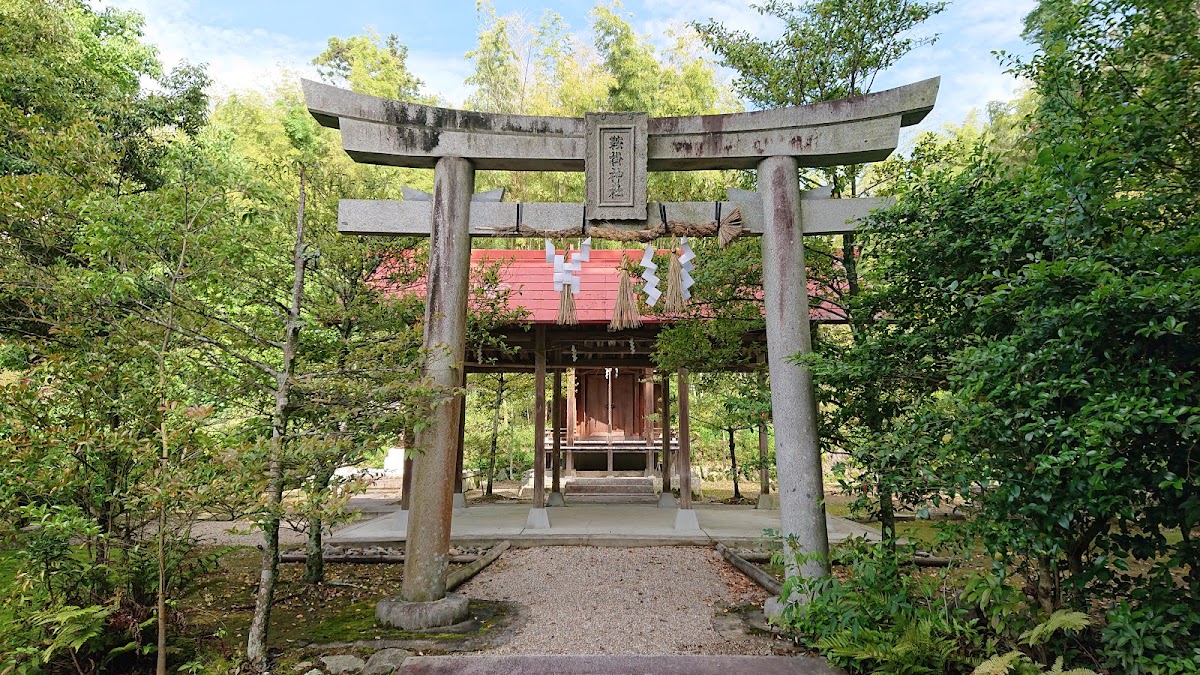
The shrine building of Kurakake Shrine has a tranquil atmosphere that conveys a sense of historical weight. The main hall maintains the style of traditional shrine architecture while being structured to suit the local climate and environment. The shrine grounds, though relatively compact, are meticulously maintained, exuding a tranquil atmosphere. Located in a residential area away from the hustle and bustle of the city, it’s clear that it has been carefully preserved as a place of worship for the local community.
Plum Blossoms and Seasonal Scenery
Kurakake Shrine is also known as a famous spot for plum blossoms. Plum trees are planted on the grounds, blooming beautifully from February to March in early spring. The sight of the white and red plum blossoms in full bloom, in stark contrast to the tragic history of Emperor Kobun, evokes a sense of regeneration and hope.
During the plum blossom season, locals and photography enthusiasts visit, enjoying the arrival of spring. The experience of being enveloped in the fragrance of plum blossoms in the quiet atmosphere of the shrine grounds is a luxurious time that cannot be found in urban areas.
Sacred Trees and Nature on the Shrine Grounds
The shrine grounds are lined with trees that have witnessed a long history. These trees have grown alongside the history of the shrine, creating a sacred atmosphere.
In particular, the legend of the “willow tree on which a saddle was hung,” which is the origin of the name of Kurakake Shrine, evokes a special feeling towards the trees on the shrine grounds. Even if the current trees are not the same as those from that time, the legend imbues the natural surroundings of the shrine with a sense of mystery.
Stone Monuments and Memorials
Within the shrine grounds, there are stone monuments that record the history and origins of the shrine. These inscriptions convey how much the local people have cherished this shrine. Records of renovations and repairs also remain, allowing us to learn about the history of how the shrine has been maintained through the ages.
How to Access Kurakake Shrine
Access by Train
Nearest Station: JR Kosei Line “Katata Station”
Kurakake Shrine is approximately a 14-minute walk from Katata Station. Exit the station and head west, taking a route through a residential area. The path is relatively flat and easy to walk.
From Kyoto: Approximately 25 minutes from JR Kyoto Station on the JR Kosei Line.
From Osaka: Approximately 1 hour from JR Osaka Station via Kyoto Station on the Special Rapid Service.
Katata Station is one of the main stations on the Kosei Line, and in addition to local trains, some rapid trains also stop there.
Access by Car
Using the Meishin Expressway:
- Approximately 30 minutes from Kyoto East IC
- Approximately 25 minutes from Otsu IC
Take National Route 161 (Nishi-Omi Road) and head towards Katata. After entering the Kinugawa area, please refer to the signs and map apps to find the shrine.
Parking: There is some space on the shrine grounds, but the number of cars is limited. During periods when congestion is expected, such as New Year’s visits and annual festivals, we recommend using public transportation.
Access by Bus
If using the bus from Katata Station, you can use the Kojaku Kotsu bus routes. However, since the number of buses is limited, we recommend checking the timetable in advance. It’s only about a 15-minute walk, so if the weather is nice, walking there is a good option.
Etiquette and Points for Visiting the Shrine
Basic Worship Etiquette
When visiting Kurakake Shrine, please observe the following basic worship etiquette:
- Bow before passing through the torii gate: As a sign of respect before entering the sacred area.
- Purify yourself at the water basin: Purify your left hand, then your right hand, then your mouth.
- Avoid walking in the center of the path: The center is considered the path of the gods.
- Two bows, two claps, one bow: Basic etiquette before the shrine.
- Bow again at the torii gate when leaving: With gratitude.
Suitable Time for Visiting
Kurakake Shrine is open for worship all day, but if you want to worship in peace, early morning is recommended. Especially on weekday mornings, there are fewer visitors, allowing you to stroll through the shrine grounds at your leisure.
If you want to enjoy the plum blossoms, the best time is on a sunny morning from late February to early March. The plum blossoms illuminated by the soft morning sun are exceptionally beautiful.
Regarding Photography
Photography is generally permitted on the temple grounds, but please note the following:
- Refrain from taking photos inside the main hall.
- Be considerate and avoid including other worshippers in your photos.
- Avoid using tripods during crowded times.
- Use flash sparingly.
Remember that this is a sacred place, and it is important to take photos with respect.
Nearby Tourist Attractions
Historic Townscape of Katata
The Katata district, where Kurakake Shrine is located, was a place where a self-governing organization called the “Katata-shu” flourished in the Middle Ages. It has a history of controlling water transport on Lake Biwa and prospering as a commercial city.
Nearby, there are many historical temples and shrines, such as Ukimido (Mangetsuji Temple) and Honpukuji Temple. Visiting them together will give you a deeper understanding of Katata’s history.
Lake Biwa Scenery
Katata is located on the western shore of Lake Biwa, offering beautiful views of the lake. The view from Ukimido Temple is particularly renowned and attracts many tourists. After visiting Kurakake Shrine, extending your trip to the shores of Lake Biwa is also recommended.
Omi Jingu Shrine
Within Otsu City, there is also Omi Jingu Shrine, dedicated to Emperor Tenji. Since Kurakake Shrine enshrines Emperor Kobun, a son of Emperor Tenji, visiting both shrines provides a more comprehensive understanding of the history surrounding the Jinshin War.
Omi Jingu Shrine is also famous as the setting for the manga/anime “Chihayafuru,” and is a popular destination for fans of competitive karuta (a Japanese card game).
Annual Events at Kurakake Shrine
Annual Festival (Second Sunday of October)
The most important festival at Kurakake Shrine is the annual festival, held on the second Sunday of October each year. On this day, local people gather to appease the spirit of Emperor Kōbun and pray for peace in the region.
After the Shinto ritual, a Naorai (a celebratory feast) is held, serving as a place to deepen the bonds of the local community. It is an important opportunity for parishioners and devotees to participate and pass on traditions to the next generation.
New Year’s Visit
At the start of the new year, local people visit the shrine for their first shrine visit of the year. While not as crowded as large shrines, it is an important place for locals to make their New Year’s wishes.
For those who want to welcome the new year in a quiet atmosphere, Kurakake Shrine is a hidden gem for their first shrine visit of the year.
Plum Blossom Season
The plum blossom season from February to March is when the shrine is at its most vibrant. Although not an official event, many people visit to enjoy the plum blossoms.
Shrine Culture in Shiga Prefecture and Kurakake Shrine
Characteristics of Shrines in Shiga Prefecture
Shiga Prefecture has held an important position as a strategic point in the Kinki region since ancient times. Otsu City, in particular, is the site of Otsu-kyo, the capital city established by Emperor Tenji, and is home to a large concentration of historical shrines and temples.
Across Shiga Prefecture, there are over 1300 shrines, and in Otsu City alone, there are 132. Each of these shrines is a valuable resource for conveying the history and culture of the region.
The Position of Kurakake Shrine
Kurakake Shrine is a small shrine in scale, but its historical importance is extremely high. As a shrine connected to the Jinshin War, a turning point in Japanese history, and as a shrine dedicated to Emperor Kobun, who met a tragic fate, it possesses unique value.
The fact that it has been protected by the local people for over 1100 years also speaks to the importance of this shrine.
The Significance of Visiting Kurakake Shrine
As a Place to Learn History
Visiting Kurakake Shrine is not merely sightseeing; it is a valuable opportunity to learn about ancient Japanese history. The Jinshin War was an event that greatly influenced Japan’s subsequent political system, and this shrine can be considered a witness to that history. Standing on the site allows you to truly feel the weight of history that you can’t learn from textbooks.
Understanding Local Culture
Shrines are the center of a region’s culture and faith. Visiting Kurakake Shrine allows you to experience the traditions and values that the people of Kinugawa have cherished for generations.
The way the local people have continued to protect the shrine teaches us the importance of community bonds that are being lost in modern society.
A Place to Find Peace of Mind
Praying in the quiet grounds provides a time to escape the hustle and bustle of everyday life and calm your mind. It can also be an opportunity to reflect on your own life while contemplating the tragic story of Emperor Kobun.
Summary
Kurakake Shrine (Kinugawa, Otsu City, Shiga Prefecture) is a historically important shrine dedicated to Emperor Kobun, who was defeated in the Jinshin War. Since its founding in 882 (Genkei 6), it has been protected by the local people for over 1100 years.
With its convenient location just a 14-minute walk from JR Katata Station, beautiful plum blossoms in its grounds, and tranquil atmosphere, this shrine is well worth a visit. When visiting Otsu City, be sure to stop by this historic shrine.
Visiting Kurakake Shrine, which marks a crucial turning point in Japanese history, will be a valuable experience for learning about history, understanding local culture, and finding inner peace. It’s a must-visit spot when touring shrines in Shiga Prefecture.