Tenshin Shrine (Otsu City, Shiga Prefecture) Complete Guide | History, Deities, Otsu Festival, and Prayer Information
Tenshin Shrine, located in Kyomachi, Otsu City, Shiga Prefecture, is a historically significant shrine founded during the Enryaku era (782-806). Formerly a prefectural shrine, it is affectionately known locally as “Shinomiya Shrine” or “Shinomiya-san.” As a central figure in the Otsu Festival, one of the three major festivals of the Lake Biwa region, and as a deity of maritime safety and traffic safety, it is a venerable shrine visited by many worshippers.
This article provides detailed information you should know before visiting Tenshin Shrine, including its history, deities, highlights within the grounds, the Otsu Festival, prayer information, and access methods.
History and Origins of Tenshin Shrine
Founding and Emperor Heizei’s Visit
Tenshin Shrine is said to have been founded during the Enryaku era (782-806) of the Nara period. Originally, the shrine was located in the area north of Iseya-cho, which is now Nakasho, Otsu City.
In October of the third year of the Daido era (808 AD) during the Heian period, Emperor Heizei, who was visiting Omi Province, used this shrine as a temporary residence (imperial site) and performed a purification ritual. This event is significant in history. It demonstrates the high status of Tenshin Shrine and speaks to its deep connection with the Imperial family.
Origin of “Shinomiya”
There are several theories as to why Tenshin Shrine is called “Shinomiya Shrine” or “Tenshin Shinomiya Daimyojin.”
Theory 1: Ranking of Shrines in Omi Province
In Omi Province, since ancient times, major shrines have been ranked as “Ichinomiya,” “Ninomiya,” “Sango,” and “Shinomiya.”
- Ichinomiya: Takebe Taisha (Jinryo, Otsu City)
- Ninomiya: Hiyoshi Taisha (Sakamoto, Otsu City)
- Sanomiya: Taga Taisha (Taga-cho, Inukami-gun)
- Shinomiya: Tenshin Shrine (Kyomachi, Otsu City)
It was called “Shinomiya” (Fourth Shrine) because it is the fourth in this hierarchy.
Theory 2: Four Deities
There is also a theory that Tenshin Shrine is called “Shinomiya” because it enshrines four deities.
Theory 3: Generations from Amaterasu Omikami
There is also a theory that it was called “Shinomiya” because the main deity, Hikohodemi-no-Mikoto, is the fourth generation descendant of Amaterasu Omikami.
Deep Connection with Emperor Kanmu
There is also a tradition that Tenshin Shrine originated when Emperor Kanmu visited Otsu during the Enryaku era and enshrined Hikohodemi-no-Mikoto, known as the god of maritime transport. In Otsu, where water transport on Lake Biwa flourished, it was a natural progression for the worship of sea gods and water gods to gather.
Historical Changes
While there are few historical records and many unclear aspects regarding the detailed history since its founding, it attracted the faith of the townspeople of Otsu from the medieval to the early modern period, and was particularly revered by merchants and boatmen.
During the Edo period, it played an important role as the tutelary shrine of Otsu town and as the central shrine of the Otsu Festival. Under the Meiji era’s shrine ranking system, it was ranked as a prefectural shrine, establishing its position as a core shrine in the region.
About the Enshrined Deities
Four deities are enshrined at Tenshin Shrine.
Main Deity: Hikohodemi-no-Mikoto
Also known as “Yamasachihiko,” this deity is known from the story of Umisachihiko and Yamasachihiko in Japanese mythology. He was the grandson of Ninigi-no-Mikoto, the grandson of Amaterasu-Omikami, and the grandfather of Emperor Jimmu.
Having visited the palace of the sea god and married Toyotama-hime, the sea god’s daughter, he is worshipped as the god of maritime transport, safe voyages, and fishing. In Otsu, where water transport on Lake Biwa flourished, he attracted the faith of people praying for the safety of their ships.
Furthermore, due to the myth of overcoming difficulties and achieving happiness, he is also revered as the god of good fortune and victory.
Ōnamuchi-no-Mikoto
Another name for Ōkuninushi-no-Mikoto. Known as the principal deity of Izumo Taisha Shrine, he is worshipped throughout Japan as the god of nation-building.
He possesses a wide range of divine virtues as the god of matchmaking, business prosperity, abundant harvests, and medicine, and attracted the faith of people praying for the commercial development of Otsu.
Kunitokotachi-no-Mikoto
This is a fundamental deity, considered one of the first gods to appear in Japanese mythology. He is revered as the god of land formation and the origin of all things.
He is believed to bestow national peace and security, national stability, and longevity, enhancing the sacredness of Tenshin Shrine.
Tarashinakatsuhiko-no-Mikoto
This refers to Emperor Chuai, the 14th emperor. He was the husband of Empress Jingu and is enshrined as the god of martial prowess and national protection.
He is a deity deeply connected to the Imperial family and bestows national peace and lasting military fortune.
Highlights of the Shrine Grounds
Shrine Buildings
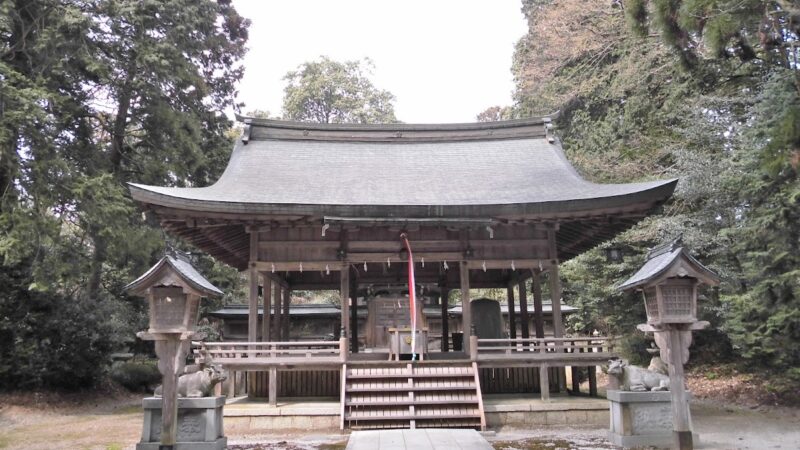
Despite being located in the heart of Otsu, Tenshin Shrine maintains a tranquil atmosphere. The main hall is built in a traditional shrine architectural style, conveying a sense of historical weight.
There is a legend that Sasaki Sadatsuna, the governor of Omi Province, founded the shrine, indicating its deep connection to the samurai class.
Water Basin
The water basin on the shrine grounds is popular among visitors for its “cool” appearance. Please purify yourself at the water basin, where pure water springs forth, before offering your prayers.
Fukutomi Inari Shrine
Fukutomi Inari Shrine is enshrined on the grounds and is believed to bring increased financial luck and business prosperity. The Inari shrine, with its rows of vermilion torii gates, is a popular spot for visitors.
As befits Otsu, a commercial town, many people visit to pray for business success.
Spring Cherry Blossoms
In spring, the shrine grounds are adorned with cherry blossoms, creating a beautiful landscape of pink. It is a hidden gem for cherry blossom viewing, attracting both locals and tourists.
Otsu Festival Float Exhibition
Exhibits related to the Otsu Festival and its floats can be seen within the shrine grounds and surrounding area, allowing visitors to learn about the festival’s history.
About the Otsu Festival
One of the Three Great Festivals of the Lake Biwa Region
The Otsu Festival, the annual festival of Tenshin Shrine, is one of the three great festivals of the Lake Biwa region, held every October. It is a traditional festival that has continued since the Edo period and is designated as a National Important Intangible Folk Cultural Property.
Festival Schedule
The Otsu Festival is usually held during the three-day weekend in October, including Health and Sports Day.
- Yoimiya: A pre-festival held the night before the main festival.
- Honmatsuri: The main festival day, when the float procession takes place.
Float Procession
The highlight of the Otsu Festival is the procession of 13 magnificent floats (hikiyama) through the streets of Otsu. Each float carries elaborate mechanical puppets, and the performances of these puppets during the procession are breathtaking.
The floats strongly reflect the townspeople’s culture of the Edo period, and while influenced by Kyoto’s Gion Festival, they have developed in their own unique way.
Mikoshi Procession
The Mikoshi procession of Tenshin Shrine also takes place during the main festival. Local companies and mikoshi (portable shrine) associations, including the Shinomiya-gumi, participate, energetically carrying the mikoshi through the town.
The mikoshi procession is an important Shinto ritual in which the gods visit the parish area, praying for a bountiful harvest, business prosperity, and good health.
Exorcism Chimaki (rice dumplings wrapped in bamboo leaves)
Exorcism chimaki are distributed at the Otsu Festival. It is believed that displaying these chimaki at the entrance of one’s home will ward off evil for a year, and many people seek them out.
Otsu Festival as a Tourist Attraction
During the Otsu Festival, the city of Otsu is completely immersed in the festival atmosphere. Stalls line the streets, and it is bustling with many tourists. It is a valuable opportunity to experience history and tradition, and is a representative cultural event of Shiga Prefecture.
About Prayers and Visits
Types of Prayers
At Tenshin Shrine, you can receive prayers through Shinto priests to express your gratitude to the gods, convey various wishes, and seek their protection.
Prayers for Life’s Milestones
- Prayer for Safe Childbirth: Generally performed on the Day of the Dog in the fifth month of pregnancy.
- First Shrine Visit (Omiyamairi): Reporting the birth of the baby to the gods and praying for healthy growth.
- Shichi-Go-San Ceremony: Giving thanks for the growth of children at ages 3, 5, and 7, and praying for their future health.
Prayers for Daily Life
- Prayer for Traffic Safety: Blessing of the car and prayer for the driver’s safety.
- Family Safety: Praying for the health and peace of all family members.
- Prayer for Protection from Misfortune: Praying for protection from misfortune during the unlucky year and for a safe year.
- Business Prosperity: Praying for the development and prosperity of the business.
Other Prayers
- Groundbreaking Ceremony: Appeasing the gods of the land before construction and praying for the safety of the construction.
- Prayer for Success in Exams: Praying for success in exams and tests.
- Healing from Illness: Prayers for recovery from illness
How to Receive Prayer
Those wishing to receive prayer are advised to contact Tenshin Shrine in advance to make a reservation. While same-day registration may be possible, it may not be possible due to the priest’s schedule, so reservations are recommended to ensure you receive the prayer.
The prayer fee (offering) varies depending on the prayer requested, so please confirm when making your reservation.
Etiquette for Visiting a Shrine
The basic etiquette for visiting a shrine is as follows:
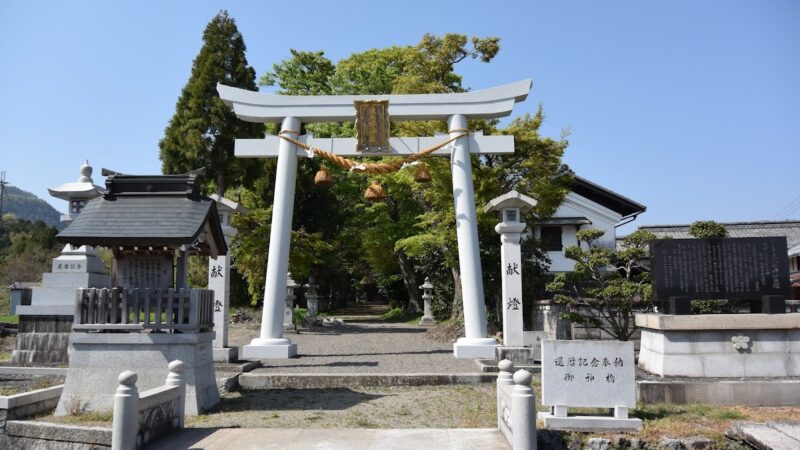
- Bow before passing through the torii gate.
- Purify yourself at the water basin.
- Hold the ladle in your right hand and purify your left hand.
- Switch the ladle to your left hand and purify your right hand.
- Switch the ladle back to your right hand, receive water in your left hand, and rinse your mouth.
- Finally, hold the ladle upright to purify the handle.
- Proceed to the front of the main hall.
- Offer your donation.
- Two bows, two claps, one bow.
- Bow deeply twice.
- Clap twice.
- Bow deeply once.
- Bow at the torii gate upon leaving.
Goshuin (Shrine Seal)
Goshuin are available at Tenshin Shrine. Many people receive a goshuin as a memento of their visit and to deepen their connection with the shrine.
You can bring your own goshuincho (seal book) or purchase one on site. Since they may not be able to assist you if a Shinto priest is absent, it’s best to check in advance if you definitely want to receive one. ## Access and Transportation Information
Location
Address: 3-3-36 Kyomachi, Otsu City, Shiga Prefecture 520-0043
Access by Train
Using the JR Biwako Line
- Approximately 5 minutes on foot from JR “Otsu Station”
- Head northwest from the station to arrive.
Using the Keihan Ishiyama-Sakamoto Line
- Approximately 8 minutes on foot from Keihan “Shimanoseki Station”
- Convenient for those coming from the Lake Biwa area.
Located in the heart of Otsu City, it is very easily accessible by public transportation.
Access by Car
Using the Meishin Expressway
- Approximately 5 minutes by car from Meishin Expressway “Otsu IC”
- Easily accessible from both Kyoto and Osaka.
Parking
There is parking space for visitors on the temple grounds, but the number of spaces is limited. During events such as the Otsu Festival, surrounding roads become congested and parking lots are often full, so we recommend using public transportation.
There are also several coin-operated parking lots nearby, which you can use.
Nearby Tourist Attractions
The following tourist attractions are located near Tenshin Shrine:
- Lake Biwa: Japan’s largest lake, within walking distance
- Otsu Port: Departure and arrival point for Lake Biwa cruises
- Mii-dera Temple (Onjo-ji Temple): Head temple of the Tendai Jimon sect, approximately 10 minutes by car
- Ishiyama-dera Temple: Temple associated with Murasaki Shikibu, approximately 15 minutes by car
- Enryaku-ji Temple on Mount Hiei: World Heritage Site, approximately 30 minutes by car
We also recommend incorporating a visit to Tenshin Shrine as part of your Otsu sightseeing.
Annual Events and Major Festivals
January
- New Year’s Day Festival: Prayers for happiness in the new year
- First Shrine Visit of the Year: Bustling with many worshippers
February
- Setsubun Festival: Scattering beans to ward off evil and invite good fortune
May
- Spring Festival
October
- Otsu Festival (Autumn Festival): The largest festival of the year
November
- Shichi-Go-San Festival: Particularly popular around November 15th
December
- Great Purification Ceremony: A Shinto ritual to purify oneself of sins and impurities accumulated throughout the year
For detailed dates and content of these events, we recommend checking the official website or contacting Tenshin Shrine by phone.
Cultural Properties of Tenshin Shrine
The following are cultural properties related to Tenshin Shrine and the Otsu Festival.
Otsu Festival Float Procession (Nationally Designated Important Intangible Folk Cultural Property)
The Otsu Festival float procession is designated as a Nationally Designated Important Intangible Folk Cultural Property due to its historical value and cultural significance. It is a culmination of townspeople’s culture that has continued since the Edo period, and the intricate mechanical puppetry is highly regarded.
Float Structures (Shiga Prefecture Designated Tangible Folk Cultural Property)
The 13 float structures are designated as Shiga Prefecture’s Tangible Folk Cultural Properties, each with its own history and story.
Points to Note When Visiting Tenshin Shrine
Best Time to Visit
Tenshin Shrine can be visited throughout the year, but the following times are particularly recommended.
- Spring (March-April): Beautiful cherry blossoms and mild weather, making it easy to visit the shrine.
- Autumn (October): The Otsu Festival takes place, making it the most lively time.
- New Year’s Visit (January 1st-3rd): Many people visit to pray for the New Year.
Attire for Visiting the Shrine
For regular visits, no special attire is required, but please keep the following in mind if you are receiving a prayer service:
- Clean and presentable clothing
- Clothing that minimizes skin exposure
- Avoid sandals and flip-flops
- For Shichi-Go-San or Hatsumidey (first shrine visit), formal attire is desirable for children.
Photography
Photography is generally permitted on the shrine grounds, but please note the following:
- Refrain from taking photos during Shinto rituals
- Be considerate of other visitors
- Do not take photos in areas where photography is prohibited, such as inside the main hall
- Refrain from using flash photography.
Visiting Hours
The grounds of Tenshin Shrine are generally open for free visits during the daytime. If you wish to receive prayers or a Goshuin (temple/shrine stamp), please visit during the shrine office’s opening hours (usually 9:00 AM to 5:00 PM).
We recommend checking the exact hours in advance.
Divine Virtues and Blessings of Tenshin Shrine
Tenshin Shrine is believed to offer a wide range of blessings through the divine virtues of its four enshrined deities.
Main Benefits
- Safety at Sea and in Traffic: Divine Virtue of Hikohohodemi-no-Mikoto
- Safe Navigation and Water Safety: Protection of Water Transport on Lake Biwa
- Good Fortune and Prosperity: From the Myth of Yamasachihiko Overcoming Difficulties
- Matchmaking and Marital Harmony: Divine Virtue of Oonamuchi-no-Mikoto
- Business Prosperity: Protection of Commerce in Otsu
- Abundant Harvest: Divine Virtue as a God of Nation Building
- National Peace and Security: Divine Virtue of Kunitokotachi-no-Mikoto and Okinakatsuhiko-no-Mikoto
- Protection from Evil and Disaster: Comprehensive Protection of the Four Gods
- Safe Childbirth and Child-Rearing: Power of Gods Protecting Life
- Healing from Illness and Longevity: Divine Virtue for Longevity
This shrine is particularly revered by those working in maritime transport, transportation, and business.
The Charm of Tenshin Shrine
The Weight of History
With a history of over 1200 years since its founding during the Enryaku era, Tenshin Shrine is a shrine where you can feel the weight of multi-layered history, from its deep connection with the Imperial family through Emperor Heizei’s visit, its status as the fourth-ranked shrine of Omi Province, and the continuation of the traditional Otsu Festival.
Connections to the Community
Tenshin Shrine is deeply connected to the townspeople’s culture of Otsu. Through the Otsu Festival, it plays a central role in the local community and has been loved by the people of the region from the Edo period to the present day.
Easy Access
Despite its convenient location just a 5-minute walk from JR Otsu Station, the shrine grounds maintain a tranquil atmosphere. It has the appeal of an urban shrine that you can easily visit during sightseeing or business trips.
The Beauty of the Four Seasons
Enjoy the ever-changing beauty of the four seasons: cherry blossoms in spring, lush greenery in summer, festivals in autumn, and the tranquility of winter. The cherry blossoms in spring, in particular, are beloved by the locals.
Summary
Tenshin Shrine (Otsu City, Shiga Prefecture) is a historic prefectural shrine founded during the Enryaku era, and has long been revered by the local community as the fourth-ranked shrine of Omi Province. It enshrines Hikohodemi-no-Mikoto as its main deity and offers a wide range of blessings, including safe sea travel, traffic safety, and business prosperity.
The Otsu Festival, held every October, is famous as one of the three major festivals of the Lake Biwa region, and the sight of 13 magnificent floats parading through the streets is breathtaking. Various prayers are available, including prayers for safe childbirth, first shrine visits for newborns, Shichi-Go-San (a traditional Japanese rite of passage for children), traffic safety, and protection from evil.
With its convenient location just a 5-minute walk from JR Otsu Station, it’s highly recommended to visit in conjunction with sightseeing around Lake Biwa. Why not experience traditional Japanese culture and the sacred atmosphere of a shrine at Tenshin Shrine, which boasts a history of over 1200 years?
Whether you’re praying for a significant milestone in your life, watching the Otsu Festival, or simply seeking solace in quiet contemplation, please visit Tenshin Shrine. The four deities will surely watch over your happiness.