Hirano Shrine (Otsu City, Shiga Prefecture) Complete Guide | The Charm and Visiting Information of a Historic Shrine Dedicated to the God of Kemari
Located in Matsumoto, Otsu City, Shiga Prefecture, Hirano Shrine is a historic shrine said to have been founded when Emperor Tenji moved the capital to Otsu Palace. It enshrines Seidai Myojin (Sarutahiko-no-Mikoto), known as the guardian deity of kemari (traditional Japanese football), and is the only shrine in Shiga Prefecture where kemari is offered as a dedication, attracting attention from history enthusiasts and worshippers alike.
This article provides a detailed explanation of Hirano Shrine’s history, enshrined deities, annual events, highlights of the grounds, and access information—all essential information before your visit.
History and Origins of Hirano Shrine
Background of the Otsu Palace Relocation and Founding
The founding of Hirano Shrine dates back to the mid-7th century, when Emperor Tenji moved the capital to Otsu in Omi Province. According to shrine tradition, the shrine was established in 668 AD (the seventh year of Emperor Tenji’s reign) as the guardian deity of the capital. It is believed that when Emperor Tenji built the Otsu Palace, he enshrined Emperor Nintoku (Emperor Oosazaki), the sixteenth emperor, as Hirano Daimyojin, the guardian deity of the area within three ri (approximately 8 kilometers) of the capital.
The Otsu Palace was an ancient capital built in the area from present-day Nishikiori to Shigari in Otsu City, and Hirano Shrine is a historical shrine that has watched over the land of Otsu since that time. From its founding to the present day, it has attracted the faith of the local people and has walked hand in hand with the history of Otsu.
Enshrinement with Sei Daimyojin and the God of Kemari (traditional Japanese football)
Sei Daimyojin (Sarutahiko-no-Mikoto), another important deity enshrined at Hirano Shrine, was originally worshipped in a different location. Records show that during the reign of Empress Kogyoku, the deity of kemari (traditional Japanese football), Seidai Myojin, who was enshrined in Shigenoi, Nishinotoin, Kyoto, was moved to Kitsunedani in Matsumoto.
Later, the shrine of Seidai Myojin was destroyed during the Onin War. Therefore, in 1574 (Tensho 2), Seidai Myojin was moved again to its current location and enshrined together with Hirano Daimyojin. Due to this historical background, Hirano Shrine became known as a shrine dedicated to the god of kemari, and even today it holds a special status as the only shrine in Shiga Prefecture where kemari is offered as a dedication.
Deities and Benefits
Hirano Daimyojin (Emperor Nintoku)
The main deity, Hirano Daimyojin, is the 16th Emperor Nintoku (Emperor Oosazaki). Emperor Nintoku is famous as a benevolent emperor known for the anecdote of “the people’s hearth,” and is believed to bring benefits such as national peace and prosperity, regional prosperity, and abundant harvests. Due to its history as the guardian deity of Otsu Palace, it enjoys deep faith as a local guardian deity and is cherished by the local people as their tutelary deity.
Seidai Myojin (Sarutahiko-no-Mikoto)
Seidaimyojin, enshrined in the same sanctuary, is a deified form of Sarutahiko-no-Mikoto and is known as the guardian deity of kemari (traditional Japanese football). Sarutahiko-no-Mikoto is also worshipped as a god of opening paths and guidance, and is believed to bring blessings such as traffic safety, good fortune, and improvement in skills.
In particular, it is worshipped for improvement in skills related to kemari and as a guardian deity of sports, and is seen as a place of worship for people involved in ball games such as soccer. Furthermore, due to its nature as a god of guidance, many people visit the shrine at turning points in their lives or when starting something new.
Hirano Shrine’s Annual Events and Kemari Festival
Shiga Prefecture’s Only Kemari Dedication
The most famous event at Hirano Shrine is the “Kemari Festival,” held every year on the day of the monkey in August, at the hour of the monkey. At this festival, traditional kemari (a type of ball game) is performed by participants dressed in ancient, elegant attire.
Kemari is a traditional ball game that was beloved by the aristocracy during the Heian period. While it is still played at several shrines in Kyoto, Hirano Shrine is the only place in Shiga Prefecture where it is held. The elegant movements of kicking the ball up with the feet without letting it fall transport viewers to the refined world of the Heian period.
Other Annual Events
Besides the Kemari Festival, Hirano Shrine holds various other annual events. Seasonal Shinto rituals, such as the New Year’s Day Festival, Spring Festival, and Autumn Festival, are performed together with the local community, fulfilling its role as a shrine deeply rooted in the region.
Highlights of the Shrine Grounds
Main Hall and Worship Hall
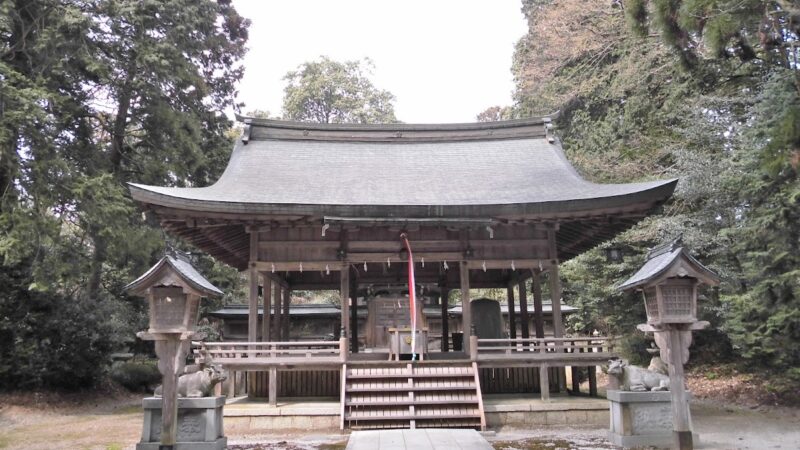
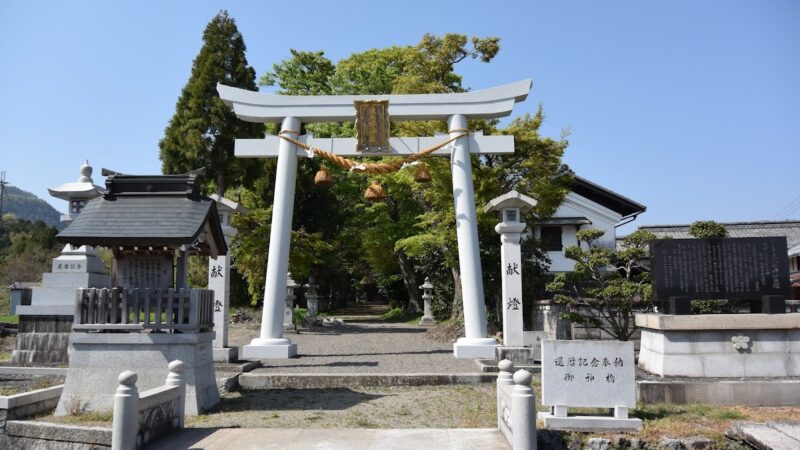
Although Hirano Shrine is located in a residential area about a 3-minute walk from Ishiba Station on the Keihan Ishiyama-Sakamoto Line, stepping inside the grounds envelops you in a tranquil atmosphere. The shrine grounds are situated on a slight hill, offering a surprisingly spacious area.
The main hall is built in a traditional shrine architectural style, and together with the worship hall, it conveys the history of the region. The shrine buildings are meticulously maintained, reflecting the deep faith of the local people.
Komainu and Stone Sculptures
Within the shrine grounds stand guardian lion-dogs (komainu) that evoke a sense of history. These lion-dogs have been placed as guardians of shrines since ancient times, and their expressions and postures convey a timeless tradition of faith. Furthermore, various stone sculptures, such as lanterns and stone monuments, are placed throughout the grounds, telling the story of the shrine’s history.
Subsidiary Shrines
Within the grounds of Hirano Shrine are several subsidiary shrines, including Tenmangu Shrine, Atago Shrine, and Tokoyo Shrine. These subsidiary shrines are revered as deities of learning, fire prevention, and agriculture, respectively, and visitors can pay their respects to these shrines as well as the main hall.
Tenmangu Shrine enshrines Sugawara no Michizane and is believed to grant blessings for academic success and passing exams. Atago Shrine is revered as a god of fire prevention, and Tokoyo Shrine as a god of abundant harvests and business prosperity; each shrine attracts the faith of local people.
About Goshuin (Shrine Seals)
Goshuin are available at Hirano Shrine. Goshuin are popular as proof of shrine visits, and many visitors bring their goshuin notebooks. The goshuin features the shrine’s name and the date of visit written in ink, followed by a red seal.
When requesting a goshuin, it is customary to first pay respects at the main hall before speaking to the shrine office. However, the office may be unattended, so it is recommended to call ahead to confirm availability if you are certain to receive a goshuin.
Access and Visiting Information
Location and Basic Information
Address: 1-8-25 Matsumoto, Otsu City, Shiga Prefecture
Postal Code: 〒520-0807
Corporate Number: 5160005001114
Access by Public Transportation
The most convenient way to reach Hirano Shrine is by using the Keihan Ishiyama-Sakamoto Line.
- Approximately 3 minutes on foot (211m) from Ishiba Station
- Approximately 6 minutes on foot from Shimanoseki Station
- Approximately 10 minutes on foot from Zeze Station
Ishiba Station is the nearest station, and you will arrive shortly after walking a short distance through a residential area from the station. Because it is close to the station, access by train is very convenient.
Access by Car and Parking
If visiting by car, the nearest interchanges are the Otsu IC on the Meishin Expressway or the Ishiyama IC on the Keiji Bypass. However, since the shrine is located in a residential area and dedicated parking may be limited, we recommend using public transportation.
If you are visiting by car, please use a nearby paid parking lot or contact the shrine in advance to confirm parking availability.
Visiting Hours and Precautions
While Hirano Shrine is generally open to visitors, the shrine office’s operating hours may be limited. Those wishing to receive a Goshuin (shrine stamp) or prayers are advised to contact the shrine in advance to confirm.
As the shrine grounds are located in a residential area, please be considerate of the neighbors and pray quietly. Also, please take photographs only within permitted areas and be careful not to disturb other visitors.
Nearby Attractions and Tourist Spots
Historical Walks in Otsu City
Otsu City, where Hirano Shrine is located, has been the stage for various historical events from ancient times to the modern era. Many historical temples and shrines are scattered throughout the city, including the site of Emperor Tenji’s Otsu Palace, Omi Jingu Shrine, Mii-dera Temple (Onjo-ji Temple), and Ishiyama-dera Temple.
After visiting Hirano Shrine, a stroll around these historical sites is highly recommended. In particular, Omi Jingu Shrine, dedicated to Emperor Tenji, offers a glimpse into its historical connection to Hirano Shrine.
Lake Biwa and the Nature of Otsu
Otsu City faces Lake Biwa, Japan’s largest lake, offering beautiful lakeside scenery. There are numerous spots to enjoy the waterfront, including the Lake Biwa Canal, the area around Biwako-Hamaotsu Station, and Otsu Port.
Combining a visit to Hirano Shrine with a tour of Lake Biwa’s natural beauty would be a great idea.
The Charm of Hirano Shrine and Why Visit It
Hirano Shrine is a deeply rooted local shrine nestled quietly in a residential area of Otsu City. While not a glamorous tourist destination, Hirano Shrine is a charming shrine with a rich history dating back to the ancient relocation of the capital to Otsu Palace by Emperor Tenji, and a unique tradition of offering kemari (traditional Japanese football) as a dedication—the only one of its kind in Shiga Prefecture.
The shrine grounds are not particularly large, but they are meticulously maintained and clean, creating a peaceful atmosphere perfect for quiet worship. You’ll feel the warmth of a shrine cherished and protected by the local community.
As part of a trip exploring the history of Otsu, and as an opportunity to experience the traditional Japanese culture of kemari, we highly recommend visiting Hirano Shrine. Especially during the Kemari Festival in August, you can witness a rare traditional event not seen anywhere else in Shiga Prefecture.
With its history dating back to the time of Emperor Tenji, its unique devotion to the god of kemari, and its warm, community-rooted atmosphere, Hirano Shrine possesses a quiet and profound charm that large tourist shrines lack. It’s easily accessible, just a 3-minute walk from Ishiba Station on the Keihan Ishiyama-Sakamoto Line, so please be sure to visit when you’re in Otsu.
Summary
Hirano Shrine, located in Matsumoto, Otsu City, Shiga Prefecture, is a historic shrine founded during the relocation of the capital to Otsu Palace by Emperor Tenji. It enshrines Hirano Daimyojin, who enshrines Emperor Nintoku, and Seidai Myojin (Sarutahiko-no-Mikoto), the guardian deity of kemari (traditional Japanese football). Every August, the only kemari dedication ceremony in Shiga Prefecture takes place here.
Despite its convenient location just a 3-minute walk from Ishiba Station on the Keihan Ishiyama-Sakamoto Line, the shrine grounds, nestled quietly in a residential area, exude a warm atmosphere characteristic of a shrine deeply rooted in the community. Several subsidiary shrines, including Tenmangu, Atago Shrine, and Tokoyo Shrine, are also enshrined within the grounds, allowing visitors to pray for various blessings.
Hirano Shrine is a worthwhile destination for those seeking to experience the history of Otsu and explore traditional Japanese culture. Enjoy a peaceful moment of worship at Hirano Shrine, where history and traditions from ancient times continue to this day.