Complete Guide to Kojinyama Shrine (Hikone City, Shiga Prefecture) | History, Goshuin (Shrine Seals), Cultural Properties, and Access Information
About Kojinyama Shrine
Kojinyama Shrine is a shrine located in Kiyosaki-cho, Hikone City, Shiga Prefecture, situated on the summit of Mt. Kojin, at an altitude of 284 meters. It has long been revered by local residents as the “hearth god,” worshipped as the god who protects household fires.
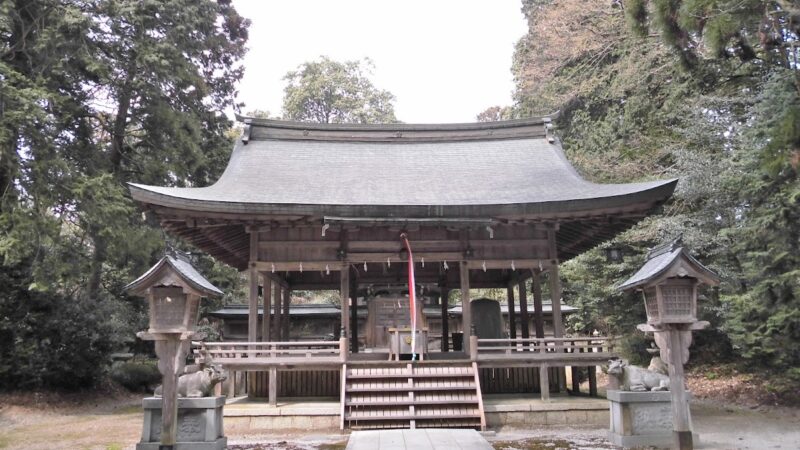
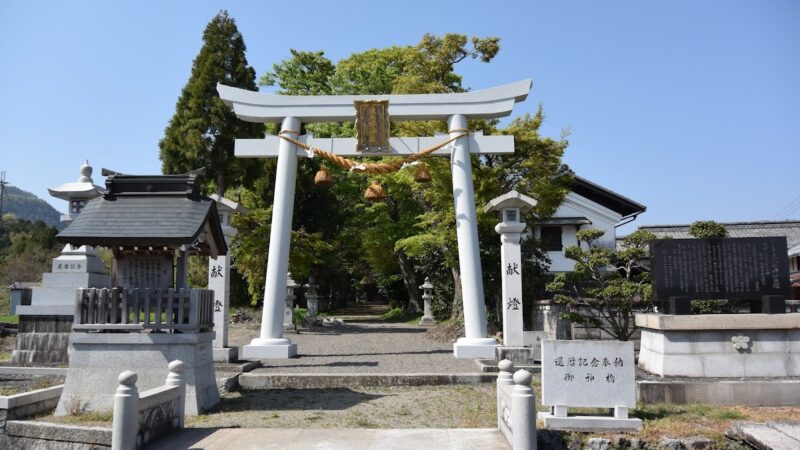
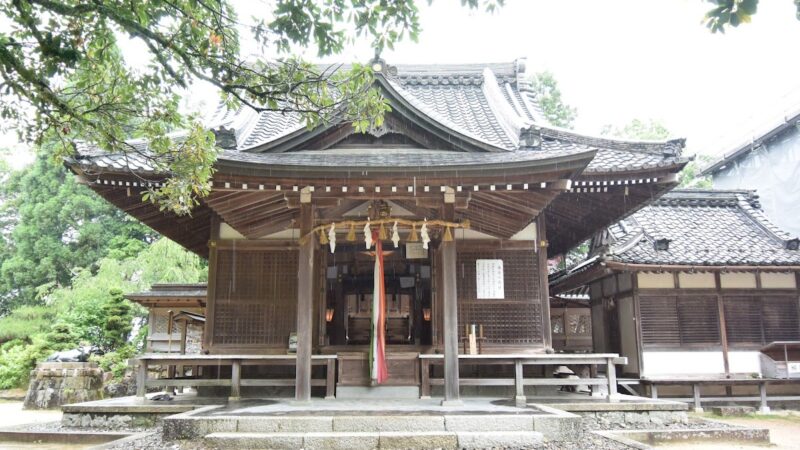
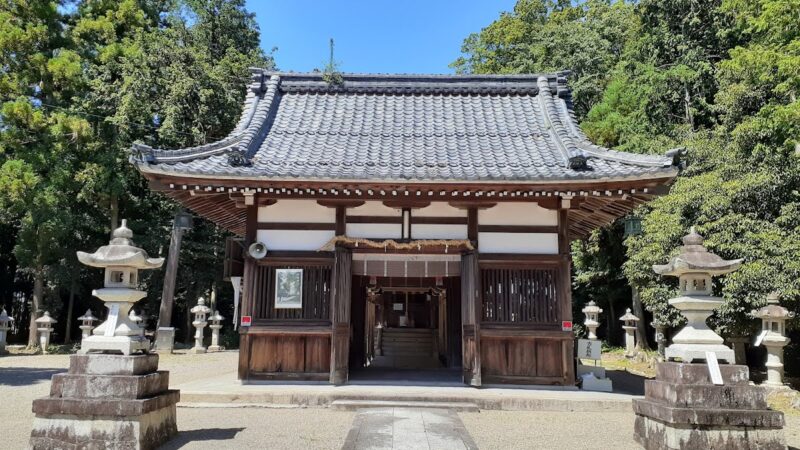
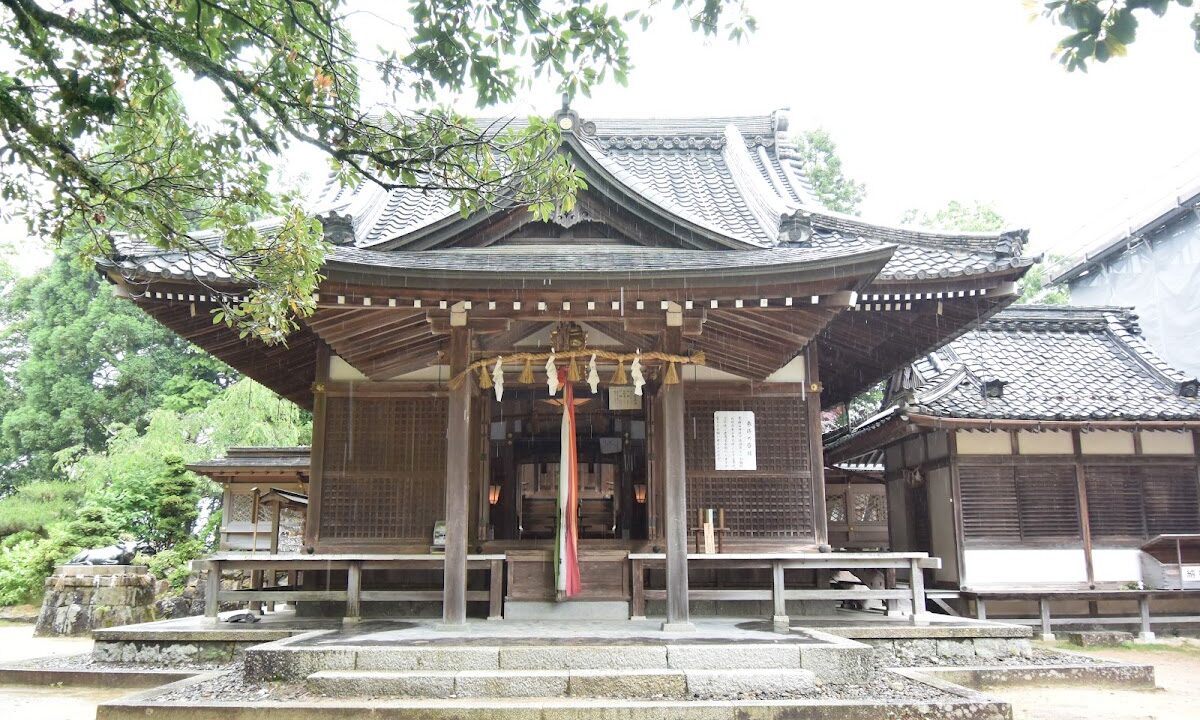
The current shrine buildings were constructed during the Meiji era, and the main hall and torii gate are designated as registered tangible cultural properties of Japan. Known as a scenic spot overlooking Lake Biwa, it is a popular shrine not only for worshippers but also for those who enjoy mountain climbing and hiking.
History of Kojinyama Shrine
Nara Period: Founded as Okuyama-dera Temple
The origins of Kojinyama Shrine date back to the Nara period. The temple was founded as a Tendai sect temple called “Okuyama-ji” by the renowned monk Gyōki, who enshrined Sanbō Kōjin. Gyōki is known as a monk who was involved in the construction of the Great Buddha of Tōdai-ji Temple and was a figure who carried out social projects throughout Japan, including the construction of temples, bridges, and ponds.
Okuyama-ji is believed to have functioned as a place of ascetic training, with Kōjin-yama Mountain considered a sacred mountain. Sanbō Kōjin is a deity worshipped in Buddhism as a guardian of the Three Treasures of Buddhism (Buddha, Dharma, and Sangha).
During the reign of Emperor Tenji: Role as a Purification Hall
During the reign of Emperor Tenji, this area was designated as a purification hall and prayer site for the four districts of Inukami, Aichi, Kanzaki, and Gamō. A purification hall refers to a sacred place where rituals for purifying and cleansing are performed.
Every year on the last day of June, the Oharai-e (Great Purification Ceremony) is held, a Shinto ritual to cleanse away the sins and impurities accumulated over the past six months. This tradition continues to this day, and a thatched ring is erected during the festival. It is believed that the summer purification ceremony is the origin of the grand festival of Kojin-yama Shrine.
Meiji Era: Separation of Shinto and Buddhism and Transformation into a Shrine
Due to the separation of Shinto and Buddhism decree in the early Meiji era, Okuyama-dera Temple was abolished. This was because the Meiji government promoted a policy of separating Shinto and Buddhism. After the temple’s closure, a new shrine building was constructed, and it was reborn as “Kojin-yama Shrine.”
The current main hall was built in 1879 (Meiji 12), and renovated in 1943 (Showa 18) and 1996 (Heisei 8). The magnificent stone torii gate standing at the entrance to the approach was erected in 1909 (Meiji 42).
Deities and Beliefs
Main Deities
The main deities of Kojin-yama Shrine are the following three:
- Homusubi-no-Kami: God of Fire
- Okitsuhiko-no-Kami: God of the Hearth (Male Deity)
- Okitsuhime-no-Kami: God of the Hearth (Female Deity)
These deities are worshipped as guardians of fire and hearths in the home. Homusubi-no-Kami, in particular, appears in the Kojiki and Nihon Shoki as a representative deity of fire.
Enshrined Deities
In addition to the main deity, the following Haraedo no Okami (deities of purification) are enshrined:
- Seoritsuhime no Kami
- Hayaakitsuhime no Kami
- Ibukidonushi no Kami
- Hayasasurahime no Kami
These deities play a role in purifying and cleansing impurities, preserving the shrine’s history as a purification hall.
Kamado-gami (hearth god) worship
Kojin-yama Shrine is widely known as the “Kamado-gami” (hearth god). Kamado-gami worship is a belief in the god who protects the kitchen and fire in the home, and is a folk belief found throughout Japan.
Especially in rural areas and among merchants, fire management was directly linked to daily life, so the deity was deeply revered as a protector of fire, which prevented fires and ensured the smooth preparation of meals. Even today, many people in the food and beverage industry and those involved in cooking visit the shrine, praying for family safety and business prosperity.
Cultural Property
Registered Tangible Cultural Property: Main Hall
The main hall of Kojin-yama Shrine was registered as a National Registered Tangible Cultural Property (building) on May 2, 2017.
Architectural Style and Features:
- Structure: Wooden, single-story building
- Roof: Copper sheeting
- Building Area: 34 square meters
- Year of Construction: Meiji 12 (1879)
- Renovation: Showa 18 (1943), Heisei 8 (1996)
- Location: 1931 Kiyosaki-cho, Hikone City, Shiga Prefecture
The main shrine stands facing south on the summit of Mt. Kojin, and retains many characteristics of Meiji-era shrine architecture. The copper sheeting roof exudes a sense of dignified character due to its age, and its robust construction reflects its mountaintop location.
Registered Tangible Cultural Property: Torii Gate
The torii gate of Kojin-yama Shrine was also registered as a National Registered Tangible Cultural Property (building) on the same day as the main shrine.
Structure and Features:
- Structure: Stone
- Height: 9.0 meters
- Width: 9.0 meters
- Year of Construction: Meiji 42 (1909)
- Location: 1872 Kiyosaki-cho, Hikone City, Shiga Prefecture
This torii gate, standing at the entrance to the approach to the shrine at the foot of Mt. Kojin, boasts an impressive size of 9 meters in both height and width. Its solid stone construction demonstrates the high level of stonemasonry during the Meiji era and symbolizes the status of the shrine. As the first gate welcoming worshippers, it conveys the dignity of Kojin-yama Shrine to this day.
Hikone City Designated Cultural Property
In addition to nationally registered tangible cultural properties, Kojin-yama Shrine may also possess cultural properties designated by Hikone City. Research and investigation are underway to uncover valuable historical materials and tools used in Shinto rituals that convey the region’s history.
Main Festivals and Events
Summer Purification Ceremony (June 30th)
The most important festival at Kojinyama Shrine is the Summer Purification Ceremony (Nagoshi no Oharae), held annually on June 30th. This is a traditional event that has continued since the time of Emperor Tenji, and is a Shinto ritual to purify oneself of sins and impurities accumulated over the past six months.
During the festival, a large ring of reeds (chinowa) is set up, and worshippers purify their minds and bodies by passing through it. The proper way to pass through the reed ring is to pass through it three times in a figure-eight pattern while reciting an ancient poem: “Those who perform the summer purification ceremony in the month of Minazuki (June) are said to have their lives extended by a thousand years.”
Annual Grand Festival
While various festivals are held throughout the year, the annual grand festival in autumn is a particularly important event in which all local residents participate. Prayers are offered for a bountiful harvest, family safety, and peace and tranquility in the community.
Monthly Festival
A monthly festival (tsukinami-sai) is held regularly each month, where daily gratitude and prayers are offered. Local parishioners and devotees attend, and Shinto priests recite prayers and offer sacred branches.
Goshuin (Shrine Seal) Information
Issuance of Goshuin
Kojin-yama Shrine offers goshuin. Goshuin are popular among many visitors as proof of worship and as a way to forge a connection with the shrine.
Location of Issuance: Shrine office (prior confirmation is recommended as staff may be absent)
Hours of Issuance: During visiting hours (please confirm details with the shrine)
Donation Fee: Similar to other shrines (approximately 300-500 yen)
The goshuin will have the words “Kojin-yama Shrine” written in ink and stamped in red, and the date of visit will be recorded. Pre-printed goshuin may also be available.
Manners for Receiving a Goshuin (Shrine Stamp)
A Goshuin is not just a stamp rally; it’s proof of your visit to the shrine. Please observe the following manners:
- Complete your prayers first before receiving your Goshuin.
- Prepare a Goshuincho (avoid notebooks or colored paper).
- Request politely at the shrine office.
- Prepare the offering in small change.
- Don’t forget to express your gratitude to the Shinto priest.
Highlights of the Shrine Grounds
View from the Summit
From the area around the main shrine located at the summit of Mt. Kojin, you can enjoy a panoramic view of Lake Biwa and the city of Hikone. On a clear day, you can even see the Hira Mountains on the opposite shore, enjoying the beautiful scenery of each season. Especially during sunrise and sunset, Lake Biwa shines golden, making it a renowned scenic spot.
Approach to the Shrine
The approach to the shrine, leading from the foot of the mountain to the summit, passes through a lush forest. The stone steps and mountain paths are well-maintained, making the hike approximately 30-40 minutes on foot. There are rest areas along the way, allowing you to enjoy a forest bathing experience during your visit.
Stone Torii Gate
The 9-meter-tall stone torii gate standing at the entrance to the shrine grounds is a symbolic landmark of Kojin-yama Shrine. Its magnificent appearance, a culmination of Meiji-era stonemasonry techniques, makes it a popular photo spot.
Access Information
Location
Address: 1931 Kiyosaki-cho, Hikone City, Shiga Prefecture 522-0007 (Main Shrine)
Entrance to the Shrine Approach: 1872 Kiyosaki-cho, Hikone City, Shiga Prefecture
Access by Train
- Approximately 25 minutes on foot from JR Tokaido Main Line “Kawase Station” (to the entrance to the shrine approach)
- Approximately 2 kilometers from Kawase Station to the entrance to the shrine approach
- Approximately 30-40 minutes on foot from the entrance to the shrine approach to the main shrine at the summit
Access by Car
- Approximately 15 minutes from Meishin Expressway “Hikone IC”
- Accessible from National Route 8
- Parking: Parking space available near the entrance to the shrine approach (limited number of spaces)
Hiking/Mountain Climbing
Mt. Kojin is a relatively low mountain with an elevation of 284 meters, and is well-maintained as a hiking course. There are multiple trailheads, allowing you to choose a route according to your fitness level and available time. We recommend wearing comfortable walking shoes or similar attire for your visit.
Nearby Tourist Attractions
Hikone Castle
Hikone Castle, a National Treasure, is approximately a 15-minute drive from Kojinyama Shrine. The castle tower, built in the early Edo period, is designated a National Treasure, and the entire castle grounds are a Special Historic Site. A popular sightseeing route combines visits to Hikone Castle and Kojinyama Shrine.
Kojinyama Park
Kojinyama Park is located at the foot of Mt. Kojinyama and is known for its plum and cherry blossoms. In spring, approximately 200 plum trees bloom, attracting many tourists to the “Kojinyama Plum Grove.”
Lake Biwa
Lake Biwa, Japan’s largest lake, can be viewed from Kojinyama Shrine, and you can also extend your walk to the lakeshore. Walking paths and cycling routes are maintained along the shore, offering opportunities for leisure and activities.
Points to Note When Visiting
Visiting Hours
Since Kojin-yama Shrine is located at the mountaintop, we recommend visiting during daylight hours. Especially in winter, sunset is early, so visiting from morning until early afternoon is safest.
Clothing and Equipment
- Comfortable clothing (suitable for mountain climbing)
- Athletic shoes or trekking shoes
- Drinking water (especially in summer)
- Rain gear (in case of changing weather)
- Hat and sunscreen (in summer)
Precautions
- Be careful of your footing, as some parts of the mountain trail can be slippery.
- Carry insect repellent (spring to autumn)
- The shrine office may be unattended, so it is recommended to check in advance if you wish to receive a Goshuin (shrine stamp).
- Cell phone reception may be weak near the summit.
The Charm of Kojin-yama Shrine
Layers of History
The greatest charm of Kojin-yama Shrine lies in its layered history, from its founding by Gyoki in the Nara period, through the Haraiden (purification hall) during the reign of Emperor Tenji, through the separation of Shinto and Buddhism in the Meiji era, to the present day. Multiple forms of religious belief from different eras overlap in one place, embodying the history of Japanese religion.
Harmony of Nature and Faith
The location, situated on a mountaintop at an altitude of 284 meters, evokes a sense of ancient Japanese faith intertwined with nature worship. Climbing the forest-lined path and gazing at Lake Biwa from the summit is an experience that refreshes both mind and body.
A Faith Rooted in the Community
The worship of the shrine as a hearth god is deeply intertwined with the lives of local residents. Wishes directly related to daily life, such as fire prevention, household safety, and business prosperity, are embodied, and the shrine continues to be cherished by the local people.
Cultural Value
The main shrine and torii gate, designated as registered tangible cultural properties, are valuable cultural assets that convey the architectural techniques of the Meiji era. In particular, the 9-meter-high stone torii gate is highly regarded as an outstanding work demonstrating the advanced stonemasonry skills of the time.
Enjoyment Throughout the Year
Spring (March-May)
Plum and cherry blossoms bloom around Mt. Kojin, and the season of fresh greenery arrives. The plum grove at Kojinyama Park is particularly magnificent, allowing visitors to enjoy both worship and flower viewing at the same time. A spring festival is also held there.
Summer (June-August)
The most important event is the Summer Purification Ceremony on June 30th. Participants purify themselves of the impurities accumulated over the past six months by passing through a ring of reeds, and pray for good health and protection from illness for the remaining half of the year. Summer is a season of lush green forests, making it a pleasant time to rest in the shade.
Autumn (September-November)
During the autumn foliage season, the approach to the shrine is adorned with reds and yellows. The autumn festival is also held, offering thanks for the harvest. The weather is mild, making it an ideal season for hiking.
Winter (December-February)
The view from the mountaintop in the crisp winter air is exceptional. Snow sometimes accumulates, creating a mystical atmosphere for worship amidst the snowy landscape. However, caution is necessary regarding footing.
Summary
Kojinyama Shrine, located on the summit of Mt. Kojin in Hikone City, Shiga Prefecture, is a shrine where history and nature harmonize. It boasts a multi-layered history, from its founding by Gyoki during the Nara period, its role as a purification hall during the reign of Emperor Tenji, to its transformation into a shrine after the separation of Shinto and Buddhism in the Meiji era.
It is deeply revered by local residents as the god of the hearth, and its main hall and torii gate, designated as registered tangible cultural properties, preserve the architectural techniques of the Meiji era. The view of Lake Biwa from the summit is magnificent, making it an attractive spot where you can enjoy worship, hiking, and nature walks simultaneously.
Traditional festivals, including the Summer Purification Ceremony on June 30th, continue the ancient faith into the present day. Goshuin (shrine stamps) are also available, making it popular among shrine enthusiasts.
Combine your visit with nearby tourist spots such as Hikone Castle and experience the rich history and culture of Shiga Prefecture at Kojinyama Shrine.