Sasaki Shrine (Shiga Prefecture) Complete Guide | History, Goshuin (Shrine Seal), and Access Information of the Birthplace of the Sasaki Minamoto Clan
Sasaki Shrine, located in Azuchi-cho, Omihachiman City, Shiga Prefecture, is a Shikinaisha (shrine listed in the Engishiki) with a history of over a thousand years, serving as the tutelary shrine of the ancient powerful clan, Sasakiyama-no-kimi, and the Sasaki Minamoto clan. Within its vast grounds stand large wooden buildings designated as prefectural tangible cultural properties, including the main hall, worship hall, and gate tower. In spring, the white flowers of the “Nanjamonja” tree adorn the grounds. This article comprehensively introduces information you should know before visiting Sasaki Shrine, from its historical background and cultural properties to its goshuin (shrine seal), seasonal highlights, and access methods.
What is Sasaki Shrine?
Basic Information
Sasaki Shrine is a historically significant Shikinaisha listed in the “Engishiki Jinmyocho” (a list of shrines compiled in the 5th year of the Engi era, 927 AD). The official name is written as “沙沙貴神社” and pronounced “Sasaki Jinja”.
Location: 1 Jorakuji, Azuchi-cho, Omihachiman City, Shiga Prefecture
Main Deities: Sukunahikona-no-kami, Oohiko-no-kami, Emperor Nintoku, Emperor Uda, and Prince Atsuzane (four deities, five gods)
Shrine Rank: Shikinaisha (shrine listed in the Engishiki), Former Prefectural Shrine
Annual Festival: May 5th (Spring Grand Festival), 2nd Sunday of October (Autumn Grand Festival)
About the Deities
At Sasaki Shrine, these four deities, five gods, are enshrined as “Sasaki Daimyojin”.
Sukunahikona-no-kami is known as the god of medicine, hot springs, and sake brewing, and is a god who contributed to nation-building. Ōbiko-no-kami was a prince of the 8th Emperor Kōgen and is considered an ancestor of the Sasakiyama-no-kimi clan. Emperor Nintoku is known for his benevolent rule, particularly in the anecdote about the people’s hearths. Emperor Uda and Prince Atsuzane were emperors and princes deeply involved when the Sasaki clan was granted the Minamoto surname.
The main hall enshrines Okimehime-no-mikoto, Yamato-fukuro-no-sukune, Minamoto no Masanobu, Minamoto no Hideyoshi (Sasaki no Hideyoshi), and Minamoto no Yoriyoshi (Rokkaku no Yoriyoshi), demonstrating a deep connection to the Sasaki Minamoto clan.
History of Sasaki Shrine
Founding and the Ancient Sasakiyama-no-kimi
The exact founding date of Sasaki Shrine is unclear, but it is believed to have begun when the Sasakiyama-no-kimi clan, a powerful family that ruled this region in ancient times, enshrined their ancestral deity. The Sasakiyama clan is said to be descendants of Ōbiko-no-kami and held power primarily in Gamō District, Ōmi Province.
The fact that it is listed as “Sasaki Shrine, Gamō District” in the Engishiki Jinmyōchō (a list of shrines compiled in the Heian period) indicates that it was already a historically significant shrine recognized by the imperial court during the Heian period. As a Shikinaisha (a shrine listed in the Engishiki), it held a high status nationwide.
The Birthplace of the Sasaki Minamoto Clan
Sasaki Shrine became known as the “Birthplace of the Sasaki Minamoto Clan” in the late Heian period. It began when descendants of Minamoto no Masanobu, son of Prince Atsuzane (grandson of Emperor Uda), settled in Sasaki-shō, Gamō District, Ōmi Province (present-day Azuchi-chō, Ōmihachiman City), and adopted the name “Sasaki.”
In particular, Minamoto no Hideyoshi (Sasaki no Hideyoshi) played an active role in the Hōgen Rebellion, following Minamoto no Yoshitomo. From their descendants came the “Four Sasaki Brothers”—Sadaaki, Tsunetaka, Moritsuna, and Takatsuna—who served as important retainers of the Kamakura Shogunate, and the Sasaki clan prospered as the main lineage of the Omi Genji.
Furthermore, many branches of the Sasaki clan spread throughout Japan, including the Rokkaku and Kyogoku clans, who became the governors of Omi Province, as well as the Amago clan of Izumo Province and the Sasaki clan of Oki Province. Therefore, Sasaki Shrine continues to be revered as the tutelary shrine of people bearing the Sasaki surname throughout Japan.
From the Medieval to the Early Modern Period
While Sasaki Shrine flourished under the patronage of the Sasaki clan during the medieval period, it was affected by the turmoil of the Sengoku period (Warring States period). However, during the Edo period, the shrine buildings were repaired and maintained by descendants of the Sasaki clan who succeeded as Omi merchants, as well as by devotees such as the Mitsui family.
With the Meiji-era separation of Shinto and Buddhism, it was separated from Joraku-ji Temple, which had previously existed as a Jingu-ji temple, and was ranked as a prefectural shrine under the modern shrine ranking system. Many of the current shrine buildings were constructed and renovated between the Edo and Meiji periods and are designated as tangible cultural properties of Shiga Prefecture.
Modern Sasaki Shrine
Even today, Sasaki Shrine continues to attract worshippers from all over Japan as the local tutelary shrine and a shrine associated with the Sasaki clan. In particular, many tourists visit during the spring when the “Nanjamonja” (Chionanthus retusus) trees are in bloom. The shrine grounds have also been renovated, adding new attractions such as the Zodiac Garden and the Donketsu-ryu style garden.
Cultural Properties and Attractions
Shiga Prefecture Designated Tangible Cultural Properties
Eight of Sasaki Shrine’s main buildings are designated as tangible cultural properties of Shiga Prefecture.
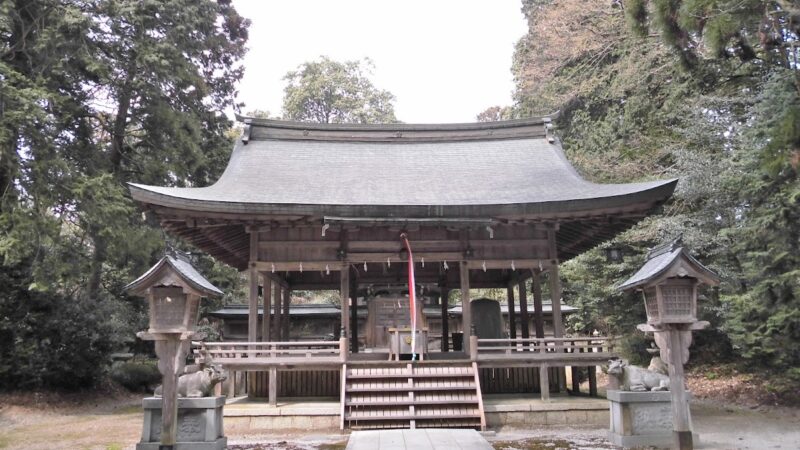
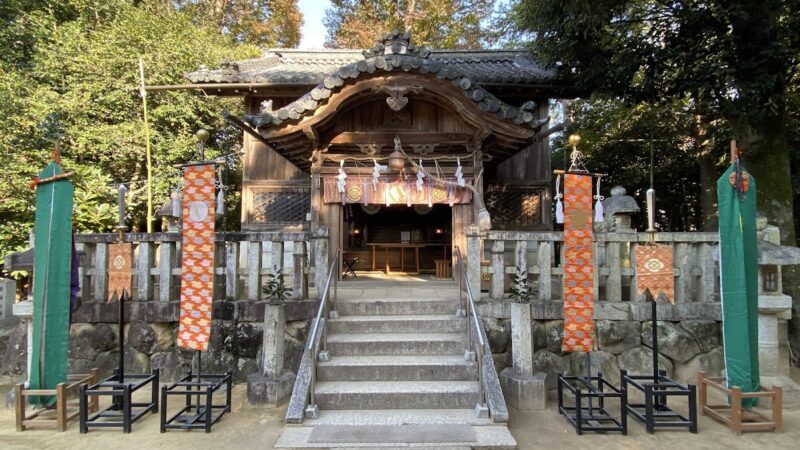
Main Hall: A magnificent building with a three-bay nagare-zukuri style and cypress bark roofing, it is a valuable structure that conveys the style of the Edo period. The main deity is enshrined in the center, and it is adorned with intricate carvings.
Gonden (Assistant Shrine): Similar to the main shrine, this is a three-bay nagare-zukuri style building, an important shrine dedicated to deities associated with the Sasaki clan of the Minamoto family. It is protected as a Shiga Prefecture designated tangible cultural property.
Haiden (Worship Hall): A large building with a hipped roof and tiled roof, where worshippers offer their prayers. Its spacious interior accommodates many people during festivals.
Heiden (Offering Hall): A building connecting the main shrine and the worship hall, playing an important role in Shinto rituals.
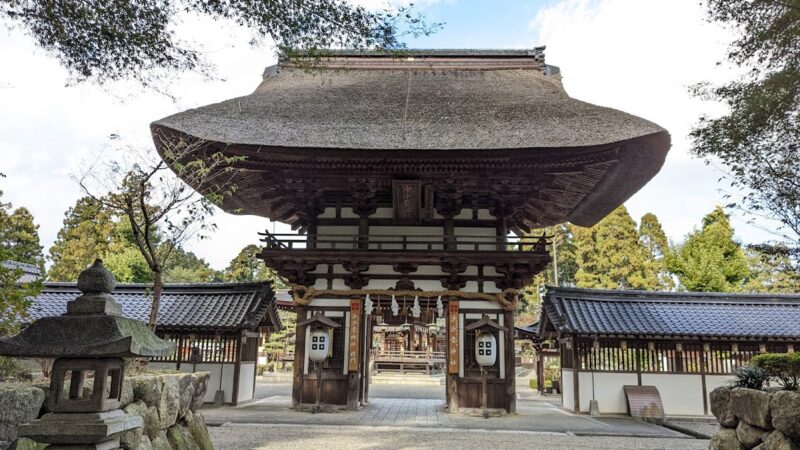
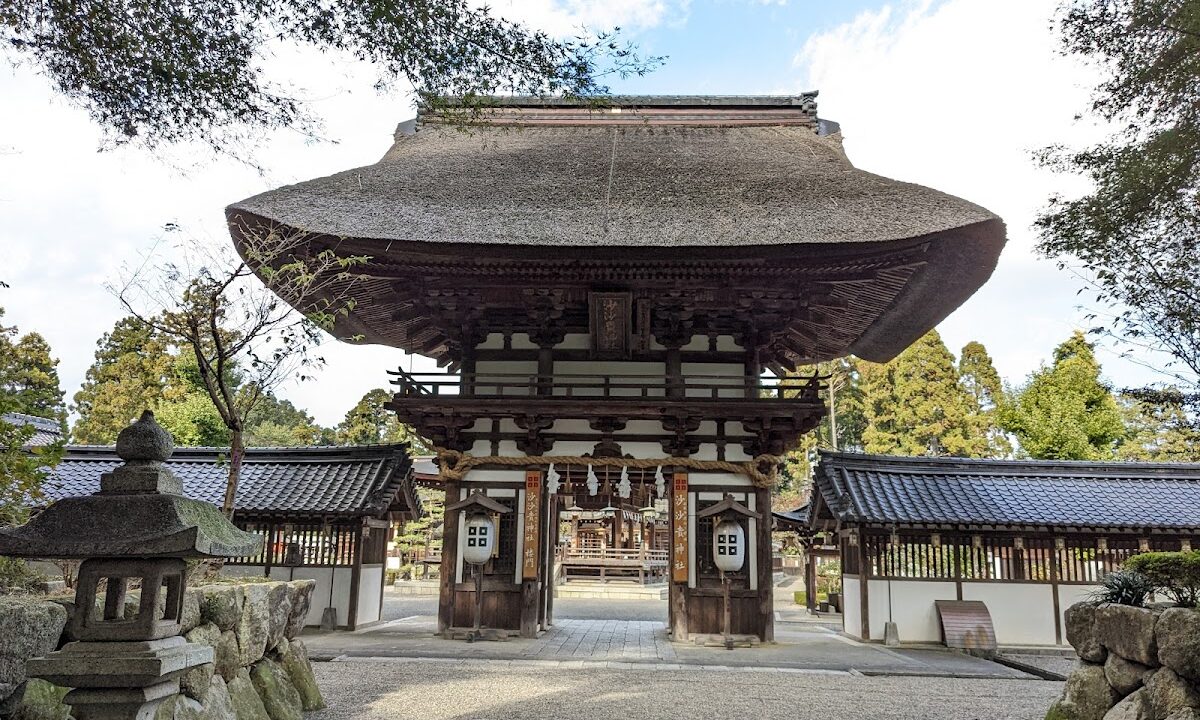
Romon (Two-story Gate): A two-story gate standing at the entrance to the shrine grounds, a symbolic structure showcasing the grandeur of Sasaki Shrine. It features a calm appearance that utilizes the texture of wood rather than being painted vermilion.
Kairo (Corridor): The corridor leading from the Romon to the shrine is also designated as a cultural property, contributing to the solemn atmosphere of the shrine grounds.
These eight buildings represent the pinnacle of shrine architecture from the Edo to Meiji periods, and are valuable historical resources for understanding the history of shrine and temple architecture in the Omi region.
Chionanthus retusus (Nanjamonja Tree)
The most famous natural attraction within the grounds of Sasagi Shrine is the “Nanjamonja tree.” This is officially known as Chionanthus retusus, a deciduous tree belonging to the Oleaceae family.
From early to mid-May, it is covered in pure white flowers, creating a breathtaking sight that makes the entire tree appear as if it were covered in snow. During this time, many visitors from within and outside the prefecture come to see the blossoms, and the shrine grounds become bustling with flower viewers. In recent years, it has become such a popular spot that the surrounding roads become congested.
Chionanthus retusus is a rare tree that grows only in limited areas of Japan, and the one at Sasagi Shrine is particularly known for its magnificent blossoms.
Donketsu-ryu Garden
Within the temple grounds is a garden in the Donketsu-ryu style, created by the renowned Edo period landscape architect, Katsumoto Soeki. The Donketsu-ryu style is a garden design that developed primarily in Kyoto, characterized by its unique aesthetic that utilizes the natural terrain.
The Sasagi Shrine Garden boasts an exquisite balance of stonework and planting, displaying different expressions throughout the seasons. Its beauty is particularly striking during the fresh green season and the autumn foliage season. In recent years, this garden has been re-evaluated and is attracting attention among Japanese garden enthusiasts.
Zodiac Garden
Behind the main hall is a unique spot called the “Zodiac Garden.” Here, stone statues of the twelve animals of the Chinese zodiac are arranged, allowing visitors to take commemorative photos in front of the statue representing their zodiac sign.
These adorable stone statues are especially popular with children, making it a fun spot for families. The shrine also offers amulets and votive tablets related to the Chinese zodiac, and many visitors seek amulets related to their own zodiac sign or that of a loved one.
Lush Guardian Forest
The grounds of Sasaki Shrine are surrounded by an ancient guardian forest. This forest, lined with giant trees, preserves a valuable natural environment in today’s increasingly urbanized world and serves as a habitat for various wild birds and insects.
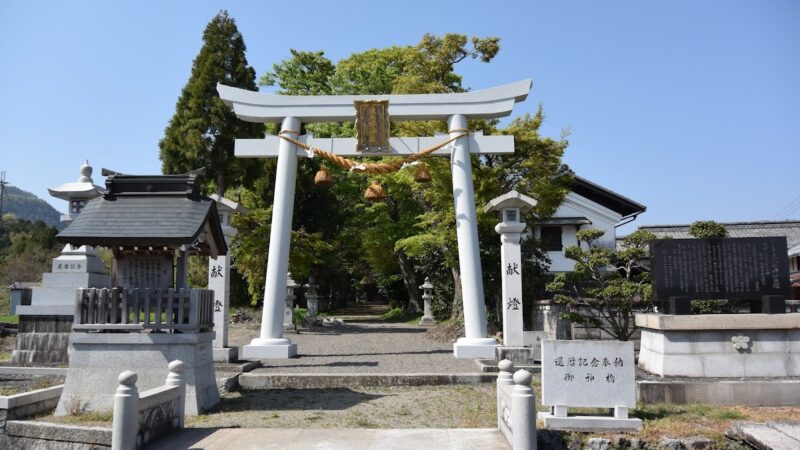
Passing through the main gate and proceeding along the tree-lined path, one can experience the feeling of entering a sacred space far removed from the secular world. This guardian forest is a natural heritage that Sasaki Shrine has protected throughout its long history and is an important element in creating the solemn atmosphere of the entire shrine grounds.
Goshuin (Shrine Seal) and Goshuincho (Shrine Seal Book)
Standard Goshuin
Sasaki Shrine offers beautifully calligraphic goshuin (shrine seals). The standard goshuin includes the name of the shrine, “Sasaki Shrine,” and the name of the enshrined deity, “Sasaki Daimyojin,” and is stamped with a red seal. Goshuin (temple/shrine stamps) are available at the shrine office, and the offering fee is generally around 300 to 500 yen (this may vary depending on the season). Many visitors receive goshuin as proof of their visit and as a memento of their trip.
Seasonal Limited Edition Goshuin
Sasaki Shrine sometimes offers limited edition goshuin that are in line with the seasons and festivals. Especially during the blooming season of the “Nanjamonja” tree, a special goshuin featuring the flower is sometimes available.
Furthermore, on special days such as New Year’s Day and the annual festival, goshuin with different designs than usual may be offered. For the latest information on limited edition goshuin, we recommend checking the official website or social media.
Original Goshuin Notebook
Sasaki Shrine also offers an original goshuin notebook. Featuring designs related to the Sasaki clan and Sasaki Shrine, it is popular as a commemorative item for starting goshuin collecting and as a memento of visiting Sasaki Shrine.
The design and availability of the Goshuincho (stamp book) may change depending on the season, so please inquire at the shrine office for details.
Annual Events and Festivals
Spring Grand Festival (May 5th)
The Spring Grand Festival of Sasagi Shrine is held annually on May 5th. This coincides with the blooming season of the “Nanjamonja” tree, and the shrine grounds are bustling with worshippers. During the Shinto rituals, prayers are offered for a bountiful harvest and the well-being of the parishioners, and traditional festival ceremonies are held.
Autumn Grand Festival (Second Sunday of October)
The Autumn Grand Festival is an important festival to express gratitude for the harvest. Held on the second Sunday of October, it sometimes includes a portable shrine procession and dedication ceremonies. It is an important opportunity for local people to gather and pass on traditions.
Other Annual Events
New Year’s Day Festival (January 1st): A festival to welcome the new year and pray for peace throughout the year.
Setsubun Festival (around February 3rd): Events such as bean-throwing.
Summer Purification Ceremony (June 30th): Shinto rituals such as passing through a ring of reeds.
Year-End Purification Ceremony (December 31st): Shinto ritual to purify oneself of the impurities of the year.
For detailed dates and content of these festivals and events, please check the official website or contact the shrine directly.
Prayers and Offerings
About Prayers
Sasagi Shrine accepts various types of prayers.
Main Prayers Offered:
- Family Safety
- Business Prosperity
- Traffic Safety
- Protection from Evil
- Safe Childbirth
- First Shrine Visit for a Newborn
- Shichi-Go-San (7-5-3 Festival)
- Success in Exams
- Recovery from Illness
Those wishing to receive prayers are advised to make a reservation by phone in advance. While same-day registration is possible, waiting times may occur if it coincides with festivals or events.
Items Offered
Various amulets and items are available at the shrine office.
Main Items Offered:
- Various Amulets (Traffic Safety, Academic Success, Health Prayer, etc.)
- Zodiac Amulets
- Ema (Votive Tablets)
- Omikuji (Fortune Slips)
- Goshinfuda (Sacred Talismans)
- Goshuincho (Shrine Stamp Book)
Amulets related to the zodiac are particularly popular as unique items offered at Sasaki Shrine. Also, as befits a shrine associated with the Sasaki clan, amulets for military success and good fortune in competitions are available.
Access Information
Access by Train
Nearest Station: JR Biwako Line “Azuchi Station”
Travel Time: Approximately 15 minutes on foot from the South Exit of Azuchi Station (approximately 800m)
Azuchi Station is on the JR Tokaido Main Line (Biwako Line), approximately 40 minutes from Kyoto Station by Special Rapid Service train, and approximately 1 hour and 15 minutes from Osaka Station. From the station to the shrine, you can easily reach it by following the signs.
After exiting the station and heading south, you will see the grounds of Sasagi Shrine, surrounded by a sacred forest, as you walk through the rural landscape. We recommend wearing comfortable shoes for your visit.
Access by Car
Meishin Expressway: Approximately 15 minutes from Ryuo IC, approximately 20 minutes from Yokaichi IC
Parking: Free parking available on the shrine grounds (approximately 30 spaces for regular cars)
During peak seasons such as the blooming of the “Nanjamonja” tree, the parking lot may be full. Also, the road to the shrine may be congested, so it is recommended to allow ample time for your visit. During periods when congestion is expected, please consider using public transportation.
Nearby Tourist Attractions
Many tourist attractions in Omihachiman City are scattered around Sasagi Shrine.
Azuchi Castle Ruins: The site of the legendary castle built by Oda Nobunaga (approximately 5 minutes by car)
Azuchi Castle Archaeological Museum: A museum where you can learn about Azuchi Castle and the history of Omi Province
Omihachiman City: A tourist area where the Hachiman Canal and old townscape remain (approximately 15 minutes by car)
Kannonshoji Temple: One of the 33 temples of the Saigoku Kannon Pilgrimage (approximately 20 minutes by car)
When visiting Sasaki Shrine, it is recommended to also visit these surrounding spots.
Etiquette and Manners for Worship
Worship Etiquette
The basic etiquette for worshipping at a shrine is as follows:
- Bow before passing through the torii gate: As a sign of respect when entering the sacred area, bow before the torii gate.
- Walk along the edge of the path: The center of the path is considered the path of the gods.
- Purify yourself at the water basin: Purify your left hand, then your right hand, then your mouth.
- Mannerisms in front of the main hall: Two bows, two claps, and one bow are the basic rituals.
Regarding Photography
Photography is generally permitted on the shrine grounds, but please note the following:
- Do not take photos in areas where photography is prohibited, such as inside the main hall.
- Be considerate of other worshippers.
- Avoid using tripods during crowded times.
- Obtain permission in advance for commercial photography.
During crowded times, such as the blooming season of the “Nanjamonja” tree, be especially considerate of those around you.
Regarding Attire
For regular visits, no special attire is required, but it is desirable to wear clothing that reflects the sacred nature of the place. If you are receiving a prayer, formal attire such as a jacket is recommended. ## Summary
Sasaki Shrine boasts a long history dating back to the time of the ancient Sasakiyama clan, and is a venerable shrine listed in the Engishiki (ancient Japanese legal code), serving as the tutelary shrine for all people bearing the Sasaki surname throughout Japan, as the birthplace of the Sasaki Minamoto clan.
The shrine offers numerous attractions, including buildings designated as Shiga Prefecture Tangible Cultural Properties such as the main hall, worship hall, and gate tower, the white flowers of the “Nanjamonja” tree that bloom in spring, the beautiful garden in the Donketsu style, and the garden featuring the Chinese zodiac. Its convenient location, approximately a 15-minute walk from Azuchi Station on the JR Biwako Line, makes it ideal for a visit as part of sightseeing in Omihachiman.
Sasaki Shrine is a place where you can spend a fulfilling time, reflecting on history, strolling through the grounds surrounded by a lush sacred forest, receiving a Goshuin (shrine stamp), and enjoying the seasonal flowers. When you visit Shiga Prefecture, be sure to stop by.
Basic Information Summary
Location: 1 Jorakuji, Azuchi-cho, Omihachiman City, Shiga Prefecture
Phone: Please check the official website
Access: Approximately 15 minutes on foot from Azuchi Station on the JR Biwako Line
Parking: Available (free, approximately 30 spaces)
Admission Fee: Free entry to the grounds
Official Website: https://sasakijinja.or.jp/