Complete Guide to Sugashiba Shrine (Shiga Prefecture): A Thorough Explanation of History, Deities, Blessings, and Visiting Information
Sugashiba Shrine, located in Shiga Prefecture, is a historical shrine deeply rooted in the community and has been cherished by local people for centuries. This article comprehensively introduces information useful for those considering a visit, including the historical background of Sugashiba Shrine, its enshrined deities and their blessings, highlights of the grounds, how to worship, and access information.
Basic Information on Sugashiba Shrine
Sugashiba Shrine is a shrine located in Shiga Prefecture, with a long history as the local guardian shrine. Its grounds, nestled in a tranquil environment, are an ideal place to escape the hustle and bustle of everyday life and find peace of mind.
Location and Basic Data
Sugashiba Shrine is located in a historical area of Shiga Prefecture, surrounded by rural landscapes and old townscapes. For the exact location of the shrine, it is recommended to check the latest information before visiting.
History and Origins of Sugashiba Shrine
Background of Founding
The founding of Sugashiba Shrine has been passed down through old local records and oral traditions. Shiga Prefecture has flourished as a transportation hub since ancient times, and many shrines and temples were built there. Sugashiba Shrine, too, is a shrine deeply intertwined with the history of this region, and has attracted the faith of local residents.
Historical Changes
Sugashiba Shrine has undergone various changes along with the passage of time. It continued to function as a guardian deity of the region throughout the Sengoku period and the Edo period, and has survived the Meiji-era separation of Shinto and Buddhism and the wave of modernization to the present day.
As the region developed, the shrine was also improved, and the current form of the shrine buildings and grounds was established. Throughout its long history, it has been passed down to the present day as a place of worship that the local people have carefully protected.
Deities and Benefits
About the Main Deity
The deity enshrined at Sugashiba Shrine has been revered since ancient times as a guardian deity of the region. Judging from the shrine’s name, a connection to Sugawara no Michizane is possible, but it may also have a unique regional form of worship.
Expected Benefits
Sugaishiba Shrine is believed to offer the following benefits:
Academic Success and Passing Exams
As a shrine dedicated to Sugawara no Michizane, known as the god of learning, it attracts many students and those preparing for exams.
Family Safety and Protection from Evil
As a local guardian shrine, it is believed to offer protection for the health and safety of families.
Abundant Harvest and Business Prosperity
It is also deeply revered by those engaged in agriculture and commerce, and visitors come to pray for bountiful harvests and business success.
Matchmaking and Fertility
As a local shrine, it is also used as a place to pray for important life events.
Highlights of the Shrine Grounds
Main Hall and Worship Hall
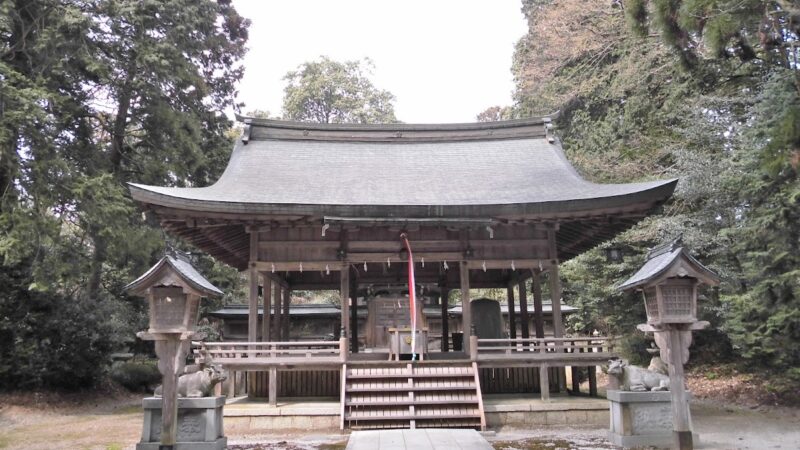
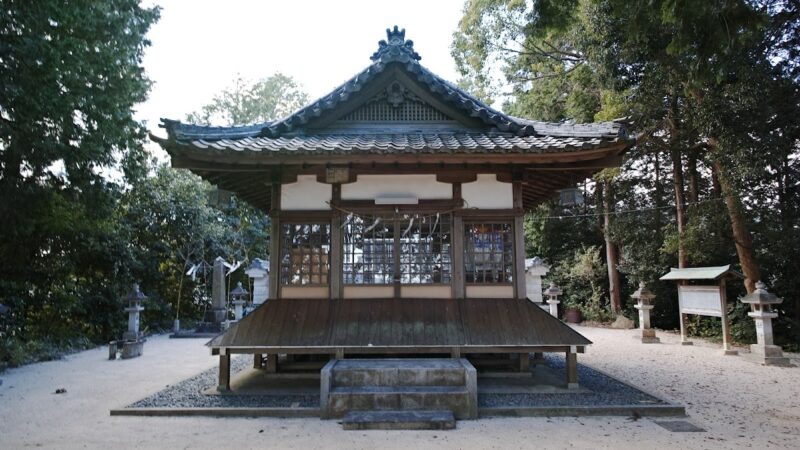
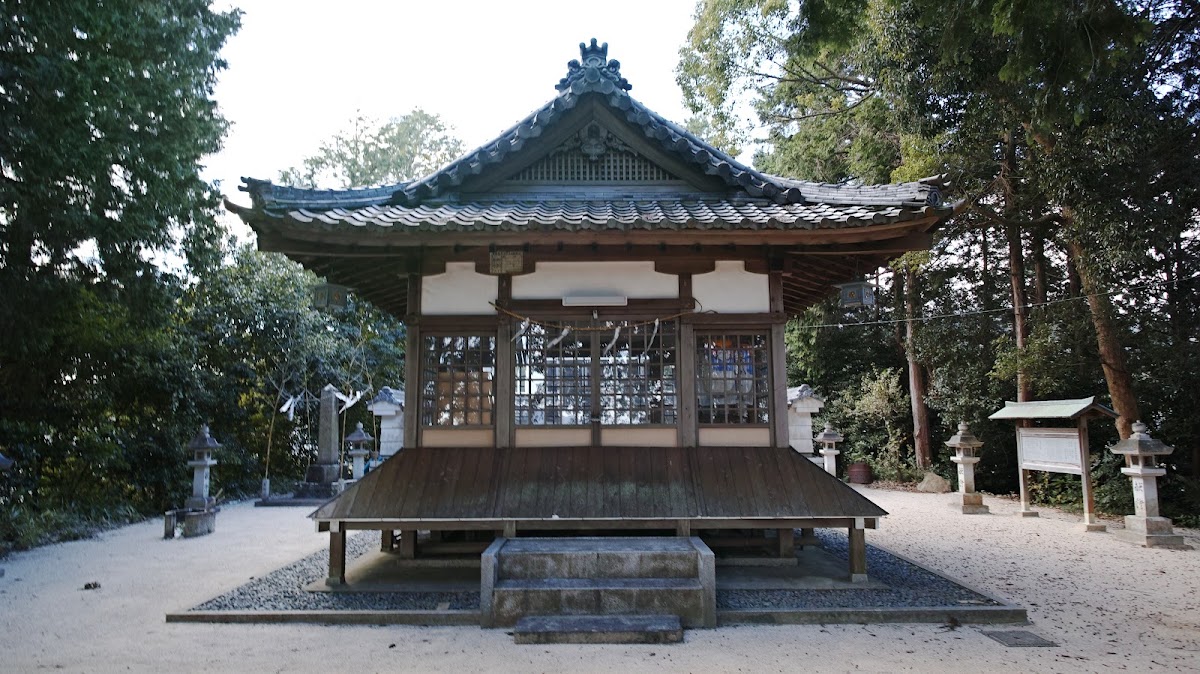
The main hall of Sugashiba Shrine boasts a traditional shrine architectural style, reflecting the region’s history. The worship hall allows worshippers to offer prayers to the deities, maintaining a quiet and solemn atmosphere.
Subsidiary Shrines
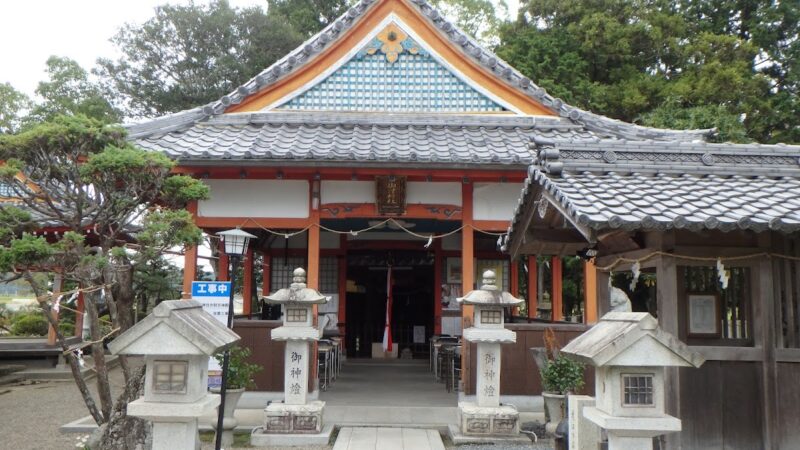
Besides the main hall, there may be several smaller shrines and subsidiary shrines within the grounds. Each of these smaller shrines enshrines a different deity, representing diverse forms of worship.
Sacred Trees and Nature
Like many shrines, Sugashiba Shrine is adorned with ancient sacred trees and the changing seasons of nature. Especially during the spring lush greenery and autumn foliage seasons, visitors can enjoy a landscape where the beauty of nature harmonizes with a sacred atmosphere.
Water Basin
A water basin is provided for purification before worship. By purifying one’s hands and mouth with the correct etiquette before worship, one can offer a more heartfelt prayer.
Annual Events and Festivals
Grand Festival
Sugashiba Shrine holds various festivals throughout the year. The most important is the Grand Festival, where local people gather for a procession of the portable shrine and various offerings.
Seasonal Festivals
New Year’s Visit (January 1st-3rd)
Many worshippers visit the shrine to welcome the New Year. It is an important event to pray for safety and happiness throughout the year.
Setsubun Festival (Around February 3rd)
Events such as bean-throwing are held, and prayers are offered for warding off evil and inviting good fortune.
Summer Festival (July-August)
As a local summer festival, various offerings and events may be held.
Autumn Festival (September-November)
As a festival to give thanks for the harvest, events celebrating a bountiful harvest are held.
Etiquette and Manners for Visiting a Shrine
Basic Etiquette for Visiting a Shrine
When visiting a shrine, please observe the following basic etiquette:
How to Pass Through the Torii Gate
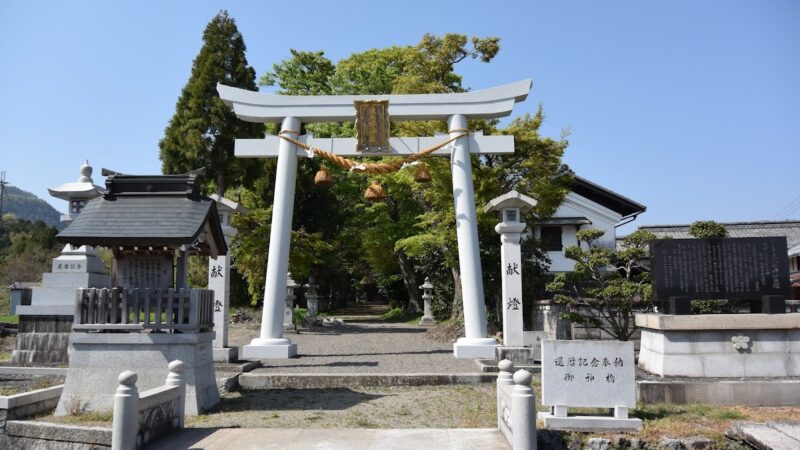
Bow before passing through the torii gate. Since the center of the path is considered the path of the gods, it is polite to walk along the side.
Procedure for Washing Hands
- Hold the ladle in your right hand and wash your left hand.
- Switch the ladle to your left hand and wash your right hand.
- Switch the ladle back to your right hand, receive water in your left hand, and rinse your mouth.
- Wash your left hand again.
- Hold the ladle upright and wash the handle.
Procedure for Bowing
Basic “Two Bows, Two Claps, One Bow” Procedure:
- Bow deeply twice.
- Clap twice at chest height.
- Finally, bow deeply once.
Attire for Visiting
No special formal attire is required, but clean and subdued clothing that reflects the sacred nature of the place is desirable. Especially if you are receiving prayers, avoid overly casual attire.
Access Information
Access by Public Transportation
Sugashiba Shrine can be accessed by bus or taxi from major stations in Shiga Prefecture. For specific transportation options, it is recommended to check the latest timetables and route information in advance.
Access from the Nearest Station
- The nearest station may be on a major line such as the JR Biwako Line.
- Access from the station is by bus, taxi, or on foot.
Access by Car
Using Expressways
Access is possible via local roads from the nearest interchange on the Meishin Expressway or Shin-Meishin Expressway. Entering the shrine name or address into your car navigation system is convenient.
Parking Information
There may be parking spaces for visitors on the shrine grounds or nearby. During festivals and the New Year’s period, congestion is expected, so consider using public transportation.
Nearby Tourist Attractions
Attractive Tourist Destinations in Shiga Prefecture
When visiting Sugashiba Shrine, you can also visit other tourist attractions in Shiga Prefecture.
Lake Biwa
Lake Biwa, Japan’s largest lake, is a representative tourist destination in Shiga Prefecture. You can enjoy lakeside leisure activities and scenery.
Hikone Castle
Designated a National Treasure, Hikone Castle is a valuable castle that preserves its Edo period appearance.
Enryaku-ji Temple on Mount Hiei
Enryaku-ji Temple, also a World Heritage Site, is an important sacred site of Japanese Buddhism.
Omihachiman
In Omihachiman, where historical townscapes remain, you can enjoy canal cruises and strolls through traditional streets.
About Goshuin (Shrine Seals)
Issuance of Goshuin
Sugashiba Shrine may also issue Goshuin. Goshuin are popular as proof of worship and as a tangible representation of one’s connection with the shrine.
Manners for Receiving a Goshuin (Shrine Stamp)
- Always complete your prayers before receiving a Goshuin.
- Prepare your Goshuincho (stamp book) and request it respectfully.
- Prepare the offering fee (usually around 300-500 yen).
- Wait quietly while the Shinto priest writes the stamp.
About Goshuincho
Some shrines have their own original Goshuincho. The designs often reflect the characteristics of the shrine, making them valuable souvenirs.
Prayers, Amulets, and Fortune Slips
Prayers
At Sugashiba Shrine, you may be able to receive prayers for various life milestones and wishes.
Main Types of Prayers
- Prayer for Family Safety
- Prayer for Protection from Evil
- Prayer for Success in Exams/Academic Achievement
- Prayer for Business Prosperity
- Prayer for Safe Childbirth
- First Shrine Visit for a Newborn
- Shichi-Go-San (7-5-3) Ceremony
- Traffic Safety
If you wish to receive a prayer, it is recommended to contact the shrine office in advance to make a reservation. ### Amulets and Souvenirs
Various amulets and lucky charms are available at the shrine’s office.
Common Types of Amulets
- Academic Success Amulet
- Passing Exam Amulet
- Health Amulet
- Protection from Evil Amulet
- Traffic Safety Amulet
- Matchmaking Amulet
- Safe Childbirth Amulet
Fortune Slips (Omikuji)
By drawing a fortune slip (omikuji), you can receive a message from the gods. It’s important not to be overly concerned with the result, but to accept the words as guidance for your life.
Points to Note When Visiting
Visiting Hours
Shrines are generally open for worship from sunrise to sunset, but the opening hours of the shrine office may be limited. If you wish to receive a goshuin (shrine stamp) or amulet, please visit during the shrine office’s opening hours.
Regarding Photography
Photography is generally permitted on the shrine grounds, but please note the following:
- Do not take photos in areas where photography is prohibited, such as inside the main hall.
- Be considerate of other worshippers.
- Remember that this is a sacred place and take photos with moderation.
- Refrain from using flash.
Bringing Pets
Policies regarding bringing pets vary by shrine. It is recommended to check in advance.
Shrine Culture in Shiga Prefecture
History of Shrines in Shiga Prefecture
Shiga Prefecture flourished as the center of the Kinki region from ancient times, and many shrines were founded. In particular, there are many shrines dedicated to water gods and agricultural gods around Lake Biwa.
Community-Based Beliefs
Local guardian shrines like Sugashiba Shrine are closely intertwined with the daily lives of residents. As the center of the local community, they also play a role in deepening people’s bonds through festivals and events.
Visitor Voices and Experiences
Quiet and Peaceful Atmosphere
Many visitors appreciate the quiet and peaceful atmosphere of Sugashiba Shrine. Many say that because it’s a simple shrine that hasn’t been commercialized for tourism, they can offer heartfelt prayers.
Warmth of the Local People
This shrine has been carefully preserved by the local people, and their warm welcome to visitors is one of its characteristics. It has the approachable feel of a shrine deeply rooted in the community.
Seasonal Charms
Spring at Sugashiba Shrine
In spring, the fresh greenery is beautiful, and the shrine grounds are enveloped in an atmosphere full of vitality. If cherry trees are planted, visiting during cherry blossom season is also recommended.
Summer at Sugashiba Shrine
During the summer festival, you can feel the vibrancy of the community. The lush green grounds are a relatively cool place to spend time even on hot days.
Autumn at Sugashiba Shrine
In autumn, the autumn leaves color the shrine grounds, allowing you to enjoy a beautiful landscape. An atmosphere of abundance, befitting the harvest season, permeates the air. ### Sugashiba Shrine in Winter
In the quiet of winter, the sacred atmosphere is even more pronounced. During the New Year’s visit season, it is bustling with many worshippers.
Recommendation for Visiting Sugashiba Shrine
Sugashiba Shrine is a valuable place where you can experience the history and culture of Shiga Prefecture. Unlike large-scale tourist shrines, it possesses a simple charm rooted in the local community.
It is a shrine that can be visited for various purposes: when you want to escape the hustle and bustle of everyday life and calm your mind, when you want to pray for divine protection at a turning point in your life, or when you want to experience the history and culture of Shiga Prefecture.
When visiting, please observe the etiquette and manners introduced in this article and visit with respect for the deities. It will surely be a memorable worship experience.
Summary
Sugashiba Shrine is a historical shrine located in Shiga Prefecture and has long been cherished by the local people. It is believed to offer various blessings, such as academic success, family safety, and protection from evil, and many worshippers visit throughout the year.
The shrine grounds include the main hall, worship hall, and sacred trees, offering a beautiful landscape in harmony with nature throughout the seasons. When visiting, please observe basic etiquette and be mindful of the sacred nature of the place.
When visiting Shiga Prefecture, in addition to famous tourist spots such as Lake Biwa and Hikone Castle, visiting local shrines like Sugashiba Shrine will allow you to experience Shiga’s culture and history more deeply.
We hope that a heartfelt visit will bring good fortune to your life.