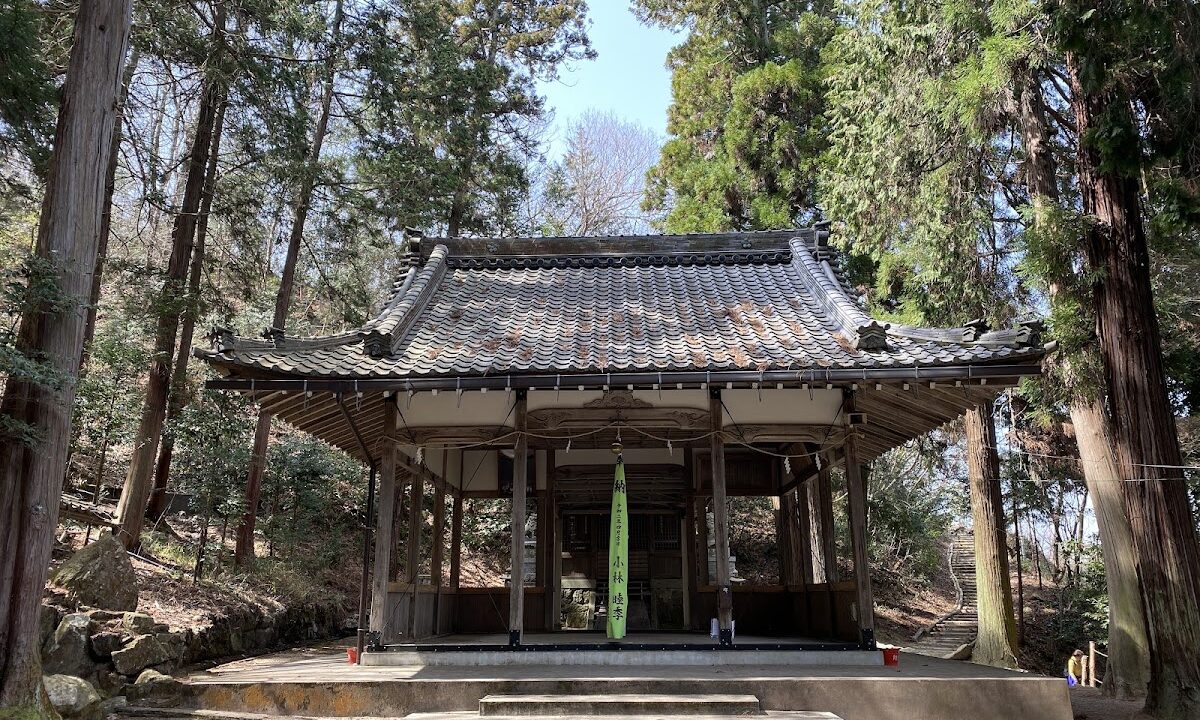
Complete Guide to Ueyama Tenman Tenjin Shrine (Higashiomi City, Shiga Prefecture) | History, Deities, and Access Information
Ueyama Tenman Tenjin Shrine, located in Higashiomi City, Shiga Prefecture, is a Tenjin shrine with a long history, founded during the Heian period. It enshrines two deities, Amenotokotachi-no-Mikoto and Sugawara no Michizane, and has been a center of local faith. This article provides a detailed explanation of Ueyama Tenman Tenjin Shrine’s history, enshrined deities, highlights within the grounds, and access methods.
Basic Information on Ueyama Tenman Tenjin Shrine
Ueyama Tenman Tenjin Shrine is located in Ueyama-cho, Higashiomi City, Shiga Prefecture, and its official name is “Ueyama Tenman Tenjin Shrine.” As the name suggests, it enshrines Sugawara no Michizane, known as the god of learning, as one of its main deities.
Basic Data
- Location: Kamiyama-cho, Higashiomi City, Shiga Prefecture
- Deities Enshrined: Amenotokotachi-no-Mikoto, Sugawara no Michizane
- Divine Emblem: Plum Blossom
- Founding: Heian Period
- Shrine Rank: Village Shrine
- Jurisdiction: Shiga Prefectural Shrine Association
History and Origins of Kamiyama Tenman Tenjin Shrine
Founding in the Heian Period
The founding of Kamiyama Tenman Tenjin Shrine dates back to the Heian period. This was a time of great development in Japanese shrine worship, and many shrines were built throughout the country. Kamiyama Tenman Tenjin Shrine is also said to have been founded during this period as a guardian deity of the region.
Spread of Tenjin Worship
Sugawara no Michizane was a scholar and politician of the Heian period, and after his death, he came to be revered as Tenjin-sama. After Michizane’s death in Dazaifu, Tenmangu and Tenjin shrines were built in various locations, and it is believed that Kamiyama Tenman Tenjin Shrine also enshrined Michizane as part of this trend.
Connection to the Community
Kamiyama-cho in Higashiomi City has long been a thriving agricultural area, and Kamiyama Tenman Tenjin Shrine has functioned as the local tutelary shrine, a place where people pray for abundant harvests and family safety. Furthermore, because it enshrines Michizane, the god of learning, many worshippers also visited to pray for the academic success of local children.
About the Deities Enshrined
Kamiyama Tenman Tenjin Shrine enshrines two deities. Let’s take a closer look at each of them.
Amenotokotachi-no-Mikoto
Amenotokotachi-no-Mikoto is one of the fundamental gods in Japanese mythology. He is considered the first of the seven generations of gods appearing in the Kojiki and Nihon Shoki, and is a deity who appeared at the time of the creation of heaven and earth.
Divine Nature of Amenotokotachi-no-Mikoto
- The primordial deity of creation
- The deity who governs the beginning of the universe
- A symbol of eternity and immutability
Shrines that enshrine Amenotokotachi-no-Mikoto as their main deity are relatively rare, and this is one of the unique features of Kamiyama Tenman Tenjin Shrine. It is believed that enshrining this deity signifies a prayer for the lasting prosperity and stability of the region.
Sugawara no Michizane
Sugawara no Michizane was a scholar and politician of the Heian period, and is worshipped nationwide as the god of learning.
The Life of Sugawara no Michizane
- Born in Kyoto in 845 (Jōwa 12)
- Active in the Imperial Court as an outstanding scholar
- Promoted to Minister of the Right
- Demoted to Dazaifu due to political infighting
- Died in Dazaifu in 903 (Engi 3)
Divine Virtues
- Academic success and passing exams
- Improvement in literary arts
- Sincerity
- Protection from misfortune and disaster
After Michizane’s death, various disasters occurred in Kyoto, leading to his enshrinement as Tenjin to appease his vengeful spirit. Eventually, his character shifted from a vengeful spirit worship to a deity of learning, and he is now revered by students and those preparing for exams.
Highlights of the Shrine Grounds
Main Hall
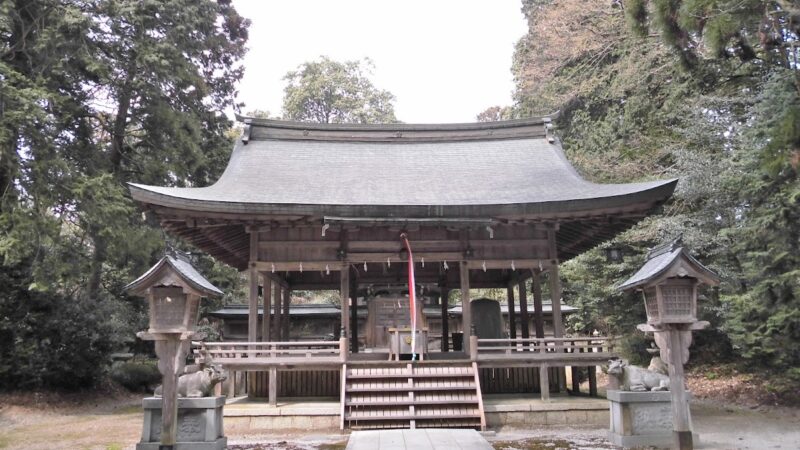
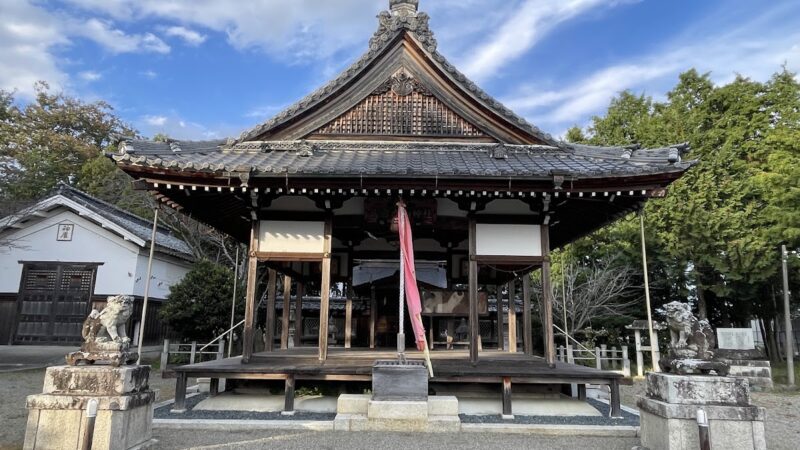
The main hall of Kamiyama Tenman Tenjin Shrine is built in the traditional style of shrine architecture. Although small in scale, it has been carefully maintained as a center of local faith.
The Plum Blossom Crest
A characteristic feature of shrines dedicated to Sugawara no Michizane is the use of the plum blossom crest as their divine emblem. This originates from Michizane’s love of plum blossoms. His famous waka poem, “When the east wind blows, send forth your fragrance, O plum blossoms; do not forget spring, even though your master is gone,” was composed when he was exiled from Kyoto to Dazaifu.
Atmosphere of the Shrine Grounds
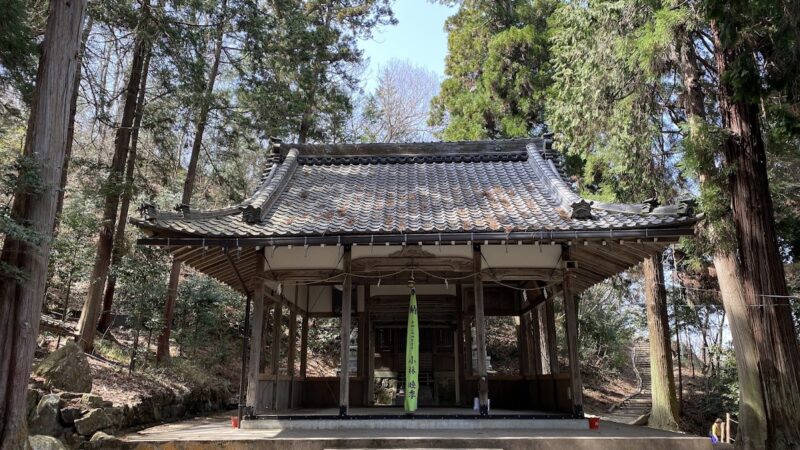
The grounds of Kamiyama Tenman Tenjin Shrine are enveloped in a quiet and peaceful atmosphere. Surrounded by rural scenery, visitors can experience the beauty of nature throughout the seasons. Especially in spring, the plum blossoms bloom, delighting visitors as a flower associated with Michizane.
Annual Events and Festivals
Annual Festival
Kamiyama Tenman Tenjin Shrine holds various festivals throughout the year. The annual festival is an important local event, bringing together parishioners and local residents to express gratitude to the deity and pray for future peace and prosperity.
First Shrine Visit of the Year
At the start of the new year, visitors come to the shrine for their first shrine visit of the year, praying for safety throughout the year, the well-being of their families, and academic success. Students preparing for exams and their families are particularly seen praying to Sugawara no Michizane, the god of learning, for success.
Tenjin Festival
At Tenjin shrines dedicated to Sugawara no Michizane, the Tenjin Festival is often held on the anniversary of his death. Kamiyama Tenman Tenjin Shrine also holds festivals based on local traditions.
Divine Blessings and Virtues
The main blessings that can be prayed for at Kamiyama Tenman Tenjin Shrine are as follows:
Academic Success and Passing Exams
As the shrine enshrines Sugawara no Michizane, the most famous blessing is academic success. Many visitors come to pray for success in entrance exams, qualification exams, and improved academic performance.
Literary Improvement
Michizane was an excellent scholar and excelled in Chinese and Japanese poetry. Therefore, it is also worshipped by those who wish to improve their writing skills or cultivate their artistic talents.
Sincerity and Honesty
The life of Sugawara no Michizane was permeated with sincerity. Even after being unjustly exiled, his unwavering loyalty to the Emperor teaches us the importance of sincerity and honesty.
Protection from Misfortune and Disaster
Tenjin worship also has an aspect of protection from misfortune. Furthermore, it is believed that by enshrining the primordial deity, Amenotokotachi-no-Mikoto, one can be protected from all kinds of disasters.
Abundant Harvest and Family Safety
As a local guardian deity, it is also worshipped as a god who protects bountiful harvests and the health and safety of families.
Relationship with Tenjin Shrines around Higashiomi City
Several Tenjin shrines and Tenman shrines are scattered around Higashiomi City, Shiga Prefecture.
Tenman Shrine (Doki-cho)
A Tenman Shrine is also located in Doki-cho, Higashiomi City, and is accessible on foot from Sakuragawa Station on the Ohmi Railway. This shrine also enshrines Sugawara no Michizane and serves as a center of Tenjin worship in the region.
Network with Surrounding Shrines
Many other shrines, such as Hiyoshi Shrine, are located around Kamiyama Tenman Tenjin Shrine. These shrines form a regional faith network, each playing its own unique role in supporting the local community.
Access and Transportation Information
Access by Public Transportation
When using public transportation to reach Kamiyama Tenman Tenjin Shrine, the Ohmi Railway is the most convenient option.
Access from the Nearest Station
- Accessible on foot from the nearest station on the Ohmi Railway Main Line
- Approximately 10-15 minutes on foot from the station
- A quiet route through rural areas
Access by Car
Access from Major Roads
- Approximately 15 minutes by car from the Meishin Expressway, Yokaichi Interchange
- Accessible from National Route 8
- Parking: Parking spaces available on the shrine grounds or nearby (prior confirmation is recommended)
Address and Map
Location: Kamiyama-cho, Higashiomi City, Shiga Prefecture
When visiting, it is recommended to check the exact location using a map app beforehand. Because it is located in a rural area, there may be few landmarks.
Manners and Etiquette for Visiting a Shrine
Basic Etiquette for Visiting a Shrine
Let’s review the basic etiquette for visiting a shrine.
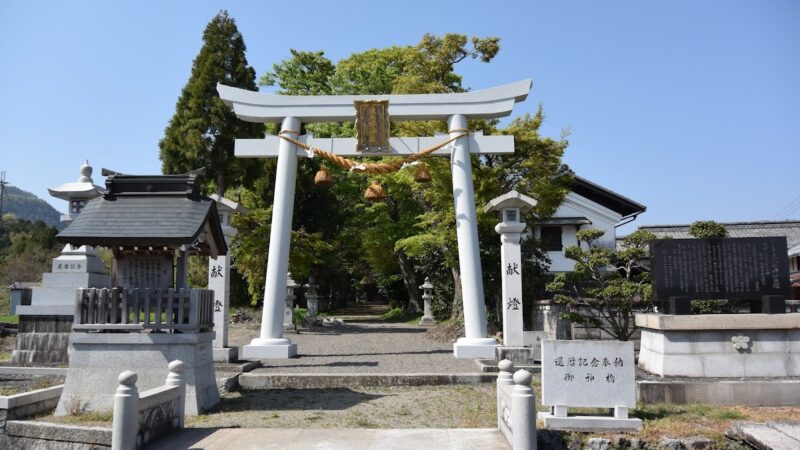
How to Pass Through a Torii Gate
- Bow before the torii gate.
- Walk along the path, avoiding the center (the center is the path for the gods).
- Proceed quietly into the shrine grounds.
How to Wash Your Hands
- Take the ladle with your right hand and wash your left hand.
- Switch the ladle to your left hand and wash your right hand.
- Switch the ladle back to your right hand, receive water in your left hand, and rinse your mouth.
- Wash your left hand once more.
- Hold the ladle upright, wash the handle, and return it to its original position.
How to Worship
- Quietly place your offering in the offering box.
- Ring the bell if there is one.
- Two bows, two claps, one bow.
- Bow deeply twice.
- Clap twice.
- Pray sincerely.
- Bow deeply once.
Attire for Visiting a Shrine
There are no specific dress code requirements, but please be mindful that you are standing before the gods and dress in clean and respectful attire.
Tenjin Worship and Historical Background in Shiga Prefecture
Tenjin Worship in Shiga Prefecture
Shiga Prefecture flourished as a transportation hub in the Kinki region from ancient times, and many shrines and temples were built. Tenjin worship also spread early on, from the Heian period onward, due to its geographical proximity to Kyoto.
Shrine Culture of Omi Province
Ancient Omi Province (present-day Shiga Prefecture) had many shrines listed in the Engishiki Jinmyocho (a list of shrines compiled in the Heian period). While Kamiyama Tenman Tenjin Shrine is not an Engishiki shrine, it is considered an important shrine that attracts local faith.
Nearby Tourist Spots
Here are some nearby tourist spots you can visit when you come to Kamiyama Tenman Tenjin Shrine.
Mt. Kinugasa (Kannonji Mountain)
Mt. Kinugasa, a symbolic landmark of Higashiomi City, is a mountain with an elevation of 433 meters. The ruins of Kannonji Castle are located at the summit, and it is a popular hiking destination. Located relatively close to Kamiyama Tenman Tenjin Shrine, this spot offers a chance to enjoy both nature and history.
Historical Buildings in Higashiomi City
Higashiomi City is home to the Gokasho district, known as the birthplace of Omi merchants, where traditional townscapes are preserved. Visitors can see historical buildings such as white-walled storehouses and Omi merchant residences.
Tarobo Shrine (Aga Shrine)
One of Higashiomi City’s representative shrines, known as a deity of victory and protection against evil. Situated on a mountainside, the shrine grounds offer a spectacular view of Lake Biwa.
Summary of the Charms of Kamiyama Tenman Tenjin Shrine
While not large in scale, Kamiyama Tenman Tenjin Shrine boasts a long history dating back to the Heian period and features distinctive enshrined deities: Amenotokotachi-no-Mikoto and Sugawara no Michizane.
Features of Kamiyama Tenman Tenjin Shrine
- An ancient shrine founded during the Heian period
- A rare shrine with Amenotokotachi-no-Mikoto, the primordial deity, as its main enshrined deity
- Enshrines Sugawara no Michizane, the god of learning
- Quiet and peaceful grounds
- A local guardian shrine that attracts the faith of the community
Recommended for:
- Those preparing for entrance exams or qualification tests
- Those wishing to pray for academic success
- Those seeking peace of mind in a quiet shrine
- Those interested in the history and culture of Shiga Prefecture
- Those who enjoy visiting shrines
Notes on Visiting
Visiting Hours
Kamiyama Tenman Tenjin Shrine is generally open for worship all day, but the shrine office’s operating hours may be limited. If you wish to receive a Goshuin (shrine stamp) or other items, it is recommended to check in advance.
Photography
Photography is generally permitted on the shrine grounds, but please be considerate of other worshippers. If photography is restricted in certain areas, such as inside the main hall, please follow the instructions.
Seasonal Highlights
Spring (March-May)
- Enjoy the scenery associated with Sugawara no Michizane as plum blossoms bloom.
- A beautiful season of fresh greenery.
Summer (June-August)
- Enjoy the coolness of the lush green grounds.
- Summer festivals and other events are sometimes held.
Autumn (September-November)
- A beautiful season of autumn leaves.
- Festivals are held to express gratitude for the harvest.
Winter (December-February)
- Visit the shrine in a tranquil atmosphere.
- Many worshippers visit for Hatsumode (first shrine visit of the year).
Summary
Kamiyama Tenman Tenjin Shrine is a historic Tenjin shrine located in Higashiomi City, Shiga Prefecture. It enshrines two deities, Amenotokotachi-no-Mikoto and Sugawara no Michizane, and is believed to offer various blessings, including academic success and family safety.
This shrine, which has attracted the faith of local people since the Heian period, is a place where you can pray in a quiet and peaceful atmosphere. During exam season, you can see students and their families visiting to pray for success.
When you visit Higashiomi City, be sure to stop by Kamiyama Tenman Tenjin Shrine and experience the atmosphere of this shrine with its long history. Visiting it in conjunction with the nearby Mt. Suzuka and the historical townscape will allow you to enjoy a more fulfilling Shiga sightseeing experience.
The time spent praying in peace, under the protection of Sugawara no Michizane, the god of learning, and Amenotokotachi no Mikoto, the god of creation, will surely be a memorable experience.