Hachinomiya Akayama Shrine (Higashiomi City, Shiga Prefecture) Complete Guide | History, Deities, and Access Information
Hachinomiya Akayama Shrine, located in Ogawa-cho, Higashiomi City, Shiga Prefecture, is a historical shrine deeply rooted in the local community. It enshrines Prince Atsuhito as its main deity and was once revered as the guardian deity of Ogawa Tosa-no-kami. This article provides detailed information useful for visitors, including the history of Hachinomiya Akayama Shrine, its enshrined deities, the appearance of the shrine grounds, festivals, and access methods.
Basic Information on Hachinomiya Akayama Shrine
Hachinomiya Akayama Shrine is located in Ogawa-cho, Higashiomi City, Shiga Prefecture, and is cherished as the local tutelary deity.
Location and Contact Information
- Location: 1410 Ogawa-cho, Higashiomi City, Shiga Prefecture
- Postal Code: 〒521-1204
- Corporate Number: 2160005005935
- Shrine Rank: Former Village Shrine
This shrine is the only one in Japan named “Hachimiya Akayama Shrine,” making it a unique and unparalleled entity. As a formal religious corporation belonging to the Shiga Prefectural Shrine Association, it plays a central role in local faith.
Deity Enshrined
The deity enshrined at Hachimiya Akayama Shrine is Prince Atsugihito. Prince Atsugihito was a member of the imperial family during the Heian period and is known as the son of the later Emperor Daigo. The enshrinement of the prince as a deity speaks to the deep connection with the imperial court at the time and the historical importance of this region.
Shrines dedicated to Prince Atsuhito are rare throughout Japan, making this a significant element that highlights the uniqueness of Hachimiya Akayama Shrine. The worship of princes holds special significance in Japanese Shinto, symbolizing the connection between the Imperial family and the local community.
History of Hachimiya Akayama Shrine
Founding and Early History
The exact founding date of Hachimiya Akayama Shrine is unknown, but it is said to have been located in the Ogawa area since ancient times. While the details of its founding are unclear, its origins are believed to date back to a considerably ancient period.
In the past, this shrine was revered as the guardian deity of Ogawa Tosa-no-kami. Ogawa Tosa-no-kami is presumed to have been a samurai who ruled this region during the medieval period, indicating that the shrine functioned as the guardian deity of the lord. In medieval Japan, it was common for the samurai class to worship specific shrines as their guardian deities, and Hachimiya Akayama Shrine is one such shrine with a historical background.
The Fire and Reconstruction During the Tensho Era
The most significant turning point in the history of Hachimiya Akayama Shrine was the fire during the Tensho era (1573-1592). This period was a turbulent time of unification, with Oda Nobunaga succeeding Toyotomi Hideyoshi, and Omi Province, including Shiga Prefecture, was embroiled in numerous wars.
During the fires of the Tensho era, Hachimiya Akayama Shrine was completely destroyed. Almost everything—the shrine buildings, treasures, and records—was lost, leaving only a shrine eaves. The shrine eaves refer to the porch portion of the shrine architecture, indicating that a small part of the main hall barely survived.
This destruction resulted in the loss of many of the shrine’s old records and historical documents, which is the main reason why the founding date and detailed early history remain unknown.
A New Beginning as a Local Guardian Deity
After being destroyed by fire during wartime, Hachimiya Akayama Shrine was rebuilt as the local guardian deity of the entire Ogawa area. A local guardian deity (ubusunagami) is a regional deity that protects the people of that land from birth. While changing its character from a guardian deity of a samurai family to a tutelary deity of the entire region, the shrine became deeply rooted in the local community.
Through the faith and efforts of the residents of Ogawa town, the burnt-down shrine buildings were gradually rebuilt, and it was restored as a spiritual center for the community. From this period onward, it is believed that Hachimiya Akayama Shrine strengthened its character as a shrine for the entire community, rather than being a guardian deity of an individual lord.
The Meiji Era Shrine Ranking System and Village Shrine Status
After the Meiji Restoration, the new government reorganized shrines throughout the country and established a shrine ranking system. Within this system, Hachimiya Akayama Shrine was ranked as a village shrine in October 1876 (Meiji 9).
A “village shrine” is a rank within the modern shrine ranking system established by the Meiji government, given to the central shrine in each village. This ranking indicated that Hachimiya Akayama Shrine was officially recognized as a shrine within the region and clarified its position within the State Shinto system.
This ranking meant the shrine was officially registered in public records, and certain standards were established for its rituals and management. From the Meiji period onward, Hachimiya Akayama Shrine built a stable foundation as a local religious institution within the modern shrine system.
Festivals and Annual Events
Grand Festival
The main festival day for Hachimiya Akayama Shrine is April 20th in the old lunar calendar, and currently the Grand Festival is held on April 20th in the new calendar. This is the most important festival day for the shrine, and local people gather to offer thanks and prayers to the gods.
During the Grand Festival, Shinto priests solemnly perform rituals, and parishioners and local residents attend. The festival follows traditional Shinto rituals, including the recitation of prayers and the offering of sacred branches.
April marks the beginning of the farming season, and the festival also includes prayers for a bountiful harvest and peace in the community. Held with the arrival of spring, this festival has been passed down to this day as an important event that unites the local community.
Other Annual Events
Besides the annual grand festival, it is believed that various Shinto rituals are performed throughout the year at Hachimiya Akayama Shrine. Similar to typical shrines, seasonal festivals such as the New Year’s Day festival, the Setsubun festival, and the autumn harvest thanksgiving festival are likely held.
As the local tutelary deity, it is presumed that prayers for important life events such as the first shrine visit for a newborn, Shichi-Go-San (a traditional rite of passage for children), and protection against misfortune are also accepted.
Shrine Grounds and Highlights
Atmosphere of the Shrine Grounds
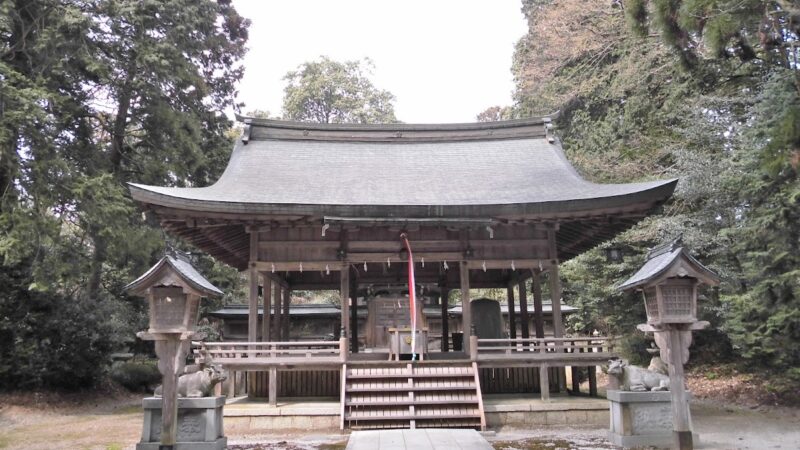
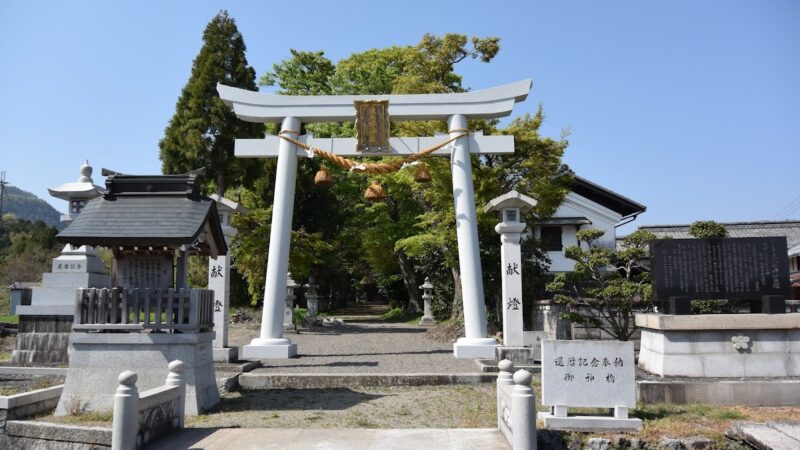
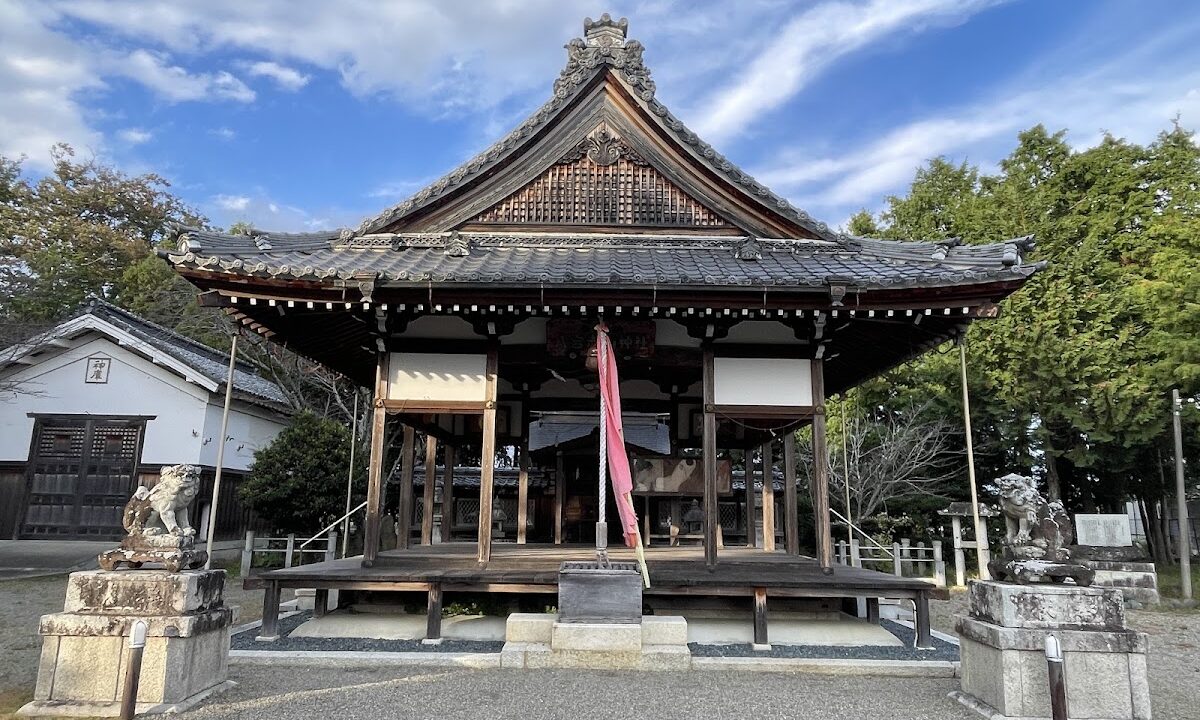
The grounds of Hachimiya Akayama Shrine are located in a quiet area called Ogawa-cho in Higashiomi City, Shiga Prefecture. Although the original buildings were lost in the fires of the Tensho era, the rebuilt shrine continues to function as the center of local faith.
The shrine grounds are carefully maintained by local residents, preserving a clean and tranquil atmosphere. Despite its small size, it possesses both the dignity of a local tutelary shrine and a welcoming feel.
Shrine Architecture
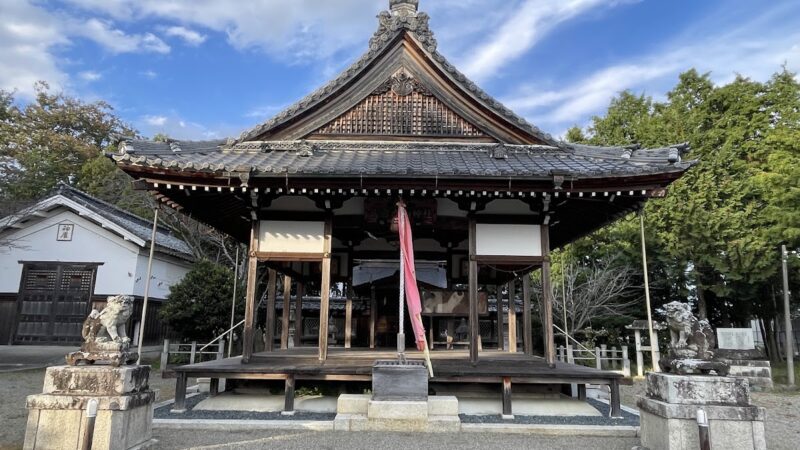
The current shrine building was rebuilt after the fires of the Tensho era. It was reconstructed based on the few remaining sanctuary structures, a testament to the faith of the local people.
The architectural style is believed to follow traditional shrine architecture, featuring the basic components of a main hall, worship hall, etc. Its size is appropriate for a village shrine; while not extravagant, it maintains the dignity of a sacred space.
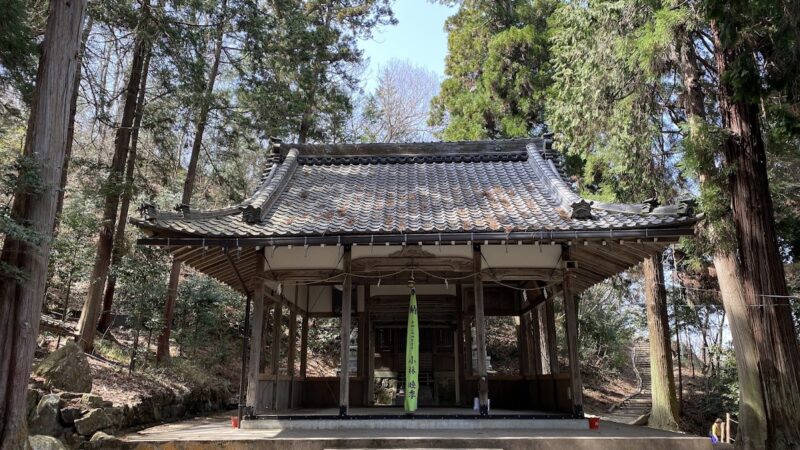
Natural Environment of the Shrine Grounds
Higashiomi City in Shiga Prefecture is located on the eastern shore of Lake Biwa and is blessed with a rich natural environment. The area surrounding Hachimiya Akayama Shrine is also surrounded by rural landscapes, allowing visitors to experience the beauty of nature throughout the seasons.
The shrine grounds, with their ever-changing scenery throughout the seasons—cherry blossoms and fresh greenery in spring, and vibrant autumn leaves—provide tranquility to visitors. The peaceful environment, allowing for a leisurely visit, is one of the shrine’s charms.
Access to Hachimiya Akayama Shrine
Access by Public Transportation
Access to Hachimiya Akayama Shrine by public transportation is as follows:
Nearest Station: Ohmi Railway Main Line “Yokaichi Station”
The shrine is approximately 5 kilometers from Yokaichi Station. From the station, you can take a taxi or a local bus. If taking the bus, board an Ohmi Railway bus or a Chokotto bus (Higashiomi City community bus) bound for Ogawa, get off at the nearest bus stop, and walk to the shrine.
Please note that local public transportation may have limited service, so it is recommended to check the timetable in advance.
Access by Car
Access by car is the most convenient option.
Access from the Expressway:
- Approximately 15 minutes from the Meishin Expressway “Yokaichi IC”
- Take National Route 421 towards Ogawa-cho
Car Navigation Settings:
- Address: 1410 Ogawa-cho, Higashiomi City, Shiga Prefecture
- Postal Code: 〒521-1204
Regarding parking, there may be space for visitors within or around the shrine grounds, but please check details on-site. As it is a local shrine, there may not be a large parking lot.
Travel Time from Major Nearby Cities
- From Kyoto City: Approximately 1 hour by car
- From Osaka City: Approximately 1 hour 30 minutes by car
- From Nagoya City: Approximately 1 hour 30 minutes by car
- From Hikone City: Approximately 40 minutes by car
Located in the central part of Shiga Prefecture, it is easily accessible from the Kansai and Chubu regions.
Shrine Culture of Higashiomi City and Surrounding Areas
Overview of Higashiomi City
Higashiomi City is located in the eastern part of Shiga Prefecture, stretching from the eastern shore of Lake Biwa to the western foothills of the Suzuka Mountains. Although a relatively new city, formed in 2005 through the merger of several towns centered around Yokaichi City, its history is long, having flourished as a transportation hub since ancient times.
The city’s name, “Yokaichi,” originates from the fact that a market was held on the 8th of every month, reflecting its tradition as a commercial city. It is also known as one of the birthplaces of Omi merchants, fostering a unique culture where commerce and faith are intertwined.
Major Shrines in the Surrounding Area
Besides Hachimiya Akayama Shrine, Higashiomi City is home to many other historical shrines.
Tarobo-gu (Aga Shrine)
One of Higashiomi City’s representative shrines is Tarobo-gu (Aga Shrine), located on the mountainside of Akagami-yama (Tarobo-yama). Mount Akagami, at an elevation of 357.2 meters, is revered as a sacred mountain and is considered the birthplace of sacred mountain worship and rock formation worship.
Tarobo Shrine has a unique form of worship that fuses Shinto with Tendai mountain Buddhism and Shugendo beliefs. It is known as a mystical sacred mountain with giant rocks scattered throughout. The view overlooking the city of Yokaichi is also magnificent, attracting many worshippers.
Other Shrines
Within Higashiomi City, there are many other shrines worshipped as local tutelary deities. Each has its own unique history and origins, and is closely connected to the local community.
Shrine Culture of Shiga Prefecture
Shiga Prefecture, home to Lake Biwa, Japan’s largest lake, has played an important role as a transportation hub since ancient times. Therefore, there are numerous shrines within the prefecture, with the total number estimated to exceed 1,400.
The shrines belonging to the Shiga Prefectural Association of Shinto Shrines each possess unique characteristics that reflect the history and culture of their respective regions. Many of these shrines are nationally renowned, including Takebe Taisha, the Ichinomiya (first-ranked shrine) of Omi Province; Taga Taisha, considered the guardian shrine of the Lake Biwa region; and Chikubushima Shrine, located on Lake Biwa.
Within this rich shrine culture of Shiga Prefecture, Hachimiya Akayama Shrine continues to play a unique role as the local tutelary deity of Ogawa Town.
Manners and Etiquette for Visiting a Shrine
Basic Worship Etiquette
When visiting Hachimiya Akayama Shrine, please observe the following basic etiquette:
- Bow before passing through the torii gate: Before entering the sacred grounds, bow before the torii gate.
- Purify yourself at the water basin: Upon entering the shrine grounds, purify your hands and mouth at the water basin.
- How to walk on the approach to the shrine: Since the center of the approach is considered the path of the gods, it is polite to walk along the sides.
- Etiquette at the main hall: The basic procedure is two bows, two claps, and one bow. Place your offering in the offering box, ring the bell, bow deeply twice, clap your hands twice, and finally bow once.
- Bow when leaving: When leaving, turn around after passing through the torii gate and bow once.
Clothing and belongings for visiting the shrine
There are no specific dress code requirements, but it is desirable to wear clothing that is respectful of the sacred place. Avoid revealing or overly flashy clothing.
As for belongings, it is a good idea to have some coins (offering money) ready. Also, if you collect Goshuin (shrine stamps), please bring your Goshuincho (stamp book) (however, as it is a small shrine, they may not always be able to provide this service).
Regarding Photography
Photography is generally permitted on the shrine grounds, but please refrain from taking pictures inside the main hall or in sacred areas. Also, please be considerate of other visitors.
The Charm and Characteristics of Hachimiya Akayama Shrine
A Unique Name
This is the only shrine in Japan with the name “Hachimiya Akayama Shrine.” This uniqueness speaks to the shrine’s distinctiveness and special history. The origin of the name “Hachimiya” is unclear, but it may be related to the enshrinement of Prince Atsuhito, a member of the imperial family.
The Rarity of the Prince Atsuhito Worship
Shrines enshrining Prince Atsuhito, the enshrined deity, are extremely rare throughout Japan, making Hachimiya Akayama Shrine a special existence in this respect as well. The enshrinement of a member of the imperial family as a deity demonstrates a deep connection between the region and the imperial court, and holds historical significance.
A Faith Rooted in the Community
The history of its transformation from a guardian deity of samurai families to a local tutelary deity illustrates a typical pattern of Japanese shrine worship. Having overcome the hardships of warfare during the Tensho era and rebuilt through the faith of the local people, the shrine embodies the very history of Ogawa Town.
A Tranquil Worship Environment
Unlike large-scale tourist shrines, Hachimiya Akayama Shrine offers a quiet and peaceful worship environment. Being able to leave the hustle and bustle behind and worship at a leisurely pace is a precious experience in modern times.
History and Culture of Ogawa Town
Overview of Ogawa Town
Ogawa Town is located in the northern part of Higashiomi City and is a quiet town surrounded by rural landscapes. Historically, life has revolved around agriculture, and it is known as a region with strong community ties.
Ogawa Tosa-no-kami and Samurai Culture
Ogawa Tosa-no-kami, who appears in the history of Hachimiya Akayama Shrine, is thought to have been a samurai who ruled this region during the medieval period. Although detailed records are not available, it is understood that a samurai family with the place name Ogawa as their surname ruled this area and revered Hachimiya Akayama Shrine as their guardian deity.
Medieval Omi Province was a crucial transportation hub connecting Kyoto and eastern Japan, a region where many warlords vied for control. It is presumed that Ogawa Tosa-no-kami was a figure who dedicated himself to the stability and development of this region during this turbulent era.
Warfare and Reconstruction during the Tensho Era
The Tensho era (1573-1592) was a time when Oda Nobunaga conquered Omi Province, followed by Toyotomi Hideyoshi’s unification of Japan. During this period, Omi Province was embroiled in numerous wars, and many temples and shrines were destroyed by fire.
The Hachimiya Akayama Shrine was also destroyed during this time, indicating that the Ogawa area was greatly affected by the conflict. However, after the wars subsided, the local people rebuilt the shrine and established a new form of worship as a tutelary deity. This history of reconstruction demonstrates the strong spirit and deep affection for their region held by the people of Ogawa.
Shrine Pilgrimage in Shiga Prefecture and Hachimiya Akayama Shrine
How to Enjoy Shrine Pilgrimages
Shiga Prefecture is a treasure trove of shrines, making it an ideal region for enjoying shrine pilgrimages. When visiting Hachimiya Akayama Shrine, visiting surrounding shrines as well will allow you to gain a deeper understanding of the region’s history and culture.
Recommended Shrine Pilgrimage Route
The following route is a suggested model course for shrine pilgrimages centered around Higashiomi City:
- Tarobo-gu (Aga Shrine): A representative shrine of Higashiomi City, located on the slopes of Mt. Akagami
- Hachimiya Akayama Shrine: The tutelary shrine of Ogawa Town
- Other Local Shrines: Visiting smaller shrines within Higashiomi City
By traveling this route by car, you can visit multiple shrines in one day, enjoying the comparison of the unique characteristics and regional features of each shrine.
About Collecting Goshuin (Shrine Seals)
In recent years, collecting Goshuin has become one of the joys of visiting shrines. Hachimiya Akayama Shrine is a small shrine, so it’s unclear whether they always offer Goshuin (shrine stamps). It’s recommended to check in advance.
You can obtain detailed information about Goshuin availability and visiting procedures by contacting the Shiga Prefectural Shrine Association.
The Future and Preservation of Hachimiya Akayama Shrine
Challenges for Local Shrines
Local shrines throughout Japan face challenges in maintenance due to depopulation and an aging population. Declining parishioners and a lack of successors are common problems for many shrines.
Hachimiya Akayama Shrine, as a small local shrine, may also face similar challenges. However, with its unique name and history, this shrine is a valuable cultural asset of the region and deserves to be preserved.
Collaboration with the Local Community
Maintaining a shrine requires the cooperation of the entire community. With the support of not only the residents of Ogawa Town, but also the entire city of Higashiomi, Shiga Prefecture, and those interested in shrines, Hachimiya Akayama Shrine will be passed down to future generations.
Value as a Cultural Asset
Hachimiya Akayama Shrine has a history of being rebuilt after surviving the fires of war during the Tensho era, and was officially ranked as a village shrine during the Meiji period. This historical background makes it a valuable resource for understanding the region’s history.
While the building itself is not ancient, the very existence of the shrine can be considered a “living cultural asset” that conveys the history and culture of the region.
Summary
Hachimiya Akayama Shrine, located in Ogawa-cho, Higashiomi City, Shiga Prefecture, is a unique shrine dedicated to Prince Atsuhito. Despite experiencing the hardship of being destroyed by fire during the Tensho era, it was rebuilt as a tutelary deity through the faith of the local people and was ranked as a village shrine in 1876 (Meiji 9).
With its unique name, “Hachimiya Akayama Shrine,” being the only one of its kind in Japan, its rarity in enshrining Prince Atsuhito (a member of the imperial family), and its history of transitioning from a guardian deity of samurai to a tutelary deity of the region, this shrine possesses many distinctive features and is a valuable presence that conveys the history and culture of Ogawa-cho to the present day.
Nestled in a tranquil rural area, Hachimiya Akayama Shrine offers a peaceful retreat from the hustle and bustle, providing solace to visitors. It is a shrine we highly recommend visiting when you are in Shiga Prefecture.
We sincerely hope that Hachimiya Akayama Shrine, which plays a vital role in Higashiomi City’s rich shrine culture, will continue to be protected by the local community and passed down to future generations. We hope that through your visit, you will gain an appreciation for the beauty of Japanese regional faith and the historical role that shrines have played.