Myooji Temple Complete Guide: A Thorough Explanation of Famous Temples Nationwide, from History to Principal Deities and Prayers
There are many temples named Myooji throughout Japan. Many of these temples enshrine Myoo (Wisdom Kings), including Fudo Myoo, as their principal deity, and each has cultivated its own unique history and faith. This article provides a comprehensive explanation of representative Myooji temples, including their history, principal deities, prayers, seasonal scenery, and access information.
What is Myooji Temple?: Origin of the Name and Nationwide Distribution
Myooji is a general term for temples that enshrine Myoo, the guardian deity in Esoteric Buddhism, as their principal deity. Myoo are considered to possess particularly powerful abilities within Buddhism, playing a role in crushing worldly desires and saving sentient beings.
Temples named Myooji are scattered throughout Japan, with the following being some of the most prominent:
- Koka City, Shiga Prefecture: A Tendai sect temple enshrining the Five Great Myo-o (Wisdom Kings)
- Kamiyama Town, Tokushima Prefecture: A Shingon sect Zentsuji school temple known for its weeping cherry trees
- Fujikawa Town, Yamanashi Prefecture: An ancient temple of the Shingon Chizan school
- Otawara City, Tochigi Prefecture: A Chizan school temple affectionately known as Takaiwayama Myooji
- Tarumi Ward, Kobe City, Hyogo Prefecture: A temple of the Koyasan Shingon sect
- Tondabayashi City, Osaka Prefecture: Famous as Takitani Fudō Myooji
These temples each belong to different sects and continue to preserve their own unique local beliefs.
Myooji Temple in Koka City, Shiga Prefecture: A Tendai Temple Enshrining the Five Great Wisdom Kings
History and Founding
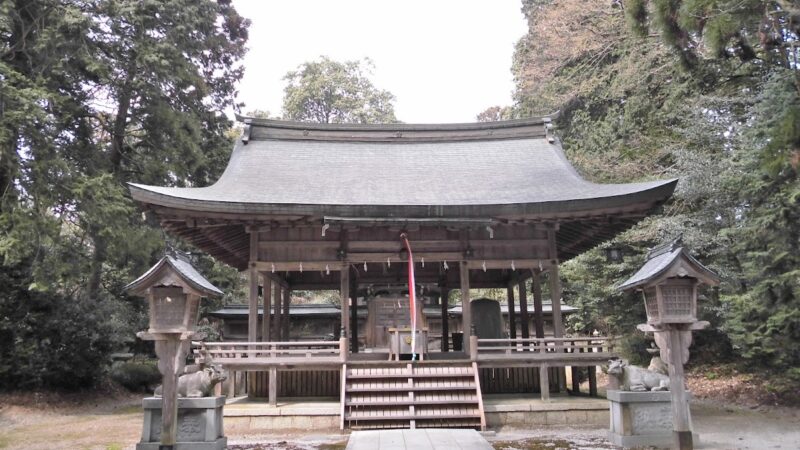
Myooji Temple, located in Konan-cho, Koka City, Shiga Prefecture, is an ancient Tendai sect temple said to have been founded in 811 by Enzui. Its principal image is a statue of Fudo Myoo, said to have been created by Dengyo Daishi Saicho, and it boasts a history of over 1200 years.
Enzui was a monk in the early Heian period and is considered one of the high-ranking priests who received teachings from Saicho. At that time, the Tendai sect was rapidly developing, centered around Enryaku-ji Temple on Mount Hiei, and its teachings spread to the Koka region.
Arrangement and Characteristics of the Five Great Wisdom Kings
The most distinctive feature of Myooji Temple in Koka City is that all five Great Wisdom Kings are enshrined together. At the center is Fudo Myoo, flanked by Gosanze Myoo, Gundari Myoo, Daiitoku Myoo, and Kongoyasha Myoo to the east, west, north, and south.
This arrangement is based on the mandala concept of Esoteric Buddhism, and it is considered extremely rare for a Tendai temple to have all five Myoo statues in a complete form. The Myoo of the east, west, north, and south are positioned to enhance the central figure, Fudo Myoo, leaving a strong impression on visitors.
Temple Grounds and Natural Environment
Myooji Temple is located on a hill along the Tokai Nature Trail, surrounded by abundant nature. The temple grounds boast a beautifully maintained garden that displays different expressions throughout the seasons.
Especially during the autumn foliage season, the entire temple grounds are dyed in vibrant autumn colors, attracting many visitors and tourists. It is also a popular resting place for hikers walking the Tokai Nature Trail.
Prayer and Faith
This temple is widely known locally as a place of prayer, where various prayers are offered for things like opening paths, protection from evil, family safety, and business prosperity. Each of the Five Great Wisdom Kings is believed to possess different virtues, allowing for prayers tailored to the wishes of the worshipper.
Access Information
- Train: Approximately 10 minutes by car from Konan Station on the JR Kusatsu Line
- Car: Approximately 15 minutes from Konan IC on the Shin-Meishin Expressway
- Address: Konan-cho, Koka City, Shiga Prefecture
- Opening Hours: Grounds are freely accessible (Please check for main hall visit hours)
Myooji Temple in Kamiyama-cho, Tokushima Prefecture: Famous for Weeping Cherry Blossoms
Temple Overview
Myooji Temple, located in Kamiyama-cho, Myozai-gun, Tokushima Prefecture, belongs to the Shingon sect, Zentsuji branch. Its mountain name is Tenjinzan, its temple name is Itokuin, and its principal image is Fudō Myōō.
A Stunning View of Weeping Cherry Blossoms
Myooji Temple in Kamiyama Town is known for its two weeping cherry trees, one 100 years old and the other 60 years old (some sources say 80 years old). They are in full bloom from late March to early April, and the sight of the cherry blossoms drooping from trees reaching 10 meters in height is truly breathtaking.
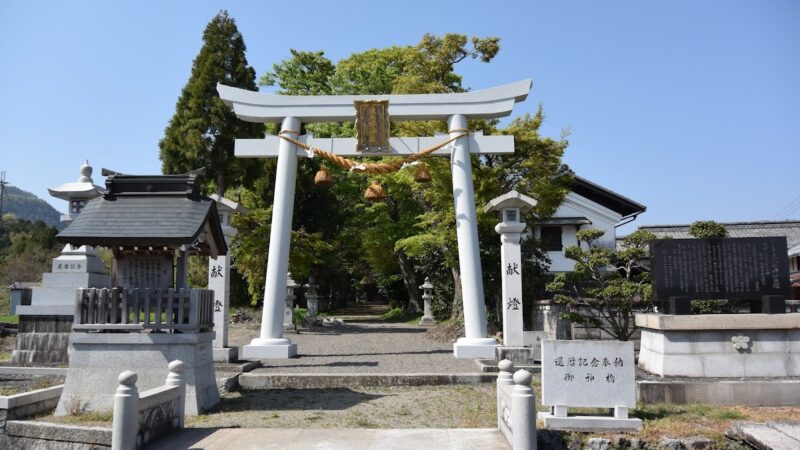
The waterfall of cherry blossoms viewed through the white-walled temple gate is particularly beautiful, with the delicate blossoms swaying in the wind, creating a deeply atmospheric scene. Every year, the “Weeping Cherry Blossom Festival” is held, featuring puppet shows by the Yorii-za troupe, musical performances, mochi pounding, and sales of local products, attracting many tourists.
Access Information
- By Car: Approximately 55 minutes from Itano IC on the Takamatsu Expressway
- Address: Kamiyama-cho, Myōzai-gun, Tokushima Prefecture
Myōōji Temple in Fujikawa-cho, Yamanashi Prefecture: Founded by Gyōen Gitan
Legend of Founding
Myōōji Temple, located in Tsukiyone, Fujikawa-cho, Minamikoma-gun, Yamanashi Prefecture, is officially called “Daishō Kongōzan Sokushōin Myōōji” and belongs to the Chizan branch of the Shingon sect.
It is said that during the Tenpyō-Jingo era (765-767), Gyōen Gitan came to Kai Province from Izu Province and, while practicing asceticism at Gitan Falls in the depths of Hirabayashi in the upper reaches of the Tone River, he had a vision of Fudo Myoo (Acala), and founded the temple in this location in the first year of the Hōki era (770).
Vast Temple Grounds and Guardian Deities
The former Myooji Temple boasted vast grounds, extending to Hirabayashi, Kobayashi, Okubo, and even Akiyama in Kosei Town to the north, and featured a grand temple complex. Kumano Gongen, Hakusan Gongen, and Mirume Myojin were enshrined as guardian deities, and the temple flourished as a center of local faith.
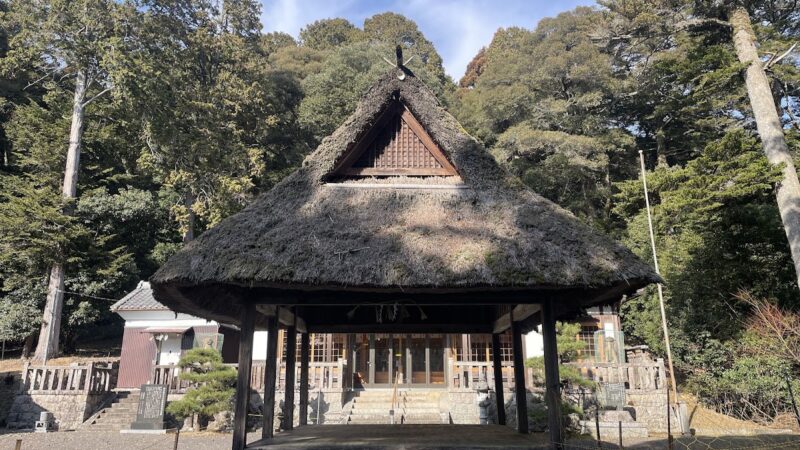
Currently, it stands alongside Kumano Shrine, situated on a terrace. In the early modern period, it was a branch temple of Hoon-in Temple in Yamashiro Daigo-ji.
Myooji Temple in Otawara City, Tochigi Prefecture: A Sacred Site on Mt. Takaiwa
Myooji Temple on Mt. Takaiwa, located in Otawara City, Tochigi Prefecture, is a Shingon sect Chizan school temple with Chishaku-in Temple in Kyoto as its head temple, and was founded approximately 450 years ago.
It enshrines Ebisu, one of the Seven Lucky Gods of Yamizo, and is also known as the 31st temple of the Oku no Hosomichi pilgrimage and the first temple of the Nasu Thirty-Three Kannon pilgrimage. As a sacred site associated with Matsuo Basho, it is also a pilgrimage site for literature lovers.
Other Major Myooji Temples
Tondabayashi City, Osaka Prefecture: Takitani Fudo Myooji Temple
Takitani Fudo Myooji Temple, located in Tondabayashi City, Osaka Prefecture, is the head temple of the Shingon Chizan sect and is known as one of the leading Fudo Myooji sacred sites in the Kansai region. Many worshippers visit to pray for protection from evil, traffic safety, and business prosperity.
Kobe City, Hyogo Prefecture: Myooji Temple
Myooji Temple, located in Tarumi Ward, Kobe City, belongs to the Koyasan Shingon sect and is also used as a cemetery and memorial park. It functions as a place of faith and memorial service for the local people.
Kaga City, Ishikawa Prefecture: Myooji Temple
There is also a Myooji Temple of the Shingon Chizan sect in Kaga City, Ishikawa Prefecture, which attracts local faith.
Wakayama Prefecture, Kainan City: Myooji Temple
Myooji Temple in Kainan City, Wakayama Prefecture, is a rare example belonging to the Seizan Jodo sect. While many Myooji temples belong to the Shingon or Tendai sects, its affiliation with the Jodo sect is distinctive.
Okayama Prefecture, Okayama City: Myooji Temple
Myooji Temple in Higashi Ward, Okayama City, belongs to the Tendai sect and preserves the local faith.
About the Principal Deity of Myooji Temple: Fudo Myoo
Many Myooji temples have Fudo Myoo as their principal deity. Fudo Myoo is the most important Myoo in Esoteric Buddhism and is considered an incarnation of Dainichi Nyorai.
Characteristics of Fudo Myoo
- Appearance: Holds a sword (Kurikara Sword) in his right hand and a lasso (kensaku) in his left.
- Expression: A wrathful expression intimidates worldly desires.
- Background: Carries flames behind him, burning away worldly desires.
- Seating: Seated on a rock, demonstrating unwavering faith.
Faith and Merit
Faith in Fudo Myoo encompasses a wide range of purposes, including protection from misfortune, disaster, healing from illness, and family safety. He is particularly affectionately known as “O-Fudo-san” and has been widely revered as an object of popular faith.
Types of Prayers at Myooji Temple
Various prayers are offered at Myooji Temple. While there are unique characteristics depending on the temple, the following prayers are generally possible:
Prayers for Opening the Path and Improving Fortune
This prayer seeks to open the path in life and improve one’s fortune through the power of the Five Great Myoo. Many people pray when starting a new business or at a turning point in their lives.
Protection from Misfortune and Disaster
This prayer seeks protection from misfortune during unlucky years and everyday disasters through the powerful influence of Fudo Myoo (Acala).
Family Safety and Traffic Safety
This prayer seeks the health and safety of family members and protection from traffic accidents.
Business Prosperity and Success
This prayer seeks the development of business and ventures, and wishes for improved financial fortune.
Individual Prayers
Some Myooji temples offer unique prayers tailored to each individual, based on the principles of Four Pillars of Destiny (a form of Chinese astrology).
The Four Seasons of Myooji Temple: Seasonal Scenery
Spring Scenery: Cherry Blossoms and Fresh Greenery
Cherry blossoms can be enjoyed at many Myooji temples, including Myooji Temple in Kamiyama Town, Tokushima Prefecture. The elegant appearance of weeping cherry trees is a symbol of spring’s arrival. Fresh greenery also sprouts in the temple grounds, ushering in a season full of vitality.
Summer Scenery: Deep Green and Serenity
In summer, the temple grounds are enveloped in deep green, creating a cool and refreshing atmosphere. Located along the Tokai Nature Trail, Myooji Temple is a popular rest stop for hikers, offering a peaceful escape from nature.
Autumn Scenery: Spectacular Autumn Foliage
Myooji Temple in Koka City, Shiga Prefecture, is renowned for its beautiful autumn leaves. The entire temple grounds are ablaze with vibrant autumn colors, creating a stunning landscape in harmony with the meticulously maintained gardens.
Winter Scenery: Snowscape and Tranquility
In winter, the snow-covered temple grounds exude a solemn and tranquil atmosphere. With fewer visitors, it’s a season for leisurely worship.
Training and Events at Myooji Temple
Sutra Copying Sessions
Some Myooji temples regularly hold sutra copying sessions. By copying scriptures such as the Heart Sutra, one can calm their mind and connect with the teachings of Buddhism.
Temple Yoga
As a modern initiative, some temples, such as Myooji Temple, offer temple yoga sessions within their grounds or main hall. Yoga in a quiet, natural setting is ideal for refreshing both mind and body.
Seasonal Buddhist Services
Seasonal Buddhist services are held, including Setsubun (bean-throwing festival), Higan (equinox festival), and Obon (Buddhist festival). Local residents gather to pray for the repose of their ancestors and for good health.
Access to Myooji Temple and Etiquette for Visiting
Manners for Visiting
- Bow at the Temple Gate: Bow before entering the temple grounds.
- Proper Hand-Washing Etiquette: Cleanse your hands and mouth at the water basin.
- Worship at the Main Hall: Quietly join your hands in prayer and pray wholeheartedly.
- Maintaining Cleanliness of the Temple Grounds: Take your trash with you and respect nature.
- Photography Etiquette: Obtain permission before photographing the main deity or other Buddha statues.
Appropriate Attire for Visiting
There are no strict dress code regulations, but it is best to avoid revealing clothing and wear clean, understated attire. If walking on mountain paths, choose comfortable shoes.
Visiting Hours and Admission Fees
While most Myooji temples allow free entry to the grounds, prior confirmation is necessary for viewing the interior of the main hall or special viewings. Admission fees may apply, so it is recommended to inquire beforehand.
Myooji Temple and the Local Community
Myooji Temple is not merely a religious facility; it has played a central role in the local community.
Center of Local Faith
For centuries, it has served as a center of faith for local residents, where prayers and memorial services have been held at various milestones in their lives.
Cultural Preservation
It plays an important role as a place for preserving traditional Japanese culture, including Buddhist art, architecture, and gardens.
Tourism Resource
Its beautiful natural environment and historical value make it an important tourist resource for the region, contributing to regional development.
Community Gathering
Through festivals and events, it also functions as a place for interaction among local residents.
Significance of Visiting Myooji Temple
In modern society, the significance of visiting Myooji Temple is diverse.
Peace of Mind
The time spent escaping the hustle and bustle of daily life and finding peace of mind in the quiet temple grounds is precious for modern people.
Dialogue with History
At temples with over 1000 years of history, you can reflect on the faith and lives of our ancestors.
Interaction with Nature
Many Myooji temples are located in rich natural environments, allowing you to enjoy the beauty of nature throughout the seasons.
Spiritual Growth
It provides an opportunity to engage with Buddhist teachings and reflect on oneself.
Summary: Diversity and Universality of Myooji Temples
While Myooji temples scattered throughout Japan each possess their own unique history and characteristics, they share a common foundation: the Myo-o faith centered around Fudo Myoo (Acala).
From the Tendai temple in Koka City, Shiga Prefecture, enshrining the Five Great Myo-o; to the Shingon temple in Kamiyama Town, Tokushima Prefecture, known for its beautiful weeping cherry blossoms; to the ancient temple in Fujikawa Town, Yamanashi Prefecture, associated with Gyoen Gitan, Myooji temples in each region have gathered faith and fostered culture.
As a temple of prayer, with its beautiful gardens and stunning natural surroundings, Myooji Temple offers visitors a variety of values. The powerful and compassionate spirit of its principal deity, Fudo Myoo, has continued to be a source of spiritual support for people across generations.
Located on a hill along the Tokai Nature Trail, Myooji Temple is not only a place of worship but also a peaceful haven, boasting famous weeping cherry blossoms and breathtaking autumn foliage.
Even today, Myooji Temple remains beloved by locals, welcoming visitors with its beautifully maintained grounds. A visit to the historic Myooji Temple will allow you to experience the depth of Japanese Buddhist culture and the power of faith rooted in the local community.