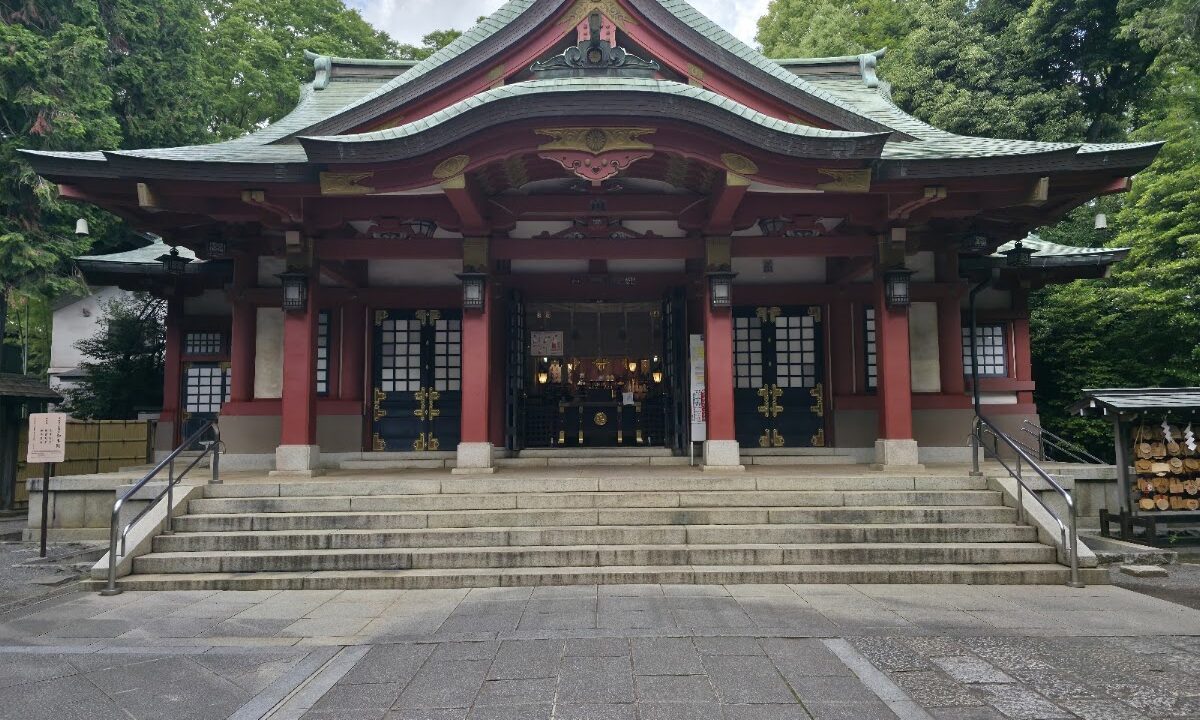
Complete Guide to Setagaya Hachimangu Shrine (Tokyo) | A Shrine of Victory and Sumo Wrestling Associated with Minamoto no Yoshiie
Setagaya Hachimangu Shrine, located in Miyasaka, Setagaya Ward, Tokyo, is a historic shrine founded in 1091 during the late Heian period. It began when Minamoto no Yoshiie invited a divided spirit from Usa Hachimangu Shrine in Buzen Province, and for over 900 years it has been affectionately known as “Miyanosaka Hachiman-sama” by the local people. Within the shrine grounds is a sumo ring, a remnant of the three major Edo-period sumo tournaments, and sumo wrestling is still performed as an offering during the autumn festival.
This article comprehensively introduces information you should know before visiting Setagaya Hachimangu Shrine, including its history, enshrined deities, blessings, highlights of the grounds, and access methods.
The Origin and History of Setagaya Hachimangu Shrine
Minamoto no Yoshiie and the Later Three Years’ War
The founding of Setagaya Hachimangu Shrine dates back to the late Heian period, specifically the 5th year of Kanji (1091). After quelling the “Later Three Years’ War” in Oshu, Minamoto no Yoshiie was caught in a torrential downpour in Miyasaka on his return journey to Kyoto. While waiting for the weather to improve, Yoshiie deeply appreciated the protection of Hachiman, the deity he worshipped as his tutelary god, for his victory. He invited a divided spirit from Usa Hachimangu Shrine in Buzen Province (present-day Oita Prefecture) to this location and enshrined it, marking the beginning of the shrine.
Minamoto no Yoshiie, also known as “Hachiman Taro Yoshiie,” was a warrior known for his fervent devotion to Hachiman. As a shrine founded by Yoshiie himself, Setagaya Hachimangu Shrine has long been revered as a place of blessings for military success and victory.
Developed as a Local Guardian Shrine
Since its founding, Setagaya Hachimangu Shrine has served as the guardian shrine of Setagaya, a spiritual anchor for the local residents. During the Edo period, it was affectionately known as “Miyanosaka Hachiman-sama,” and was constantly visited by people praying for agricultural and commercial prosperity and family safety.
Even after the Meiji era, it continued to welcome many worshippers along with the development of Setagaya Ward, and today it is known as a shrine visited by people with various wishes, such as good fortune in competitions, victory prayers, traffic safety, and safe childbirth.
Deities and Benefits
Deities Enshrined
Setagaya Hachimangu Shrine enshrines the following three deities:
Emperor Ojin
The 15th Emperor, he is the deity enshrined as Hachiman-sama in Hachiman shrines throughout Japan. He is revered as the god of military fortune, victory, and national peace.
Emperor Chūai
The 14th Emperor of Japan and the father of Emperor Ōjin. Known for his bravery and integrity, he is believed to bestow blessings of family prosperity.
Empress Jingū
The empress of Emperor Chūai and the mother of Emperor Ōjin. Known for the legend of her conquest of the Three Kingdoms of Korea, she is worshipped as a deity of safe childbirth, child-rearing, and protection of women.
These three deities are often enshrined together as the “Three Hachiman Gods,” and are revered as family deities at Setagaya Hachiman Shrine.
Main Benefits
Setagaya Hachiman Shrine is believed to offer the following benefits:
- Prayers for Good Fortune and Victory: As a shrine associated with Minamoto no Yoshiie, prayers are offered for success in competitive endeavors such as exams, matches, and business negotiations.
- Good Fortune and Prosperity: Benefits of good fortune that support life’s turning points and new challenges.
- Traffic Safety: Protection for daily commutes, school runs, and travel.
- Prayers for Safe Childbirth: Protection for safe childbirth and child-rearing through the divine virtues of Empress Jingu.
- Exorcism: Protection from misfortune and ensuring peaceful days.
- Family Safety: Watching over the health and happiness of the family.
Especially known for its blessings of good fortune and victory, the shrine attracts people aiming for victory in various fields, including athletes, students taking exams, and business people.
Highlights of the Shrine Grounds
The Vermilion Torii Gate
A vibrant vermilion torii gate welcomes visitors at the entrance to Setagaya Hachimangu Shrine. Passing through this torii gate, you enter a sacred space far removed from the hustle and bustle of the city, where your mind naturally calms down. The vermilion color of the torii gate is said to have the meaning of warding off evil, and it serves to guide worshippers into the pure grounds.
Shrine Buildings
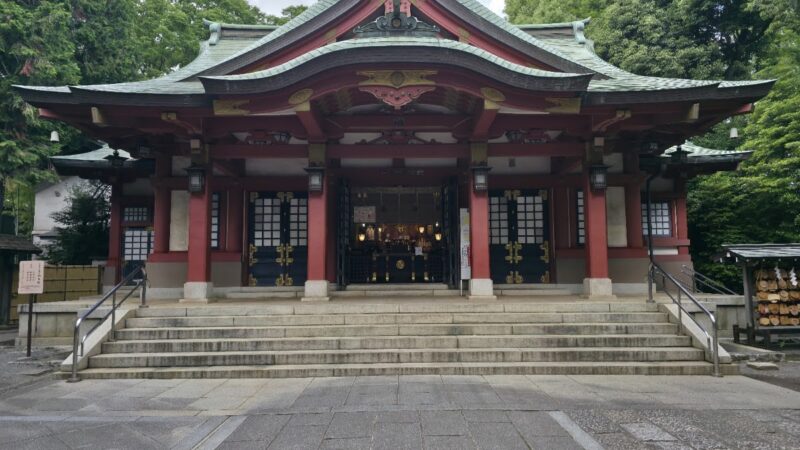
The worship hall and main shrine are built in the style of traditional Shinto shrine architecture. The main shrine enshrines the three Hachiman deities, creating a solemn atmosphere. The surrounding area is adorned with the beauty of nature throughout the seasons, and it is especially bustling with worshippers during the New Year’s visit and the annual festival.
The Sumo Ring and the Tradition of Sumo Wrestling on the Shrine Grounds
One of the most distinctive features of Setagaya Hachimangu Shrine is the magnificent sumo ring located on the shrine grounds. This sumo ring is a valuable legacy that conveys the history of Setagaya Hachimangu, which was known as one of the three major sumo rings of Edo (Fukagawa Hachiman, Tomioka Hachiman, and Setagaya Hachiman).
During the Edo period, grand sumo wrestling ceremonies were held at Setagaya Hachimangu Shrine, attracting many spectators. This tradition continues today, with sumo wrestling ceremonies held annually during the autumn festival. Matches by local children and sumo enthusiasts are offered to the gods and are carefully preserved as a regional traditional culture.
The sumo ring can be seen on the shrine grounds even outside of the festival, making it a valuable viewing spot for those interested in the history and culture of sumo.
Power Stone
Within the shrine grounds stands a large stone called the “Power Stone.” This stone was used by young men in the Edo period for strength contests and is a valuable cultural artifact that conveys the popular culture of that time. There was a custom of lifting the Power Stone to demonstrate strength, or to pray for a bountiful harvest and good health.
The Power Stone at Setagaya Hachimangu Shrine is carefully preserved as a regional historical heritage, conveying the lives and beliefs of the people of that time.
Parent and Child Komainu (Guardian Lion-Dogs)
In front of the main hall sits a parent and child Komainu. The image of the parent guarding its child symbolizes family bonds and the importance of child-rearing, bringing comfort to the hearts of worshippers. They hold special significance for those visiting to pray for safe childbirth or successful child-rearing.
Subsidiary Shrines
Besides the main hall, Setagaya Hachimangu Shrine has several subsidiary shrines. Each enshrines a different deity, attracting worshippers seeking various blessings. Visiting each shrine while exploring the grounds provides a more fulfilling worship experience.
Annual Festival and Regular Events
Autumn Annual Festival
The annual festival of Setagaya Hachimangu Shrine is held every year on the Sunday before Respect for the Aged Day in September. This Autumn Annual Festival is the most important festival of the year, featuring various Shinto rituals such as a portable shrine procession and sumo wrestling.
In particular, the sumo wrestling dedication ceremony, a traditional event dating back to the Edo period, attracts many spectators. Sumo matches by local children and those by sumo enthusiasts take place in the ring, creating a lively atmosphere on the shrine grounds. The dedication of sumo to the gods is meant to pray for a bountiful harvest and the prosperity of the region.
Other Annual Events
In addition to the annual festival, Setagaya Hachimangu Shrine holds various other annual events.
- Hatsumode (January 1st-3rd): The shrine is bustling with many worshippers praying for happiness in the new year.
- Setsubun Festival (February 3rd): Shinto rituals such as bean-throwing are performed, and prayers are offered for protection from evil and for good fortune.
- Natsukoshi no Oharae (June 30th): A ceremony to purify oneself of the impurities accumulated over the past six months and pray for good health and well-being for the remaining half of the year.
- Shichi-Go-San Pilgrimage (November): A celebration of children’s growth and prayers for their healthy development.
These events are important opportunities to deepen ties with local residents and pass on traditional culture to the next generation.
Goshuin and Souvenirs
Goshuin
Setagaya Hachimangu Shrine offers goshuin as proof of worship. They are available at the shrine office, and the carefully handwritten goshuin are popular as souvenirs of the visit. You can bring your own goshuincho (goshuin notebook) or purchase one on the spot.
Reception hours are usually from 9:30 AM to 4:00 PM, but these may change due to events, so it is recommended to check in advance if you wish to be sure to receive your item.
Amulets and Souvenirs
Setagaya Hachimangu Shrine offers a variety of amulets and souvenirs.
- Victory Amulet: An amulet for praying for success in competitions and exams.
- Traffic Safety Amulet: Protects the safety of cars and bicycles.
- Safe Childbirth Amulet: Prays for a safe delivery for pregnant women and the health of mother and child.
- Academic Achievement Amulet: Prays for academic improvement and passing exams.
- Exorcism Amulet: Wards off misfortune and protects peaceful days.
These amulets have been blessed by Shinto priests and serve to convey the owner’s wishes to the gods.
Access Information
Location
Address: 1-26-3 Miyasaka, Setagaya-ku, Tokyo 156-0051
Phone: 03-3429-1732
FAX: 03-3429-2226
Access by Train
Setagaya Hachimangu Shrine is easily accessible by public transportation.
From Miyanosaka Station on the Tokyu Setagaya Line
The nearest station is Miyanosaka Station on the Tokyu Setagaya Line, a convenient 1-minute walk from the station. The shrine’s torii gate is visible immediately upon exiting the station, making it easy to find even for first-time visitors.
From Gotokuji Station on the Odakyu Line
It’s about a 10-minute walk from Gotokuji Station on the Odakyu Line. Walk towards Yamashita Station on the Setagaya Line from Gotokuji Station, then turn right at the Miyasaka intersection to arrive at Setagaya Hachimangu Shrine.
From Sangenjaya Station on the Tokyu Den-en-toshi Line
Another route is to transfer to the Setagaya Line at Sangenjaya Station and get off at Miyanosaka Station. Sangenjaya is only two stops from Shibuya, making it easily accessible from central Tokyo.
Access by Car and Parking
If you are visiting by car, you can access the shrine via the Metropolitan Expressway or Loop Route 7. However, parking on the shrine grounds is limited, so it is recommended to use nearby coin-operated parking lots. Especially during busy periods such as New Year’s Day and the annual festival, using public transportation is recommended.
Visiting Hours
The shrine grounds are generally open all day, but the shrine office is open from 9:00 AM to 5:00 PM (telephone inquiries are also accepted during these hours). If you wish to receive a Goshuin (shrine stamp) or amulet, please visit within these hours.
Nearby Tourist Attractions
There are many tourist attractions near Setagaya Hachimangu Shrine that you might want to visit.
Gotokuji Temple
Located about a 10-minute walk from Setagaya Hachimangu Shrine, Gotokuji Temple is known as the birthplace of the Maneki-neko (beckoning cat). Thousands of Maneki-neko figurines are enshrined within the temple grounds, creating a breathtaking sight. It is also famous as the family temple of the Ii clan, making it a historically significant temple.
Setagaya Daikan Yashiki (Local History Museum)
This preserved Edo-period magistrate’s residence offers valuable insights into the lifestyle of the time. Recommended for those interested in Setagaya’s history and culture.
Shoin Shrine
This shrine is dedicated to Yoshida Shoin, a thinker of the late Edo period, and is popular with students as a god of learning. The Shoin Shrine Street shopping arcade is charming and enjoyable for a stroll.
Sangenjaya
Sangenjaya, just a few stops away on the Setagaya Line, is an area lined with stylish cafes and restaurants. It’s perfect for enjoying a meal or shopping after visiting the shrine.
Manners and Points for Visiting a Shrine
Basic Etiquette for Visiting a Shrine
There are basic manners to observe when visiting a shrine.
- Bow before passing through the torii gate: Before entering the sacred area, bow to show respect.
- Purify yourself at the water basin: Purify your left hand, then your right hand, then your mouth, and finally wash the handle of the ladle.
- Avoid the center of the path: The center of the path is considered the path of the gods, so walk along the sides.
- Manners at the main hall: The basic procedure is two bows, two claps, one bow (two bows, two claps, one bow).
Regarding Photography
Photography is generally permitted on the shrine grounds, but it may be restricted inside the main hall or during Shinto rituals. Also, please be considerate of other visitors.
Regarding Attire
Everyday clothing is acceptable for visiting a shrine, but if you are receiving a prayer, it is preferable to wear attire that is not too casual. Especially during crowded times such as New Year’s Day and the annual festival, be sure to wear comfortable, seasonal clothing.
Summary of the Charms of Setagaya Hachimangu Shrine
Setagaya Hachimangu Shrine is a prestigious shrine with a history of over 900 years, yet it is easily accessible from central Tokyo, making it a convenient place to visit. It boasts many attractions, including its historical background as a shrine founded by Minamoto no Yoshiie, a sumo ring that preserves the tradition of one of the three major Edo-era sumo tournaments, and blessings for victory and good fortune.
The tranquil grounds are ideal for escaping the hustle and bustle of everyday life and finding peace of mind. It is a beloved local shrine, visited not only for life’s milestones such as New Year’s Day, the annual festival, and Shichi-Go-San (a traditional rite of passage for children), but also as a place to casually drop by during a stroll.
Setagaya Hachimangu Shrine warmly welcomes people with various wishes, whether they are preparing for a competition, starting a new challenge, or seeking inner peace. When visiting Setagaya Ward in Tokyo, why not pay a visit?
Setagaya Hachimangu Shrine ## Frequently Asked Questions (FAQ)
When can I receive a Goshuin (temple/shrine stamp) at Setagaya Hachimangu Shrine?
Goshuin are available at the shrine office, usually from 9:30 AM to 4:00 PM. However, these hours may change due to religious ceremonies or events, so it is recommended to call in advance (03-3429-1732) to confirm if you wish to receive one. Waiting times may occur during busy periods such as New Year’s Day and the annual festival.
Is there parking available?
There is limited parking space on the shrine grounds, but the number of spaces is limited, so it is recommended to use public transportation whenever possible. If you are visiting by car, please consider using nearby coin-operated parking lots. Especially during New Year’s Day and the annual festival, congestion is expected, so walking from Miyanosaka Station on the Tokyu Setagaya Line is convenient.
When can I see the dedication sumo wrestling?
Dedication sumo wrestling is held annually during the Autumn Grand Festival (the Sunday before Respect for the Aged Day in September). Matches by local children and sumo enthusiasts are showcased, attracting many spectators. For specific times and details, it is recommended to inquire with the shrine or check official information closer to the festival date.
What kinds of prayers can I receive at Setagaya Hachimangu Shrine?
At Setagaya Hachimangu Shrine, you can receive various prayers, including prayers for protection against misfortune, safe childbirth, first shrine visit for a newborn, Shichi-Go-San (7-5-3) festival, traffic safety, business prosperity, and success in examinations. If you wish to receive a prayer, it is best to make a reservation by phone in advance. Especially during Shichi-Go-San and New Year’s visits, it gets crowded, so early reservations are recommended.
When was Setagaya Hachimangu Shrine founded?
Setagaya Hachimangu Shrine was founded in the late Heian period, in the 5th year of Kanji (1091). The shrine’s origins date back to when Minamoto no Yoshiie, on his return from the Later Three Years’ War, was caught in a torrential downpour and stayed in this area. Grateful for his victory, he believed it was due to the protection of Hachiman Daishin (the god of war), and invited a divided spirit from Usa Hachiman Shrine in Buzen Province. It is a venerable shrine with a history spanning over 900 years.
What is the nearest station to Setagaya Hachiman Shrine?
The nearest station is Miyanosaka Station on the Tokyu Setagaya Line, and it is very easily accessible, just about a 1-minute walk from the station. It is also about a 10-minute walk from Gotokuji Station on the Odakyu Line, and can be accessed by transferring to the Setagaya Line from Sangenjaya Station on the Tokyu Den-en-toshi Line. Its convenient location makes it easily accessible from central Tokyo, making it a convenient place to visit.