About Tomioka Hachimangu Shrine
Tomioka Hachimangu Shrine is a Hachiman shrine located in Tomioka, Koto Ward, Tokyo. Founded in 1627 (Kanei 4), it has been affectionately known as “Fukagawa’s Hachiman-sama.” During the Edo period, it was the “largest Hachiman shrine in Edo,” attracting the faith of the common people, and remains one of Tokyo’s representative shrines today.
History and Origins
It is said to have originated when Nagamori Hoin received a divine oracle and founded the shrine on Eitaijima Island. It received generous protection from the Tokugawa shogunate and was deeply revered by the common people of Edo, becoming widely known as “Fukagawa Hachiman.” After the Meiji Restoration, it was designated a quasi-imperial shrine, and the current shrine building was rebuilt in 1956 (Showa 31).
Points to Note When Visiting
Magnificent Shrine Buildings
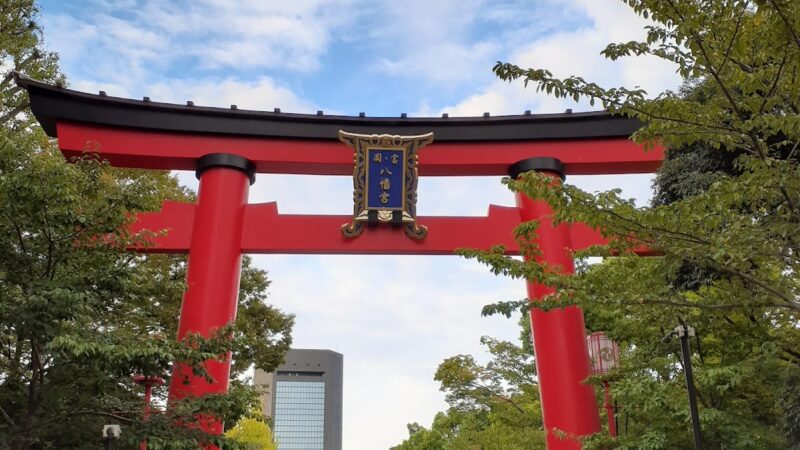
The main hall is a reinforced concrete Gongen-zukuri style structure, and despite being a post-war reconstruction, it presents a magnificent appearance. Passing through the vermilion torii gate and proceeding through the spacious grounds, visitors are greeted by a large main hall.
Yokozuna Sumo Wrestler Monument
Within the grounds stands the “Yokozuna Sumo Wrestler Monument,” inscribed with the names of successive Yokozuna. Tomioka Hachimangu Shrine is considered the birthplace of Edo-period fundraising sumo, and has deep ties to sumo. The 3.5-meter-tall stone monument bears the names of all Yokozuna, from the first Akashi Shiganosuke to the current Yokozuna.
Ozeki Sumo Wrestler Monument and Giant Sumo Wrestler Height Monument
Next to the Yokozuna Monument stands the Ozeki Sumo Wrestler Monument. There is also the “Giant Sumo Wrestler Height Monument,” which features life-sized handprints of giant sumo wrestlers from the Edo period, showcasing the impressive size of the wrestlers of that era.
Ino Tadataka Statue
A bronze statue of the surveyor Ino Tadataka stands within the grounds. It is said that Tadataka lived in Fukagawa and always visited Tomioka Hachimangu Shrine before embarking on his surveying journeys.
Antique Market (Flea Market)
Event Dates
Tomioka Hachimangu Shrine holds a flea market selling antiques every month. It is held on the 1st, 2nd, 4th, and 5th Sundays of each month and is bustling from early morning until around 3 PM.
Market Features
Approximately 150 stalls line the shrine grounds, offering a wide variety of items including ceramics, antique tools, kimonos, ukiyo-e prints, old books, and accessories. Because there are both professional antique dealers and general vendors, there’s a chance of finding a hidden gem. Bargaining is also part of the fun of the market.
Visiting Tips
The early morning hours (around 8 AM to 10 AM) are recommended for the widest selection of goods. Many stalls only accept cash, so it’s convenient to have small change ready.
Benefits
Main Benefits
- Good Fortune in Competitions and Career Advancement: As a shrine associated with sumo wrestling, it offers blessings for success in competitions.
- Business Prosperity: Due to its history of attracting the faith of Edo merchants.
- Protection from Misfortune and Good Fortune: Protection from disasters through the guardianship of Hachiman-sama.
- Traffic Safety: In honor of Ino Tadataka, who prayed for safe travels.
Goshuin (Shrine Seal)
We offer several types of original design goshuin. Both pre-printed and handwritten goshuin are available, and seasonal limited-edition goshuin are also popular.
Access
Access by Train
- Tokyo Metro Tozai Line “Monzen-Nakacho Station”: 3-minute walk from Exit 1
- Toei Subway Oedo Line “Monzen-Nakacho Station”: 6-minute walk from Exit 6
Monzen-Nakacho Station is the nearest station; you can reach the shrine quickly by walking along Eitai-dori Street from the station.
Access by Car
Approximately 5 minutes from the Kiba Exit of the Metropolitan Expressway Route 9 Fukagawa Line. There is no dedicated parking lot, but there are several coin-operated parking lots nearby. Due to congestion on antique market days, using public transportation is recommended.
Visiting Hours
The temple grounds are always open. The temple office is open from 9:00 AM to around 5:00 PM.
Nearby Attractions
Fukagawa Fudo-do Temple
A Shingon Buddhist temple located a 3-minute walk from Tomioka Hachimangu Shrine. Affectionately known as “Fukagawa’s Fudo-sama,” it is bustling with many visitors on its monthly festival days (the 1st, 15th, and 28th).
Monzen-Nakacho Shopping Street
A traditional shopping street stretches along the approach to the temple, lined with famous Fukagawa-meshi restaurants, Japanese confectionery shops, and tsukudani (simmered food) shops. Enjoy a food tour after your visit.